Find the Best Wildlife Removal Companies for Your Business
No obligation • Fast responses • Nationwide coverage

Why you can trust Pest Crews
Pest Crews is a leading U.S. resource for finding and evaluating residential and commercial pest control services. Our team researches providers, reviews treatment approaches, and organizes unbiased information to help you make informed decisions. Companies cannot pay to change our editorial content or influence how they appear.
Search providers near you
Best Wildlife Removal Companies in Alabama Ranked
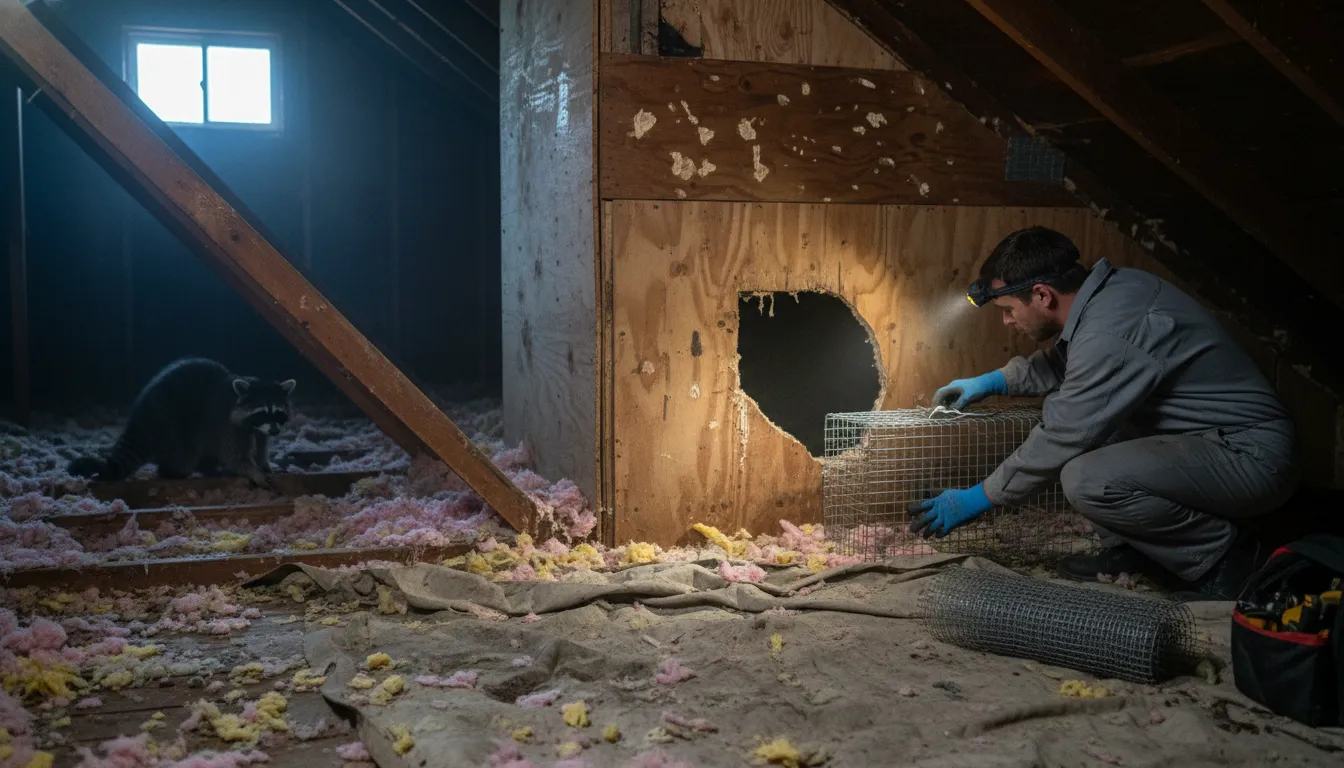
When wildlife like raccoons, squirrels, or bats move into your attic, crawl space, or yard, they can cause significant property damage and pose health risks. Professional wildlife removal addresses these problems by safely and legally evicting animals and securing your home against future entry. This guide explains Alabama's specific regulations, when to handle a situation yourself, and how to find qualified local specialists to resolve your wildlife issue effectively.
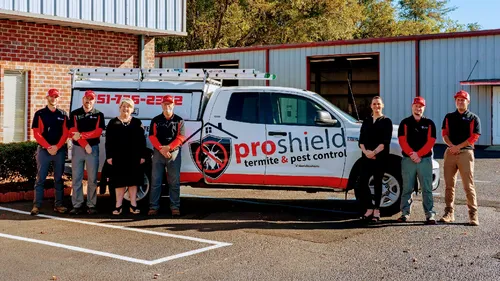
ProShield Termite & Pest Control
7260 B Theodore Dawes Rd, Theodore, AL 36582
ProShield Termite & Pest Control is a family-owned pest control company based in Mobile, AL. They provide year-round protection against a wide range of household pests including bed bugs, cockroaches, ants, rodents, termites, mosquitoes, bees, wasps, birds, and other wildlife. With over 30 years of experience, ProShield uses safe products suitable for families and pets and offers various treatment packages tailored to pest control needs. Their technicians receive ongoing training to handle diverse pest challenges effectively.
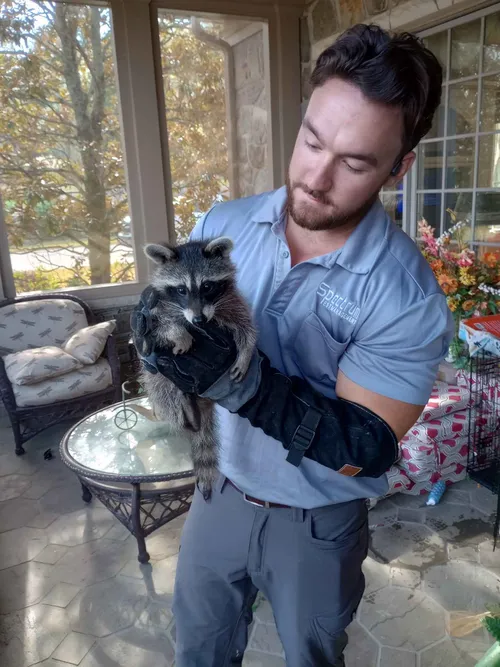
Tactical Wildlife Removal & Restoration
Huntsville, AL
Tactical Wildlife Removal & Restoration provides pest and wildlife control services in Huntsville, AL, specializing in humane removal and property restoration. Their offerings include general pest control for ants and roaches, rodent control with inspections and prevention, wildlife removal with repairs, and attic and crawlspace remediation. They also manage predator control for animals like coyotes and hogs, protecting land and livestock. With over 36 years of experience, they use eco-friendly methods and advanced techniques to maintain safe and pest-free environments.
Orkin
1509 Greenbrier Dear Rd Suite B, Anniston, AL 36207
Orkin provides residential and commercial pest control services in Birmingham, AL. With over 120 years of experience, they handle a wide range of pests including bed bugs, cockroaches, ants, rodents, termites, mosquitoes, and wildlife. Orkin offers termite inspections and treatments using methods such as dry foam void filler, Sentricon® bait, and liquid barriers. Their services are backed by science and technology, and they provide 24/7 phone support to assist with pest control needs. Orkin also offers seasonal pest control tailored to the unique pest activity throughout the year in the region.
Redd Pest Solutions
1273 Azalea Rd, Mobile, AL 36693
Redd Pest Solutions is a family-owned pest control company serving Mobile, AL, and surrounding areas. With over 70 years of experience, they provide a wide range of pest management services including bed bug treatment, termite inspection, rodent control, mosquito control, and wildlife removal. The company employs certified entomologists and offers specialized capabilities such as disinfecting services to help prevent the spread of bacteria and viruses. Redd Pest Solutions is available for same-day service and provides 24-hour assistance to customers.
Covenant Wildlife
200 Cahaba Park Cir Suite 217, Birmingham, AL 35242
Covenant Wildlife is a pest control and wildlife removal company based in Birmingham, AL. They specialize in the humane trapping, removal, and exclusion of squirrels, raccoons, bats, rats, and mice for both residential and commercial properties. Serving Jefferson and Shelby Counties, including Hoover and Trussville, they focus on preventing recurring wildlife issues through thorough home inspections and preventive measures. Covenant Wildlife offers detailed inspections to identify entry points and potential damage, including wiring and insulation checks, to effectively resolve human-wildlife conflicts.
Understanding Alabama's Wildlife Regulations
Alabama has specific rules governing which animals can be removed and by whom. The state distinguishes between nuisance animals that homeowners can often address and protected species that require special permits. The Alabama Division of Wildlife and Freshwater Fisheries (ADFWF) sets these regulations to balance property protection with wildlife conservation.
Knowing the law is the first step. Acting outside these rules can result in fines, and improper handling can endanger both you and the animal. The guidelines are designed to ensure that removal is done humanely and that protected species, which are vital to the local ecosystem, are managed by professionals.
Animals You Can Often Remove Without a Permit
For immediate property damage, Alabama regulations allow homeowners or tenants to take one animal per incident from the following list without first obtaining a permit:
- Squirrels
- Rabbits
- Raccoons
- Opossums
- Beavers
- Otters
- Skunks (excluding the protected Spotted Skunk)
- Blackbirds
This provision is typically for situations where the animal is actively causing damage. Species like feral swine and coyotes also generally do not require you to prove damage before action can be taken. However, even with these species, safe and effective removal often necessitates professional skill.
When a Permit is Required
For all other wildlife, especially protected nongame species, a Wildlife Damage Permit from the ADFWF is mandatory. This includes situations of extensive damage or legitimate safety concerns.
Common protected species in Alabama include:
- Bats: Gray Bat, Indiana Bat, Little Brown Bat, Northern Long-eared Bat.
- Small Mammals: Alabama Beach Mouse, Perdido Key Beach Mouse, Smoky Shrew, Pygmy Shrew, Southeastern Pocket Gopher, Allegheny Woodrat.
- Others: West Indian Manatee, Spotted Skunk, Long-tailed Weasel.
Furthermore, any business or individual operating for hire to control wildlife must obtain a permit from the ADFWF Commissioner 1. Permitted operators are required to report details like the species, number of animals taken, and disposal methods 2.
Key Reasons to Hire a Professional Wildlife Control Operator
While the law may allow you to handle a single raccoon, there are compelling reasons to call a professional Wildlife Control Operator (WCO).
Legal Compliance: Professionals know the state and federal regulations inside and out. They can identify protected species, obtain necessary permits, and ensure all actions are legal, protecting you from potential liability 3.
Health and Safety: Wildlife can carry diseases such as rabies, leptospirosis, and histoplasmosis (from accumulated droppings). Professionals have the training and personal protective equipment (PPE) to handle animals and contaminated areas safely.
Effective and Humane Solutions: Removal is only half the job. Experts find and seal entry points (a process called exclusion) to prevent re-infestation. They use humane traps and methods that comply with Alabama's animal welfare standards.
Damage Assessment and Repair: A qualified professional can assess the full extent of damage-from chewed wires and insulation to structural compromises-and often provides repair services or can recommend trusted contractors.
Find the perfect wildlife removal companies for your needs
Get personalized recommendations and expert advice
Common Wildlife Issues in Alabama and Typical Solutions
1. Raccoons and Opossums
These nocturnal scavengers often target attics, chimneys, and under-deck areas for denning. They can tear up insulation, ductwork, and roofing materials.
- Solution: Professional trapping and removal, followed by a thorough inspection to find and secure all potential entry points, including chimney caps and roof vents.
2. Squirrels
Squirrels are agile and can chew through wood, vinyl, and even electrical wiring, creating a fire hazard. They are common in attics and eaves.
- Solution: Live trapping and exclusion. All entry holes must be sealed with durable materials like steel mesh, as squirrels can gnaw through weaker barriers.
3. Bats
Several bat species in Alabama are federally protected. A colony in an attic poses health risks from guano accumulation and requires careful handling.
- Solution: Installing one-way exclusion devices that allow bats to leave but not re-enter, only during legal exclusion periods (outside of maternity season). Never attempt to poison or trap bats 4.
4. Snakes
While many snakes are beneficial, venomous species like copperheads, cottonmouths, and rattlesnakes can pose a danger.
- Solution: Identification is crucial. Professionals can safely remove snakes and recommend habitat modification (like clearing brush and wood piles) to make your property less attractive.
5. Feral Swine
These invasive animals cause extensive agricultural and land damage through rooting and wallowing.
- Solution: Management typically involves coordinated trapping efforts under specific guidelines. Landowners often work with permitted wildlife control professionals or USDA Wildlife Services for large-scale problems 5.
What to Expect: The Professional Wildlife Removal Process
A reputable wildlife control service will follow a systematic approach:
- Inspection and Assessment: A thorough property inspection to identify the animal species, entry points, extent of damage, and sanitation issues.
- Action Plan and Estimate: A detailed explanation of the recommended removal and exclusion methods, along with a written cost estimate.
- Removal/Eviction: Using species-appropriate techniques such as live traps, one-way doors, or deterrents.
- Exclusion and Repair: Sealing all identified entry points with permanent materials and performing or arranging for necessary repairs to damaged structures.
- Cleanup and Sanitation: Removing contaminated insulation, droppings, and nesting materials, followed by cleaning and disinfecting the affected area to eliminate health hazards.
- Follow-up: Many companies offer a warranty period on their exclusion work to ensure the problem is fully resolved.
Understanding Costs for Wildlife Control in Alabama
Costs vary widely based on the animal, the severity of the infestation, and the required repairs. Here is a general pricing guide based on industry standards 6 7:
- Initial Inspection/Call-Out Fee: Often ranges from $100 to $200.
- Removal (per animal/situation): Typically between $150 and $400+ for common animals like raccoons, squirrels, or opossums. Costs for feral swine or coyote control can be higher due to the methods involved.
- Exclusion and Repair Work: This is often the most significant cost, usually ranging from $300 to over $1,000, depending on the number of entry points, accessibility, and materials needed (e.g., steel flashing, chimney caps, vent covers).
- Sanitation and Decontamination: Cleaning up droppings and replacing insulation can add several hundred dollars to the total project.
Always get detailed, written estimates from multiple permitted operators. The lowest price may not include comprehensive exclusion or cleanup, leading to recurring problems.
How to Choose a Qualified Wildlife Removal Provider in Alabama
- Verify Permits and Licenses: Ensure the company holds a valid Nuisance Wildlife Control Operator (NWCO) permit from the Alabama Division of Wildlife and Freshwater Fisheries. You can find a list of permitted operators on the Outdoor Alabama website.
- Check for Insurance: Ask for proof of liability and worker's compensation insurance to protect yourself in case of property damage or injury.
- Ask About Methods: Choose a provider that uses humane, integrated pest management (IPM) techniques focused on exclusion and prevention, not just trapping.
- Get Everything in Writing: A detailed contract should outline the scope of work, guarantees, warranty periods for exclusion work, and the total cost.
- Seek References and Reviews: Look for established companies with positive reviews and ask for references from past customers with similar wildlife issues.
Frequently asked questions
Sources
Footnotes
-
Rule 220-2-.27 Permit To Take Protected Wildlife Causing Crop ... - https://admincode.legislature.state.al.us/api/rule/220-2-.27 ↩
-
Rule 220-2-.27 - Permit To Take Protected Wildlife Causing Crop Damage, Property Damage, Or Concern For Human Safety - https://admincode.legislature.state.al.us/administrative-code/220-2-.27 ↩
-
Alabama | Training Information for Wildlife Control Operators - https://nwco.net/states/states-a-h/alabama/ ↩
-
Nuisance Wildlife vs. Wildlife - What Is the Difference - https://www.huntsmanwildlife.com/blog/nuisance-wildlife-vs-wildlife-what-is-the-difference ↩
-
Alabama Nuisance Animal Control - Wildlife - https://www.outdooralabama.com/wildlife-management-programs/alabama-nuisance-animal-control ↩
-
Permitted Nuisance Wildlife Control Operators - https://www.outdooralabama.com/nuisance-animal-control/permitted-nuisance-wildlife-control-operators ↩
-
Wildlife Control Pricing Guide - https://www.michiganwildlifesolutions.com/about/wildlife-control-pricing/ ↩