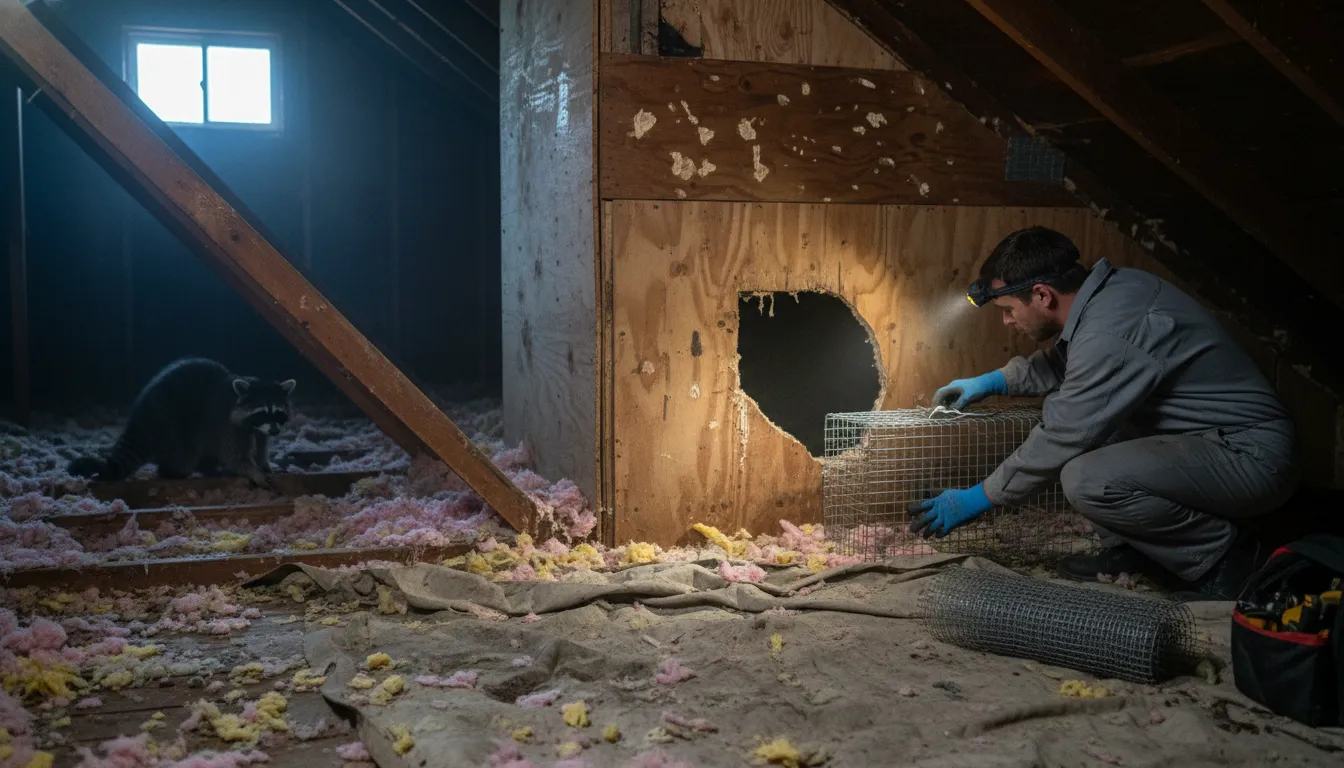
Find the Best Wildlife Removal Companies for Your Business
No obligation • Fast responses • Nationwide coverage
Why you can trust Pest Crews
Pest Crews is a leading U.S. resource for finding and evaluating residential and commercial pest control services. Our team researches providers, reviews treatment approaches, and organizes unbiased information to help you make informed decisions. Companies cannot pay to change our editorial content or influence how they appear.
Search providers near you
Top Wildlife Removal Companies in Danbury, Connecticut Ranked
Finding an uninvited animal in your Danbury home or business can be a stressful experience. Wildlife removal is the professional service dedicated to safely and legally resolving conflicts with nuisance animals, from squirrels in the attic to raccoons under the deck. This process is crucial not only for protecting your property from damage but also for ensuring the safety of your family and the humane treatment of the animals, all while adhering to Connecticut's strict wildlife regulations. The following guide will help you understand the local wildlife issues, your legal options, and how to connect with qualified professionals who can effectively address your specific situation.
Eliminate 'Em Pest Control Services
777 Westchester Ave Suit 101, White Plains, NY 10604
Eliminate 'Em Pest Control Services is a family-owned pest control company serving Yonkers, NY, and the surrounding areas. They provide residential, commercial, and industrial pest control, specializing in the removal of cockroaches, ants, rodents, termites, and wildlife. The company uses EPA-approved, eco-friendly methods and offers same-day service with licensed and certified technicians. With over 35 years of experience, Eliminate 'Em emphasizes humane treatment of pests and animals while ensuring effective pest removal. They also provide 24/7/365 availability for urgent pest control needs.
Tristate Wildlife
New York, NY
Tristate Wildlife is a family-run nuisance wildlife removal company serving New York, NY, and surrounding areas in New Jersey and Connecticut. With over 80 years of experience, they specialize in humane removal and relocation of various wildlife including bats, raccoons, squirrels, skunks, and birds. Their services also include attic decontamination and complete home animal proofing. The company operates 24/7 to address wildlife issues promptly and uses innovative, mostly chemical-free techniques.
Pinnacle Wildlife Control
Yonkers, NY
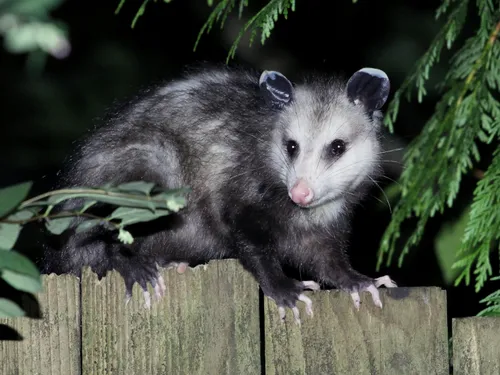
Pinnacle Wildlife Control is a wildlife removal company based in Yonkers, NY. They specialize in the removal, trapping, relocation, and exclusion of nuisance wildlife from homes and commercial buildings. Their services include preventing wildlife from re-entering properties to ensure long-term solutions. The company offers 24/7 availability, including emergency and overnight services at no extra charge, focusing on species such as bats during their active season.
First Watch Pest Control
Yonkers, NY
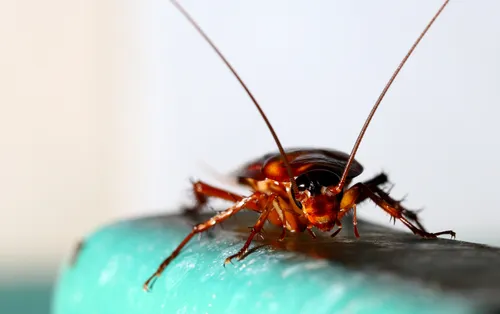
First Watch Pest Control offers comprehensive pest management services in Yonkers, NY. They handle a wide range of pests including ants, bees, wasps, bed bugs, rodents, mosquitoes, cockroaches, and wildlife such as bats. Their services include thorough inspections and support for property closings. One notable capability is their year-round pest and bug control guarantee.
Greenwich Wildlife Control
66 Pemberwick Rd, Greenwich, CT 06831
Greenwich Wildlife Control is a wildlife removal and pest control company based in Yonkers, NY. They specialize in humane trapping and relocation of animals such as squirrels, raccoons, bats, rats, and birds, focusing on safe and effective solutions without the use of poisons. The company also provides home repairs to seal wildlife entry points, helping to prevent future infestations. Their service area includes Yonkers and extends to multiple counties in the region. Greenwich Wildlife Control offers 24/7 availability for wildlife emergencies and emphasizes rodent control methods that avoid poisons.
Common Nuisance Wildlife in Danbury
The Danbury area is home to a diverse array of wildlife, and several species commonly find their way into conflicts with residents. Understanding which animal you're dealing with is the first step toward a proper solution. The most frequent culprits for nuisance wildlife control calls include mammals seeking shelter or food.
- Squirrels: Both gray squirrels and flying squirrels are adept at finding entry points into attics, soffits, and chimneys, where they can nest and cause significant gnawing damage to wires and wood.
- Raccoons: These intelligent, dexterous animals are powerful enough to tear open roof vents, siding, and chimney caps. They often seek attic spaces for denning and are considered a primary rabies-vector species in Connecticut.
- Skunks: Typically found burrowing under porches, decks, and sheds, skunks are another rabies-vector species. Their primary defense mechanism creates a memorable and persistent odor problem.
- Bats: Small colonies of little brown bats or big brown bats may roost in attics or wall voids. Their guano (droppings) can pose health risks, and they are protected by specific regulations even when they become a nuisance.
- Other Frequent Visitors: The list also includes opossums, woodchucks (groundhogs), chipmunks, moles, and rats or mice. Bird species like starlings, house sparrows, and pigeons can also create nuisances, though they are often handled under different guidelines.
Connecticut Laws and Homeowner Responsibilities
Connecticut has specific laws governing wildlife control designed to protect public health, particularly regarding rabies, and to ensure the ethical treatment of animals. It is illegal for homeowners to trap and relocate rabies-vector species, which include raccoons, skunks, and foxes. Relocating any wildlife without a permit is generally prohibited, as it can spread disease and create problems in new locations 1 2.
For immediate threats, such as an injured or aggressive animal, or if a pet is exposed to a potentially rabid animal, you should contact your local Danbury Animal Control officer. For all other live trapping, removal, or exclusion work-especially involving rabies-vector species-you must contact a licensed Nuisance Wildlife Control Operator (NWCO) or the Connecticut Department of Energy and Environmental Protection (DEEP). Shooting wildlife is heavily regulated by state and local laws and is rarely a legal or practical solution in a residential area.
What Homeowners Can Do: Prevention and Eviction
While the actual trapping and removal of many species require a professional, homeowners are encouraged and legally allowed to take proactive steps to prevent conflicts and use certain eviction methods.
Prevention is the most effective and long-term solution. This involves making your property less attractive to wildlife:
- Seal Entry Points: Carefully inspect your home's exterior for gaps, holes, or weak spots. Seal openings around chimneys, vents, roof joints, and under decks with sturdy, animal-proof materials like hardware cloth or steel flashing.
- Remove Food Sources: Secure garbage cans with tight-fitting lids, bring pet food indoors at night, and consider removing bird feeders if they are attracting squirrels or other mammals.
- Modify Habitat: Keep tree branches trimmed back from the roofline and store firewood away from the house to reduce access and shelter opportunities 3.
Eviction techniques can be used for animals that are already inside a structure, like a squirrel family in an attic. The goal is to encourage the animal to leave on its own and then permanently seal the entry. One common method is the installation of a one-way door over the main entry hole. This allows animals to exit but prevents re-entry. It is critical to ensure no young are trapped inside before using this method, and it is not legal for use on all species (like bats, which have protected status) 4 5.
The Role of a Licensed Nuisance Wildlife Control Operator (NWCO)
A licensed NWCO is a private contractor trained and authorized by the CT DEEP to handle nuisance wildlife situations legally and ethically. They are the only individuals permitted to live-trap and handle rabies-vector species 6. Their services typically follow a multi-step process:
- Inspection and Assessment: The operator will identify the species, locate entry points, and assess the extent of the problem. This initial visit may involve a fee.
- Removal and Trapping: Using methods appropriate for the species and situation-which may include live traps, one-way exclusion devices, or hands-on removal-the NWCO will remove the animals from your property.
- Exclusion and Repair: After removal, the most critical step is to seal all potential entry points to prevent future intrusions. This "animal-proofing" is essential for a permanent solution. Some companies also offer attic restoration services to clean up droppings, urine, and nesting materials and repair damaged insulation.
Find the perfect wildlife removal companies for your needs
Get personalized recommendations and expert advice
Understanding Wildlife Removal Costs in Danbury
The cost for professional animal removal in Danbury is not regulated by the state and varies between NWCOs based on the species, the complexity of the job, and the services required 7. Most companies structure their pricing around the specific services needed rather than a single flat rate.
- Inspection/Assessment Fee: Many operators charge a service call fee for the initial evaluation.
- Removal/Trapping Fee: This cost depends heavily on the animal and the method required. Removing a squirrel from an attic is different from extracting a litter of raccoons or evicting a colony of bats.
- Exclusion/Repair Work: The price for sealing entry points and making repairs is often quoted separately and can vary based on the materials needed and the labor involved. Attic restoration and clean-up is typically an additional service 8 9.
It is always advisable to get a clear, written estimate from any NWCO you contact. You can search for licensed operators serving Danbury through resources like 211 Connecticut 10.
Choosing the Right Wildlife Control Professional
When your home is invaded by wildlife, you want a capable and trustworthy professional. Always verify that the individual or company is currently licensed by the CT DEEP as a Nuisance Wildlife Control Operator 11 12. You can ask for their license number and confirm it with the state. A reputable operator will provide a detailed plan explaining how they will remove the animals, what will be done to prevent their return, and a clear breakdown of costs. They should also be knowledgeable about state laws and humane wildlife management practices. Be wary of anyone who suggests immediately lethal methods without exploring other options or who cannot explain the legalities of their proposed actions 12.
Frequently asked questions
Sources
Footnotes
-
Remove Or "Take" Nuisance Animals Legally - NYSDEC - https://dec.ny.gov/nature/animals-fish-plants/nuisance-wildlife-species/remove-take-legally ↩
-
Public Act Summary for 97-255 - CGA.ct.gov - https://www.cga.ct.gov/ps97/sum/sum0255.htm ↩
-
Danbury Wildlife Control / Connecticut Animal Removal - http://www.aaanimalcontrol.com/professional-trapper/city/CT-Danbury.htm ↩
-
Common Wildlife Problems - CT.gov - https://portal.ct.gov/deep/wildlife/nuisance-wildlife/common-wildlife-problems ↩
-
Nuisance Wildlife Control and Rabies Brochure - CT.gov - https://portal.ct.gov/-/media/deep/wildlife/pdf_files/nwco/nwcobrochurepdf.pdf ↩
-
Sec. 26-47-1. Licensed nuisance wildlife control operators - https://eregulations.ct.gov/eRegsPortal/Browse/RCSA/Title_26Subtitle_26-47Section_26-47-1/ ↩
-
Danbury, Connecticut - Pest Wildlife Removal - https://www.pestwildliferemoval.com/connecticut/danbury-wildlife-removal/ ↩
-
Prices for Danbury Wildlife Pest Control Animal Trapping - http://www.aaanimalcontrol.com/Professional-Trapper/prices/CT-Danbury-prices.htm ↩
-
Danbury Wildlife Animal Control - Removal Trappers - http://www.wildlifeanimalcontrol.com/Danbury.html ↩
-
Nuisance Wildlife Control Operator - United Way of Connecticut - https://uwc.211ct.org/nuisance-wildlife-control-operator/ ↩
-
Professional Nuisance Wildlife Control - https://portal.ct.gov/deep/wildlife/nuisance-wildlife/professional-nuisance-wildlife-control ↩
-
Before you hire a Nuisance Wildlife Control Operator (NWCO) - CT.gov - https://portal.ct.gov/-/media/DEEP/wildlife/pdf_files/nwco/NWCOGuidelinesforhomeownerpdf.pdf ↩ ↩2