Find the Best Wildlife Removal Companies for Your Business
No obligation • Fast responses • Nationwide coverage

Why you can trust Pest Crews
Pest Crews is a leading U.S. resource for finding and evaluating residential and commercial pest control services. Our team researches providers, reviews treatment approaches, and organizes unbiased information to help you make informed decisions. Companies cannot pay to change our editorial content or influence how they appear.
Search providers near you
Top Wildlife Removal Companies in Fairfield, Connecticut Ranked
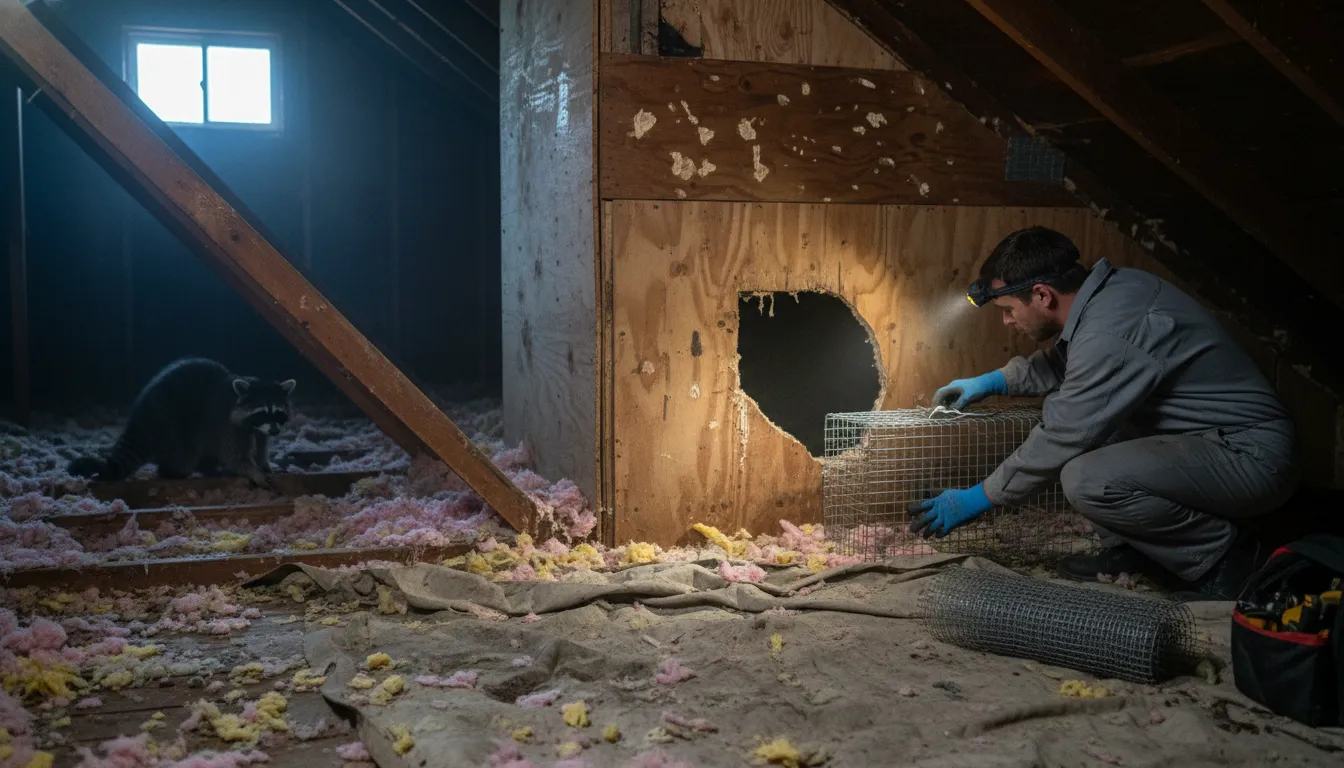
When wildlife like raccoons, squirrels, or bats move into your attic, chimney, or under your deck, it's more than a nuisance-it can pose health risks and cause significant property damage. Professional wildlife removal addresses these conflicts safely and humanely, following strict state regulations designed to protect both people and animals. This guide explains Connecticut's specific rules, costs, and how to find qualified local professionals to resolve your wildlife issue effectively.
EZ Wildlife Management
Yonkers, NY
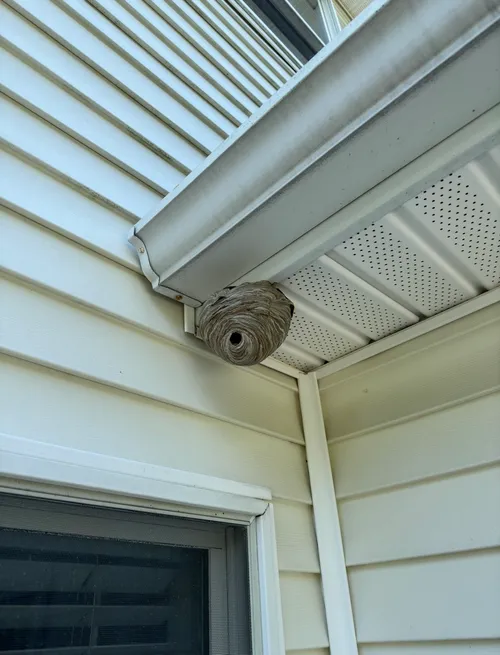
EZ Wildlife Management provides pest control and wildlife removal services in Yonkers, NY. They offer eco-friendly and sustainable solutions to manage pests like ants, cockroaches, and rodents, as well as humane removal of larger wildlife such as raccoons and squirrels. Their licensed team uses EPA-approved treatments and live traps to protect properties while minimizing environmental impact. Serving New York City, Westchester County, and Bronx County, EZ Wildlife Management focuses on long-term pest prevention through routine maintenance and sealing entry points.
Eliminate 'Em Pest Control Services
777 Westchester Ave Suit 101, White Plains, NY 10604
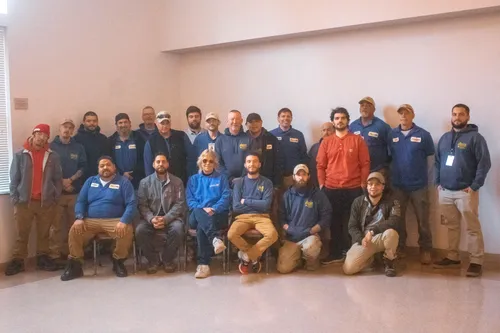
Eliminate 'Em Pest Control Services is a family-owned pest control company serving Yonkers, NY, and the surrounding areas. They provide residential, commercial, and industrial pest control, specializing in the removal of cockroaches, ants, rodents, termites, and wildlife. The company uses EPA-approved, eco-friendly methods and offers same-day service with licensed and certified technicians. With over 35 years of experience, Eliminate 'Em emphasizes humane treatment of pests and animals while ensuring effective pest removal. They also provide 24/7/365 availability for urgent pest control needs.
Wildlife Removal Services
New York, NY
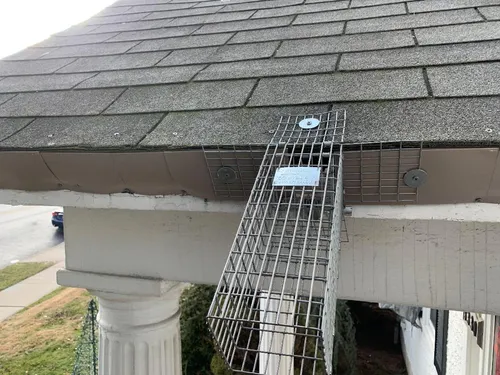
Wildlife Removal Services is a company based in New York, NY, specializing in the safe and humane removal of wildlife. They serve a wide range of locations across New York and nearby areas, providing expert wildlife control solutions. Their services include trapping and relocating various types of wildlife to ensure both safety and compliance with local regulations.
Supra Exterminator
179 W Hills Rd, Huntington Station, NY 11746
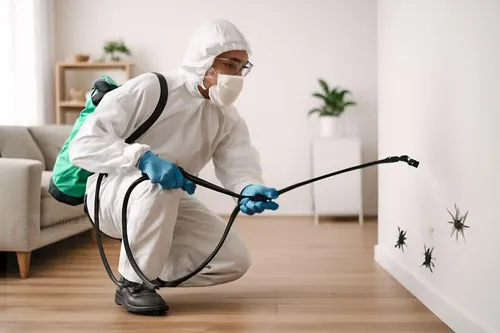
Supra Exterminator is a pest control and wildlife removal company serving New York, NY, and surrounding counties including Nassau, Suffolk, and Queens. They provide residential and commercial pest management services, including ant, rodent, termite, bed bug, cockroach, bee, wasp, and wildlife control. Their approach involves thorough inspections, personalized treatment plans using family-safe, state-approved products, and prevention measures such as exterior proofing and scheduled follow-ups. With over 25 years of experience, Supra Exterminator is licensed, insured, and locally owned. They also offer 24/7 emergency support for urgent pest issues.
Allied Wildlife Removal
New York, NY
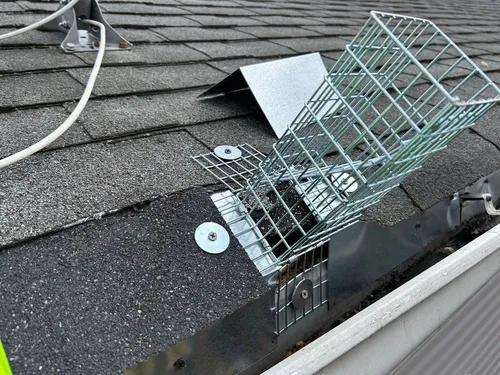
Allied Wildlife Removal is a bird and wildlife control company based in New York, NY. They provide humane removal and control services for various wildlife species including raccoons, squirrels, skunks, snakes, opossums, coyotes, and birds. Serving Long Island, NYC, the five boroughs, Nassau County, and Suffolk County, they focus on safe removal and prevention, including clean and disinfected disposal of animal corpses. The company is women-owned and bilingual, offering expert trapping and removal services with a commitment to animal welfare.
Understanding Connecticut's Wildlife Removal Regulations
In Connecticut, all commercial wildlife control activities are regulated by the Department of Energy and Environmental Protection (DEEP). The state requires anyone in the business of controlling nuisance wildlife for hire to be a licensed Nuisance Wildlife Control Operator (NWCO) 1. This licensing ensures operators are trained in legal, ethical, and humane methods. Homeowners addressing problems on their own property are generally exempt from needing a license, but they must still comply with all state and local laws regarding wildlife.
The regulations are designed to balance human needs with wildlife conservation. Certain species have special protections, and the methods used for capture, relocation, or euthanasia are strictly defined. Hiring a licensed NWCO is the safest way to ensure your wildlife problem is resolved legally and without inadvertently harming protected species or violating public health rules.
Protected and Nuisance Species: What You Can and Can't Remove
Connecticut classifies wildlife into different categories, which dictates how they can be managed. Knowing these categories helps you understand what a professional can do for your specific situation.
Federally and State Protected Species The removal of any state or federally listed endangered or threatened species is strictly prohibited without specific, rare authorization from wildlife agencies. Examples in Connecticut include species like the bald eagle or timber rattlesnake. If you suspect a protected animal is on your property, contact the DEEP directly for guidance.
Rabies Vector Species (RVS) Raccoons, skunks, and foxes are designated as Rabies Vector Species in Connecticut. Due to public health concerns, the relocation of these animals is generally prohibited. If trapped, they must be released on-site or humanely euthanized according to state guidelines. Removal is typically only advised if the animal is inside a living space, causing property damage, or posing a direct threat 2.
Permit-Required Species A special permit from the DEEP is required to trap or kill species not on the general nuisance list. This includes foxes, coyotes, beaver, fisher, muskrat, mink, and otter. A licensed NWCO will obtain these permits as part of their service when necessary.
Common Nuisance Species Many typical home-invading animals fall into this category. NWCOs can manage species like gray squirrels, chipmunks, opossums, woodchucks (groundhogs), bats, and common birds (e.g., starlings, house sparrows, pigeons) under their general license without an additional special permit 3. These are the animals most often involved in removal services.
Rules for Homeowners vs. Hiring a Professional
The state has different expectations for do-it-yourself efforts versus hired services. The table below summarizes key differences 4 5:
| Rule Aspect | Homeowners (DIY) | Businesses/Hired Professionals |
|---|---|---|
| Licensing | Not required for the property owner on their own land. | A DEEP NWCO license is mandatory for anyone in the business of wildlife control. |
| Methods | Non-lethal methods (exclusion, harassment, habitat modification) are strongly recommended. Lethal methods must comply with all state and local laws (e.g., firearms ordinances). | Must use DEEP-approved methods. Humane euthanasia must follow American Veterinary Medical Association guidelines. |
| Permits | May be issued for wildlife causing agricultural damage after demonstrating non-lethal efforts failed. | NWCOs must secure special DEEP permits for species not on the general nuisance list. |
| Reporting | No specific reporting requirements. | NWCOs must file annual reports with the DEEP detailing species, location, and methods used. |
For homeowners, the emphasis is on prevention and non-lethal solutions. The DEEP provides extensive resources on how to humanely discourage wildlife through exclusion (sealing entry points) and making your property less attractive 6. If lethal control is deemed necessary, you are responsible for understanding and following all regulations.
Find the perfect wildlife removal companies for your needs
Get personalized recommendations and expert advice
What Wildlife Removal Services Include and Typical Costs
A comprehensive wildlife control service involves more than just trapping an animal. A reputable professional will typically follow a multi-step process:
- Inspection and Assessment: Identifying the species, entry points, and extent of the problem.
- Humane Removal: Using appropriate, legal methods to remove the animal(s).
- Exclusion and Prevention: Sealing all potential entry points to prevent re-entry. This is the most critical long-term step.
- Cleanup and Sanitation: Removing contaminated insulation, droppings, and nesting materials, and applying disinfectants to mitigate health hazards.
- Restoration: Repairing damage caused by the wildlife, such as chewed wires, torn vents, or soiled insulation.
Costs in Connecticut vary widely based on the species, number of animals, accessibility of the infestation, and extent of damage and repairs needed. NWCOs set their own fees, so getting multiple written estimates is highly recommended 7.
- Small Jobs (e.g., single animal removal): $200 - $499
- Medium Jobs (e.g., multiple animals, minor exclusion work): $500 - $1,000
- Large Jobs/Infestations (e.g., full attic cleanup, bat colony exclusion, major repairs): $1,000+
Species-Specific Average Cost Ranges (can be per animal or total job cost) 8 9 10:
- Squirrels: $200 - $600
- Raccoons: $300 - $600
- Bats: $500 - $1,500 for a colony (often involves exclusion and cleanup)
- Skunks: $300 - $600
It's important to note that homeowners insurance typically does not cover the cost of animal removal itself. However, some policies may cover related property damage repairs and cleanup, so it's worth checking with your insurer 11.
How to Choose a Qualified Wildlife Removal Provider in Connecticut
Selecting the right professional is crucial for a safe, legal, and permanent solution. Here are key steps to take:
- Verify DEEP Licensing: Always ask for their DEEP Nuisance Wildlife Control Operator license number and verify it. You can confirm an operator's status through DEEP resources 12.
- Ask About Insurance: Ensure the company carries liability insurance to protect you in case of accidental damage to your property.
- Get a Detailed, Written Estimate: The estimate should clearly break down costs for inspection, removal, exclusion, cleanup, and any repairs. Beware of lowball quotes that may only cover trapping, leaving you with unsealed entry points.
- Inquire About Methods and Guarantees: Ask what humane methods they use and what their guarantee covers. A reputable company should guarantee their exclusion work for a period of time.
- Check for Memberships: While not required, membership in professional organizations like the National Wildlife Control Operators Association (NWCOA) indicates a commitment to ongoing education and best practices.
- Understand the Plan: A good operator will explain exactly what they will do, why, and what you can expect. They should prioritize permanent exclusion over repeated trapping.
Preventing Future Wildlife Conflicts
Once your immediate problem is solved, long-term prevention is key. Simple steps can make your property less inviting:
- Secure Food Sources: Keep trash in sealed, animal-proof containers. Do not leave pet food outdoors. Use bird feeders that are squirrel-resistant or place them away from the house.
- Eliminate Shelter: Seal off crawl spaces, install chimney caps, and repair broken vents or soffits. Trim tree branches that overhang your roof.
- Manage Habitat: Keep woodpiles away from your home's foundation. Clear dense brush and debris where small animals can nest.
By combining professional removal with diligent prevention, you can protect your Connecticut home from future wildlife conflicts.
Frequently asked questions
Sources
Footnotes
-
Professional Nuisance Wildlife Control - CT.gov - https://portal.ct.gov/deep/wildlife/nuisance-wildlife/professional-nuisance-wildlife-control ↩
-
Nuisance Wildlife Control and Rabies Brochure - Voluntown, CT - https://www.voluntown.gov/DocumentCenter/View/235/Nuisance-Wildlife-Control-and-Rabies-Brochure-PDF ↩
-
File No. 712 - Connecticut General Assembly - https://www.cga.ct.gov/2025/fc/pdf/2025SB-01523-R000712-FC.pdf ↩
-
Sec. 26-47-1. Licensed nuisance wildlife control operators - https://eregulations.ct.gov/eRegsPortal/Browse/RCSA/Title_26Subtitle_26-47Section_26-47-1/ ↩
-
Common Wildlife Problems - CT.gov - https://portal.ct.gov/deep/wildlife/nuisance-wildlife/common-wildlife-problems ↩
-
January 2021 - https://www.granby-ct.gov/Archive/ViewFile/Item/89 ↩
-
Before you hire a Nuisance Wildlife Control Operator (NWCO) - https://portal.ct.gov/-/media/DEEP/wildlife/pdf_files/nwco/NWCOGuidelinesforhomeownerpdf.pdf ↩
-
New Britain Connecticut Prices for Wildlife Control - https://www.pestcontrolwildlife.com/New-Britain-Connecticut-prices.html ↩
-
Prices for Hartford Wildlife Pest Control Animal Trapping - http://www.aaanimalcontrol.com/professional-trapper/prices/CT-Hartford-prices.htm ↩
-
The Cost of Wildlife Removal: What You Need to Know - https://coastalwildlifeservices.com/cost-of-wildlife-removal/ ↩
-
How Much Does Animal & Wildlife Removal Cost? (2026) - https://homeguide.com/costs/animal-and-wildlife-removal-costs ↩
-
Professional Nuisance Wildlife Control - CT.gov - https://portal.ct.gov/deep/wildlife/nuisance-wildlife/professional-nuisance-wildlife-control ↩