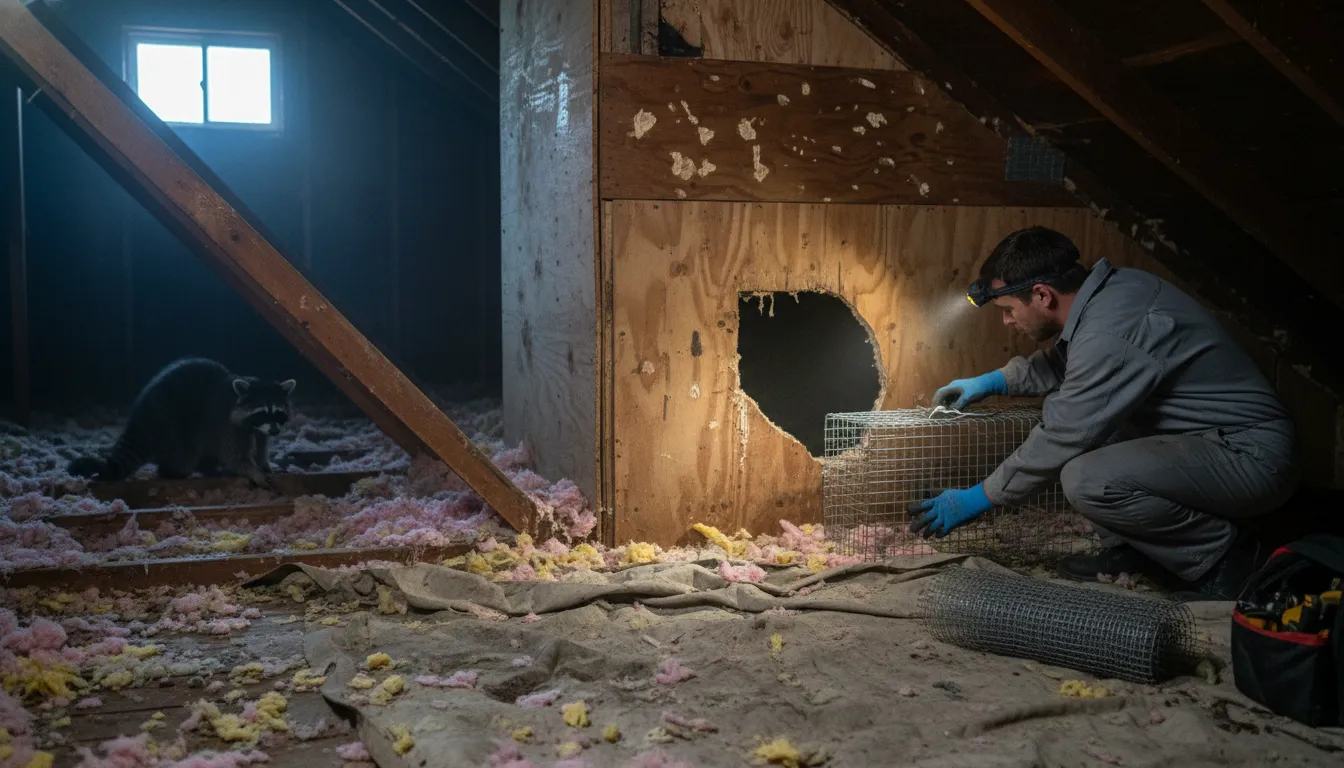
Find the Best Wildlife Removal Companies for Your Business
No obligation • Fast responses • Nationwide coverage

Why you can trust Pest Crews
Pest Crews is a leading U.S. resource for finding and evaluating residential and commercial pest control services. Our team researches providers, reviews treatment approaches, and organizes unbiased information to help you make informed decisions. Companies cannot pay to change our editorial content or influence how they appear.
Search providers near you
Top Wildlife Removal Companies in Greenwich, Connecticut Ranked
Discovering a wild animal in your attic, chimney, or under your deck can be unsettling. In Greenwich, managing these encounters requires specific knowledge of Connecticut's wildlife laws and humane control practices. Professional wildlife removal services focus on safely evicting animals, preventing their return, and protecting your property from damage. This guide explains the common nuisance species in our area, the legal and practical steps for removal, and how to find qualified local experts to resolve your wildlife issue effectively.
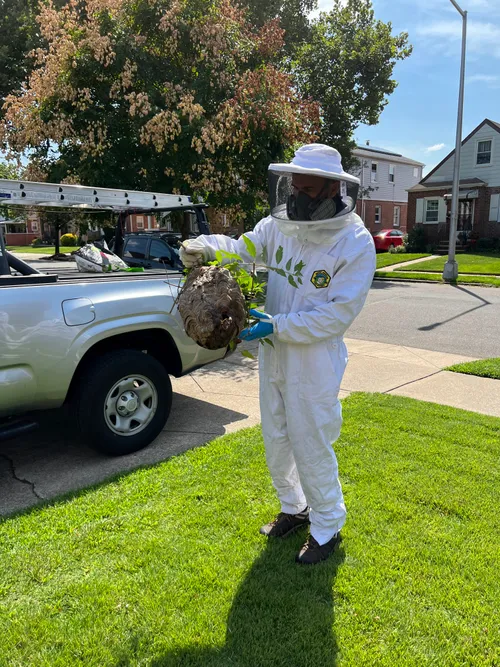
GoSafe Pest Control LLC
264-07 Langston Ave unit B, Glen Oaks, NY 11004
GoSafe Pest Control LLC is a locally owned pest control company serving New York, NY. They provide a range of pest management services including bed bug treatment, cockroach and ant control, rodent control, termite inspections, mosquito control, bee and wasp removal, bird and pigeon control, and wildlife removal. The company offers eco-friendly solutions tailored to client schedules, with options for weekly to seasonal visits.
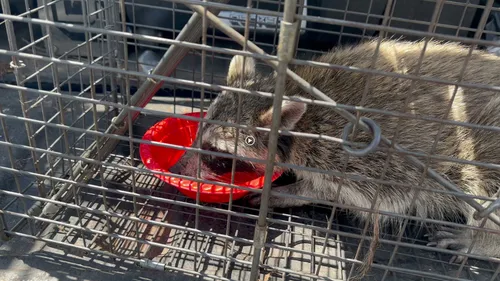
800-Raccoon Pest & Wildlife Control
32-07 Astoria Blvd N, Astoria, NY 11102
800-Raccoon Pest & Wildlife Control is a family-owned pest control company serving New York, NY, with over 45 years of experience. They offer comprehensive pest management services including rodent control, termite inspections, mosquito control, and humane wildlife removal for both residential and commercial properties. Their approach covers all aspects of pest prevention and treatment to protect homes and businesses effectively. The company emphasizes a thorough, multi-step process to ensure complete pest protection and peace of mind for their clients.
Optimum Pest Control
2444 Boston Post Rd Suite 1020, Larchmont, NY 10538
Optimum Pest Control is a pest control company serving Yonkers, NY, and the broader Westchester region. They offer services including cockroach, ant, rodent, termite, bird, and wildlife removal. The company provides personalized pest management plans and uses green, family- and pet-friendly treatments with integrated pest management techniques. A notable capability is their use of video monitoring to enhance rodent control programs. With over 20 years of experience, Optimum Pest Control combines advanced methods with environmental awareness to address pest issues effectively.
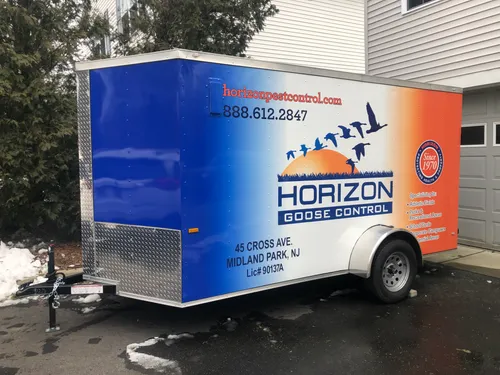
Horizon Pest Control
45 Cross Ave, Midland Park, NJ 07432
Horizon Pest Control is a family-owned pest control company serving New York, NY, and New Jersey. Established in 1970, they provide residential and commercial pest management services including bed bug treatment, ant control, rodent removal, termite inspections, mosquito control, and wildlife removal. Their licensed technicians use advanced, EPA-approved products to ensure safe and effective pest control. Horizon Pest Control offers comprehensive protection plans covering over 40 common pests and guarantees follow-up service if pests return. They serve multiple counties in New Jersey and New York, including Bronx, Manhattan, Brooklyn, and Queens.
Excel Pest Services
1020 Teaneck Rd, Teaneck, NJ 07666
Excel Pest Services is a pest control company based near New York, NY, specializing in comprehensive pest management for both residential and commercial clients in Bergen County. With over 30 years of experience, they address common local pests including ants, rodents, termites, bed bugs, mosquitoes, and wildlife. Their termite control includes thorough inspections and tailored treatments such as liquid barriers and bait stations. Rodent control involves detailed inspections, sealing entry points, and strategic trapping or baiting. Bed bug services feature thorough inspections and treatments targeting all life stages, with follow-up visits to ensure effectiveness. They use eco-friendly methods and integrated pest management strategies to provide long-term protection.
Common Nuisance Wildlife in Greenwich
Greenwich's mix of wooded areas, parks, and residential neighborhoods creates ideal habitats for many species that can become problematic when they seek food and shelter in our homes. Understanding which animals you're dealing with is the first step toward a solution.
Mammals are the most frequent culprits. Raccoons are intelligent and dexterous, known for tearing into roof vents or uncapping chimneys. Squirrels, both gray and flying, can chew through siding and wires to access attics. Skunks may burrow under sheds or decks, while bats can colonize in quiet attic spaces. Other common mammals include opossums, woodchucks (groundhogs), chipmunks, moles, and weasels.
Birds and Reptiles also pose issues. Pigeons, starlings, and house sparrows often nest in building eaves, vents, and attics, leading to droppings and debris 1. Snakes, except for protected species like the timber rattlesnake and black rat snake, may enter basements or crawl spaces in search of prey or shelter.
Why Professional Wildlife Control is Essential
Attempting to handle a wild animal on your own can be dangerous and often violates state regulations. Connecticut has strict laws governing the handling of wildlife, particularly species considered rabies vectors.
Legal Compliance: The removal and relocation of rabies-vector species-including raccoons, skunks, foxes, and bats-are heavily regulated. In many cases, relocating these animals is illegal due to the risk of spreading disease. Licensed Nuisance Wildlife Control Operators (NWCOs) are trained in these laws and authorized to perform evictions, exclusions, or euthanasia when necessary for health and safety threats 2.
Humane and Effective Solutions: Professionals use proven, humane methods. This involves identifying all active entry points, installing one-way exclusion devices that allow animals to leave but not return, and then permanently sealing the home. They also know how to identify if young animals (like baby raccoons or squirrels) are present, which requires a different, more careful approach to avoid orphaning.
Health and Safety Risks: Wildlife can carry diseases transmissible to humans and pets, such as rabies, leptospirosis, and histoplasmosis (from bat guano). Professionals have the protective equipment and protocols to manage these risks safely. They also handle the cleanup and decontamination of affected areas, which is crucial after an infestation.
The Wildlife Removal Process: What to Expect
A professional wildlife control service in Greenwich typically follows a multi-step process to ensure the problem is solved completely and humanely.
- Inspection and Assessment: The technician will conduct a thorough inspection of your property's exterior and interior (attic, crawl spaces) to identify the species, locate all entry and exit points, and assess the extent of the infestation and any damage.
- Eviction and Exclusion: This is the core of humane removal. For many animals, one-way doors or cones are installed over the primary entry hole. These allow animals to exit to forage but prevent re-entry. It is critical that all other potential entry points are sealed first; otherwise, animals may become trapped inside or simply find another way in. For species like bats, which are protected, exclusion is only permitted during specific times of the year when young are not present.
- Trapping (When Necessary): Live trapping is a tool of last resort and is strictly regulated. It is generally not permitted for rabies-vector species and is only used for others (like squirrels or chipmunks) when exclusion is not feasible. Even then, state laws severely restrict where and how these animals can be relocated 3.
- Proofing and Repair: Once the technician confirms all animals have left, the one-way devices are removed. Then, all entry points are permanently sealed with durable materials like steel mesh, hardware cloth, or chimney caps. This step, known as wildlife proofing, is essential to prevent future problems 4.
- Cleanup and Decontamination: For significant infestations, especially from raccoons or bats, attic insulation may be soiled with droppings, urine, and nesting material. Professionals can remove contaminated insulation, sanitize the area, and discuss reinsulation options.
Find the perfect wildlife removal companies for your needs
Get personalized recommendations and expert advice
DIY Prevention and When to Call a Pro
Homeowners can take several proactive steps to make their properties less attractive to wildlife and prevent conflicts.
Effective Prevention Strategies:
- Remove Food Sources: Secure trash cans with locking lids, use feeders designed to be squirrel-proof, and avoid leaving pet food outdoors.
- Eliminate Shelter: Seal openings in your home's exterior, including gaps around soffits, roof vents, and utility lines. Install chimney caps and vent covers made of sturdy, animal-proof materials.
- Modify the Habitat: Keep tree branches trimmed back from the roofline, store firewood away from the house, and fill in burrow holes near foundations once you are sure they are empty 5.
When to Immediately Call a Professional:
- Sick or Aggressive Animals: If you encounter an animal that is acting disoriented, paralyzed, or unusually aggressive, do not approach it. This could be a sign of rabies. Contact your local Animal Control Officer (ACO) immediately for safe capture and testing.
- Rabies-Vector Species in Living Spaces: For raccoons, skunks, foxes, or bats inside your home, a licensed NWCO is the safest and most legal option for removal 6.
- Complex Infestations: If you hear noises in the walls or attic, see signs of a large nest, or discover significant contamination (like bat guano), professional equipment and expertise are required for safe and complete resolution.
- Failed DIY Attempts: If you've tried to exclude animals yourself but they remain or quickly return, a professional can identify hidden entry points or behavioral factors you may have missed.
Understanding Costs for Wildlife Control in Greenwich
The cost of animal removal and exclusion in Greenwich varies widely based on the species, the complexity of the job, and the extent of repairs needed. Here is a general overview based on local service data:
- Basic Removal: For a single animal like a skunk under a deck or a squirrel in a chimney, services often start in the range of $100 to $300.
- Standard Infestation with Exclusion: A common scenario like removing a family of raccoons or squirrels from an attic and performing basic exclusion and sealing typically falls between $300 and $600.
- Major Remediation Projects: Jobs requiring attic decontamination, removal of soiled insulation, extensive sealing repairs, or dealing with large bat colonies can cost $600 and significantly higher, depending on the square footage and materials required 7 8.
Always request a detailed, written estimate from any service provider. A reputable company will explain exactly what the quoted price includes, such as inspection, removal, exclusion, cleanup, and any warranty on their work.
Choosing a Qualified Greenwich Wildlife Removal Service
Not all pest control companies are equipped or licensed for wildlife work. When searching for help, look for these key qualifications:
- CT NWCO License: Ensure the company holds a current Nuisance Wildlife Control Operator license from the Connecticut Department of Energy and Environmental Protection (DEEP). This certifies they are trained in legal, humane, and safe practices 9 10.
- Insurance and Warranties: Verify the company carries liability insurance. Ask about warranties on their exclusion work-a reputable operator should guarantee their repairs for a period of time (e.g., one to two years).
- Humane Methods Focus: Inquire about their specific removal techniques. They should emphasize exclusion and prevention over trapping and should be knowledgeable about state laws regarding relocation.
- Local Experience: A company familiar with Greenwich's specific wildlife patterns, housing styles, and local regulations will be more efficient and effective.
Frequently asked questions
Sources
Footnotes
-
Professional Wildlife Removal Services in Greenwich, CT - https://www.graybrotherswildlife.com/wildlife-removal-in-greenwich-ct-humane-fast-and-professional-services/ ↩
-
Public Act Summary for 97-255 - CGA.ct.gov - https://www.cga.ct.gov/ps97/sum/sum0255.htm ↩
-
Remove Or "Take" Nuisance Animals Legally - NYSDEC - https://dec.ny.gov/nature/animals-fish-plants/nuisance-wildlife-species/remove-take-legally ↩
-
Greenwich Wildlife Animal Control - Wildlife Animal Control - http://www.wildlifeanimalcontrol.com/Greenwich.html ↩
-
Greenwich Wildlife Control / Connecticut Animal Removal - http://www.aaanimalcontrol.com/professional-trapper/city/CT-Greenwich.htm ↩
-
Nuisance Wildlife Control and Rabies Brochure - CT.gov - https://portal.ct.gov/-/media/deep/wildlife/pdf_files/nwco/nwcobrochurepdf.pdf ↩
-
Common Wildlife Problems - CT.gov - https://portal.ct.gov/deep/wildlife/nuisance-wildlife/common-wildlife-problems ↩
-
Prices for Greenwich Wildlife Pest Control Animal Trapping - http://www.aaanimalcontrol.com/Professional-Trapper/prices/CT-Greenwich-prices.htm ↩
-
Sec. 26-47-1. Licensed nuisance wildlife control operators - https://eregulations.ct.gov/eRegsPortal/Browse/RCSA/Title_26Subtitle_26-47Section_26-47-1/ ↩
-
Nuisance Wildlife Control Operator - United Way of Connecticut - https://uwc.211ct.org/nuisance-wildlife-control-operator/ ↩