Find the Best Wildlife Removal Companies for Your Business
No obligation • Fast responses • Nationwide coverage

Why you can trust Pest Crews
Pest Crews is a leading U.S. resource for finding and evaluating residential and commercial pest control services. Our team researches providers, reviews treatment approaches, and organizes unbiased information to help you make informed decisions. Companies cannot pay to change our editorial content or influence how they appear.
Search providers near you
Top Wildlife Removal Companies in Milford, Connecticut Ranked
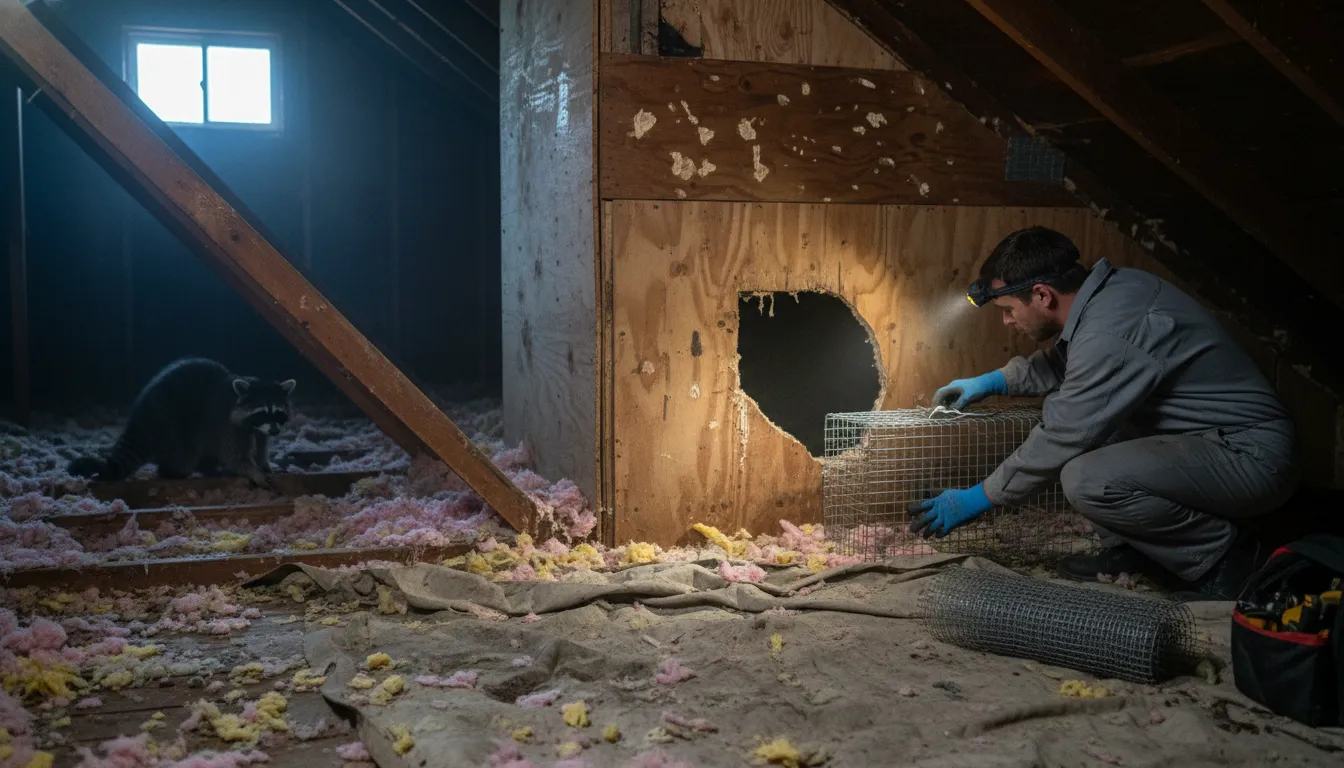
Discovering a raccoon in your attic or a family of squirrels in your walls can be unsettling and damaging. Wildlife removal in Milford involves the safe, legal, and humane management of nuisance animals that have entered homes or businesses. This service is critical for protecting your property from damage and your family from potential health risks. This guide will help you understand your options, from prevention to professional intervention, so you can effectively address any wildlife conflict.
Wildlife Removal Services
New York, NY
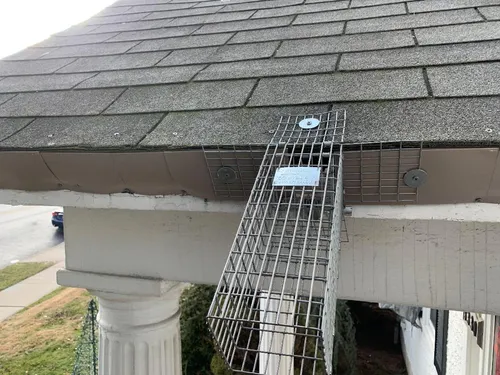
Wildlife Removal Services is a company based in New York, NY, specializing in the safe and humane removal of wildlife. They serve a wide range of locations across New York and nearby areas, providing expert wildlife control solutions. Their services include trapping and relocating various types of wildlife to ensure both safety and compliance with local regulations.
Allied Wildlife Removal
New York, NY
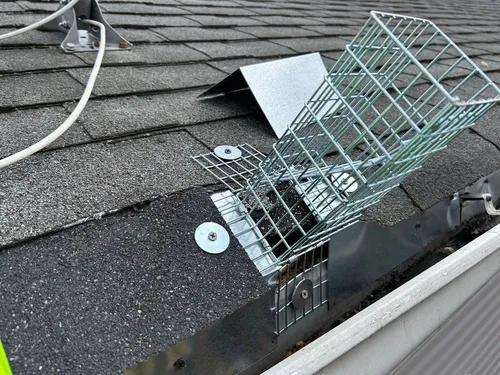
Allied Wildlife Removal is a bird and wildlife control company based in New York, NY. They provide humane removal and control services for various wildlife species including raccoons, squirrels, skunks, snakes, opossums, coyotes, and birds. Serving Long Island, NYC, the five boroughs, Nassau County, and Suffolk County, they focus on safe removal and prevention, including clean and disinfected disposal of animal corpses. The company is women-owned and bilingual, offering expert trapping and removal services with a commitment to animal welfare.
Common Nuisance Wildlife in Milford
Milford's mix of suburban neighborhoods, wooded areas, and coastline creates ideal habitats for many species that can become problematic when they seek food and shelter in our structures. Knowing which animal you're dealing with is the first step toward a solution.
Mammals:
- Raccoons: Intelligent and dexterous, they are common attic invaders and notorious for tipping over garbage cans.
- Squirrels: Both gray and red squirrels can chew through siding, soffits, and electrical wiring to nest in attics.
- Skunks & Opossums: Often found under decks, sheds, or porches, with skunks posing a well-known defensive risk.
- Bats: Small colonies may roost in attics or wall voids; their removal is highly regulated due to their protected status and rabies vector potential.
- Rodents: House mice and rats seek warmth and food indoors, often year-round.
- Other: You may also encounter groundhogs (woodchucks), moles, foxes, and coyotes on larger properties 1.
Birds and Reptiles:
- Birds: Pigeons, starlings, and house sparrows can nest in vents, chimneys, and eaves, creating noise and sanitation issues.
- Snakes: Both non-venomous and venomous species can be found; identification is crucial for safe handling.
Understanding Your Options: DIY vs. Professional Help
When wildlife becomes a nuisance, you generally have two paths: attempting do-it-yourself (DIY) exclusion or hiring a licensed professional. The right choice depends on the species, the location of the problem, and state regulations.
The DIY Approach: Prevention and Simple Exclusion
For minor issues or as a proactive measure, homeowners can take several steps.
- Remove Attractants: Secure garbage cans with locking lids, remove pet food from outdoors, and take down bird feeders.
- Seal Entry Points: Carefully inspect your home's exterior for gaps, holes, or rotten wood. Seal openings under decks, sheds, and around the roofline with appropriate materials like hardware cloth or steel wool.
- Use Eviction Techniques: For animals like raccoons or squirrels that are actively living in an attic, one-way doors (exclusion devices) can allow them to leave but not re-enter. This must be done only when you are certain no young are trapped inside.
Critical Legal Note: In Connecticut, it is illegal to live-trap and relocate rabies vector species, which include raccoons, skunks, foxes, and bats. Relocating these animals is a violation of state law and can spread disease. Furthermore, trapping and shooting wildlife are subject to state hunting seasons and local firearm ordinances.
When to Call a Professional Wildlife Control Operator
DIY methods are not always sufficient or legal. You should contact a licensed Nuisance Wildlife Control Operator (NWCO) for:
- Removal of rabies vector species from inside a structure.
- Complex situations involving bats or birds, which often require specialized exclusion techniques and may be federally protected.
- Animals trapped in walls, chimneys, or other hard-to-reach areas.
- When you need permanent animal-proofing and repair of damage.
- If previous DIY attempts have failed.
When to Contact Milford Animal Control
It's important to distinguish between a nuisance situation and an emergency. Milford Animal Control handles emergencies, not general nuisance removal. Contact them immediately for:
- A pet or livestock that has been exposed to or bitten by a potentially rabid animal.
- Wildlife that is visibly injured, sick, or acting strangely (a potential rabies threat).
- An animal that is posing an immediate, aggressive threat to public safety 2.
Find the perfect wildlife removal companies for your needs
Get personalized recommendations and expert advice
The Professional Wildlife Removal Process
A professional NWCO follows a systematic approach to ensure the problem is solved permanently and humanely.
- Inspection and Assessment: The operator will identify the species, locate all entry points, and assess the extent of the infestation and damage.
- Removal/Eviction: Using legal methods appropriate for the species, such as one-way doors or specialized trapping, the animals are removed from the structure.
- Clean-up and Decontamination: This critical step involves removing nesting materials, droppings, and urine-soaked insulation. Professionals use industrial-grade cleaners and disinfectants to eliminate health hazards and odors.
- Exclusion and Repair: All entry points are sealed with durable materials like steel flashing or hardware cloth to prevent re-entry. This may also involve repairing chewed wires, damaged vents, or compromised siding.
- Follow-up: Many reputable companies offer a warranty period and will return to ensure the exclusion is holding and no new activity is present.
What to Expect: Costs of Wildlife Control in Milford
The cost of animal removal and control varies widely based on the species, the complexity of the job, and the extent of damage. Here is a general overview of pricing in the Milford area3 4 5:
- Simple Trapping or Removal: For a basic removal of a single animal (e.g., a raccoon from a chimney), you might expect costs ranging from $200 to $400 or more per animal or visit.
- Complex Infestations and Full Exclusion: Jobs involving animals in attics or walls, especially those requiring decontamination and sealing, are more involved. For a complete service including removal, clean-out, sanitization, and sealing all entry points, costs typically range from $500 to over $1,000. Bat or bird exclusion, which requires meticulous sealing of many small gaps, often falls on the higher end of this scale.
- Rodent Control: For mice or rats, services are often sold as a plan that includes an initial assessment, trapping, exclusion work, and follow-up visits, with pricing structured accordingly.
Always get a detailed, written estimate that breaks down inspection, removal, repairs, and any warranty before work begins.
Finding a Qualified Professional in Milford
Choosing the right operator is essential for a safe, legal, and effective outcome.
- Verify Licensing: Ensure the company is licensed by the Connecticut Department of Energy and Environmental Protection (DEEP) as a Nuisance Wildlife Control Operator6. You can verify licenses through the CT DEEP Wildlife Division.
- Ask About Methods: A reputable professional will explain their humane removal and exclusion techniques, not just trapping.
- Check for Insurance: Confirm they carry liability insurance to cover any accidental damage to your property.
- Get Everything in Writing: The estimate, scope of work, warranty details, and any guarantees should be provided in a contract7.
For a list of licensed professionals, you can consult the CT DEEP website or other trusted local directories8 9.
Prevention: Your First Line of Defense
Stopping wildlife problems before they start is the most effective and cost-efficient strategy. Conduct seasonal inspections of your home's exterior, paying close attention to the roofline, vents, and foundation. Install chimney caps and stovepipe guards. Keep tree branches trimmed back from the roof, and ensure crawlspace vents are intact. By making your property less inviting, you can avoid most conflicts with local wildlife10 11.
Frequently asked questions
Sources
Footnotes
-
Milford Wildlife Control / Connecticut Animal Removal - http://www.aaanimalcontrol.com/professional-trapper/city/CT-Milford.htm ↩
-
Wildlife Issue | Milford, CT - https://www.milfordct.us/195/Wildlife-Issue ↩
-
Milford Wildlife Removal, Pest Animal Control CT - http://www.wildlife-removal.com/city/CT-Milford.htm ↩
-
Prices for Milford Wildlife Pest Control Animal Trapping - http://www.aaanimalcontrol.com/professional-trapper/prices/CT-Milford-prices.htm ↩
-
Wildlife Removal New Milford, CT - https://ctwildlifecontrol.com/ ↩
-
Sec. 26-47-1. Licensed nuisance wildlife control operators - https://eregulations.ct.gov/eRegsPortal/Browse/RCSA/Title_26Subtitle_26-47Section_26-47-1/ ↩
-
Before you hire a Nuisance Wildlife Control Operator (NWCO) - CT.gov - https://portal.ct.gov/-/media/DEEP/wildlife/pdf_files/nwco/NWCOGuidelinesforhomeownerpdf.pdf ↩
-
Professional Nuisance Wildlife Control - https://portal.ct.gov/deep/wildlife/nuisance-wildlife/professional-nuisance-wildlife-control ↩
-
Nuisance Wildlife Control Operator - United Way of Connecticut - https://uwc.211ct.org/nuisance-wildlife-control-operator/ ↩
-
Nuisance Wildlife Control and Rabies Brochure - CT.gov - https://portal.ct.gov/-/media/deep/wildlife/pdf_files/nwco/nwcobrochurepdf.pdf ↩
-
Common Wildlife Problems - CT.gov - https://portal.ct.gov/deep/wildlife/nuisance-wildlife/common-wildlife-problems ↩