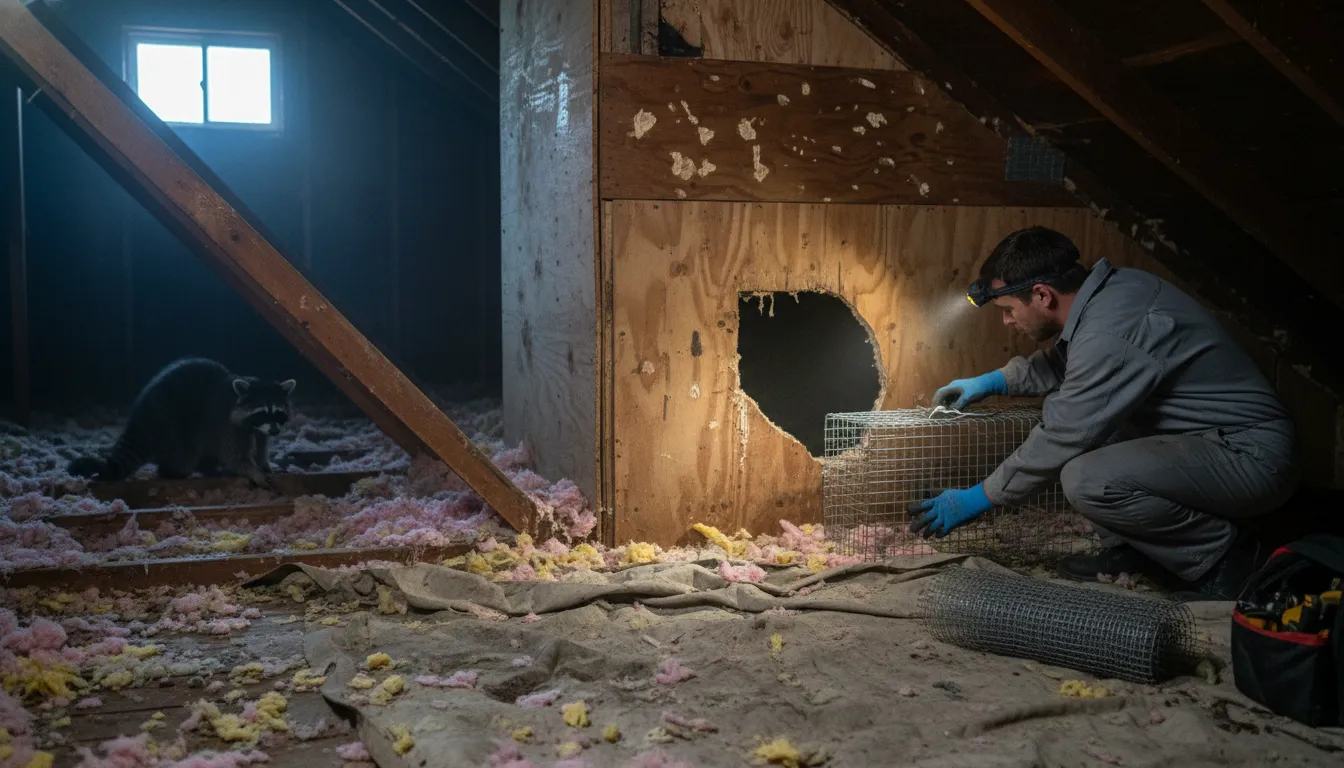
Find the Best Wildlife Removal Companies for Your Business
No obligation • Fast responses • Nationwide coverage

Why you can trust Pest Crews
Pest Crews is a leading U.S. resource for finding and evaluating residential and commercial pest control services. Our team researches providers, reviews treatment approaches, and organizes unbiased information to help you make informed decisions. Companies cannot pay to change our editorial content or influence how they appear.
Search providers near you
Top Wildlife Removal Companies in Stratford, Connecticut Ranked
Finding an uninvited animal in your Stratford home can be unsettling. Whether it's the sound of scurrying in the attic or evidence of a visitor in the garage, wildlife intrusions require a specific and informed response. Professional wildlife removal and animal control services specialize in resolving these conflicts safely, humanely, and in compliance with Connecticut's strict regulations. This guide will help you understand the common nuisance species in Stratford, when to call for help, and how to navigate the process of finding a qualified local expert to protect your property.
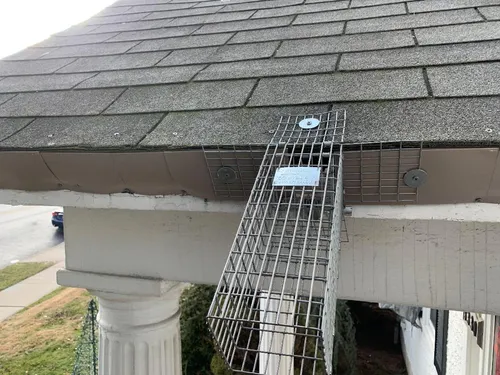
Wildlife Removal Services
New York, NY
Wildlife Removal Services is a company based in New York, NY, specializing in the safe and humane removal of wildlife. They serve a wide range of locations across New York and nearby areas, providing expert wildlife control solutions. Their services include trapping and relocating various types of wildlife to ensure both safety and compliance with local regulations.
Supra Exterminator
179 W Hills Rd, Huntington Station, NY 11746
Supra Exterminator is a pest control and wildlife removal company serving New York, NY, and surrounding counties including Nassau, Suffolk, and Queens. They provide residential and commercial pest management services, including ant, rodent, termite, bed bug, cockroach, bee, wasp, and wildlife control. Their approach involves thorough inspections, personalized treatment plans using family-safe, state-approved products, and prevention measures such as exterior proofing and scheduled follow-ups. With over 25 years of experience, Supra Exterminator is licensed, insured, and locally owned. They also offer 24/7 emergency support for urgent pest issues.
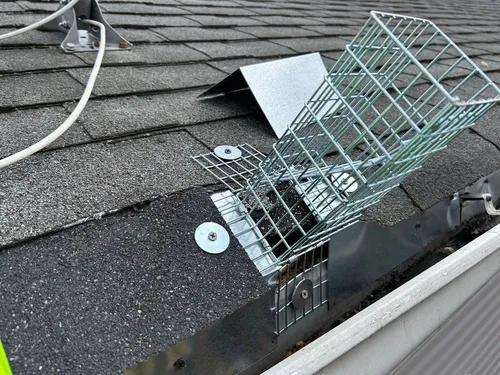
Allied Wildlife Removal
New York, NY
Allied Wildlife Removal is a bird and wildlife control company based in New York, NY. They provide humane removal and control services for various wildlife species including raccoons, squirrels, skunks, snakes, opossums, coyotes, and birds. Serving Long Island, NYC, the five boroughs, Nassau County, and Suffolk County, they focus on safe removal and prevention, including clean and disinfected disposal of animal corpses. The company is women-owned and bilingual, offering expert trapping and removal services with a commitment to animal welfare.
Greenwich Wildlife Control
66 Pemberwick Rd, Greenwich, CT 06831
Greenwich Wildlife Control is a wildlife removal and pest control company based in Yonkers, NY. They specialize in humane trapping and relocation of animals such as squirrels, raccoons, bats, rats, and birds, focusing on safe and effective solutions without the use of poisons. The company also provides home repairs to seal wildlife entry points, helping to prevent future infestations. Their service area includes Yonkers and extends to multiple counties in the region. Greenwich Wildlife Control offers 24/7 availability for wildlife emergencies and emphasizes rodent control methods that avoid poisons.
Common Nuisance Wildlife in Stratford
The diverse habitats around Stratford, from the Housatonic River to residential neighborhoods, support a variety of wildlife that can sometimes become a problem for homeowners. The most frequent offenders include species adept at exploiting small openings in search of food, shelter, or nesting sites.
- Raccoons: Intelligent and dexterous, raccoons are notorious for tipping over trash cans, tearing up roof vents or soffits to access attics, and causing significant damage. They are also primary rabies vector species in Connecticut.
- Squirrels: Both gray and red squirrels often enter attics and wall voids, especially in fall and spring. Their constant gnawing on wood, wires, and insulation poses a fire risk and can lead to costly repairs 1 2.
- Bats: Small colonies of little brown bats or big brown bats may roost in attics or behind shutters. While beneficial for insect control, their guano (droppings) can create health hazards and odors. Special care and often specific permits are required for their humane exclusion.
- Skunks: These animals are typically found under decks, sheds, or porches. The threat of a spray is obvious, but they are also another common rabies vector, making DIY removal risky.
- Rodents: Mice and rats are year-round pests that can squeeze through incredibly small gaps. They contaminate food, chew constantly, and reproduce rapidly.
- Other Species: Homeowners may also encounter issues with opossums, snakes, or birds like starlings, sparrows, and pigeons nesting in vents or on structures 3.
Understanding Connecticut's Wildlife Laws
Before attempting any removal, it's crucial to understand state regulations. The Connecticut Department of Energy and Environmental Protection (DEEP) oversees wildlife management. A key rule is that it is illegal to trap and relocate rabies vector species-specifically raccoons, skunks, and foxes-without a proper license. Relocation often spreads disease and is rarely a humane solution, as relocated animals struggle to survive in unfamiliar territory. For these and other persistent wildlife problems, you must contact a licensed Nuisance Wildlife Control Operator (NWCO).
When to Call Animal Control vs. a Wildlife Professional
Knowing which agency or professional to contact saves time and ensures the situation is handled correctly.
Contact Stratford Animal Control for:
- Aggressive animals posing an immediate public safety threat.
- Sick or injured domestic animals (cats or dogs).
- Situations involving a bite or scratch from any animal where suspected rabies exposure is a concern 4.
Contact a Licensed Nuisance Wildlife Control Operator (NWCO) for:
- Persistent wildlife inside a home (e.g., squirrels in the attic, raccoons in a chimney).
- Animals causing property damage.
- When you are unable or unwilling to safely perform exclusion or removal yourself.
- Any situation involving the trapping of rabies vector species.
NWCOs are licensed by the state to use a variety of humane methods, including live trapping (where legal), exclusion devices like one-way doors, and direct capture to resolve conflicts.
Find the perfect wildlife removal companies for your needs
Get personalized recommendations and expert advice
The Wildlife Removal Process: What to Expect
A professional wildlife removal service follows a systematic approach to ensure the problem is solved permanently and humanely.
- Inspection: A thorough inspection of your property identifies the species involved, all potential entry points, and the extent of the infestation. This includes checking the roof line, attic, crawl spaces, and foundation.
- Humane Removal: The operator will employ state-approved methods for the specific animal. This may involve live trapping, the use of one-way exclusion doors that let animals leave but not return, or hands-on removal 5 6.
- Exclusion & Repair: This is the most critical step. After all animals are removed, every entry point must be sealed with durable materials like steel mesh, hardware cloth, or chimney caps to prevent re-entry. Without proper exclusion, the problem will recur.
- Cleanup & Sanitation: Nesting materials, droppings, and urine-soaked insulation are removed. Areas are treated with enzymatic cleaners and disinfectants to eliminate odors and health risks. In severe cases, attic insulation may need to be replaced.
- Prevention Advice: A reputable professional will provide recommendations for making your property less attractive to wildlife, such as securing trash cans, removing pet food, and trimming tree branches away from the roof.
DIY Prevention Tips (What You Can Safely Do)
Homeowners can take proactive steps to prevent conflicts and are encouraged to do so. Allowed and effective DIY measures include:
- Sealing Entry Points: Carefully inspect your home's exterior for gaps, holes, or rotten wood. Seal openings with high-quality materials, but only when you are certain no animals are inside.
- Installing Barriers: Use chimney caps, vent covers, and wire mesh over larger openings.
- Habitat Modification: Keep garbage in sealed, animal-proof containers. Remove fallen fruit from yards, clean up birdseed, and store pet food indoors.
- Using Exclusion Devices: For certain scenarios, like a squirrel in an attic, a one-way door can be an effective DIY solution if installed correctly on the main entry point 7.
Prohibited DIY Actions: Trapping, shooting, or attempting to relocate rabies vector species (raccoons, skunks, foxes) without an NWCO license is illegal. Using poisons or inhumane traps is also dangerous, environmentally harmful, and often against regulations.
Hiring a Licensed NWCO in Stratford
When professional help is needed, here's how to find and vet a qualified specialist.
- Verify Licensing: Always hire a DEEP-licensed Nuisance Wildlife Control Operator. You can contact the DEEP Wildlife Division for a list of licensed operators serving your area 8 9.
- Get a Detailed Assessment: A trustworthy operator will provide a thorough on-site inspection before giving an estimate. They should explain the species involved, their proposed removal and exclusion methods, and a clear cost breakdown.
- Understand Costs: Pricing varies widely based on the animal, the infestation's scope, and the services required (inspection, removal, exclusion, cleanup). Simple removals may cost a few hundred dollars, while complex jobs like bat colony exclusion or extensive raccoon damage repair can run into the thousands 10. Transparency is required by state guidelines; NWCOs must provide written information on approved methods and costs upfront 10.
- Ask About Guarantees: Many reputable companies offer warranties on their exclusion work, promising to return if animals regain entry within a specific period.
- Check for Insurance: Ensure the company carries liability insurance to protect your property during their work.
The key to effective wildlife management in Stratford is a focus on prevention through exclusion and sanitation. For active infestations or problems with high-risk species, contacting a licensed NWCO is the safest, most legal, and most effective path. For immediate threats to public safety or suspected rabies exposure, Stratford Animal Control is the appropriate first call 11.
Frequently asked questions
Sources
Footnotes
-
Common Wildlife Problems - CT.gov - https://portal.ct.gov/deep/wildlife/nuisance-wildlife/common-wildlife-problems ↩
-
CT Wildlife Removal Blog - https://wildlifecontrolservicesct.com/wildlife-blog ↩
-
Wildlife Control in Litchfield County - https://www.rescue1pests.com/wildlife-control/ ↩
-
Services | Town of Stratford - https://www.stratfordct.gov/page/services ↩
-
Nuisance Wildlife Control Operator - United Way of Connecticut - https://uwc.211ct.org/nuisance-wildlife-control-operator/ ↩
-
Wildlife Removal in Stratford, CT - Humane, Fast, and Professional ... - https://www.graybrotherswildlife.com/wildlife-removal-in-stratford-ct-humane-fast-and-professional-services/ ↩
-
Sec. 26-47-1. Licensed nuisance wildlife control operators - https://eregulations.ct.gov/eRegsPortal/Browse/RCSA/Title_26Subtitle_26-47Section_26-47-1/ ↩
-
Professional Nuisance Wildlife Control - https://portal.ct.gov/deep/wildlife/nuisance-wildlife/professional-nuisance-wildlife-control ↩
-
Connecticut | NWCTP - https://wildlifecontroltraining.com/states/connecticut/ ↩
-
Before you hire a Nuisance Wildlife Control Operator (NWCO) - CT.gov - https://portal.ct.gov/-/media/DEEP/wildlife/pdf_files/nwco/NWCOGuidelinesforhomeownerpdf.pdf ↩ ↩2
-
Nuisance Wildlife Control and Rabies Brochure - CT.gov - https://portal.ct.gov/-/media/deep/wildlife/pdf_files/nwco/nwcobrochurepdf.pdf ↩