Find the Best Wildlife Removal Companies for Your Business
No obligation • Fast responses • Nationwide coverage
Why you can trust Pest Crews
Pest Crews is a leading U.S. resource for finding and evaluating residential and commercial pest control services. Our team researches providers, reviews treatment approaches, and organizes unbiased information to help you make informed decisions. Companies cannot pay to change our editorial content or influence how they appear.
Search providers near you
Best Wildlife Removal Companies in Iowa Ranked
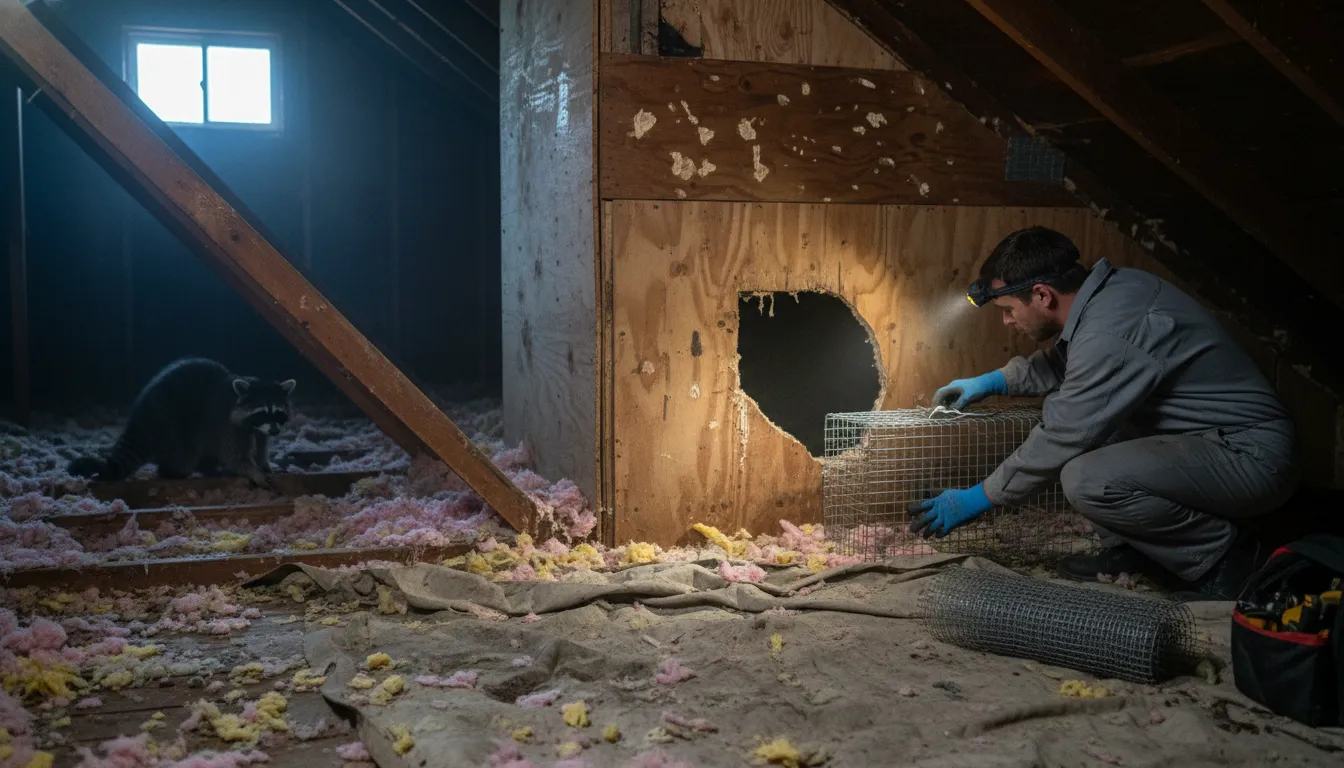
When wild animals like raccoons, squirrels, or bats move into your attic, chimney, or under your deck, they can cause significant damage and pose health risks. Wildlife removal is the process of safely and legally evicting these nuisance animals, sealing entry points to prevent their return, and often cleaning up the mess they leave behind. In Iowa, this process is governed by specific state regulations that protect many species, making it essential to understand the rules or hire a qualified professional. This guide explains Iowa's wildlife removal laws, typical scenarios, and how to find local experts who can resolve your problem effectively and in compliance with the law.
Pro-Staff Termite & Pest Control of The Midwest, LLC
3601 Douglas Ave, Des Moines, IA 50310
Pro-Staff Termite & Pest Control of The Midwest, LLC provides pest control services in Des Moines, IA, serving both residential and commercial clients. Their offerings include termite inspection, bed bug treatment, mosquito control, bat removal, and general pest management. Established in 1995, Pro-Staff has over 24 years of experience in the industry. They focus on proactive pest inspection and tailored treatment plans to help protect homes and businesses from various pests.
Genuine Pest Control
3905 SE Grimes Blvd suite m, Grimes, IA 50111
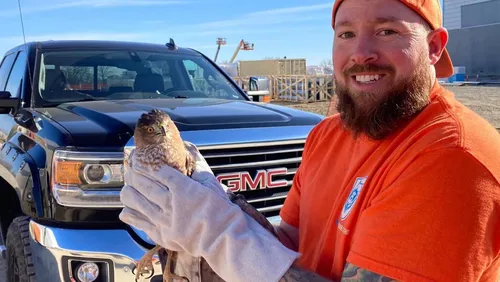
Genuine Pest Control is a pest control and wildlife removal company serving Des Moines, IA. Founded in 2014, they handle a variety of pests including raccoons, bats, birds, rodents, and bugs. Their services include humane trapping and removal, damage repair, and pest prevention through sealing entry points and installing pest barriers. They also provide advice on sanitation and habitat modifications to help prevent future infestations.
Bats and Bugs Pest Solutions
12340 Tanglewood Dr, Urbandale, IA 50323
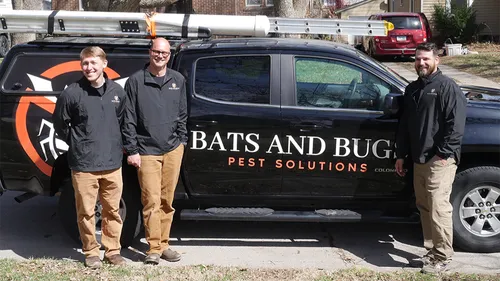
Bats and Bugs Pest Solutions provides pest and wildlife control services in Des Moines, IA. They handle a variety of issues including rodent control, bird and bat removal, and humane wildlife relocation for both residential and commercial properties. Their team uses modern techniques such as roof-mounted traps and motion-activated cameras to safely manage pests like raccoons, squirrels, woodchucks, and bats, focusing on humane and environmentally conscious methods. With over 25 years of experience, the family-owned company offers customized service plans and is committed to environmentally friendly practices, including the use of electric vehicles powered by solar energy.
Presto-X Pest Control
1320 NE 60th Ave, Des Moines, IA 50313
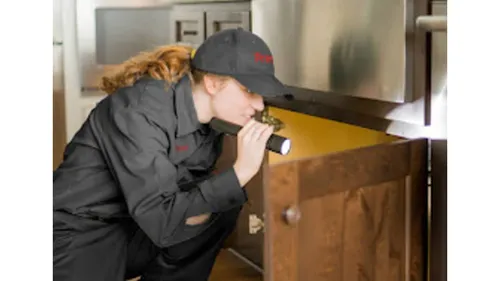
Presto-X Pest Control offers pest control services in Des Moines, IA, specializing in the removal and management of common local pests such as cockroaches, termites, ants, mosquitoes, bees, wasps, and wildlife. Their technicians provide targeted treatments based on seasonal pest activity and trends specific to the Des Moines area. The company conducts termite inspections and treatments to address hidden damage, locates and treats ant nests, and applies mosquito control measures to reduce populations around properties. They also safely remove bees and wasps, focusing on nests near outdoor structures.
TRapper's Wildlife Control, LLC
3626 NW Trestle Point Dr, Ankeny, IA 50023
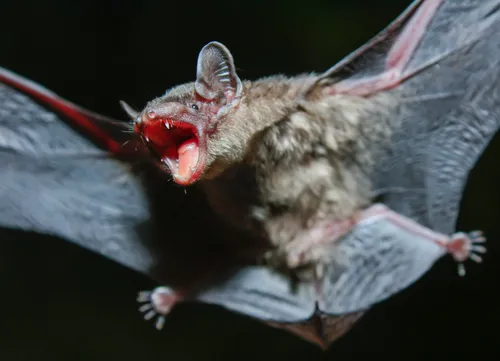
TRapper's Wildlife Control, LLC is a wildlife removal company based in Des Moines, IA, specializing in bird and bat control. They serve a wide area within 60 miles of Des Moines, including many surrounding cities and counties in central Iowa. Their services include humane bat removal and sealing of structures, as well as bird control for species like pigeons, starlings, sparrows, and swallows, addressing issues such as nesting and droppings. TRapper's Wildlife Control also offers bird removal from vents and provides bat removal services statewide in Iowa.
Understanding Iowa's Nuisance Wildlife Regulations
The Iowa Department of Natural Resources (DNR) manages wildlife and defines nuisance animals as wild, native creatures causing property damage, creating a nuisance, or presenting a health hazard. A key distinction in Iowa law is who is performing the removal. Homeowners are generally permitted to remove common nuisance wildlife from their own property without a special permit, provided they use lawful methods. However, any individual or business that charges a fee for animal control services must hold an annual Nuisance Wildlife Control Operator (NWCO) permit from the Iowa DNR.
This regulatory framework is designed to ensure that commercial operators are knowledgeable about humane practices, legal restrictions, and public safety. Whether you tackle the problem yourself or hire a pro, understanding which animals are protected is crucial, as handling them without authorization can result in significant penalties.
Protected Species and Special Considerations
A wide array of Iowa's wildlife is protected by state and federal law. It is illegal for NWCOs-and generally for homeowners-to capture, harm, or possess these animals without specific permits 1. Key protected groups include:
- Birds: Nearly all birds are protected under the Federal Migratory Bird Treaty Act. This includes songbirds, waterfowl, hawks, owls, and eagles. It is illegal to disturb active nests, eggs, or the birds themselves 2.
- Threatened and Endangered Species: Federally and state-listed species, such as the Indiana bat, Northern long-eared bat, and least tern, receive special protections.
- Other Protected Mammals: Species like bobcats and spotted skunks are also protected and cannot be removed without DNR authorization.
If you suspect your wildlife problem involves a protected species, you must contact a local Iowa DNR conservation officer for guidance on how to proceed. For common nuisance animals like raccoons, squirrels, or skunks on your own property, different rules apply for landowners.
DIY Wildlife Removal for Iowa Homeowners
As a homeowner in Iowa, you have the right to address certain nuisance animals on your property. For example, a landowner can trap or shoot raccoons causing damage to agricultural property without a license and without notifying the DNR. However, you must still adhere to humane and legal standards. Live traps must be checked at least once every 24 hours 3 4. If you capture an animal, you have options: you may humanely euthanize it or relocate it, but you must follow the guidelines in the DNR's NWCO guidebook regarding relocation distances and methods to avoid simply transferring the problem to another property 5 6.
It's vital to correctly identify the animal first. Mistaking a protected bat species for a common nuisance animal could lead to legal trouble. DIY removal is best suited for isolated incidents with common, non-protected species. For persistent problems, animals in hard-to-reach areas, or any situation involving potential protected species, hiring a licensed NWCO is strongly recommended.
When to Hire a Professional Wildlife Control Operator
Professional nuisance wildlife control services bring expertise, proper equipment, and a thorough understanding of complex state regulations. You should consider hiring a licensed NWCO for:
- Protected Species: Any situation involving birds, bats, or other protected wildlife.
- Large or Dangerous Animals: Issues with larger animals like beavers, muskrats, or established raccoon families.
- Structural Infestations: Animals living in attics, walls, or chimneys, where removal and repair are needed.
- Persistent Problems: When DIY methods have failed to resolve the issue.
- Business or Rental Properties: If you are charging a tenant or managing a commercial property, an NWCO permit is required for the service provider.
Licensed NWCOs have the permits to handle a broader range of situations legally. They will not only remove the animal but also identify and seal entry points to prevent re-infestation and can often provide cleanup and decontamination services for areas soiled by wildlife.
Find the perfect wildlife removal companies for your needs
Get personalized recommendations and expert advice
Common Wildlife Issues and Removal Methods in Iowa
Different animals require different removal strategies. Here's a look at some common culprits in Iowa:
- Raccoons: These intelligent animals often seek shelter in attics, chimneys, and under decks. Professional removal typically involves live trapping and exclusion (sealing all potential entry points). Remember, Iowa landowners have broad rights to remove raccoons causing damage on their property 7.
- Squirrels: Squirrels commonly enter attics through small gaps in rooflines. Removal involves live trapping or using one-way exclusion doors that allow them to leave but not re-enter, followed by extensive sealing of entry holes.
- Bats: Several bat species in Iowa are protected. It is illegal to kill them. The only legal and humane removal method is "bat exclusion," which involves installing one-way devices at entry points after the breeding season, allowing bats to exit but not return. This is a job for a professional familiar with bat biology and state laws 8 9.
- Skunks & Opossums: These animals often live under sheds, porches, or decks. Removal usually involves live trapping and exclusion. For skunks, professionals have techniques to minimize the risk of spraying.
Cost of Wildlife Removal Services in Iowa
The price for professional animal removal varies based on the species, the extent of the infestation, the location of the animal, and any necessary repairs or cleanup. The following table provides general national cost estimates, which can serve as a guideline for Iowa homeowners; always get a detailed, written quote from a local professional 10 11 12.
| Animal | Average Cost Range | Notes |
|---|---|---|
| Squirrels | $300 - $600 | Cost increases for attic infestations requiring cleanup and extensive exclusion work. |
| Raccoons | $200 - $600 | Involves live trapping and sealing entry points. Complex removals (e.g., a mother with young) cost more. |
| Bats | $250 - $1,500+ | Protected species require humane exclusion. Cost rises significantly for large colonies and guano cleanup. |
| Birds | $250 - $750+ | Nest removal from vents or eaves adds cost. Most birds are federally protected, requiring specific handling. |
| Skunks | $300 - $700 | Odor mitigation and cleanup may add to the total price. |
| Opossums | $250 - $500 | Typically involves live trapping and sealing access points under structures. |
These are baseline removal costs. Additional services like decontamination, insulation replacement, and structural repairs will add to the overall project price.
Finding a Licensed Professional in Iowa
To ensure you are hiring a qualified and legal service provider, always verify that the company holds a current Iowa DNR Nuisance Wildlife Control Operator (NWCO) permit. The Iowa DNR provides a resource page for nuisance wildlife control, which is an excellent starting point for finding information and licensed professionals 13. When interviewing potential providers, ask for their DNR permit number, inquire about their experience with your specific animal problem, and request a detailed written estimate that outlines the removal method, exclusion work, and any cleanup included.