Find the Best Wildlife Removal Companies for Your Business
No obligation • Fast responses • Nationwide coverage

Why you can trust Pest Crews
Pest Crews is a leading U.S. resource for finding and evaluating residential and commercial pest control services. Our team researches providers, reviews treatment approaches, and organizes unbiased information to help you make informed decisions. Companies cannot pay to change our editorial content or influence how they appear.
Search providers near you
Best Wildlife Removal Companies in Kansas Ranked
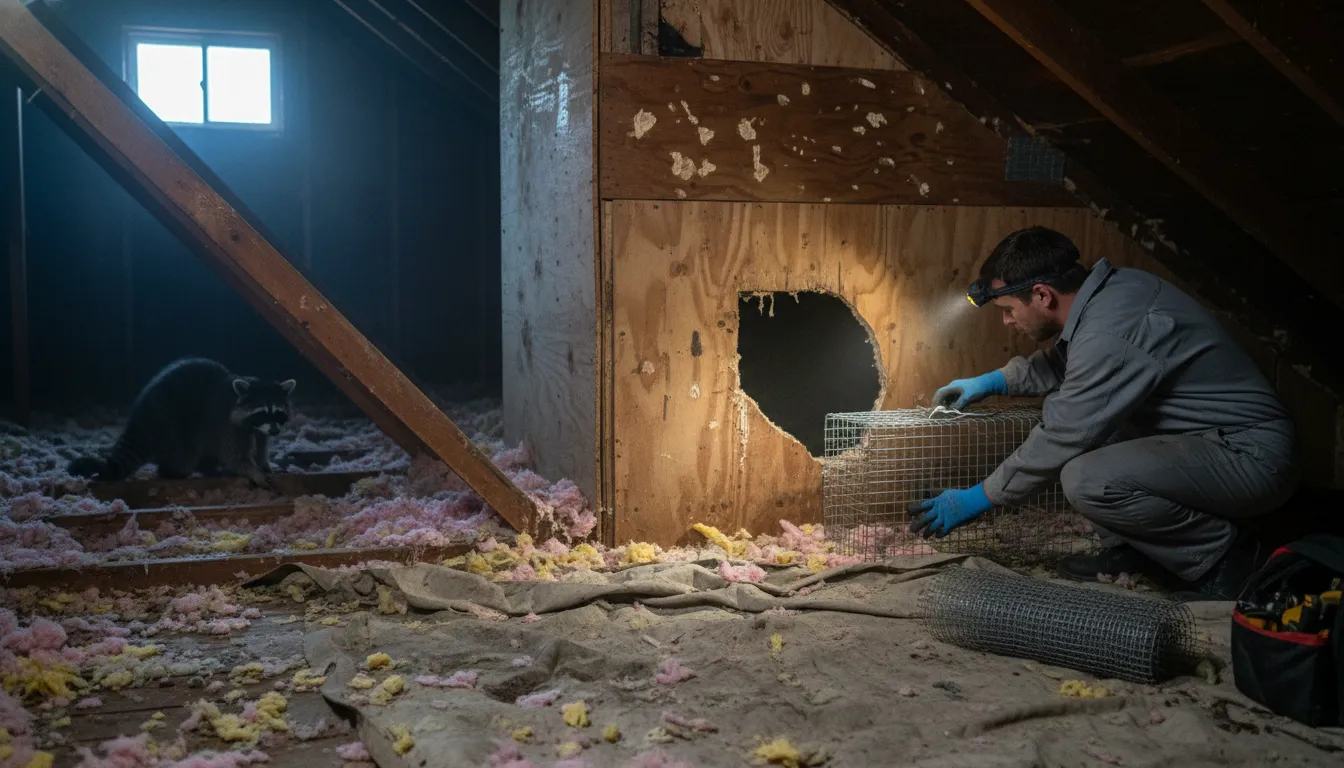
When wildlife like raccoons, squirrels, or bats move into your attic, crawlspace, or yard, it can quickly escalate from a nuisance to a serious problem. In Kansas, managing nuisance animals on private property is the responsibility of the homeowner or business owner, but state and federal laws strictly protect most species. This means finding a knowledgeable professional who understands the legal requirements for trapping, exclusion, and removal is essential. This guide explains Kansas wildlife removal regulations, outlines which animals you can handle yourself, and provides practical information to help you connect with licensed local experts who can resolve your situation safely and legally.

Orkin
1555 E 2nd St N, Wichita, KS 67214
Orkin provides residential and commercial pest control services in Wichita, KS. With over 120 years of experience, they handle a wide range of pests including bed bugs, termites, rodents, ants, cockroaches, mosquitoes, bees, wasps, and wildlife. Orkin offers specialized termite inspections and treatments using methods like dry foam void filler, Sentricon® bait, and liquid barriers. They also provide 24/7 availability for pest control emergencies and focus on seasonal pest management tailored to the unique climate of Wichita.
EcoGuard Pest Control
339 Clinton Ave, Haysville, KS 67060
EcoGuard Pest Control provides environmentally friendly pest management services in Wichita, KS, and the surrounding south-central Kansas area. They specialize in controlling ants, termites, rodents, bees, wasps, and other common pests for both residential and commercial properties. Their approach includes integrated pest management with interior and exterior treatments designed to eliminate pests and prevent population growth. EcoGuard employs licensed technicians, including a Certified Master Technician, and uses products that are safe for families, pets, and the environment. The company has over 20 years of combined team experience and offers monthly service treatments for restaurants and other commercial clients.
Presto-X Pest Control
1741 S Eisenhower Ct, Wichita, KS 67209
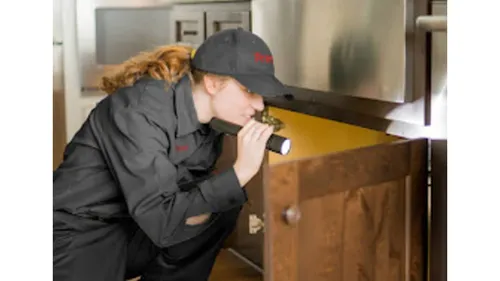
Presto-X Pest Control has been serving Wichita, KS, for nearly 100 years, providing tailored pest control solutions for both residential and commercial properties. Their services cover a wide range of pests including bed bugs, termites, rodents, mosquitoes, and wildlife. They offer customized plans for various industries such as food processing, healthcare, retail, and agriculture, adapting treatments to seasonal pest activity and specific operational needs. With local technicians familiar with Wichita's pest challenges, Presto-X focuses on year-round protection and compliance with health and safety standards.

Critter Control of Wichita
Wichita, KS
Critter Control of Wichita provides wildlife and pest control services in Wichita, KS. They handle a variety of nuisance animals including raccoons, squirrels, snakes, skunks, and rodents using humane removal methods such as live trapping and exclusion devices. Their services include thorough inspections, removal, exclusion to prevent reentry, and repair of damage caused by wildlife. The company also offers ectoparasite treatments to address pests like fleas and ticks that may accompany wildlife infestations. Critter Control of Wichita serves both residential and commercial properties, applying specialized knowledge to manage wildlife issues safely and effectively.
Alta Pest Control
3601 W Harry St Ste. 7, Wichita, KS 67213
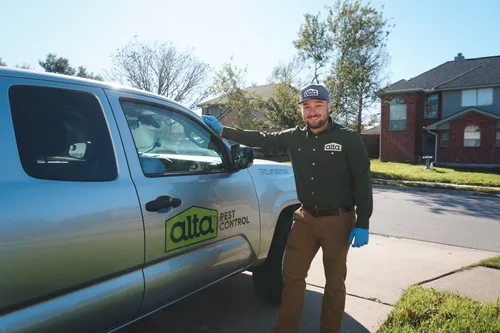
Alta Pest Control is a family-owned pest control company serving Wichita, KS, and surrounding areas. They offer year-round pest management with quarterly treatments targeting a wide range of pests including ants, rodents, termites, bed bugs, and stinging insects. Their services also include rodent exclusion, attic insulation, moisture control, and wildlife removal. Alta Pest Control uses certified methods like Sentricon® termite bait stations and emphasizes transparent communication to explain treatments and recommendations clearly. They provide ongoing pest defense rather than one-time solutions.
Understanding Kansas Wildlife Laws and Your Responsibilities
In Kansas, the general rule is that private property owners are financially and legally responsible for managing nuisance wildlife on their premises. While this gives you the right to address problems, it comes with significant restrictions. Most birds, reptiles, and amphibians are protected by federal law (like the Migratory Bird Treaty Act) or state law (the Kansas Nongame and Endangered Species Conservation Act). This legal framework means you often cannot simply trap or remove an animal without checking regulations first.
The Kansas Department of Wildlife and Parks (KDWP) is the primary agency overseeing these activities. They emphasize that while you may address immediate threats, the department and local animal control agencies typically do not provide removal services unless an animal is inside the living quarters of a home and poses an immediate danger 1. Therefore, for most wildlife conflicts, you will need to either take permitted action yourself or hire a licensed professional.
Which Animals Require a Permit for Removal?
Knowing which animals are protected is the first step. The following categories generally require a permit from KDWP or the U.S. Fish and Wildlife Service for trapping, transporting, or euthanizing, especially outside of established hunting seasons:
- Most Native Mammals: This includes raccoons, skunks, opossums, foxes, beavers, and bats.
- Protected Birds: Nearly all native bird species are protected under federal law. This includes woodpeckers damaging your siding, swallows nesting in eaves, and hawks or owls.
- Reptiles & Amphibians: Snakes, turtles, and frogs are generally protected.
- Furbearers & Small Game: Animals like coyotes, rabbits, and squirrels can be taken during their established hunting or trapping seasons with the appropriate license. However, if they are causing damage outside of those seasons, a specific Nuisance Wildlife Damage Control permit is required.
Species You Can Manage Without a Permit
Kansas regulations allow for the control of a limited number of species without a state permit, as they are not protected. These include 2:
- House mice
- Norway rats
- Moles and gophers
- Pigeons (Rock Doves)
- English (House) sparrows
- European starlings
For species like woodchucks (groundhogs), a hunting license may be required even for nuisance control, so it's always best to verify current regulations 3.
Special Protections: Threatened and Endangered Species
Some species in Kansas receive the highest level of protection. It is illegal to harm, harass, or possess state or federally listed threatened or endangered species without specific action permits from both KDWP and the U.S. Fish and Wildlife Service 4 5. Examples you might encounter include:
- Black-footed ferret (Endangered)
- Whooping crane (Endangered)
- Gray bat (Endangered)
- Topeka shiner (a small fish, Endangered)
If you suspect a protected species is on your property, you must contact KDWP immediately for guidance 6.
The Permit Process for Wildlife Control
For dealing with protected nuisance wildlife, the primary permit is the KDWP Nuisance Wildlife Damage Control (NWDC) permit. This is required for homeowners, businesses, and commercial operators to legally take, transport, or euthanize protected animals causing property damage or health hazards 7.
- Who Needs It: Both property owners addressing their own problems and individuals offering commercial removal services must obtain this permit.
- Cost: The permit itself is issued free of charge by KDWP 8.
- Requirements: Applicants must complete an application and pass an open-book exam based on the state's wildlife damage control training materials. This ensures permit holders understand laws, ethical standards, and safe practices.
- Validity: Permits are valid until December 31st of the year they are issued.
- Federal Permit: For issues involving migratory birds (like removing a nest), a separate federal permit from the U.S. Fish and Wildlife Service is necessary in addition to the state NWDC permit 9 10.
Find the perfect wildlife removal companies for your needs
Get personalized recommendations and expert advice
What to Expect from Professional Wildlife Removal Services
Hiring a professional is often the safest and most efficient solution. A reputable Kansas wildlife control operator will typically follow a multi-step process:
- Inspection and Assessment: The professional will identify the animal species, locate entry points, and assess the extent of the damage and contamination.
- Legal Compliance: They should possess a valid KDWP NWDC permit and any necessary federal permits, ensuring the removal is conducted legally.
- Humane Removal & Exclusion: The primary goal is not just to trap the animal but to remove it and then permanently seal entry points (exclusion) to prevent recurrence. This is more effective and humane than repeated trapping.
- Cleanup and Sanitation: Wildlife leaves behind droppings, urine, and nesting materials that can pose health risks and attract new pests. Professional cleanup and decontamination are crucial final steps.
- Repairs: They may offer or recommend repairs to damaged siding, vents, roof soffits, or insulation.
Understanding Wildlife Removal Costs in Kansas
Costs for animal removal and control vary widely based on the species, the severity of the infestation, the location of the animal, and the methods required. Below is a general overview of potential costs to help you budget, though you should always get detailed quotes from local providers 11 12 13.
| Service Element | Typical Cost Range (Costs vary by provider and situation) |
|---|---|
| Initial Inspection/Service Call | $75 - $150+ |
| Trapping (per animal or per week) | $100 - $300+ |
| Exclusion/Proofing (sealing entry points) | $200 - $1,000+ (depending on complexity) |
| Euthanization/Disposal | Often included in removal fee or $25 - $50 per animal |
| Cleanup/Decontamination | $200 - $500+ |
| Attic Restoration/Insulation Replacement | $1,000 - $2,500+ (for severe cases) |
Preventing Wildlife Conflicts on Your Property
The best strategy is to make your property less attractive to wildlife in the first place. Key prevention tips include:
- Secure Food Sources: Keep pet food indoors, use secure lids on garbage cans, and clean up fallen birdseed or fruit from trees.
- Eliminate Shelter: Seal off crawlspace openings, repair broken vent screens, and cap chimneys with appropriate covers.
- Manage Habitat: Trim tree branches that overhang your roof, keep woodpiles away from your home's foundation, and reduce dense vegetation.
- Regular Maintenance: Conduct seasonal checks of your home's exterior for new gaps, holes, or signs of animal activity.
Finding Qualified Help in Kansas
When searching for assistance, prioritize companies that:
- Can provide their KDWP Nuisance Wildlife Damage Control permit number.
- Offer comprehensive solutions (inspection, removal, exclusion, cleanup).
- Are insured and provide warranties on their exclusion work.
- Have positive reviews and references from local customers.
For a list of permitted individuals or general guidance, you can contact the Kansas Department of Wildlife and Parks directly 14.
Frequently asked questions
Sources
Footnotes
-
Nuisance Wildlife Policy | City of Olathe - https://www.olatheks.gov/government/animal-care-control/nuisance-wildlife-policy ↩
-
Animal Damage Control - Hunting Regulations - KDWP - https://ksoutdoors.gov/Hunting/Hunting-Regulations/Furbearers/Animal-Damage-Control ↩
-
Education, Exhibition, Collection, and Salvage Permits - KDWP - https://ksoutdoors.gov/Services/Education-Exhibition-Collection-and-Salvage-Permits ↩
-
Kansas Threatened and Endangered Species Statewide - https://ksoutdoors.gov/Services/Threatened-and-Endangered-Wildlife/Kansas-Threatened-and-Endangered-Species-Statewide ↩
-
Federal Threatened and Endangered Species in Kansas - https://ksoutdoors.gov/Services/Threatened-and-Endangered-Wildlife/Federal-Threatened-and-Endangered-Species-in-Kansas ↩
-
Threatened and Endangered Species Action Permit - KDWP - https://ksoutdoors.gov/Services/Threatened-and-Endangered-Wildlife/Threatened-and-Endangered-Species-Action-Permit ↩
-
Kan. Admin. Regs. § 115-16-5 - Wildlife control permit - https://www.law.cornell.edu/regulations/kansas/K-A-R-115-16-5 ↩
-
Wildlife Damage Control / Services / KDWP - https://ksoutdoors.gov/Services/Wildlife-Damage-Control ↩
-
WILDLIFE DAMAGE CONTROL TRAINING MATERIALS - https://www.wildlife.k-state.edu/doc/wildlifemanualfull.pdf ↩
-
32-941 - Kansas Office of Revisor of Statutes - https://ksrevisor.gov/statutes/chapters/ch32/032_009_0041.html ↩
-
NUISANCE WILDLIFE DAMAGE CONTROL TRAINING ... - https://ksoutdoors.gov/content/download/28220/197799/version/4/file/NWDC+Training+Materials.pdf ↩
-
Kansas Wildlife Animal Control - http://www.wildlifeanimalcontrol.com/kansas.html ↩
-
Frequently Asked Questions | Nuisance Animal Removal - https://www.wildliferemovalma.com/animal-removal-faqs ↩
-
Nuisance Wildlife - City of Overland Park, Kansas - https://www.opkansas.org/city-services/animals-pets/nuisance-wildlife/ ↩