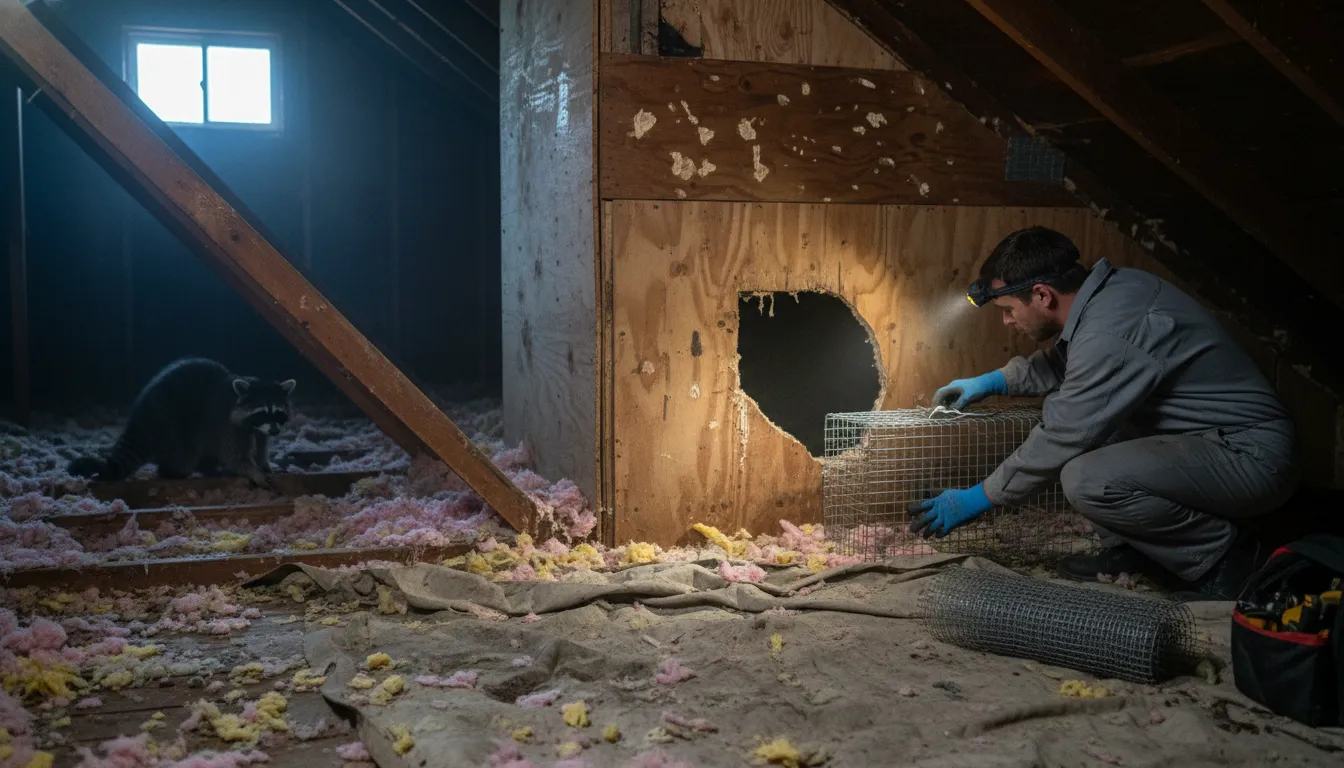
Find the Best Wildlife Removal Companies for Your Business
No obligation • Fast responses • Nationwide coverage

Why you can trust Pest Crews
Pest Crews is a leading U.S. resource for finding and evaluating residential and commercial pest control services. Our team researches providers, reviews treatment approaches, and organizes unbiased information to help you make informed decisions. Companies cannot pay to change our editorial content or influence how they appear.
Search providers near you
Best Wildlife Removal Companies in Missouri Ranked
When raccoons raid your trash cans, squirrels nest in your attic, or woodpeckers damage your siding, you need safe and legal solutions. Wildlife removal in Missouri involves navigating specific state regulations to protect both property and native species. This guide explains the legal framework, practical steps for control, and how to find qualified local professionals to resolve conflicts with nuisance animals effectively.
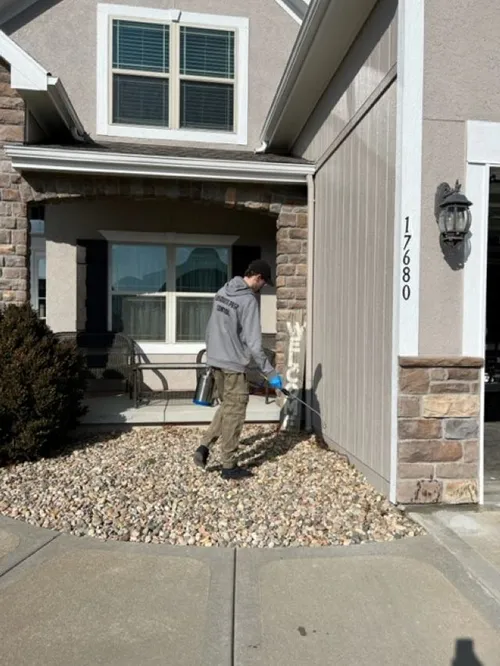
Absolute Pest Control
Kansas City, MO
Absolute Pest Control is a veteran-owned, family-operated pest control company based in Kansas City, MO. They provide comprehensive residential and commercial pest management services, including bed bug elimination, termite control, cockroach extermination, and bat removal. Their approach focuses on thorough inspections and customized treatment plans that address the root of pest problems using EPA-approved products. Absolute Pest Control emphasizes long-term solutions and safety for families and pets, applying responsible methods with attention to detail and transparency.
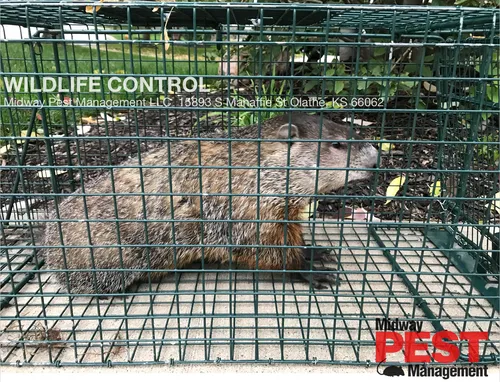
Midway Pest Management
15893 S Mahaffie St, Olathe, KS 66062
Midway Pest Management is a pest control and wildlife removal company based near Kansas City, MO, serving homeowners in the surrounding areas including Olathe and Overland Park. The company specializes in controlling rodents, squirrels, insects, and other common pests. Midway Pest Management offers a satisfaction guarantee and emphasizes safe and thorough pest control practices under the leadership of owner Luis Gonzalez.
Critter Control of Springfield
Springfield, MO
Critter Control of Springfield provides wildlife removal and pest control services in Springfield, MO. They specialize in humane removal and exclusion of animals such as raccoons, squirrels, bats, skunks, mice, and rats. Their services include thorough inspections, live trapping, attic restoration, and repair of damage caused by wildlife. The company has been locally owned and operated since 2009 and offers solutions for both residential and commercial properties. They emphasize a complete process from inspection to removal and exclusion to help prevent future infestations.
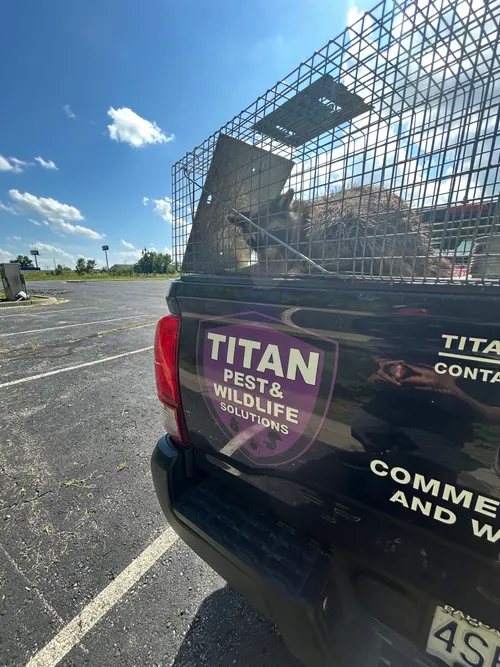
Titan Pest and Wildlife Solutions KC
7211 NW 83 St STE 150D, Kansas City, MO 64152
Titan Pest and Wildlife Solutions KC is a pest control and wildlife removal company based in Kansas City, MO. They offer services for both residential and commercial clients, including pest inspections to help identify issues before treatment. Their expertise covers a range of pest and wildlife management solutions tailored to local needs.

Reliable Pest Management
1222 E Division St, Springfield, MO 65803
Reliable Pest Management provides comprehensive pest control services in Springfield, MO. They offer solutions for ants, termites, rodents, mosquitoes, and wildlife removal, including bats, raccoons, squirrels, possums, and snakes. Their process begins with a detailed inspection, followed by a customized treatment plan and ongoing support to maintain a pest-free environment. The company emphasizes year-round protection with seasonal packages tailored to address various pest challenges throughout the year. Their termite control plans help protect home structures, while rodent and ant control services focus on swift and effective removal.
Understanding Missouri's Wildlife Laws and Permits
Missouri law distinguishes between protected and non-protected wildlife, which dictates the actions a property owner can take. The Missouri Department of Conservation (MDC) is the primary authority, and its regulations are designed to balance property rights with conservation goals.
Protected species require a permit or professional intervention. You generally cannot trap, shoot, or relocate these animals without specific authorization from the MDC. This category includes:
- White-tailed deer, elk, and turkeys
- Black bears and mountain lions
- All endangered species
- Most migratory birds, including woodpeckers, chimney swifts, Canada geese, and gulls
For non-protected nuisance species, property owners have more flexibility. Missouri law allows you to shoot or trap animals like raccoons, squirrels, opossums, and groundhogs on your property if they are causing damage. However, there is a critical requirement: you must report the take to the MDC within 24 hours and follow their instructions for disposal 1. This reporting helps the state monitor wildlife populations and disease.
Businesses that perform wildlife control for profit, known as Nuisance Wildlife Control Operators (NWCOs), must obtain annual authorization from the MDC to legally trap, transport, or euthanize animals.
Step-by-Step Guide to Managing Nuisance Wildlife
A systematic approach is the most effective way to handle an unwanted animal visitor.
1. Accurate Identification is Crucial
Before taking any action, correctly identify the animal. Mistaking a protected woodpecker for an unprotected starling could lead to legal trouble. Use resources from the MDC website or the University of Missouri Extension for guidance. Look for signs like droppings, tracks, entry hole sizes, and the type of damage.
2. Implement Prevention and Non-Lethal Controls First
Always start with the simplest, most humane methods. The goal is to make your property less attractive.
- Remove Attractants: Secure trash cans with locking lids, use animal-proof compost bins, clean up fallen fruit and birdseed, and eliminate standing water.
- Use Exclusion: This is the most permanent solution. Seal potential entry points into attics, crawl spaces, and sheds with sturdy materials like hardware cloth, steel wool, or metal flashing. Install chimney caps and vent covers 2.
- Employ Repellents and Deterrents: Commercial or homemade repellents can be effective for some animals like deer or rabbits. Scare tactics, such as motion-activated lights or sprinklers, can discourage animals from settling in.
3. Consider Lethal Control Only When Necessary
For ongoing damage from non-protected species, lethal control may be an option on your own property. Shooting (where legally safe) or using cage-type traps are common methods. Remember, any animal killed or trapped must be reported to the MDC within 24 hours 3 4. The department will provide instructions for proper disposal, which is important for public health.
4. Know When to Call a Professional
Hiring a licensed Nuisance Wildlife Control Operator (NWCO) is often the best course of action for:
- Any issue involving protected species (birds, deer, etc.).
- Animals like snakes or bats where safety is a concern.
- Large infestations (e.g., a colony of raccoons).
- Situations where you are unable to safely perform exclusion work.
- When you need guaranteed, legal removal and prevention.
Find the perfect wildlife removal companies for your needs
Get personalized recommendations and expert advice
What to Expect from Professional Wildlife Removal Services
A qualified professional will conduct a thorough inspection of your property to identify the animal, locate all entry points, and assess the damage. They will then develop a custom plan that typically includes:
- Humane Removal: Using specialized traps or exclusion devices to remove the animals.
- Clean-up and Sanitation: Removing contaminated insulation, droppings, and nesting materials to eliminate health hazards and odors.
- Exclusion and Repair: Sealing all entry points with durable materials to prevent re-entry.
- Follow-up: Many services offer a warranty period to ensure the problem is fully resolved.
Cost Considerations for Wildlife Control in Missouri
Costs can vary significantly based on the animal, the extent of the infestation, and the required repairs.
- DIY Costs: Are generally minimal if you're only removing attractants or using repellents. Purchasing traps and exclusion materials may range from $50 to $200 or more 5.
- Professional Removal: For common animals like squirrels, raccoons, or opossums, inspection and removal often range from $200 to $800+, with the higher end typically including sealing entry points and minor repairs 6.
- Bird Control: Managing nuisance birds like pigeons or geese is more complex, often costing $500 to $2,000+ depending on the scale and methods used (netting, spikes, hazing, or permitted nest/egg removal) 7 8.
- Large-Scale or Emergency Situations: Severe infestations or damage from animals like beavers or extensive bat colonies can cost several thousand dollars to remediate fully 9.
Always get detailed, written estimates from several providers. Ensure the quote includes removal, clean-up, exclusion, and any warranty details.
Special Considerations for Common Missouri Nuisances
- Bats: Bats are protected and beneficial, but colonies in attics pose health risks. Exclusion is the only legal removal method, which must be done at specific times of year (outside of pup-rearing season) to avoid trapping young inside. This is a job for a specialist.
- Snakes: Most snakes in Missouri are non-venomous and beneficial. Removal is often simple, but proper identification is essential for safety. Prevention focuses on reducing rodent populations (their food source) and sealing ground-level gaps.
- Deer: For damaging landscaping or crops, non-lethal options include fencing, repellents, and planting deer-resistant vegetation. Lethal control of deer is heavily regulated and typically requires a special permit from the MDC.
- Canada Geese: These birds are protected under federal law. Management often requires a permit and can involve habitat modification, hazing techniques, or, in some cases, permitted egg addling by professionals.
The key to successful and legal wildlife removal in Missouri is knowledge: know the species, know the laws, and know when to handle it yourself or call in an expert. Starting with preventative measures can save significant time, money, and hassle.
Frequently asked questions
Sources
Footnotes
-
Rules of Engagement - Missouri Department of Conservation - https://mdc.mo.gov/magazines/conservationist/2003-12/rules-engagement ↩
-
Solving Wildlife Damage Problems in Missouri - MU Extension - https://extension.missouri.edu/publications/g9425 ↩
-
Nuisance Wildlife Control Operator Report | Missouri Department of Conservation - https://mdc.mo.gov/wildlife/nuisance-problem-species/nuisance-report ↩
-
Wildlife Control Guidelines | Missouri Department of Conservation - https://mdc.mo.gov/wildlife/nuisance-problem-species/wildlife-control-guidelines ↩
-
Controlling Deer Damage in Missouri - MU Extension - https://extension.missouri.edu/publications/mp685 ↩
-
3 CSR 10- 9.950: Confined Wildlife Permit Pricing - https://mdc.mo.gov/about-us/about-regulations/wildlife-code-missouri/3-csr-10-9950-confined-wildlife-permit-pricing ↩
-
Protected Birds | Pest Information & Prevention Tips - https://www.rottler.com/pests/protected-birds/ ↩
-
Damage Control | Missouri Department of Conservation - https://mdc.mo.gov/magazines/conservationist/2006-02/damage-control ↩
-
What's the legal recourse for removal of nuisance animals? - https://fox2now.com/legal-lens/whats-the-legal-recourse-for-removal-of-nuisance-animals/ ↩