Find the Best Wildlife Removal Companies for Your Business
No obligation • Fast responses • Nationwide coverage

Why you can trust Pest Crews
Pest Crews is a leading U.S. resource for finding and evaluating residential and commercial pest control services. Our team researches providers, reviews treatment approaches, and organizes unbiased information to help you make informed decisions. Companies cannot pay to change our editorial content or influence how they appear.
Search providers near you
Best Wildlife Removal Companies in Oklahoma Ranked
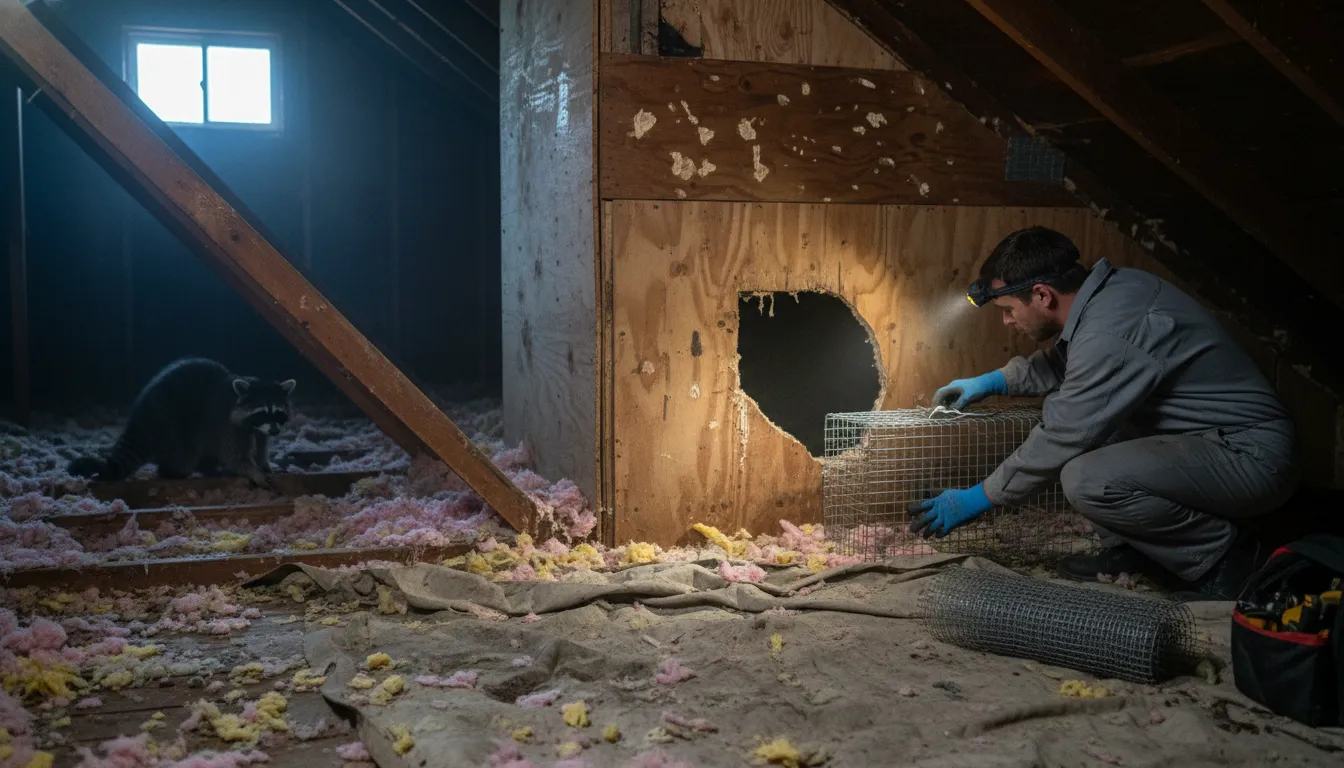
When raccoons rummage through your trash, squirrels nest in your attic, or coyotes roam too close to home, knowing the right steps to take is crucial for your safety and property. Wildlife removal in Oklahoma involves a specific set of rules and licensed professionals due to the mix of common nuisance animals and protected species. This guide explains the process, from identifying your problem to hiring the right help, so you can effectively and legally address unwelcome wildlife on your property.
OKC Mosquito Militia Total Pest Control
400 W Wilshire Blvd, Oklahoma City, OK 73116
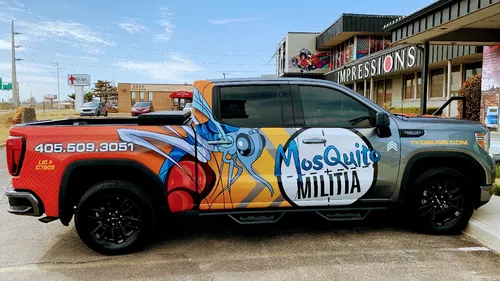
OKC Mosquito Militia Total Pest Control offers residential and commercial pest control services in Oklahoma City, OK, and surrounding areas including Edmond, Moore, Norman, Yukon, and Tulsa. They specialize in mosquito control using eco-friendly, 100% organic treatments designed to reduce mosquito populations and other pests such as bed bugs, rodents, termites, bees, wasps, and wildlife. Their services include barrier spray treatments and organic mosquito repellents that protect outdoor spaces while preserving beneficial insects like bees and butterflies. The company provides regular quarterly pest control programs with free re-treatments and a satisfaction guarantee to ensure effective pest management.
Bat Specialists
Tulsa, OK
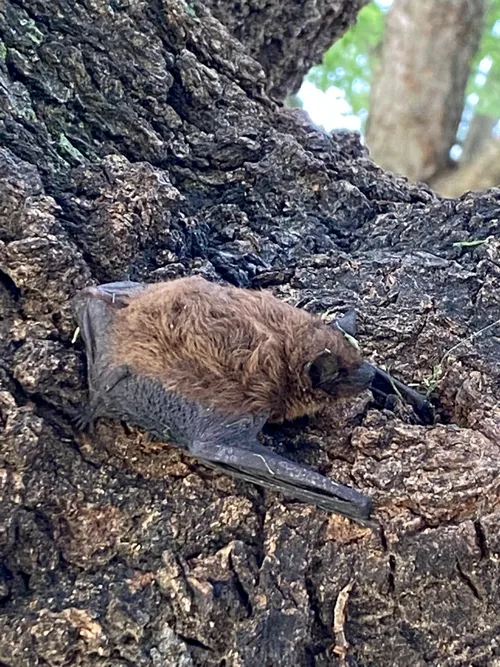
Bat Specialists is a family-owned wildlife removal company based in Tulsa, OK, specializing exclusively in humane bat removal and prevention for homes and businesses. With over 30 years of experience serving cities across Oklahoma, they focus on identifying bat infestations, safely removing bats, and bat-proofing properties to prevent future issues. Their work is backed by a guarantee of up to three years, providing long-term peace of mind for their customers.
Romex Pest & Termite Control Oklahoma City
3825 NW 166th St D4, Edmond, OK 73012
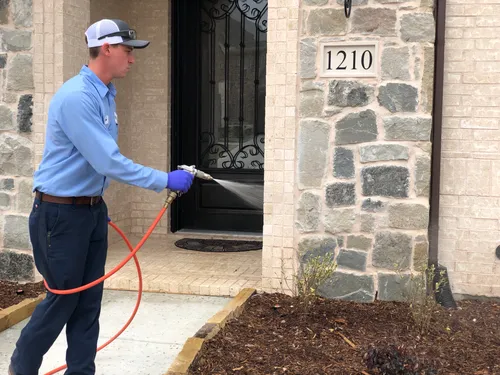
Romex Pest & Termite Control Oklahoma City provides eco-friendly and child-safe pest management services in Oklahoma City, OK. Locally owned and operating since 2017, the company specializes in controlling common pests such as rodents, termites, mosquitoes, ants, and cockroaches, using integrated pest management techniques tailored to the local environment. They offer same-day service and emphasize solutions that are safe for families and pets while addressing both residential and commercial pest issues.
Romex Pest Control
126 N Garnett Rd Suite E, Tulsa, OK 74116
Romex Pest Control is a locally owned pest management company serving Tulsa, OK, since expanding to the area in 2017. They provide eco-friendly, child-safe, and pet-friendly pest control services for homes and businesses, addressing common pests like rodents, mosquitoes, termites, ants, and cockroaches. Their approach includes early detection, regular inspections, and integrated pest management tailored to Tulsa's specific pest challenges. Romex Pest Control uses environmentally conscious methods to protect health and property while minimizing environmental impact.
Palisade Pest Control
6578 E 40th St, Tulsa, OK 74145
Palisade Pest Control provides a wide range of pest control services in Tulsa, OK. They handle common pests such as bed bugs, cockroaches, ants, rodents, termites, mosquitoes, bees, wasps, birds, and other wildlife. Their offerings include both residential and commercial pest management, with capabilities in termite inspections and wildlife removal. Palisade Pest Control aims to deliver comprehensive pest protection for homes and businesses in the Tulsa area.
Understanding Oklahoma's Wildlife Removal Laws
In Oklahoma, the approach to animal control is not one-size-fits-all. The state distinguishes between common nuisance wildlife and protected game or endangered species, each with its own legal pathway for management. The primary authority is the Oklahoma Department of Wildlife Conservation (ODWC), which regulates removal through a system of permits and licensed Nuisance Wildlife Control Operators (NWCOs).
For landowners and homeowners, the key principle is that you can often manage common nuisance animals yourself through preventive measures. However, when professional intervention is needed, you must determine whether the species is protected. Hiring a licensed NWCO is the standard route for non-protected animals causing damage or posing a threat. For protected species-including all game animals, migratory birds, and endangered species-specific authorization from the ODWC Director or federal agencies like USDA Wildlife Services is required before any action can be taken 1.
Common Nuisance Wildlife in Oklahoma
Many of the wildlife conflicts in Oklahoma involve species that are not protected and can be managed by a licensed NWCO. Knowing which animals fall into this category helps you understand your options.
Typical nuisance species in the state include:
- Rodents & Small Mammals: Squirrels (fox, gray, flying), raccoons, opossums, skunks, armadillos, beavers, muskrats, nutria, mink, rabbits, and weasels.
- Canines & Predators: Coyotes, foxes (red and gray), and bobcats.
- Others: Various non-venomous snakes and badgers.
These animals often seek food, water, and shelter in residential areas, leading to conflicts. They can damage gardens, tear up lawns, raid garbage cans, and, most problematically, invade attics, crawl spaces, and chimneys.
Protected Species and Special Regulations
Certain wildlife in Oklahoma is strictly managed, and it is illegal to harm, trap, or relocate them without explicit government authorization. This category requires a different approach and often involves direct coordination with state or federal biologists.
State-Protected Game Species: This group includes white-tailed deer, elk, turkey, black bear, alligator, pronghorn antelope, and mountain lion. These animals are managed by the ODWC for conservation and hunting. If they are causing agricultural damage or posing a specific threat, landowners may apply for a special control permit from the ODWC.
Federally Protected Species: This includes all migratory birds (enforced under the Migratory Bird Treaty Act), which makes it illegal to disturb active nests or harm birds like pigeons, woodpeckers, or swallows without a federal permit. Endangered species in Oklahoma, such as the Whooping Crane, Piping Plover, Red-cockaded Woodpecker, and certain bat species, receive additional protections and require coordination with the U.S. Fish and Wildlife Service.
Bats: Bats present a special case. While some common bat species can be excluded from a structure by a NWCO following strict seasonal guidelines to avoid trapping flightless young, endangered bat species are fully protected and their management is handled by federal authorities 2.
The Role of Nuisance Wildlife Control Operators (NWCOs)
For dealing with common nuisance wildlife, a licensed Nuisance Wildlife Control Operator (NWCO) is your go-to professional. These individuals are certified by the ODWC and permitted to trap, remove, and sometimes euthanize problem animals according to state regulations.
It's important to know that NWCOs are independent business owners, not state employees. The ODWC sets the rules for their conduct and permitting but does not regulate their pricing or service methods 3. When you hire an NWCO, they are required to document the complaint and their actions. They can handle the entire process, from initial inspection and trapping to exclusion work that prevents animals from returning.
Find the perfect wildlife removal companies for your needs
Get personalized recommendations and expert advice
Step-by-Step Guide to Addressing a Wildlife Problem
When you discover wildlife causing issues on your property, follow this logical sequence to resolve the situation effectively and legally.
1. Identify the Problem Species: Before taking any action, try to safely identify the animal. Look for tracks, droppings, entry points, and listen for noises. Correct identification is the first step in knowing whether you're dealing with a common nuisance animal or a protected species.
2. Implement Immediate Prevention: Regardless of the species, start with non-lethal, preventive measures. This involves removing the attractants that brought the animal there:
- Secure trash cans with locking lids or bungee cords.
- Do not leave pet food outdoors.
- Pick up fallen fruit from trees.
- Seal potential entry points to your home's exterior (once you are sure no animals are inside).
- Trim tree limbs away from your roof.
3. Decide on a Course of Action:
- For common nuisance species (raccoons, squirrels, etc.): If prevention fails, contact a licensed NWCO. You can find a directory of permitted operators on the ODWC website.
- For protected species (deer, turkey, birds, etc.) or if you are unsure: Contact the ODWC directly or your local USDA Wildlife Services office. They will provide guidance on whether a permit is available or if they can assist directly 4 5 6.
4. Hire a Professional and Understand the Scope: When you hire an NWCO, get a detailed written estimate. A thorough job involves more than just trapping; it should include a full inspection, removal of animals, sealing of entry points (exclusion), and cleanup of waste if necessary. This comprehensive approach is key to preventing a recurring problem.
What to Expect: Costs of Wildlife Removal in Oklahoma
The cost of wildlife control services in Oklahoma varies significantly based on the animal, the severity of the infestation, and the extent of repairs needed. NWCOs set their own fees, but general price ranges can provide a benchmark for homeowners.
- Small, Simple Jobs: For removing a single animal or a small family from an accessible area (like under a deck) with minimal follow-up, costs often start around $200 or more.
- Medium-Complexity Jobs: For situations requiring multiple visits, trapping several animals, or performing basic exclusion work (like installing a chimney cap or vent screen), prices frequently range from $500 to $1,000.
- Large, Complex Infestations: Major jobs involving extensive animal removal from an attic, significant cleanup of contaminated insulation (guano, urine), and comprehensive home exclusion to seal all potential entry points can easily cost $1,500 to $3,000 or more.
- Bird Removal: Costs are highly variable. Removing nuisance birds like crows may start around $100, while a full pigeon exclusion from a commercial building can reach $3,000. Woodpecker remediation, which involves repair and deterrent installation, often falls between $450 and $6507.
Always request an itemized estimate that breaks down inspection, removal, exclusion, and cleanup costs.
Prevention: The Best Long-Term Strategy
Effective wildlife management is proactive, not just reactive. After any removal or exclusion work, maintaining a property that is unattractive to wildlife is essential.
- Structural Maintenance: Regularly inspect your home's exterior for gaps, rotten wood, or loose siding. Install sturdy, wildlife-proof screens on vents and chimneys.
- Habitat Modification: Keep yards tidy, store firewood away from the house, and consider installing motion-activated lights or sprinklers to deter nocturnal animals.
- Food Source Elimination: This cannot be overstated. Consistent sanitation-managing trash, compost, and pet food-is the single most effective way to prevent conflicts with Oklahoma's adaptable wildlife.
By understanding the laws, knowing when to call a professional, and committing to prevention, you can protect your Oklahoma home from wildlife damage while respecting the state's natural resources.
Frequently asked questions
Sources
Footnotes
-
4-135. Permits to control nuisance or damage by wildlife - https://govt.westlaw.com/okjc/Document/N514460C0C76D11DB8F04FB3E68C8F4C5?viewType=FullText&originationContext=documenttoc&transitionType=CategoryPageItem&contextData=%28sc.Default%29 ↩
-
Oklahoma | NWCTP - National Wildlife Control Training Program - https://wildlifecontroltraining.com/oklahoma/ ↩
-
NWCO - Additional Info - https://www.wildlifedepartment.com/law/nwco-operators/additional-info ↩
-
Nuisance Wildlife Control Operator (NWCO) Title 800 ... - https://www.wildlifedepartment.com/law/nwco-operators/title-800 ↩
-
Nuisance Wildlife Control Operator | Oklahoma Department of ... - https://www.wildlifedepartment.com/law/nwco-operators ↩
-
Nuisance Wildlife | City of Broken Arrow - https://www.brokenarrowok.gov/government/police/animal-control/nuisance-wildlife ↩
-
Oklahoma City Oklahoma Prices for Wildlife Control - http://pestcontrolwildlife.com/Oklahoma-City-Oklahoma-prices.html ↩