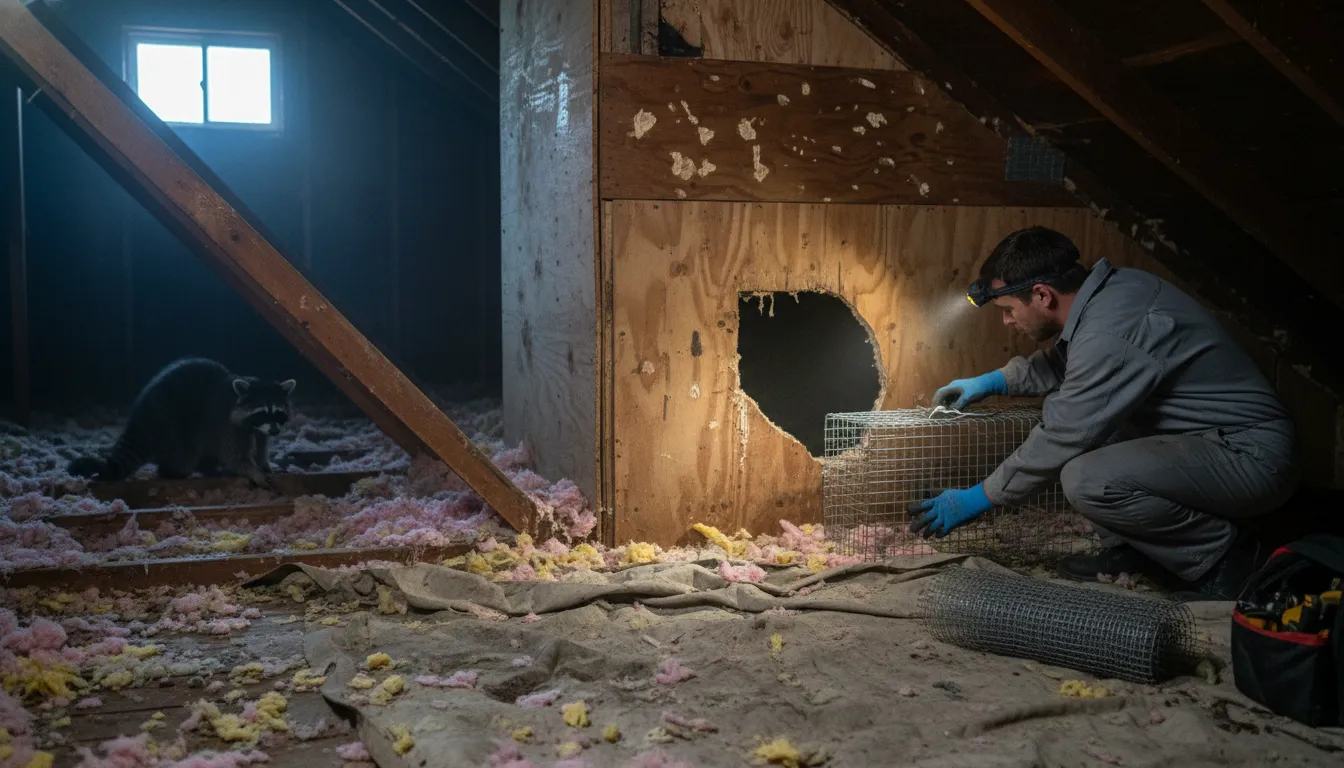
Find the Best Wildlife Removal Companies for Your Business
No obligation • Fast responses • Nationwide coverage

Why you can trust Pest Crews
Pest Crews is a leading U.S. resource for finding and evaluating residential and commercial pest control services. Our team researches providers, reviews treatment approaches, and organizes unbiased information to help you make informed decisions. Companies cannot pay to change our editorial content or influence how they appear.
Search providers near you
Best Wildlife Removal Companies in Utah Ranked
Discovering wildlife in your home or business can be unsettling. Professional wildlife removal is the safe, legal, and humane process of evicting unwanted animals from your property and preventing their return. This service is crucial for protecting your health, safety, and the structural integrity of your building. The following guide will help you understand Utah's specific wildlife laws, common nuisance species, and how to find qualified local professionals to resolve your situation.
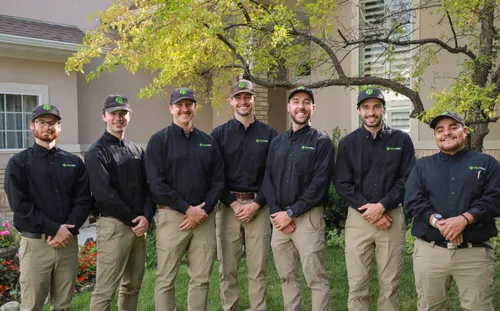
Pest Pro Pest Control
3335 S 900 E Ste 200, Salt Lake City, UT 84106
Pest Pro Pest Control is a Salt Lake City, UT-based company specializing in residential and commercial pest management. They offer services including bed bug treatment, rodent and wildlife removal, termite inspections, and insect control such as ants, cockroaches, and wasps. Their approach centers on Integrated Pest Management (IPM), using EPA-registered, family- and pet-friendly products to address infestations while minimizing environmental impact. Recognized with multiple local awards in 2025, Pest Pro combines certified expertise with a focus on long-term pest prevention and safety.
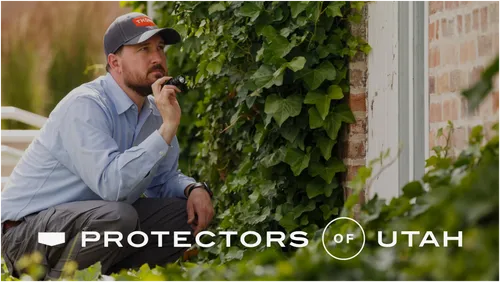
Thorn Pest Solutions Salt Lake City
Salt Lake City, UT
Thorn Pest Solutions Salt Lake City is a pest management company serving Salt Lake City, UT, with over 15 years of experience. They provide comprehensive residential and commercial pest control services, addressing issues such as bed bugs, cockroaches, ants, rodents, termites, mosquitoes, bees, wasps, and wildlife. Their approach is science-backed and customized, involving thorough inspections and tailored treatment plans to effectively manage and prevent infestations. Thorn's team includes certified entomologists and urban rodentologists who apply biology-based methods to protect homes and businesses from pests that can cause health risks and structural damage. Established in 2007, Thorn Pest Solutions focuses on long-term prevention and offers specialized services for various industries including government, hospitality, food processing, schools, and healthcare.
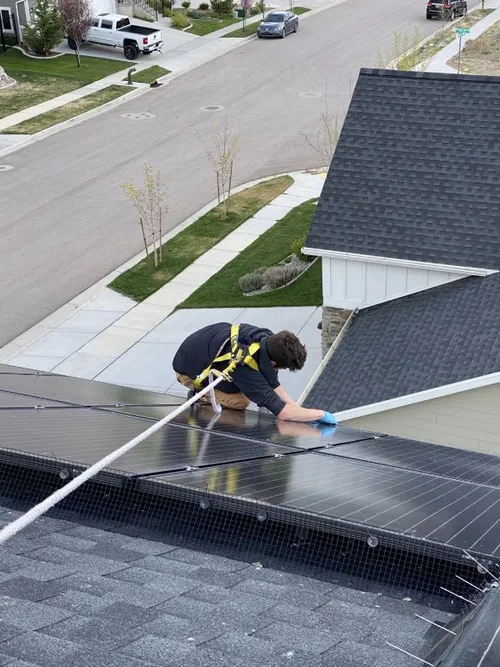
Daniel's Wildlife & Pest Control
6870 S Village Green Rd, Cottonwood Heights, UT 84121
Daniel's Wildlife & Pest Control is a wildlife removal and pest control company based in Salt Lake City, UT. They provide services to manage and remove various wildlife and pest issues in the area. The company focuses on safe and effective wildlife and pest control solutions tailored to local needs.
Serve Pest Control
9980 S 300 W, Sandy, UT 84070
Serve Pest Control provides comprehensive pest control services in Salt Lake City, UT, handling a wide range of pests including ants, cockroaches, rodents, termites, mosquitoes, bees, wasps, and wildlife. Their licensed technicians offer both residential and commercial pest management, using environmentally friendly products and customized treatment plans to ensure safe and effective pest elimination. The company treats entire properties and offers a year-round pest warranty with unlimited re-services if pests return. Serve Pest Control has built its expertise through years of experience and focuses on maintaining safe environments for families and businesses.
Mountain West Pest Control
3343 S Main St, Salt Lake City, UT 84115
Mountain West Pest Control is a locally owned pest control company serving Salt Lake City, UT. They provide comprehensive pest management services for homes and businesses, including treatment for ants, bed bugs, cockroaches, mosquitoes, rodents, termites, and wildlife removal. Their approach covers the entire property from curb to fence line and includes the use of hospital-grade, people- and pet-friendly products. Mountain West Pest Control also offers lawn care services designed to prevent pest attraction and conserve water. Founded by experienced professionals from national companies, they focus on personalized service and offer free re-treatments between quarterly visits.
Understanding Utah's Wildlife Regulations
Before taking any action, it's essential to understand the legal framework governing wildlife control in Utah. The state classifies animals into two main categories: protected and non-protected species. This distinction determines the rules for removal and whether you need a permit from the Utah Division of Wildlife Resources (DWR).
Protected Species include most native birds and mammals, such as squirrels, bats, songbirds, deer, and bears. For these animals, you must obtain a DWR permit or authorization before you can take, possess, or transport them 1. This includes many animals that commonly become nuisances in attics or walls.
Non-Protected Species are animals that can be controlled if they are causing damage, provided non-lethal methods have failed first. This group includes common nuisance animals like raccoons, coyotes, skunks, ground squirrels, gophers, and rodents such as house mice and Norway rats 2 3. While a hunting or trapping license is not required for these species, all actions must comply with state and federal laws, which prohibit the use of poison or bait for birds.
A key general rule is that you must always attempt non-lethal control methods first. Furthermore, anyone handling wildlife should wear protective gloves to prevent the spread of disease.
Common Nuisance Wildlife in Utah
Utah's diverse landscapes bring a variety of wildlife into close contact with human habitats. Knowing which animal you're dealing with is the first step toward an effective solution.
- Raccoons & Skunks: These intelligent, dexterous animals are attracted to garbage, pet food, and accessible crawl spaces. They can tear up insulation, damage ductwork, and pose a rabies risk.
- Rodents (Mice & Rats): House mice and Norway rats are year-round pests that contaminate food, chew through wires (creating fire hazards), and can reproduce rapidly inside walls and attics.
- Squirrels: While some species are protected, others like ground squirrels are non-protected. They can cause significant damage by chewing on structural wood, siding, and electrical lines.
- Bats: Bats are protected in Utah and often roost in attics or wall voids. Their guano (droppings) can pose serious health risks and cause structural damage. Removal requires special exclusion techniques that allow bats to leave but not re-enter, often outside of maternity seasons.
- Coyotes: These adaptable predators may prey on small pets and livestock. They can be controlled if they are a threat, with specific rules about trapping near dwellings.
- Birds (Pigeons, Starlings, etc.): Birds nesting in vents or on roofs can block airflow, introduce mites, and their droppings are corrosive. All native birds are protected by federal law, requiring specific permits for removal, and the use of poison is strictly prohibited 4 5.
The Professional Wildlife Removal Process
A reputable wildlife control operator follows a systematic, humane, and legal process to ensure the problem is solved permanently.
- Inspection & Assessment: The professional will conduct a thorough inspection of your property to identify the species, locate all entry points, and assess the extent of the infestation and damage.
- Humane Eviction/Removal: Using legal, species-appropriate methods, the animals are removed. This may involve one-way exclusion doors, live trapping (where legal), or hand-removal. Lethal control is typically a last resort and must comply with all regulations.
- Cleanup & Sanitation: This critical step involves removing contaminated insulation, droppings, and nesting materials. Areas are then treated with enzymatic cleaners and disinfectants to eliminate odors and health hazards.
- Exclusion & Repair: All identified entry points are permanently sealed with durable materials like steel mesh, hardware cloth, or chimney caps to prevent re-entry. This is the key to a long-term solution.
- Restoration: The professional may offer services to repair damage caused by the wildlife, such as replacing insulation, repairing chewed wires, or fixing damaged soffits and vents.
Find the perfect wildlife removal companies for your needs
Get personalized recommendations and expert advice
What to Expect: Costs and Considerations
The cost of wildlife removal in Utah varies widely based on the species, the extent of the infestation, the location of the animal, and the necessary repairs.
- General Range: Many standard removal jobs start between $150 and $250, but complex situations can cost significantly more.
- Raccoons & Skunks: Removal from an attic or crawl space typically ranges from $300 to over $600.
- Squirrels: Squirrel removal and exclusion often falls between $200 and $600.
- Bats: Bat exclusion is a specialized job and can be one of the more expensive services, potentially reaching $700 or more due to the meticulous exclusion process required.
- Rodents (Mice/Rats): Comprehensive rodent control, including trapping, exclusion, and cleanup, can range from $175 to $550.
- Birds: Bird control costs are highly variable ($100 to thousands of dollars), depending on the scale of the problem and the exclusion methods needed (e.g., netting, spikes, vent screening) 6.
When evaluating providers, always ask for a detailed, written estimate that breaks down inspection, removal, cleanup, exclusion, and any restoration costs. Ensure the company is fully licensed and insured, and that they guarantee their exclusion work.
DIY vs. Professional Help
While some minor issues with non-protected species might be addressed by homeowners, professional help is strongly recommended in most cases.
Risks of DIY Removal:
- Legal Liability: Mistakenly harming a protected species can result in significant fines.
- Health Hazards: Exposure to rabies, histoplasmosis (from bat guano), hantavirus (from rodent droppings), and parasites.
- Ineffective Solutions: Sealing an entry point while animals are still inside leads to dead animals in walls, worse odors, and damage.
- Safety Risks: Handling frightened or injured wildlife can lead to serious bites or scratches.
Professionals have the training, equipment, and legal knowledge to resolve the issue safely, humanely, and permanently, saving you time, potential injury, and costly mistakes.
Preventing Future Wildlife Problems
Once your property is secured, ongoing prevention is key.
- Secure Food Sources: Keep trash in sealed cans with locking lids. Do not leave pet food outdoors overnight. Use bird feeders that are difficult for squirrels and raccoons to access.
- Eliminate Shelter: Trim tree branches that overhang your roof. Keep woodpiles and dense vegetation away from your home's foundation. Seal off crawl space vents with sturdy mesh.
- Perform Regular Maintenance: Inspect your roof, siding, and foundation annually for new gaps, holes, or loose vents. Ensure chimney caps are intact and secure.
Disclaimer: Wildlife regulations are subject to change. Always verify the current rules with the Utah Division of Wildlife Resources and your local city ordinances before proceeding with any control actions 7 8.
Frequently asked questions
Sources
Footnotes
-
Title 23. Wildlife Resources Code of Utah | Animal Legal & Historical Center - https://www.animallaw.info/statute/ut-wildlife-title-23-wildlife-resources-code-utah ↩
-
DWR reminds public about not illegally keeping wildlife - https://wildlife.utah.gov/news/utah-wildlife-news/1209-dwr-reminds-public-to-not-illegally-keep-wildlife.html ↩
-
Table of Contents - Millcreek, UT - https://www.millcreekut.gov/435/Urban-Wildlife-Info ↩
-
Wildlife Resources - Utah Office of Administrative Rules - https://adminrules.utah.gov/public/rule/R657-11/Current%20Rules ↩
-
Utah Admin. Code R657-3b-9 - Nuisance Bird and Mammal Species | State Regulations | US Law | LII / Legal Information Institute - https://www.law.cornell.edu/regulations/utah/Utah-Admin-Code-R657-3b-9 ↩
-
Expert Utah Wildlife Control. Better Known as "Wildlife Exterminator" - https://thornservices.com/services/wildlife-management ↩
-
Utah Code Section 23A-5-309 - https://le.utah.gov/xcode/Title23A/Chapter5/23A-5-S309.html ↩
-
R657-3b CIP New Rule - Utah Division of Wildlife Resources - https://wildlife.utah.gov/public_meetings/rac_minutes/2023-05-R657-3b-cip-new-rule.pdf ↩