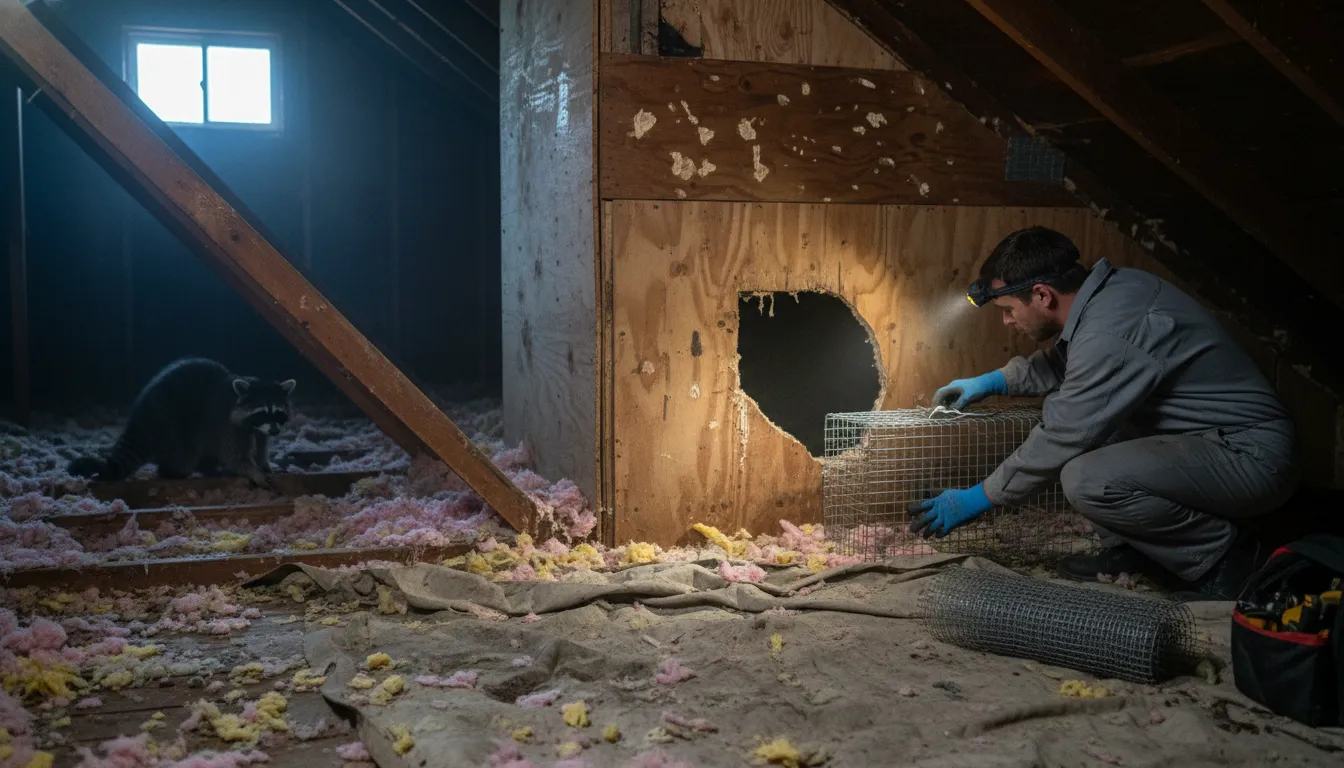
Find the Best Wildlife Removal Companies for Your Business
No obligation • Fast responses • Nationwide coverage

Why you can trust Pest Crews
Pest Crews is a leading U.S. resource for finding and evaluating residential and commercial pest control services. Our team researches providers, reviews treatment approaches, and organizes unbiased information to help you make informed decisions. Companies cannot pay to change our editorial content or influence how they appear.
Search providers near you
Best Wildlife Removal Companies in Wisconsin Ranked
Finding an unwelcome wild animal in your home or on your property can be stressful. Whether it's a raccoon in the attic, a squirrel in the chimney, or a beaver damming a creek, understanding your options for wildlife control is crucial. In Wisconsin, the rules for dealing with nuisance animals are defined by state regulations and vary significantly depending on the species and location. This guide explains the legal landscape, your rights as a property owner, and how to find qualified local professionals to handle wildlife conflicts safely and humanely.
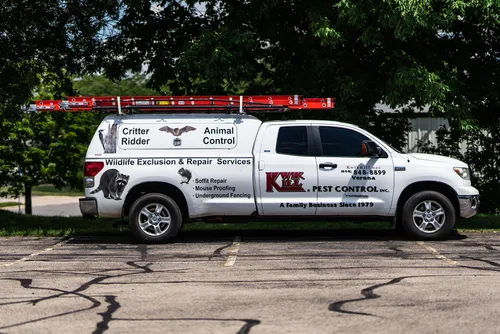
Critter Ridder Wildlife Solutions
4605 Helgesen Dr, Madison, WI 53718
Critter Ridder Wildlife Solutions in Madison, WI specializes in nuisance wildlife removal and exclusion services. They handle a variety of pests including bats, birds, squirrels, raccoons, and rodents. Their process includes inspection, identification, exclusion, repairs, and remediation such as insulation replacement and sanitization to prevent re-entry and address related issues. Critter Ridder is part of Kwik Kill Pest Control Inc. and offers comprehensive wildlife control solutions from start to finish.
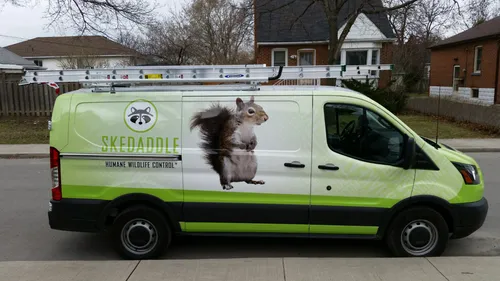
Skedaddle Humane Wildlife Control
Milwaukee, WI
Skedaddle Humane Wildlife Control provides humane wildlife removal and exclusion services in Milwaukee, WI. They address urban wildlife challenges involving raccoons, squirrels, skunks, bats, rodents, and birds, using ethical methods that safely relocate animals to natural habitats. Their expertise includes thorough property assessments to identify entry points and prevent future intrusions, ensuring long-term solutions tailored to local wildlife behavior. Skedaddle emphasizes environmentally conscious practices that support the local ecosystem while maintaining the safety and integrity of homes and businesses. They also serve surrounding Wisconsin communities such as Lake County, Madison, and Waukesha.
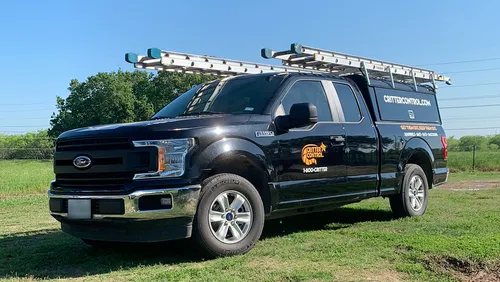
Critter Control Madison
Madison, WI
Critter Control Madison provides wildlife removal and pest control services in Madison, WI. They handle a variety of nuisance animals including raccoons, rodents, squirrels, birds, and bats using humane removal methods. Their process includes inspection, removal, exclusion, and repair to ensure long-term solutions and restoration of damaged property. The company also offers specialized treatments for parasites and sanitation after animal removal. Critter Control Madison emphasizes safe, humane practices and has many years of experience in wildlife control. They are available around the clock to assist with wildlife issues.

Pest Badger Madison
Madison, WI
Pest Badger Madison is a licensed and insured pest control company serving Madison, WI. They provide comprehensive pest management services including bed bug treatment, rodent control, mosquito control, and wildlife removal. Their approach starts with a thorough inspection, followed by eco-friendly treatment applications and ongoing prevention measures to keep homes pest-free. Pest Badger uses environmentally safe products suitable for homes with children and pets, focusing on effective and responsible pest elimination.
Critter Control Milwaukee
Milwaukee, WI
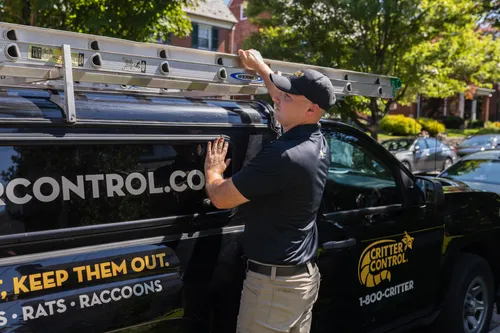
Critter Control Milwaukee provides wildlife removal and pest control services in Milwaukee, WI. They handle a variety of nuisance animals including raccoons, rodents, squirrels, bats, opossums, skunks, and birds. Their process includes inspection, humane trapping and removal, exclusion to prevent re-entry, and repair of any damage caused by wildlife. The company offers specialized services such as bat exclusion with bat valves and rodent control with sealing of entry points. They serve both residential and commercial properties, addressing issues from attics to crawl spaces and outdoor areas.
Understanding Wisconsin's Wildlife Classification
Not all animals are treated equally under Wisconsin law. The Department of Natural Resources (DNR) categorizes wildlife, which directly impacts how you can respond to a problem.
- Common Nuisance Animals: Landowners generally have more flexibility when dealing with species like coyotes, beavers, foxes, raccoons, woodchucks (groundhogs), rabbits, and common tree squirrels (Eastern Gray and Red) on their own property. These are often considered unprotected or have specific seasons and methods outlined for control.
- Protected Species: This category includes endangered, threatened, or specially regulated wildlife. It is illegal to harm, trap, or possess these animals without explicit permits from the DNR. Protected species in Wisconsin include wolves, badgers, cougars, lynx, moose, flying squirrels, most rattlesnakes, and birds like cranes and swans 1 2. Handling these animals always requires professional, permitted intervention.
Landowner Rights and the DIY Approach
Wisconsin law provides a "landowner exemption" that allows you to address certain wildlife problems on the land you own or occupy without a trapping license. This is most applicable to common nuisance animals causing damage.
Key Rules for DIY Wildlife Removal:
- Live Trapping: For common species, you may use cage traps. However, state law mandates that a live-trapped animal must be either released on the private property where you have permission or humanely euthanized within 24 hours of capture 3. You cannot simply relocate an animal to public land or another neighborhood.
- Methods in Urban Areas: In cities or towns where discharging firearms is prohibited, live cage trapping is typically the only legal removal method for common animals, and the same 24-hour rule applies 4.
- Limitations: The landowner exemption does not allow you to ignore other laws, such as those prohibiting cruel methods or the taking of protected species. It also generally applies to the property you occupy, not a neighbor's land.
While a DIY approach can be cost-effective for simple problems, it requires knowledge of safe handling, proper trap placement, and a plan for what to do with the animal once caught. For many, especially with animals in attics or walls, the expertise of a professional is worth the investment.
When You Need a Professional: Licensed Nuisance Wildlife Control Operators
For complex situations, protected species, or if you prefer not to handle the problem yourself, hiring a licensed Nuisance Wildlife Control Operator (NWCO) is the best course of action. These professionals are trained and licensed by the state to handle wildlife conflicts legally and ethically.
What an NWCO Provides:
- Proper Identification: Correctly identifying the species is the first step, as it determines the legal protocol.
- Permit Acquisition: For protected species, a licensed NWCO will obtain the necessary DNR permits.
- Humane and Effective Removal: They use specialized techniques to remove animals without causing unnecessary harm.
- Exclusion and Prevention: The most critical service is not just removing the current animal but sealing entry points (like roof vents or chimney caps) and advising on habitat modification to prevent future invasions.
- Compliance with Laws: A professional ensures all actions comply with Wisconsin DNR regulations and local ordinances, protecting you from potential liability.
Find the perfect wildlife removal companies for your needs
Get personalized recommendations and expert advice
Common Wildlife Issues and Estimated Costs in Wisconsin
The cost of wildlife removal varies widely based on the animal, the extent of the problem, and the required solutions. Here's a general overview of common scenarios:
- Raccoons & Squirrels (Removal & Exclusion): Removing a raccoon family or squirrels from an attic and then sealing all potential entry points is a common service. Costs typically range from $200 to over $600, depending on the complexity of the exclusion work.
- Beavers, Coyotes, & Foxes: Removal of these larger animals or resolving damage (like beaver dam flooding) can be more involved. Prices can range from a few hundred dollars to over $1,000 for extensive trapping or dam removal services 5.
- Protected Species & Emergency Removals: Situations involving wolves, badgers, or other protected species, or emergency removals outside standard hours, will incur higher costs due to the required permits, specialized skills, and immediate response.
Always request a detailed, written estimate from any service provider before work begins.
The Legal Process and Permitting
Navigating the legal requirements is a central part of wildlife management in Wisconsin.
- Identify the Species: Determine if you're dealing with a common nuisance animal or a protected species. When in doubt, assume it's protected and contact a professional.
- Assess Landowner Options: If it's a common species on your property, you can consider DIY methods within the legal framework described above.
- Contact the DNR or an NWCO: For protected species, significant damage, or if you are unsure, your first call should be to a licensed NWCO or the Wisconsin DNR for guidance 6. The DNR can provide specific information and, if appropriate, direct you to permitted professionals.
- Follow Humane and Legal Protocols: Whether acting as a landowner or hiring a pro, all actions must prioritize humane treatment and adhere to state and federal laws. Illegal trapping or harming of protected wildlife can result in significant fines 7.
The overarching principle in Wisconsin is to manage wildlife conflicts responsibly, respecting the balance between human needs and animal welfare. By understanding the rules-knowing what you can do yourself and when to call a licensed expert-you can resolve wildlife problems effectively and within the law.
Frequently asked questions
Sources
Footnotes
-
Wildlife Damage Management Laws and Regulations (G3997-001) - https://woodlandinfo.org/wp-content/uploads/sites/383/2017/09/G3997-001.pdf ↩
-
Tree Squirrel Ecology and Damage Management - https://wildlifedamage.cals.wisc.edu/wp-content/uploads/sites/289/2025/01/Tree-Squirrels-01-21-2025.pdf ↩
-
Nuisance Wildlife Guidelines - https://blogs.extension.wisc.edu/mgvlevel1/files/2012/10/WI-DNR-Nuisance-Wildlife-Guidelines.pdf ↩
-
Nuisance Animal Removal - Wisconsin Trappers Association - https://wistrap.org/nuisance-animal-removal ↩
-
Nuisance Wildlife Control Operators - NWCO - http://www.aaanimalcontrol.com/Professional-Trapper/wildlifecontrol.htm ↩
-
Nuisance, Urban And Damaging Wildlife | | Wisconsin DNR - https://dnr.wisconsin.gov/topic/WildlifeHabitat/damage ↩
-
Can you legally own a tiger, wallaby, or other wild pet in Wisconsin? - https://www.jsonline.com/story/news/investigations/public-investigator/2025/10/30/wisconsin-exotic-pet-laws-can-you-legally-own-a-wild-pet/86949644007/ ↩