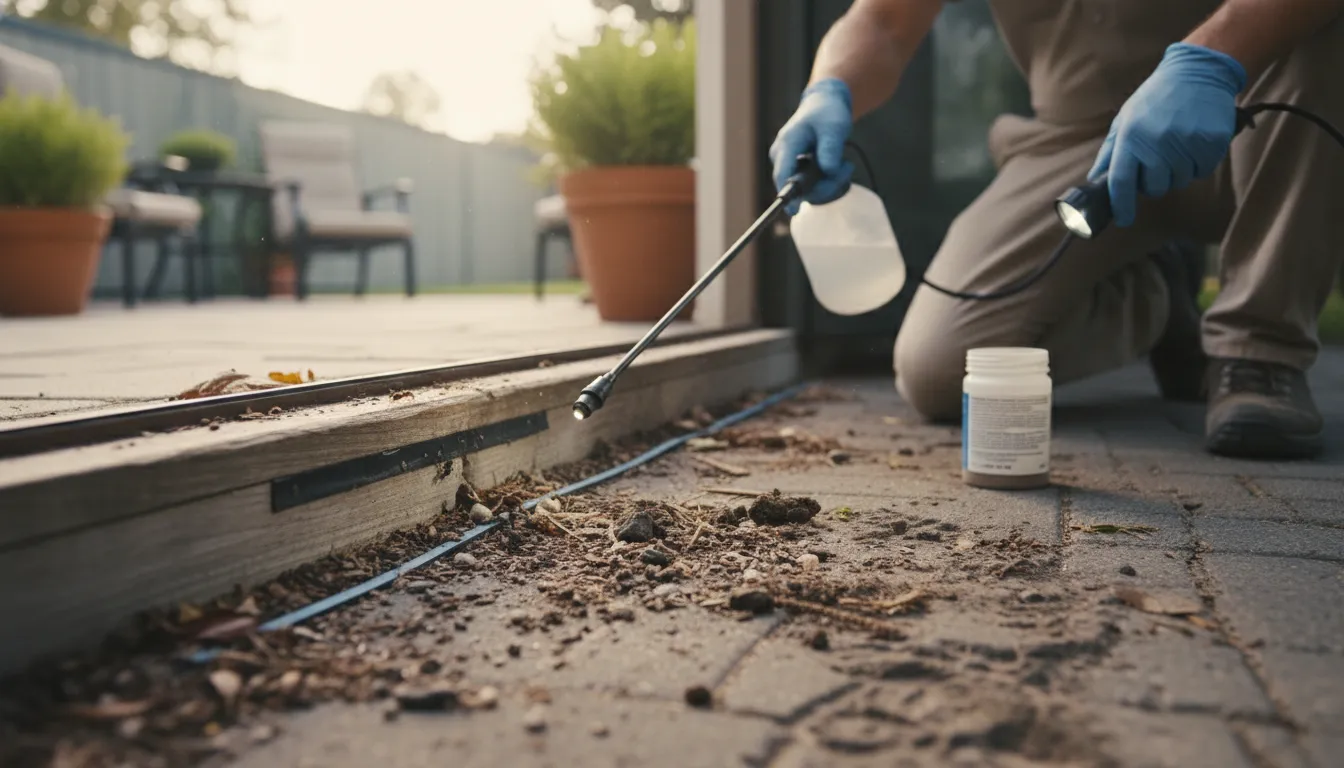
Find the Best Ant Control Companies for Your Business
No obligation • Fast responses • Nationwide coverage

Why you can trust Pest Crews
Pest Crews is a leading U.S. resource for finding and evaluating residential and commercial pest control services. Our team researches providers, reviews treatment approaches, and organizes unbiased information to help you make informed decisions. Companies cannot pay to change our editorial content or influence how they appear.
Search providers near you
Top Ant Control Companies in Anchorage, Alaska Ranked
Dealing with an ant invasion in your Anchorage home or business can be a persistent and frustrating problem. Effective ant management is crucial, not only for peace of mind but to protect your property from potential damage, especially from local species like carpenter ants. This guide explains the specifics of ant control in Anchorage, detailing common infestation areas, professional treatment methods, and what you can expect from the process, helping you make an informed decision when seeking local ant extermination services.

Eagle Pest Control & Tree Service
Anchorage, AK
Eagle Pest Control & Tree Service is a locally owned pest control company serving Anchorage, AK, and surrounding areas including Eagle River, Wasilla, Palmer, and the Kenai Peninsula. With over 23 years of experience, they offer year-round pest management for homes and businesses, specializing in treatments for bed bugs, carpenter ants, cockroaches, spiders, and rodents. Their services include customized treatment plans, preventative maintenance, and advanced capabilities such as Thermal Remediation Heat treatments for bed bugs, which provide non-toxic, guaranteed results. The company uses EPA-approved, pet- and people-friendly products and is available seven days a week to address pest issues promptly.
Eco Pros Pest Solutions
721 Depot Dr, Anchorage, AK 99501
Eco Pros Pest Solutions is a pest control company based in Anchorage, AK, offering both regular and organic pest management services. They handle a variety of pests including bed bugs, cockroaches, ants, rodents, mosquitoes, bees, wasps, and spruce beetles. Their services include biannual and quarterly treatment plans designed to control infestations effectively over time. A notable capability is their specialized spruce beetle treatment, which uses power spray or liquid injection methods to protect spruce trees from damage caused by beetle infestations. All technicians are licensed and certified by the state of Alaska, ensuring safe and effective application of pest control products.
Eagle Pest Control & Tree Services
6850 Ord Ln, Wasilla, AK 99654
Eagle Pest Control & Tree Services is a locally owned pest control company serving Anchorage, AK, and surrounding areas including Eagle River, Wasilla, Palmer, and the Kenai Peninsula. With over 23 years of experience, they provide year-round pest management for homes and businesses, specializing in treatments for bed bugs, carpenter ants, cockroaches, spiders, and rodents. Their services include customized treatment plans and preventative maintenance using EPA-approved, pet- and people-friendly products. They offer thermal remediation heat treatments for bed bugs, a non-toxic method that kills pests in one day and comes with a 90-day warranty. Eagle Pest Control & Tree Services operates seven days a week to address pest problems promptly.
Eagle Pest Control & Tree Service
Anchorage, AK
Eagle Pest Control & Tree Service is a locally owned company serving Anchorage, AK, and surrounding areas including Eagle River, Wasilla, Palmer, and the Kenai Peninsula. With over 23 years of experience, they provide year-round pest management for homes and businesses. Their services include bed bug treatment, carpenter ant control, cockroach elimination, spider and insect control, and rodent exclusion. They specialize in thermal remediation heat treatments for bed bugs and use EPA-approved, pet- and people-friendly products. The company offers customized treatment plans and preventative maintenance programs to address various pest challenges. Eagle Pest Control is available seven days a week to support local customers.
Alaska Affordable Pest
Anchorage, AK
Alaska Affordable Pest provides pest control and wildlife removal services in Anchorage, AK, and surrounding areas including Eagle River, Wasilla, Palmer, and Girdwood. They offer treatments for ants, bed bugs, rodents, bees, wasps, and other pests, focusing on long-term prevention and humane wildlife removal. The company is licensed and insured, with capabilities in rodent control and organic pest management. They serve both residential and commercial clients in the Anchorage region.
Understanding Anchorage's Primary Ant Threat
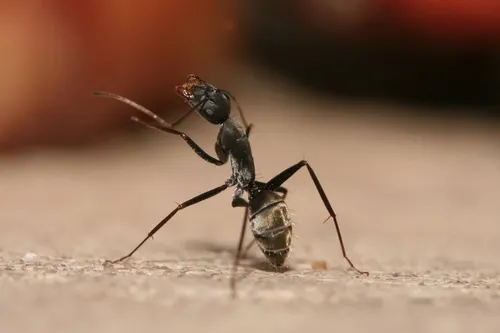
In Anchorage, the most significant ant concern is the carpenter ant. Unlike termites that eat wood, carpenter ants excavate it to create smooth, clean galleries for their nests, which can compromise the structural integrity of your property over time 1. Identifying an infestation early is key; look for piles of fine sawdust-like material (frass), rustling sounds inside walls, or the sight of large, black ants foraging, especially at night. While other nuisance ants may invade kitchens, carpenter ants pose a more serious threat due to their potential for structural damage 2.
Common Entry Points and Nesting Sites in Alaskan Homes
Ants are opportunistic and will exploit any weakness to enter a building in search of food, water, and shelter. In Anchorage's climate, certain areas are particularly vulnerable.
- Damp or Decayed Wood: Carpenter ants are highly attracted to moisture-damaged wood. This damage often stems from leaky pipes, foundation cracks, or poor ventilation around windows and doors. They prefer to establish their primary nests in this softened wood, making areas like wall voids near plumbing, window frames, and roof eaves prime targets.
- Kitchens and Bathrooms: These rooms provide the essential resources all ants seek: water and food. Crumbs, spills, and unsealed pantry items attract smaller nuisance ants, while persistent moisture under sinks or around appliances creates ideal conditions for carpenter ants.
- Exterior Perimeters: Your home's exterior is the first line of defense. Ants use cracks in the foundation, gaps around utility lines, walkways, and fence lines as highways to your home. Overgrown landscaping, such as shrubs and tree branches touching the siding or roof, provides a direct bridge for ants to enter 3.
- Dark, Secluded Areas: Ants prefer to nest and travel out of sight. Common hidden nesting sites include wall voids, insulated crawl spaces, basements, and attics. Firewood or lumber piles stored directly against the house are also frequent nesting grounds and serve as a launching point for indoor invasion 4 5.
The Professional Ant Extermination Process
Trying to tackle an ant colony with over-the-counter sprays often fails because it only kills the visible foragers, leaving the hidden nest intact. Professional pest management in Anchorage follows a systematic, multi-step approach designed for complete eradication.
- Inspection: A thorough inspection is the critical first step. A trained technician will identify the specific ant species, locate primary and satellite nesting sites, and pinpoint all entry points and underlying moisture problems. This investigation informs the entire treatment strategy.
- Targeted Treatment: Professionals use specialized products not available to the public. A common and effective strategy involves using non-repellent insecticides or specific baits. Foraging ants walk through these treatments without dying immediately, allowing them to carry the active ingredient back to the colony and share it, eventually eliminating the queen and the entire nest 6 7.
- Perimeter Barrier: To prevent new ants from entering, a long-lasting residual insecticide is typically applied around the home's foundation, creating a protective barrier. This treatment targets ants as they attempt to cross from the yard into the structure.
- Addressing Contributing Factors: A lasting solution requires more than just insecticide. Your technician will provide recommendations for making your property less attractive to ants. This includes sealing cracks with caulk, fixing leaks, improving ventilation, trimming back vegetation, and advising on proper food storage and sanitation practices 8 9.
Find the perfect ant control companies for your needs
Get personalized recommendations and expert advice
What to Expect After Professional Ant Treatment
Understanding the timeline after an ant control service can manage expectations and prevent unnecessary concern.
- Initial Activity: It's common to see an increase in ant activity for a short period (24-48 hours) immediately after treatment. This is not a sign of failure; it means the ants have been disturbed from their nests and are interacting with the applied products.
- Noticeable Reduction: You should observe a significant drop in the number of visible ants within a few days as the treatment begins to work through the colony 10.
- Complete Elimination: Full colony elimination is not instantaneous. Depending on the size and location of the nest, it can take anywhere from one to several weeks, with most infestations being resolved within two weeks. The goal is to ensure the reproductive queen is eliminated, which stops the colony at its source 11 12 13.
- Follow-up Visits: For severe or persistent infestations, particularly with carpenter ants, a follow-up visit may be included or recommended to ensure the treatment was fully effective and to apply additional barriers if needed.
Understanding Ant Control Costs in Anchorage
Pricing for ant extermination in Anchorage varies based on the infestation's severity, the property's size, and the service frequency required. Here's a general breakdown of what you might expect 14:
- One-Time Treatment: For a minor to moderate ant problem, a single, comprehensive treatment typically ranges from approximately $150 to $400. This covers the inspection, targeted application, and perimeter barrier.
- Ongoing Service Plans: For year-round protection and prevention, many homeowners opt for quarterly service plans. These are often more cost-effective in the long run and typically cost between $100 and $300 per treatment visit 15.
- Severe Infestations: Major problems, especially extensive carpenter ant nests within structural elements of a home, require more intensive labor and materials. Treatment for these severe cases can cost $800 to $1,400 or more 16 17.
- Inspection Fees: Some companies include the inspection cost if you proceed with service, while others may charge a separate diagnostic fee, usually around $50 to $100 18 19.
For personalized quotes and solutions tailored to your specific situation in Anchorage, consulting with established local providers is the best course of action 20 21.
Frequently asked questions
Sources
Footnotes
-
Schandelmeier: Creatures great and small - very small - https://www.adn.com/outdoors/article/schandelmeier-creatures-great-and-small-very-small/2014/04/30/ ↩
-
Common Alaskan Pests and How to Identify Them | Pied Piper - https://alaskapest.com/2024/09/common-alaskan-pests-and-how-to-identify-them/ ↩
-
Carpenter Ants in Alaska - USDA Forest Service - https://www.fs.usda.gov/media/38904 ↩
-
Termites vs. Carpenter Ants: Understanding Southeast Alaska's Wood Destroyers - https://alaskapestinc.com/ants/termites-vs-carpenter-ants-understanding-southeast-alaskas-wood-destroyers/ ↩
-
Top 10 Tips to Prevent Carpenter Ants from Invading Your Home During The Winter - Truly Nolen Pest Control & Exterminators Canada - https://www.trulynolen.ca/tips-to-prevent-carpenter-ants-from-invading-your-home/ ↩
-
How do professional exterminators get rid of ants? - https://www.westernexterminator.com/ants/how-to-get-rid-of-ants ↩
-
Keeping Ants at Bay: The Ultimate Guide to Ant Control for ... - https://pestfree123.com/keeping-ants-at-bay/ ↩
-
How APM Stops Ant Infestations Before They Spread - https://alaskapestinc.com/ants/from-crumbs-to-colonies-how-apm-stops-ant-infestations-before-they-spread/ ↩
-
Seasonal Pest Control Tips: Preparing Your Alaskan Home for Spring - https://alaskapest.com/2025/04/seasonal-pest-control-tips-preparing-your-alaskan-home-for-spring/ ↩
-
How Long Does Pest Control Take to Work? What to Expect ... - https://www.bug-a-pest.com/how-long-does-pest-control-take-to-work-what-to-expect-after-treatment ↩
-
Ant Management & Control - https://sentinelpest.com/ant-management-process/ ↩
-
How Long After Pest Control Treatment Do Bugs Die? - https://econobugpc.com/how-long-after-pest-control-treatment-do-bugs-die/ ↩
-
How Long Does It Take to Stop Seeing Ants After an ... - https://critterwranglerstn.com/ants/how-long-to-stop-seeing-ants-after-exterminator/ ↩
-
How much does Ant extermination cost? - Yelp - https://www.yelp.com/costs/ant_extermination ↩
-
How Much Does an Exterminator Cost? - Candor Pest Control - https://candorpestcontrol.com/blog/pest-control-costs-near-me/ ↩
-
How much does it cost to exterminate ants: 2025 Best Guide - https://bigginsexterminating.com/how-much-does-it-cost-to-exterminate-ants/ ↩
-
How Much Does an Ant Exterminator Cost? [2026 Data] | Angi - https://www.angi.com/articles/how-much-does-it-cost-get-rid-ants.htm ↩
-
How Much Does Pest Control Cost? 2025 Service Price Guide - https://bettertermite.com/how-much-does-pest-control-cost/ ↩
-
How Much Does Pest Control Cost in Anchorage, AK - https://pestextinct.com/anchorage-ak-pest-control/ ↩
-
Pest Control for Ants in Alaska | Ant Exterminator | Pied Piper - https://alaskapest.com/pest-control-for-ants/ ↩
-
Pest Control in Anchorage, AK - https://alaskapest.com/pest-control-in-anchorage-ak/ ↩