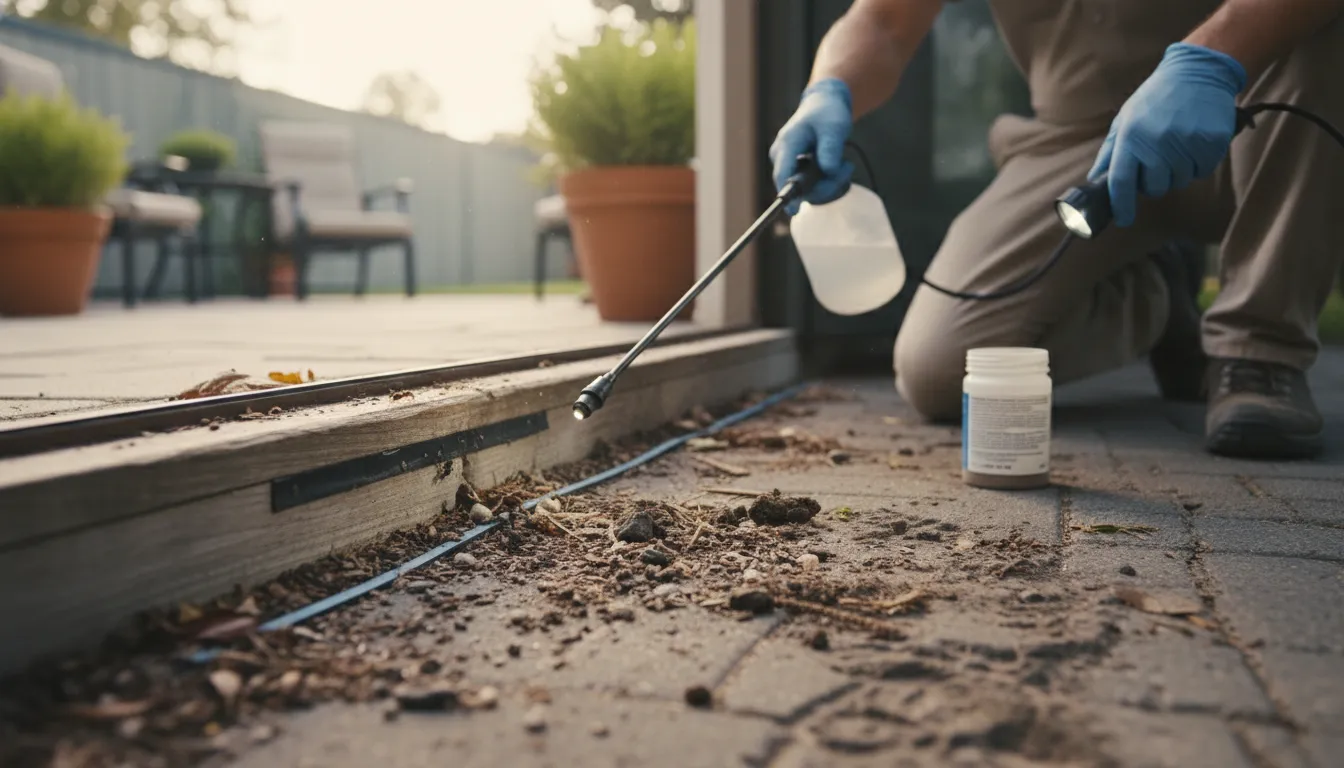
Find the Best Ant Control Companies for Your Business
No obligation • Fast responses • Nationwide coverage

Why you can trust Pest Crews
Pest Crews is a leading U.S. resource for finding and evaluating residential and commercial pest control services. Our team researches providers, reviews treatment approaches, and organizes unbiased information to help you make informed decisions. Companies cannot pay to change our editorial content or influence how they appear.
Search providers near you
Best Ant Control Companies in Florida Ranked
Ants are a year-round reality for Florida homeowners and businesses. The state's warm, humid climate provides the perfect environment for a variety of ant species to thrive, from nuisance invaders to those that can damage property or deliver painful stings. Effective ant management is about more than just squashing the ones you see; it requires understanding the specific species, their behavior, and implementing a targeted strategy. This guide provides clear, practical information to help you identify common Florida ants, understand prevention and control methods, and know when to seek professional assistance for a lasting solution.
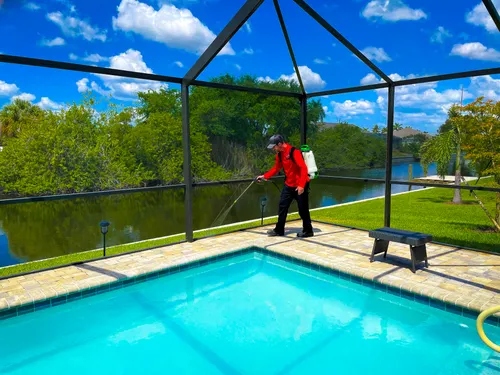
All U Need Pest Control Cape Coral
Cape Coral, FL
All U Need Pest Control Cape Coral provides pest control and termite inspection services in Cape Coral, FL. They offer residential and commercial pest management, focusing on eliminating ants, termites, fleas, ticks, and other pests from homes and yards. Their approach includes thorough inspections of attics, garages, sheds, and yards, followed by tailored treatment plans using pet and family-friendly products. They also provide follow-up visits and ongoing maintenance to prevent future infestations.
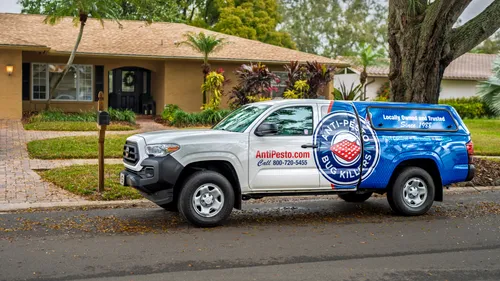
Anti-Pesto Bug Killers Inc
6619 S 78th St Suite 116, Riverview, FL 33578
Anti-Pesto Bug Killers Inc is a family-operated pest control company serving Tampa, FL, and the surrounding Hillsborough County areas including Riverview, Brandon, and Plant City. Established in 1988, they provide comprehensive pest management services targeting over 25 common pests such as ants, cockroaches, rodents, termites, mosquitoes, and wasps. Their termite control includes baiting, liquid treatments, and both tenting and no-tent options for drywood termites. Anti-Pesto also offers ongoing mosquito control and rodent exclusion services with attic cleaning and re-insulation options. They provide same-day service for calls before noon on weekdays.
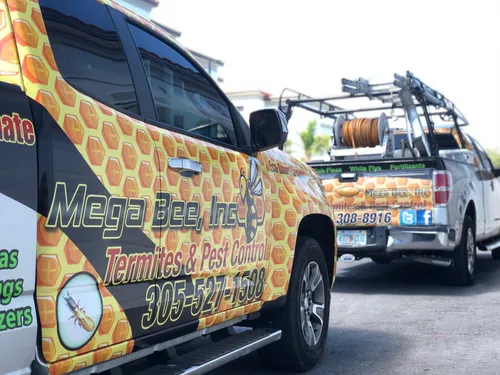
Mega Bee Rescues & Pest Control
21451 San Simeon Way Suite 103, Miami, FL 33179
Mega Bee Rescues & Pest Control is a pest control company based in Miami, FL, serving Miami-Dade and Broward counties. They offer eco-friendly pest control solutions for a wide range of pests including ants, cockroaches, termites, bed bugs, rodents, mosquitoes, wasps, and bees. The company specializes in humane bee rescue and removal, safely relocating hives to protect local ecosystems. Established in 2011, Mega Bee Rescues & Pest Control combines advanced pest management techniques with ongoing education to provide effective and environmentally conscious services. They also offer same-day and emergency pest control services to address urgent infestations promptly.
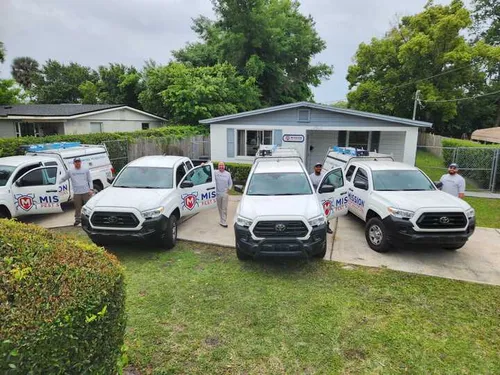
Mission Pest Solutions
4562 Lexington Ave, Jacksonville, FL 32210
Mission Pest Solutions is a pest control company serving Jacksonville, FL, specializing in both residential and commercial pest management. They handle infestations involving ants, cockroaches, mosquitoes, termites, and other pests. The company uses advanced and environmentally friendly methods to eliminate pests and provide long-lasting prevention. Their services include termite inspections and mosquito control, aiming to protect health and property from pest-related damage and disease risks. Mission Pest Solutions offers prompt responses and same-day service to address urgent pest issues efficiently.
Security Termite & Pest Control
7995 Mercantile St #5, North Fort Myers, FL 33917
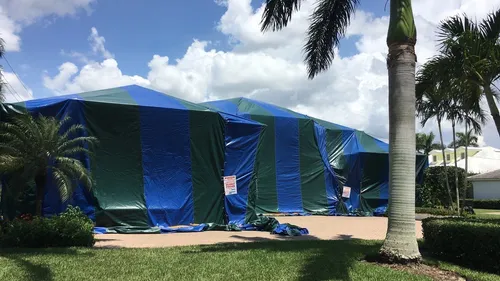
Security Termite & Pest Control is a locally owned pest control company serving Cape Coral, FL, and the greater Southwest Florida area. With over 25 years of experience since 1985, they provide residential and commercial pest control services including bed bug treatment, termite control, mosquito control, rodent control, bee and wasp removal, and tent fumigation. They use Integrated Pest Management (IPM) techniques to offer targeted, environmentally considerate pest solutions. Security Termite & Pest Control also offers quarterly treatments to maintain pest barriers and provides 24/7 emergency services for urgent pest issues.
Common Ant Species in Florida
Successful control starts with proper identification. Different ants have different habits and require specific treatment approaches. Here are the most common culprits you'll encounter in the Sunshine State.
Fire Ants
Imported red fire ants are a major concern across Florida. They build large, dome-shaped mounds in lawns, parks, and fields. Their sting is painful and can cause severe allergic reactions in some individuals. A key behavior to note is that they often move indoors during periods of heavy rain, seeking higher ground 1. Controlling fire ants typically requires targeted outdoor treatments.
Carpenter Ants
Unlike termites, carpenter ants do not eat wood but excavate it to create smooth tunnels for nesting. This can lead to significant structural damage over time. A telltale sign of their activity is the presence of fine sawdust-like material, known as frass, near baseboards, window sills, or in crawl spaces 2. They are often attracted to moisture-damaged wood, so finding and fixing leaks is a critical part of control.
Ghost Ants
These tiny ants are named for their pale color and elusive nature. They are a common indoor pest, particularly in kitchens and bathrooms. Ghost ants form trailing lines to food sources, showing a preference for sweets but also consuming proteins 3 4. They often nest in wall voids, behind baseboards, or even in potted plants, making colony elimination challenging with over-the-counter sprays alone.
Argentine Ants and White-Footed Ants
Both of these species are known for forming enormous, multi-queen colonies, sometimes spanning entire city blocks. Argentine ants are relentless in their search for sugary substances and moisture. White-footed ants have a similar sweet tooth and are notorious for their massive foraging trails. Their colony size makes them exceptionally difficult for homeowners to control without professional-grade methods 5.
Prevention: Your First Line of Defense
The most effective and economical ant control strategy is to make your property less attractive to them in the first place. A strong prevention plan combines sanitation, exclusion, and habitat modification.
- Sanitation is Key: Ants are opportunistic foragers. Keep kitchen counters, floors, and pantries clean. Immediately wipe up spills, especially sugary or greasy ones. Store food-including pet food-in airtight containers and manage trash by using bins with tight-fitting lids.
- Eliminate Moisture: Many ants, especially carpenter ants, are drawn to damp wood and high humidity. Fix leaky faucets, pipes, and irrigation systems. Use dehumidifiers in crawl spaces, basements, and attics. Ensure your property has proper drainage to avoid standing water.
- Seal Entry Points: Conduct a thorough inspection of your home's exterior. Seal cracks in the foundation, gaps around utility lines, and spaces around windows and doors with caulk. Install or repair weather stripping.
- Modify the Habitat: Keep tree branches and shrubs trimmed back so they do not touch your house, creating a "bridge" for ants. Store firewood, lumber, and debris well away from the foundation. Regularly clear leaf litter and thick mulch from directly against the house.
Find the perfect ant control companies for your needs
Get personalized recommendations and expert advice
Control Methods for Florida Ants
When prevention isn't enough and ants have established themselves, a combination of control methods is often necessary. The right approach depends heavily on the species identified.
Baiting Systems
For many common ants, baits are the most effective tool for colony elimination. Worker ants carry the bait, which contains a slow-acting insecticide, back to the nest, where it is shared with the queen and other colony members. This process can take several days to a few weeks.
- For Sugar-Feeding Ants (Ghost, Argentine): Use sweet, gel, or liquid baits.
- For Protein/Grease-Feeding Ants (Carpenter, Fire): Use protein-based granular or paste baits.
- Crucial Note: Do not spray insecticides on or near ant trails when using baits, as this will disrupt the foraging behavior you need to eliminate the colony.
Insecticide Treatments
Insecticides are useful for creating barriers and treating specific infestations.
- Outdoor Barrier Treatments: Applied around the home's perimeter, these granular or liquid treatments create a zone that repels or kills foraging ants before they enter.
- Crack and Crevice Treatments: For ants already inside, targeted application of insecticides into voids where they travel and nest (behind baseboards, in wall voids) can provide direct control with minimal exposure 6.
- Direct Mound Treatments: For fire ants, specific insecticides can be applied directly to mounds according to label instructions for localized control.
The Critical Role of Timing
While ants are active year-round in Florida, control efforts are most effective when timed strategically.
- Early Spring to Summer: This is the peak activity period. Initiating control measures in early spring can help manage populations before they explode in the summer heat 7 8.
- After Rain: Fire ant mounds become more visible and the soil is easier to penetrate with treatments after rainfall.
When to Call a Professional
While DIY methods can solve minor problems, there are clear signs that professional ant control is warranted.
- Persistent Infestations: If ants return repeatedly after your treatment efforts, the colony is likely large or located in an inaccessible area.
- Carpenter Ant Activity: Seeing frass or hearing rustling in walls indicates a nesting colony that could be causing structural damage. Professional assessment and treatment are strongly recommended.
- Large-Scale or Dangerous Infestations: A widespread fire ant problem in your yard or the presence of ants that pose a health risk (like aggressive fire ants) is best handled by experts with the right equipment and materials.
- Difficulty with Identification: If you cannot confidently identify the ant species, a professional can do so and implement the correct, targeted strategy.
Understanding Service and Cost Expectations
Professional ant control services in Florida are tailored to the specific problem. A general initial service for common household ants typically ranges from $100 to $200. For more complex issues, costs can increase:
- Fire Ant Yard Treatments: Managing outdoor fire ant colonies often ranges from $150 to $300 or more, depending on the size of the property 9 10.
- Carpenter Ant or Severe Infestations: Treatments for wood-damaging ants or large, entrenched colonies can range from $200 to $500+, especially if they require interior void treatments, moisture remediation, or follow-up visits 11 12. Many professionals offer ongoing maintenance plans to provide year-round protection and prevention.
Frequently asked questions
Sources
Footnotes
-
Florida Pest Control | Identification, Prevention & Eco-Friendly ... - https://www.dadepestsolutions.com/the-ultimate-guide-to-florida-bugs-identification-prevention-and-control/ ↩
-
Identifying and Controlling Different FL Ant Types | Port St. Lucie - https://www.barrybugs.com/post/identifying-and-controlling-different-florida-ant-types-port-st-lucie-delray-beach ↩
-
ENY203/IG080: Ants - University of Florida - https://edis.ifas.ufl.edu/publication/IG080 ↩
-
South Florida Ant Control | Ant Prevention Tips - https://www.callnorthwest.com/2022/07/common-ants-invading-your-south-florida-home/ ↩
-
Florida Ant Control - Earth's Best - https://insectfree.com/articles/common-florida-insects/florida-ant-control/ ↩
-
How To Get Rid of Ants In Your Florida House | 10 Easy Steps - https://www.pricetermite.com/blog/how-to-get-rid-ants ↩
-
Ants in Florida: A Complete Guide - https://nozzlenolen.com/blog/ants-in-florida-a-complete-guide/ ↩
-
Ant Season in Florida: When & How to Stop Them? - https://www.hofferpest.com/blog/2025/march/ant-season-in-florida-when-how-to-stop-them-/ ↩
-
Defend Your Yard: Protect Against Fire Ant Attacks - Plant It Earth - https://plantitearthflorida.com/defend-your-yard-protect-against-fire-ant-attacks/ ↩
-
The Most Common Ant Species in South Florida and How to Identify ... - https://www.bugs.com/blog/the-most-common-ant-species-in-south-florida-and-how-to-identify-them/ ↩
-
9 Common Types of Ants in Florida - Deans Services - https://www.deansservices.com/about/our-blog/common-types-ants-florida ↩
-
How to Get Rid of Carpenter Ants - Florida Pest Control - https://www.flapest.com/how-to-get-rid-of-carpenter-ants/ ↩