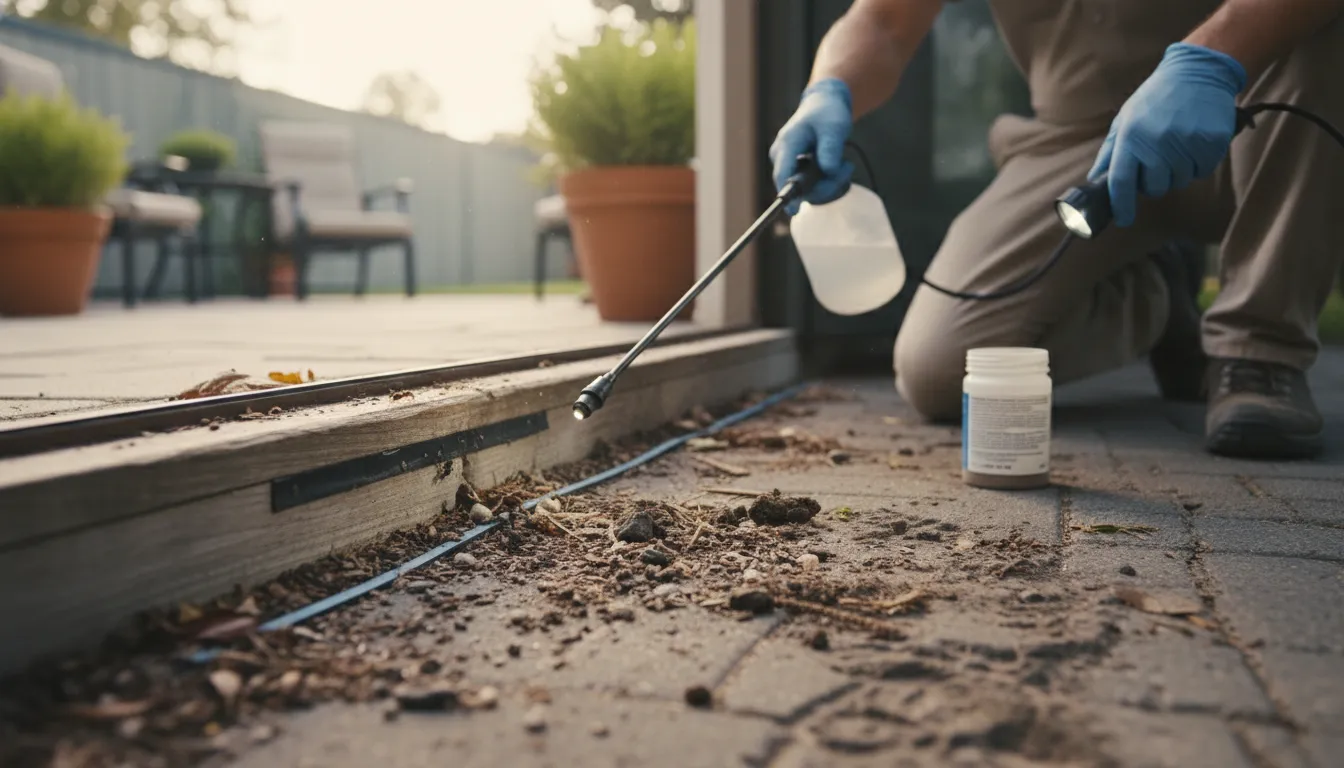
Find the Best Ant Control Companies for Your Business
No obligation • Fast responses • Nationwide coverage
Why you can trust Pest Crews
Pest Crews is a leading U.S. resource for finding and evaluating residential and commercial pest control services. Our team researches providers, reviews treatment approaches, and organizes unbiased information to help you make informed decisions. Companies cannot pay to change our editorial content or influence how they appear.
Search providers near you
Top Ant Control Companies in Tallahassee, Florida Ranked
Dealing with an ant invasion in your Tallahassee home or business can be a persistent and frustrating problem. From tiny ghost ants swarming your kitchen to destructive carpenter ants compromising your property's structure, these pests are more than just a nuisance-they pose a threat to your comfort, health, and investment. Effective ant management requires a strategic approach tailored to Florida's unique climate and the specific species causing trouble. This guide provides a detailed look at professional ant extermination in Tallahassee, from identification and treatment to cost and prevention, helping you understand your options for reclaiming your space.
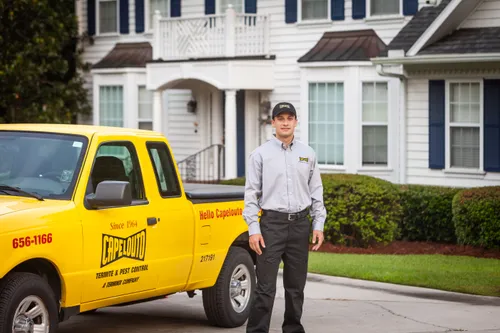
Capelouto Termite & Pest Control
4970 Capital Cir NW, Tallahassee, FL 32303
Capelouto Termite & Pest Control is a pest management company based in Tallahassee, FL. They provide a wide range of services including cockroach, ant, rodent, termite, mosquito, bee and wasp control, as well as wildlife removal and commercial pest control. The company is known for its thorough termite inspections and effective pest treatments, maintaining long-term pest-free environments for residential and commercial clients. Capelouto has been serving the Tallahassee area for over 30 years, building a reputation for knowledgeable technicians and consistent service.
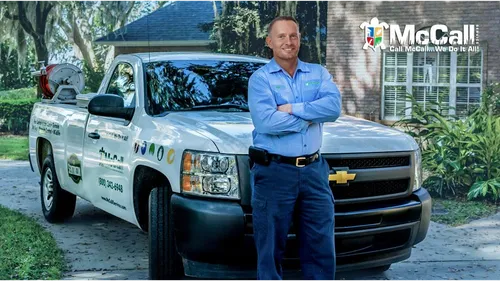
McCall Pest & Wildlife - Tallahassee
5149 Woodlane Cir, Tallahassee, FL 32303
McCall Pest & Wildlife - Tallahassee is a locally operated pest control company serving Tallahassee, FL. They provide comprehensive pest management for both residential and commercial properties, addressing issues such as ants, termites, mosquitoes, rodents, birds, and wildlife. Their services include targeted pest control strategies developed by an on-staff entomology team and technicians, with options for bundled treatments that cover multiple pest types. The company also offers specialized termite inspections and ongoing mosquito reduction treatments to help maintain pest-free environments.
Orkin
850 Blountstown St, Tallahassee, FL 32304
Orkin provides residential and commercial pest control services in Tallahassee, FL. They handle a wide range of pests including cockroaches, ants, mosquitoes, rodents, termites, bed bugs, stinging insects, and wildlife. Orkin offers customized pest management plans and termite treatments using methods like dry foam void filler, Sentricon® bait, and liquid barriers. With over 120 years of experience, Orkin serves the Tallahassee area and is available 24/7 to respond to pest control needs.
Arrow Exterminators
3642 Peddie Dr, Tallahassee, FL 32303
Arrow Exterminators is a pest control company based in Tallahassee, FL, offering services for a wide range of pests including ants, termites, mosquitoes, rodents, stinging insects, and wildlife. They address common local threats such as subterranean termites, fire ants, and various stinging insects, providing targeted treatments suited to each species. The company also handles wildlife removal, including squirrels and raccoons, which can invade homes especially during colder months. Arrow Exterminators serves the Tallahassee area with expertise in managing pest populations that pose health and structural risks to residents and their properties.
Pestmaster Services Tallahassee
Tallahassee, FL
Pestmaster Services Tallahassee is a pest control company based in Tallahassee, FL, offering treatments for bed bugs, cockroaches, ants, rodents, and other pests. They provide customized pest control plans using integrated pest management that considers all aspects of the property. With over 40 years of experience, they use top-quality products and environmentally conscious methods to deliver safe and sustainable solutions.
Common Ant Species in Tallahassee
Not all ants are created equal, and successful eradication begins with proper identification. Tallahassee's warm, humid climate is ideal for several common ant species, each with distinct behaviors and nesting preferences that dictate the control strategy.
- Ghost Ants: These tiny, pale ants are a major indoor nuisance. They are named for their light color and elusive nature, often appearing to vanish. They are strongly attracted to sweet substances and moisture, making kitchens and bathrooms their prime targets. Ghost ants often establish multiple, interconnected nests, making DIY control particularly challenging 1.
- Carpenter Ants: Unlike termites, carpenter ants do not eat wood but excavate it to create smooth-walled galleries for nesting. This activity can cause significant structural damage over time. They are larger than most household ants and are often seen foraging for food at night. They prefer moist, decaying wood, so infestations are often associated with water leaks or wood in contact with soil 2 3.
- Fire Ants: Primarily an outdoor pest, imported red fire ants build large, visible mounds in lawns, gardens, and parks. Their aggressive nature and painful stings pose a risk to people and pets. While less common indoors, they can enter structures in search of food or if their outdoor nest is disturbed.
Where to Look for Ant Infestations
Ants are opportunistic, entering homes in search of two primary resources: food and water. Knowing their favorite hideouts is the first step in detection and helps professionals during an inspection.
High-Moisture Areas: Kitchens and bathrooms are ground zero for many infestations. Check under sinks, around dishwashers, behind toilets, and near leaky pipes or faucets. The constant moisture provides an ideal environment for many species. Food Sources: Crumbs, spills, unsealed pantry items, and even pet food bowls are powerful attractants. Pay close attention to countertops, cabinets, pantry floors, and the area around trash cans. Hidden Nesting Sites: Ants often establish colonies in protected voids. Common nesting areas include inside wall cavities, behind baseboards, in attics, under insulation, and beneath floors. Carpenter ants, in particular, seek out damp wood in these hidden spaces. Exterior Entry Points: Most infestations start outside. Nests can be in soil, under rocks, in leaf litter, or in rotting landscape timbers. Ants use tiny cracks and crevices to get inside, such as gaps around windows and doors, utility line penetrations, and foundation cracks.
The Professional Ant Extermination Process
A professional pest management strategy for ants is a multi-step process designed for complete colony elimination and long-term prevention, not just a temporary knockdown of visible foragers.
- Inspection and Identification: A thorough technician will inspect your property inside and out to identify the ant species, locate active trails, and find the primary nest(s) and entry points. Correct identification is crucial, as bait preferences and nesting habits vary by species 4.
- Customized Treatment Plan: Based on the inspection findings, the technician will develop a targeted plan. This often involves a combination of methods:
- Baits: Slow-acting insecticidal baits are a cornerstone of modern ant control. Workers carry the bait back to the colony, sharing it with the queen and other members, leading to colony collapse. Professionals use different bait formulations (sugar-based or protein/grease-based) depending on the species' dietary needs 5.
- Residual Insecticides: These products are applied as barriers around the home's perimeter, along baseboards, and in other key areas. They provide long-lasting protection, killing ants that cross the treated zone and helping to prevent new colonies from entering 6.
- Direct Nest Treatment: When nests can be precisely located, they may be treated directly with appropriate products for faster results.
- Exclusion and Sanitation Recommendations: A critical part of the service is advising on how to make your property less attractive to ants. This includes pointing out moisture issues, recommending sealing of cracks and gaps with caulk or weatherstripping, and providing tips on proper food storage and waste management.
- Follow-up and Monitoring: For persistent problems or as part of a maintenance plan, follow-up visits ensure the treatment was successful and address any new activity. Ongoing monitoring is key in Florida's climate, where pest pressure is constant 7.
Find the perfect ant control companies for your needs
Get personalized recommendations and expert advice
What to Expect After Treatment
Understanding the post-treatment timeline can help set realistic expectations and prevent unnecessary concern.
- Initial Reduction: You should notice a significant decrease in ant activity within 24 to 48 hours of treatment as the products begin to take effect 8.
- Complete Elimination: Full eradication can take anywhere from a few days to several weeks. The timeline depends heavily on the ant species, the size and location of the colony (especially if it's hidden inside a wall), and the treatment method. Bait systems, while highly effective, work more slowly as they must be distributed throughout the entire colony 9 10.
- Increased Activity (A Sign of Success): Do not be alarmed if you see more ants shortly after treatment, often within the first few hours. This is normal and indicates that the insecticides have disturbed the nest, driving ants out into the open. This activity should subside quickly as the ants come into contact with the treatment 11 12.
Cost of Ant Control Services in Tallahassee
The cost for professional ant management in Tallahassee varies based on the severity of the infestation, the size of your home or business, the specific species involved, and the type of service plan you choose.
- One-Time Treatment: For a single, comprehensive service visit including inspection and treatment, homeowners can expect to pay between $150 and $400.
- Quarterly Service Plans: Given Florida's year-round pest season, quarterly (every three months) service is a popular and cost-effective option for ongoing prevention. The average cost per visit in a quarterly plan ranges from $75 to $120.
- Monthly Plans: For severe infestations or properties with high sensitivity, monthly services may be recommended, typically costing between $40 and $75 per month 13.
- Annual Contracts: Bundling services into an annual plan can provide comprehensive coverage and often represents a good value, with yearly totals generally ranging from $300 to $600 14 15.
Prevention: Keeping Ants Out for Good
While professional treatment solves the immediate problem, long-term success relies on partnership with the homeowner to reduce attractants.
- Eliminate Moisture: Repair leaky pipes, faucets, and appliances. Use dehumidifiers in damp basements or crawl spaces. Ensure gutters and downspouts direct water away from your foundation 16.
- Seal Entry Points: Conduct a seasonal inspection of your home's exterior. Seal cracks in the foundation, gaps around windows and doors, and spaces where utility lines enter with a quality silicone caulk or other appropriate sealant 17.
- Practice Excellent Sanitation: Wipe down counters and sweep floors daily. Store food-including pet food-in airtight containers. Manage trash diligently by using cans with tight-fitting lids and removing garbage regularly 18.
- Maintain Your Yard: Keep vegetation trimmed back from the house. Store firewood and lumber away from the foundation and elevated off the ground. Regularly clear leaf litter and debris where ants can nest 19.
Frequently asked questions
Sources
Footnotes
-
Ghost Ants: Identification & Facts - Florida Pest Control - https://www.flapest.com/pest-info/ants/ghost-ant/ ↩
-
Common Types of Ants in Florida - https://www.capeloutopestcontrol.com/ants/ ↩
-
Tallahassee Ant Control | Wakulla County Rodent Exterminating - https://www.pestloco.com/ant-control/ ↩
-
Tallahassee Ant Control | Wakulla County Rodent Exterminating - https://www.pestloco.com/ant-control/ ↩
-
Tallahassee Ant Control - Capelouto Termite & Pest Control - https://www.capeloutopestcontrol.com/ant-control/ ↩
-
Residential Ant Control Services in Southeast FL - Nozzle Nolen - https://nozzlenolen.com/services/residential-pest-control/ants/ ↩
-
How Often Do I Need Pest Control In Florida? - Hoffer Pest Solutions - https://www.hofferpest.com/blog/2025/march/how-often-do-i-need-pest-control-in-florida-/ ↩
-
How Long After Pest Control Treatment Do Bugs Die? - Econobug - https://econobugpc.com/how-long-after-pest-control-treatment-do-bugs-die/ ↩
-
How Long Does It Take to Stop Seeing Ants After an Exterminator? - https://critterwranglerstn.com/ants/how-long-to-stop-seeing-ants-after-exterminator/ ↩
-
How Long Does Ant Extermination Take? - Hern's Pest Control - https://hernspc.com/how-long-does-ant-extermination-take/ ↩
-
How Long Does Pest Control Take to Work? What to Expect ... - https://www.bug-a-pest.com/how-long-does-pest-control-take-to-work-what-to-expect-after-treatment ↩
-
How Often Should You Have Pest Control in Florida? - https://www.hofferpest.com/blog/2025/august/how-often-should-you-have-pest-control-in-florid/ ↩
-
Average Cost of Pest Control in Florida | Ants, Roaches, Etc. - https://www.hofferpest.com/blog/2025/may/average-cost-of-pest-control-in-florida-ants-roa/ ↩
-
How much does it cost to exterminate ants: 2025 Best Guide - https://bigginsexterminating.com/how-much-does-it-cost-to-exterminate-ants/ ↩
-
How Much Does Pest Control Cost in Florida? - McCall Service - https://www.mccallservice.com/blog/how-much-does-pest-control-cost-in-florida/ ↩
-
Get Rid Of Ghost Ants In Florida: DIY Solutions - https://www.hofferpest.com/blog/2025/february/get-rid-of-ghost-ants-in-florida-diy-solutions/ ↩
-
Effective Ant Control Solutions for Tallahassee Homeowners - https://www.mccallservice.com/blog/effective-ant-control-solutions-for-tallahassee-homeowners/ ↩
-
Most Common Spots in Homes for Ant Infestations I Service Choice - https://evergreenpc.com/most-common-spots-in-homes-for-ant-infestations-where-to-look-how-to-treat/ ↩
-
Ant Species in Florida - Greenhouse Termite and Pest Control - https://mygreenhousepro.com/ant-species-in-florida/ ↩