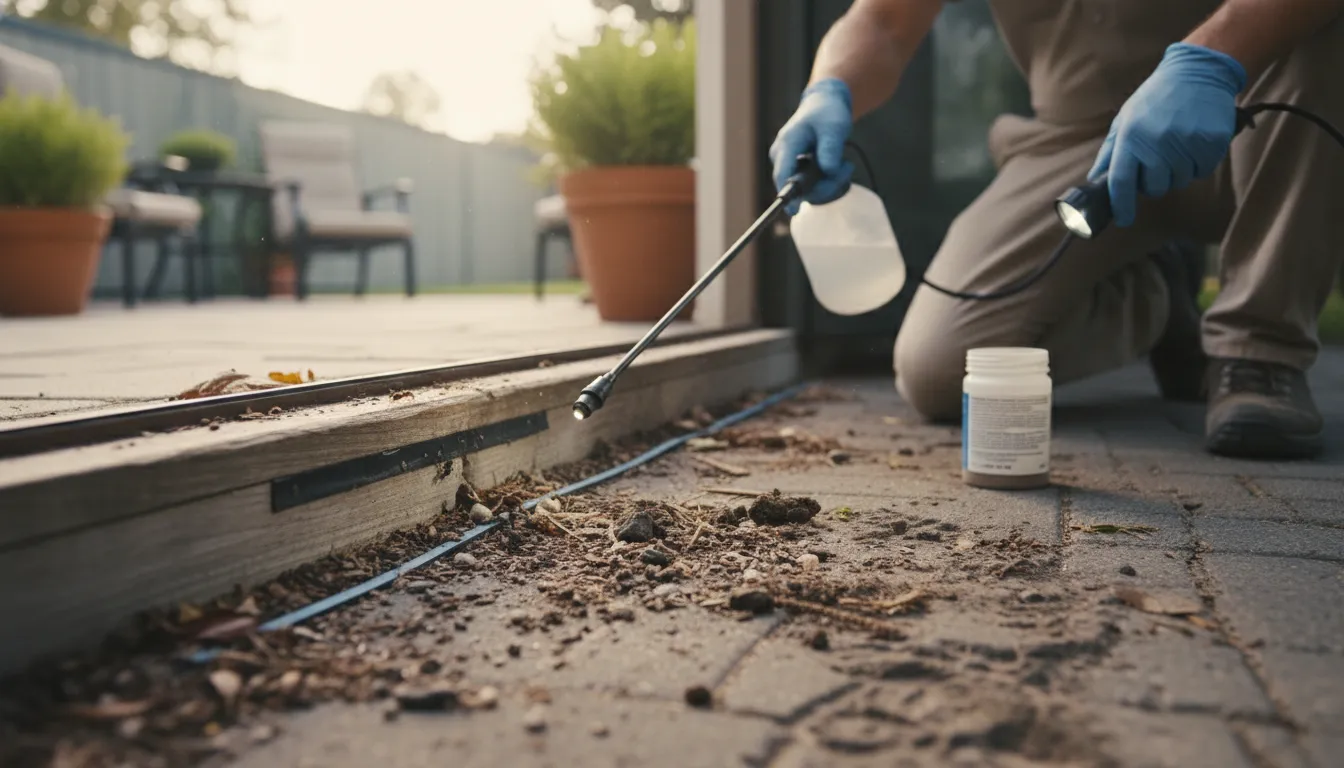
Find the Best Ant Control Companies for Your Business
No obligation • Fast responses • Nationwide coverage

Why you can trust Pest Crews
Pest Crews is a leading U.S. resource for finding and evaluating residential and commercial pest control services. Our team researches providers, reviews treatment approaches, and organizes unbiased information to help you make informed decisions. Companies cannot pay to change our editorial content or influence how they appear.
Search providers near you
Top Ant Control Companies in Raleigh, North Carolina Ranked
Dealing with an ant invasion can be a persistent and frustrating problem for any Raleigh homeowner or business owner. These tiny pests are more than just a nuisance; certain species can contaminate food, damage property, or deliver painful stings. Effective ant management requires a strategic approach that goes beyond store-bought sprays, targeting the entire colony for long-term relief. This guide will help you understand the local ant species, professional extermination methods, and how to connect with qualified specialists in the Raleigh area to reclaim your space.

Kind Pest Control
6516 Old Wake Forest Rd, Raleigh, NC 27616
Kind Pest Control offers environmentally responsible pest control services in Raleigh, NC, and surrounding communities. They handle a variety of pests including cockroaches, ants, rodents, termites, and stinging insects for both residential and commercial properties. Their approach emphasizes eco-friendly methods that are safe for pets and children, using EPA-registered products. Kind Pest Control serves the broader Triangle area, including Durham, Cary, and Wake Forest. They provide a 100% satisfaction guarantee with re-treatment if pests return between visits and offer a two-year price lock guarantee. The company also supports environmental sustainability by planting a tree for every service provided.

Kind Pest Control
205 W Main St #212, Carrboro, NC 27510
Kind Pest Control provides environmentally responsible pest control services in Durham, NC, and the surrounding Triangle area. They handle a variety of pests including ants, cockroaches, rodents, spiders, stinging insects, and termites using EPA-registered products that are safe for pets and children. The company offers both residential and commercial pest control with a focus on eco-friendly solutions. Kind Pest Control also supports reforestation by planting a tree for every service provided. They back their work with a 100% satisfaction guarantee and a 2-year price lock guarantee.

Kind Pest Control
10421 Ligon Mill Rd, Wake Forest, NC 27587
Kind Pest Control is a pest control company based in Raleigh, NC, offering environmentally responsible services for homes and businesses. They provide treatments for a variety of pests including cockroaches, ants, rodents, termites, and stinging insects, using EPA-registered products that are safe for pets and children. Kind Pest Control serves the greater Triangle area, including Raleigh and nearby communities. Their services include both residential and commercial pest control with a focus on eco-friendly methods. The company also supports reforestation by planting a tree for every service provided. They offer a 100% satisfaction guarantee with free re-treatment if pests return between scheduled visits and a 2-year price lock guarantee.

Kind Pest Control
1155 Kildaire Farm Rd Suite 212, Cary, NC 27511
Kind Pest Control is a pest control company serving Raleigh, NC, and the surrounding Triangle area, including Durham, Cary, and Apex. They provide environmentally responsible pest management for residential and commercial properties, handling pests such as cockroaches, ants, rodents, termites, and stinging insects. Their services focus on eco-friendly methods that are safe for pets and children, using EPA-registered products. Kind Pest Control offers a 100% satisfaction guarantee with free re-service if pests return between scheduled visits. They also support environmental efforts by planting a tree for every service provided.
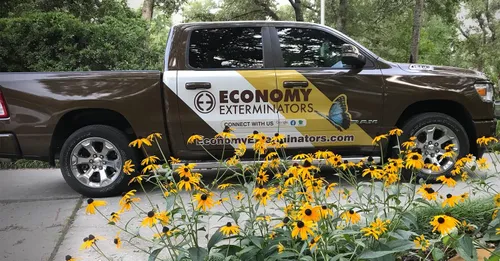
Economy Exterminators
700 Exposition Pl Ste 101, Raleigh, NC 27615
Economy Exterminators is a pest control company serving Raleigh, NC, and the surrounding Triangle area. They offer a range of pest management services including bed bug treatment, cockroach and ant control, rodent control, termite inspections, and mosquito control. Known for customizing pest control plans based on the unique needs of each home or business, they emphasize environmentally conscious and family- and pet-friendly treatments. Established in 1976, Economy Exterminators has decades of experience and holds an A+ rating with the Better Business Bureau.
Common Ant Species in Raleigh
Not all ants are created equal, and identifying the specific type invading your property is the first step toward effective control. Raleigh is home to several common species, each with unique behaviors and nesting preferences. 1
- Odorous House Ants: Named for the rotten coconut smell they emit when crushed, these small, dark brown to black ants are a frequent indoor pest. They are attracted to sweets and often trail along baseboards and countertops.
- Argentine Ants: These light to dark brown ants form massive colonies with multiple queens, making them particularly difficult to eradicate with DIY methods. They are highly adaptable and often displace other ant species.
- Pavement Ants: Typically nesting under sidewalks, driveways, and building foundations, these small, dark brown ants enter homes in search of food, particularly greasy or protein-based items.
- Fire Ants: Recognizable by their reddish-brown color and aggressive nature, fire ants build large, visible mounds in lawns and open areas. Their stings are painful and can cause severe allergic reactions in some people.
- Carpenter Ants: Larger than most household ants, carpenter ants are black or dark red. Unlike termites, they do not eat wood but excavate it to create nesting galleries, which can cause significant structural damage over time.
Where to Look for Ants in Your Home or Business
Ants are masters of infiltration, exploiting the smallest openings to access food, water, and shelter. Knowing their common entry points and preferred habitats is key to both identifying an infestation and helping a professional during an inspection.
Indoor Hotspots:
- Kitchens & Pantries: Around sinks, dishwashers, and refrigerators; inside cabinets; on countertops; and near pet food bowls. Crumbs and spills are a major attractant.
- Bathrooms: Under toilets, around tubs and showers, and near leaky pipes where moisture is present.
- Utility Areas: In basements, crawl spaces, garages, and near HVAC units or water heaters.
- Structural Hideaways: Inside wall voids (often signaled by trails near electrical outlets or plumbing penetrations), under flooring, and behind large appliances.
Outdoor & Perimeter Areas:
- Foundation Walls: Ants often trail along the foundation and enter through cracks in mortar or gaps around utility lines.
- Landscaping: In mulch beds, under stepping stones, logs, or pavers, and within wood piles.
- Exterior Surfaces: In cracks of driveways and sidewalks, and around garbage or recycling storage areas.
The Professional Ant Extermination Process
When DIY solutions fail, professional ant control offers a systematic and science-backed solution. Local exterminators follow a multi-step process designed to eliminate the colony you see and the one you don't. 2
- Inspection and Identification: A thorough inspection is the critical first step. The technician will identify the ant species, locate foraging trails, and attempt to find the nest(s). This assessment determines the severity of the infestation and the most effective treatment strategy.
- Interior Treatment: Professionals often use insecticidal baits as a primary tool indoors. These are placed strategically in areas of high activity. Worker ants consume the bait and carry it back to the colony, where it is shared, eventually eliminating the queen and the nest. This method is highly effective for colony species like Argentine ants. 3
- Exterior Treatment: To create a protective barrier and intercept foraging ants, a technician will typically apply a non-repellent insecticide around the home's perimeter. This product is undetectable to ants, allowing them to cross it, become contaminated, and carry the insecticide back to the nest. Key entry points like cracks and crevices are also sealed.
- Follow-Up and Prevention: For persistent or large-scale infestations, a follow-up visit may be scheduled to ensure the colony is eradicated. Many Raleigh providers offer ongoing service plans for long-term prevention, which include periodic inspections and treatments to keep ants from returning. 4 5
What to Expect After Treatment
Understanding the timeline for results can help set realistic expectations after a professional service.
- Initial Reduction: You should notice a significant decrease in visible ant activity within 24 to 72 hours of treatment. 6 During this time, you may see increased ant activity as the bait or insecticide disrupts the colony-this is often a sign the treatment is working.
- Full Elimination: Complete eradication of the colony, especially larger ones or those with multiple nests, typically takes 1 to 3 weeks. 7 8 9 The timeline depends on the species, colony size, and the treatment methods used. Patience is key, as the goal is to ensure the queen is eliminated to prevent the colony from rebounding.
Find the perfect ant control companies for your needs
Get personalized recommendations and expert advice
Understanding Ant Control Costs in Raleigh
The cost for professional ant management in Raleigh varies based on several factors, including the size of your property, the extent of the infestation, the ant species involved, and the type of service plan you choose.
- One-Time Treatment: For a single, targeted ant extermination service, homeowners can expect to pay between $90 and $380. This is often suitable for a sudden, isolated infestation. 10
- Initial Service Visit (for ongoing plans): The first visit as part of a recurring service plan typically ranges from $150 to $300. This visit usually includes a comprehensive inspection and a more robust initial treatment.
- Ongoing Service Plans: For consistent, long-term protection, many residents opt for scheduled plans:
- Monthly Plans: Average around $50 to $70 per service visit.
These plans are an investment in prevention, helping to avoid the hassle and potential higher cost of dealing with a full-blown infestation later. Many local companies offer tailored plans for both residential and commercial properties. 13 14
Preventing Future Ant Infestations
While professional treatment solves the immediate problem, incorporating preventative measures is crucial for keeping ants out long-term.
- Eliminate Food Sources: Wipe down counters and tables daily, store food (including pet food) in airtight containers, and manage garbage with tightly sealed bins.
- Remove Water Access: Fix leaky faucets and pipes, ensure downspouts direct water away from your foundation, and use dehumidifiers in damp basements or crawl spaces.
- Seal Entry Points: Conduct a seasonal inspection of your home's exterior. Use caulk to seal cracks in the foundation, around windows and doors, and where utility pipes and wires enter the house. 15
- Manage Landscaping: Keep tree branches and shrubs trimmed back from touching your home's siding or roof. Store firewood away from the house and elevate it off the ground. Reduce thick mulch near the foundation.
Frequently asked questions
Sources
Footnotes
-
Types of Ants Found in North Carolina - Tailor Made Lawns - https://www.tailormadelawns.com/about/our-blog/types-of-ants-nc ↩
-
Ant Control Services - https://www.beetlejuicepestcontrolok.com/ant-control ↩
-
Ants Control in Raleigh and Surrounding Cities in North ... - https://redcheckpest.com/services/ant-control/ ↩
-
Professional Ant Extermination: What to Expect ... - Wake Pest - https://www.wakepest.com/professional-ant-extermination-what-to-expect-and-how-to-prepare/ ↩
-
Raleigh Ant Control - Pest & Termite Consultants - https://www.pestandtermiteconsultants.com/ant-control ↩
-
How Long Does It Take to Stop Seeing Ants After an Exterminator? - https://critterwranglerstn.com/ants/how-long-to-stop-seeing-ants-after-exterminator/ ↩
-
Ant Control Services in NC | Wolfpack Pest Control - https://www.wolfpackpest.com/services/pest-control/ant-control ↩
-
Fire Ant Control in North Carolina - Pest & Termite Consultants - https://www.pestandtermiteconsultants.com/fire-ant-control ↩
-
Best Thing for Ants in the House: 10 Powerful Solutions 2025 - https://walthampestcontrol.com/best-thing-for-ants-in-the-house/ ↩
-
How Much Does an Ant Exterminator Cost? [2026 Data] | Angi - https://www.angi.com/articles/how-much-does-it-cost-get-rid-ants.htm ↩
-
How Much Does Pest Control Cost in Raleigh, NC? | Angi - https://www.angi.com/articles/how-much-does-pest-control-service-cost/nc/raleigh ↩
-
How Much Does Pest Control Usually Cost: Pricing Around ... - https://www.wakepest.com/how-much-does-pest-control-usually-cost/ ↩
-
Ant Control in Raleigh - Massey Services - https://www.masseyservices.com/raleigh/pest-control/ant-control/ ↩
-
What Type of Ants are in Raleigh - Pest & Termite Consultants - https://www.pestandtermiteconsultants.com/pest-library/ants ↩
-
A Guide to House-Invading Ants and Their Control - https://content.ces.ncsu.edu/a-guide-to-house-invading-ants-and-their-control ↩