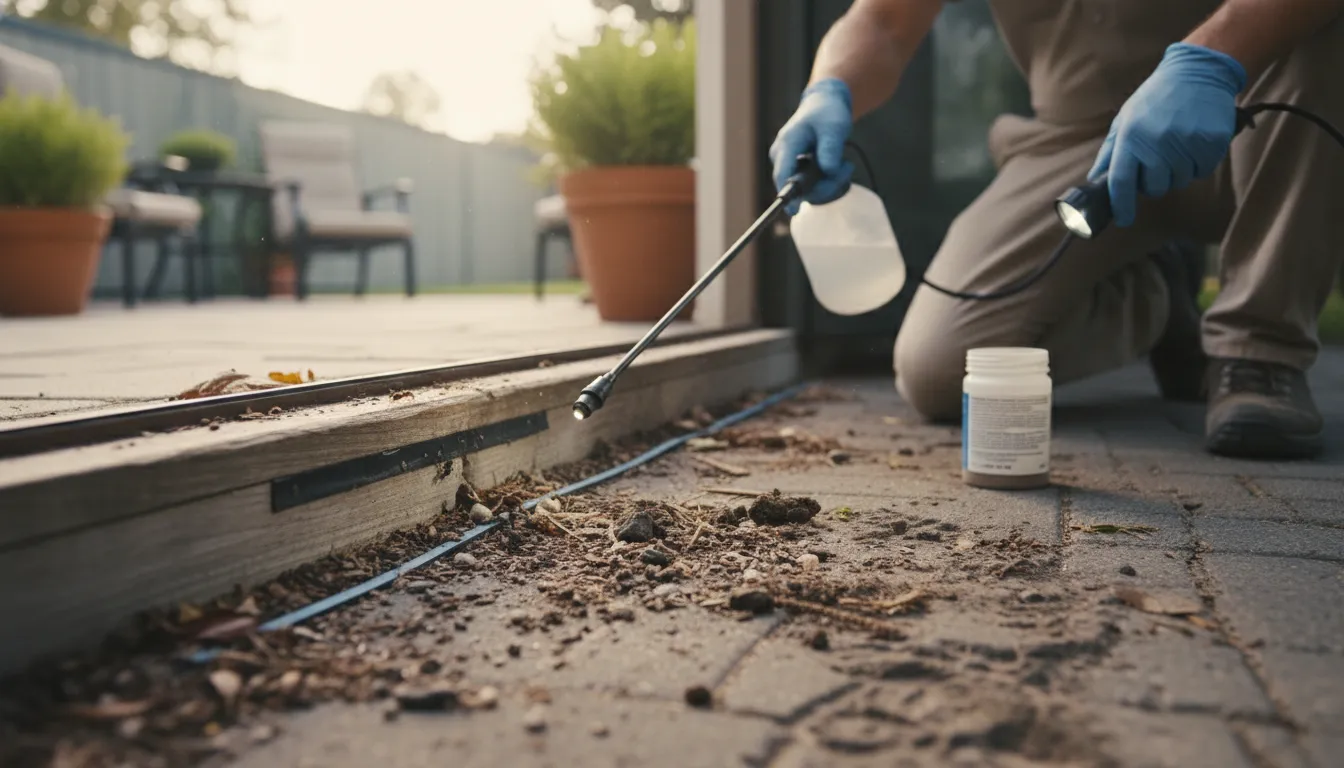
Find the Best Ant Control Companies for Your Business
No obligation • Fast responses • Nationwide coverage

Why you can trust Pest Crews
Pest Crews is a leading U.S. resource for finding and evaluating residential and commercial pest control services. Our team researches providers, reviews treatment approaches, and organizes unbiased information to help you make informed decisions. Companies cannot pay to change our editorial content or influence how they appear.
Search providers near you
Top Ant Control Companies in Omaha, Nebraska Ranked
Dealing with an ant invasion can be a persistent and frustrating problem for any Omaha homeowner or business manager. Effective ant control is more than just eliminating the scouts you see; it's about identifying the specific species, locating their hidden nests, and implementing a strategy that targets the entire colony at its source. This resource provides essential information on local ant management, from understanding common Omaha species and their habits to what you can expect from professional ant extermination services. Use this guide to make informed decisions about protecting your property from these industrious pests.
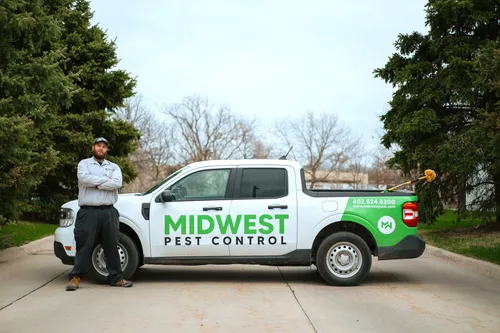
Midwest Pest Control
14225 Dayton Cir #10, Omaha, NE 68137
Midwest Pest Control is a locally owned and operated pest control company based in Omaha, NE. They provide eco-friendly pest control services for a variety of pests including cockroaches, ants, rodents, mosquitoes, bees, and wasps. Serving Omaha and the surrounding areas, they focus on family-safe treatments and offer a satisfaction guarantee with free re-treatment if needed. Their trained professionals use pet and environmentally safe products to protect homes and families.
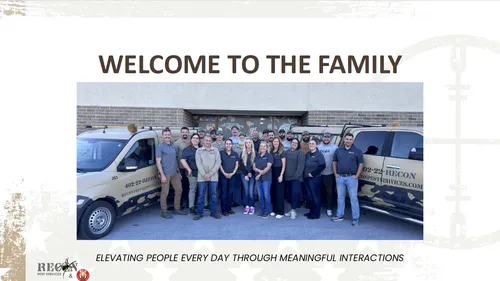
Recon Pest Services
10125 J St, Omaha, NE 68127
Recon Pest Services is a pest control company based in Omaha, NE, offering solutions for both residential and commercial properties. They handle a variety of pests including ants, spiders, rodents, and termites, with services tailored to different infestation levels. Their termite control includes inspections, targeted treatments, and follow-up monitoring to ensure effective management. Recon Pest Services also provides pest management for large commercial buildings and warehouses. They use eco-friendly products that are safe for pets and children and offer customizable service plans to meet specific needs.

Quality Pest Control-Omaha
6225 N 89th Cir, Omaha, NE 68134
Quality Pest Control-Omaha is a family-owned pest control company serving Omaha, NE, and surrounding areas for over 30 years. They provide comprehensive pest management solutions for both residential and commercial properties, addressing common pests such as mosquitoes, rodents, ants, termites, bed bugs, and wildlife. Their approach includes thorough inspections, customized treatment plans, and environmentally conscious methods tailored to the unique pest challenges of Omaha's climate. The company also offers ongoing maintenance and prevention strategies to help protect homes and businesses year-round.
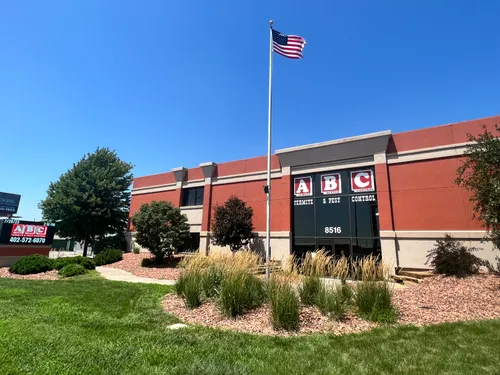
ABC Termite & Pest Control
8516 Maple St, Omaha, NE 68134
ABC Termite & Pest Control is a locally owned company serving Omaha, NE, and the surrounding areas. They provide residential and commercial pest control services, including termite inspections, bed bug treatments, rodent control, mosquito and tick treatments, and general pest extermination. The company uses safe methods to address infestations and prevent further issues. With over 20 years of experience, ABC Termite & Pest Control has completed more than 10,000 termite treatments and offers specialized services such as exterior spraying and combined trap and bait rodent control programs.
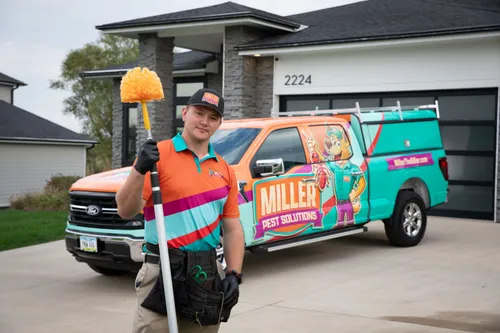
Miller Pest Solutions
3613 S 149th St, Omaha, NE 68144
Miller Pest Solutions is a family-owned pest control company serving Omaha, NE, and surrounding areas since 2001. They offer comprehensive pest management for homes and businesses, including termite inspections and treatments, rodent control, mosquito management, and removal of bed bugs, cockroaches, ants, and stinging insects. Their approach includes thorough inspections, customized treatment plans, and ongoing seasonal visits to maintain pest-free properties. A key capability is their use of the Sentricon® bait station system for termite control, which targets colonies underground and provides long-term protection. The company serves multiple Nebraska communities and emphasizes tailored solutions guided by an in-house entomologist.
Common Ant Species in Omaha
Not all ants are created equal, and successful management starts with proper identification. The most common nuisance ants in the Omaha area each have distinct behaviors and nesting preferences that dictate the best approach for control.
- Carpenter Ants: These are among the largest ants you'll encounter and are a significant concern because they excavate wood to create their nests. They don't eat wood like termites, but their tunneling can cause structural damage over time. They are typically black or dark brown and are attracted to moist, decaying wood. You'll often find them around window frames, door jambs, crawl spaces, and attics where moisture issues exist 1.
- Odorous House Ants: True to their name, these small, brown or black ants emit a rotten coconut-like smell when crushed. They are prolific indoor invaders, drawn to sweets and moisture. Their colonies can be very large with multiple queens, making them challenging to eradicate with DIY methods. They commonly nest in wall voids, under floors, and near heat sources.
- Pavement Ants: These small, brownish-black ants are named for their habit of nesting under sidewalks, driveways, and building foundations. They enter structures through cracks in slabs and foundations in search of food, often forming visible dirt mounds at their nest entrances outdoors. They are omnivorous and will feed on a wide variety of foods.
Why Ants Invade Omaha Homes and Businesses
Ants are driven indoors by three basic needs: food, water, and shelter. Omaha's seasonal shifts, from humid summers to cold winters, often push ant colonies to seek the stable environment of a building. Common entry points include the tiniest cracks in a home's foundation, gaps around utility lines, and spaces under doors. Once inside, they establish scent trails, allowing hundreds of workers to efficiently exploit the resources they've found 2.
Key Areas for Ant Activity and Nesting
Knowing where to look is half the battle in ant management. Professionals focus their inspections on these prime locations:
- Kitchens and Bathrooms: These areas provide the perfect combination of food and moisture. Ants are drawn to crumbs, spills, pet food, and garbage. Leaky pipes, condensation under sinks, and areas around dishwashers and water heaters offer the essential moisture they need to thrive.
- Structural Wood and Moisture Zones: Carpenter ants, in particular, seek out wood that has been softened by moisture leaks. Check around roof eaves, window sills, door frames, and areas where wood contacts soil. Tree stumps, firewood piles stored against the house, and dense landscaping mulch can also harbor colonies that may eventually move indoors 3 4.
- Foundations and Exteriors: Pavement ants and others nest in the soil right against your foundation. Cracks in concrete driveways, expansion joints, and where the siding meets the foundation are common highways for ants. Overhanging tree branches can also provide a bridge for ants to access your roof or upper stories 5.
- Wall Voids and Insulation: Many ant species, once they gain entry, will establish satellite colonies inside walls, behind baseboards, in insulation, and even in hollow-core doors. These hidden nests are why you may see ants emerging from electrical outlets or light switches.
The Professional Ant Extermination Process
When DIY solutions fail, a systematic professional approach is the most reliable path to long-term ant control. Local Omaha pest management companies typically follow a multi-step process designed for thorough eradication.
- Detailed Inspection: The first and most critical step is a thorough inspection. A technician will work to identify the ant species, track foraging trails back to their source, and locate both outdoor parent colonies and indoor satellite nests. This investigation determines the precise treatment strategy.
- Targeted Treatment Application: Based on the inspection, professionals use a combination of methods. This often includes strategically placed bait stations. Ants carry the bait back to the colony, sharing it to eliminate the queen, larvae, and workers-a method far more effective than spray-only approaches that kill only visible foragers. For direct nest treatments or perimeter barriers, they may use liquid insecticides or dusts in wall voids and other inaccessible areas 6 7 8.
- Exclusion and Prevention Advice: A key part of the service is advising on preventative measures. Technicians will point out entry points that should be sealed, such as cracks in the foundation, gaps around windows, and openings for utility lines. They will also recommend reducing attractants by managing food waste, storing pantry items in sealed containers, and addressing moisture problems like leaky faucets or poor drainage 9 10.
- Follow-up and Monitoring: Because ant colonies can be resilient, follow-up visits are often part of a professional service plan. These visits monitor bait consumption, check for new activity, and apply additional treatments if necessary to ensure the colony is completely eliminated.
Find the perfect ant control companies for your needs
Get personalized recommendations and expert advice
What to Expect After Treatment: A Realistic Timeline
Patience is essential after a professional ant treatment. Complete colony eradication is a process, not an instantaneous event. Understanding the timeline can help set proper expectations.
- Initial Reduction (24-48 hours): You should notice a significant decrease in the number of live, foraging ants within the first day or two after treatment. This is a positive sign that the control methods are taking effect 11.
- Complete Eradication (1 to Several Weeks): It can take one to several weeks to achieve full colony elimination. This is especially true with baiting systems, which require time for the active ingredient to be distributed throughout the entire colony network, ultimately reaching and killing the queen. During this period, you may still see occasional ants 12 13 14.
- The Importance of Follow-Up: For severe or persistent infestations, the initial service is often just the first step. Scheduled follow-up treatments are crucial for monitoring success, addressing any new satellite colonies, and applying preventative barriers to keep ants from returning.
Understanding the Cost of Ant Control in Omaha
The investment in professional ant management in Omaha varies based on several factors, including the size of your property, the severity of the infestation, the ant species involved, and the treatment methods required.
- One-Time Treatment: For a standard infestation, a single professional service visit typically ranges from $150 to $500. This cost generally covers the inspection, the initial application of baits or treatments, and sometimes a follow-up check 15 16.
- Ongoing Service Plans: For properties with recurring ant problems or for those seeking proactive prevention, many companies offer quarterly or monthly maintenance plans. These ongoing services can range from $40 to $70 per month or $100 to $300 per quarter, and often include coverage for other common pests as well.
- Severe or Complex Infestations: Situations involving large-scale carpenter ant damage or nests that are extremely difficult to access may require more extensive measures, leading to higher costs. While full-structure fumigation for ants is rare, complex treatments can sometimes approach $1,000 to $2,50017 18.
Proactive Prevention Tips for Omaha Residents
While professionals handle active infestations, you can take steps to make your property less inviting to ants:
- Seal Entry Points: Use caulk to seal cracks and crevices on the exterior of your home, especially around utility penetrations, windows, and doors.
- Eliminate Moisture: Repair leaky pipes, ensure downspouts direct water away from the foundation, and use dehumidifiers in damp crawl spaces or basements.
- Manage Food Sources: Keep kitchen surfaces clean, store food (including pet food) in airtight containers, and regularly take out the garbage. Rinse recyclables before placing them in bins.
- Modify Landscaping: Keep tree branches and shrubs trimmed back from touching the house. Store firewood and building materials away from the foundation, and consider using less mulch or keeping it a few inches from the siding.
Frequently asked questions
Sources
Footnotes
-
Nebraska Carpenter Ants Exterminator - Omaha Pest Control - https://omahapestcontrol.com/pest-control-carpenter-ants/ ↩
-
Ants | Pest Control in Omaha - https://www.qualitypestcontrolomaha.com/pest-library/ants/ ↩
-
Ant Control 101: A Handy Guide For Omaha Homeowners - https://www.qualitypestcontrolomaha.com/blog/2023/november/ant-control-101-a-handy-guide-for-omaha-homeowne/ ↩
-
Carpenter Ants: When to Worry - GRO Big Red - https://grobigred.com/2023/09/20/carpenter-ants/ ↩
-
Ants - Exterminator in Omaha, Nebraska - https://omahapestcontrol.com/pest-library/ants/ ↩
-
Ant control in Omaha, NE | Miller Pest Service - https://www.millerthekiller.com/omaha-ant-control/ ↩
-
Ant Control 101: A Handy Guide For Omaha Homeowners - https://www.qualitypestcontrolomaha.com/blog/2023/november/ant-control-101-a-handy-guide-for-omaha-homeowne/ ↩
-
Ant Control in Omaha, Council Bluffs and surrounding area - https://prattpestcontrol.com/services/ant-control ↩
-
Ants - Exterminator in Omaha, Nebraska - https://omahapestcontrol.com/pest-library/ants/ ↩
-
How to Get Rid of Ants in Your House: Quickly & Permanently - Terminix - https://www.terminix.com/ant-control/how-to-get-rid-of-ants-in-the-house/ ↩
-
How Long Does Pest Control Take? Treatment Timelines ... - https://portageturf.com/blog/how-long-does-it-take-for-pest-control-to-work-within-the-perimeter/ ↩
-
How Long Does It Take to Stop Seeing Ants After an ... - https://critterwranglerstn.com/ants/how-long-to-stop-seeing-ants-after-exterminator/ ↩
-
How Long Does Pest Control Take to Work | Mosquito Squad of Greenville - https://www.mosquitosquad.com/greenville/blog/how-long-does-pest-control-take-to-work/ ↩
-
How Long Does Ant Bait Take to Work? Understanding the Timeline - https://www.oreateai.com/blog/how-long-does-ant-bait-take-to-work-understanding-the-timeline/15c155da526e0f113b31be32b758ee20 ↩
-
Ant control in Omaha, NE | Miller Pest Service - https://www.millerthekiller.com/omaha-ant-control/ ↩
-
Ants - Exterminator in Omaha, Nebraska - https://omahapestcontrol.com/pest-library/ants/ ↩
-
How much does it cost to exterminate ants: 2025 Best Guide - https://bigginsexterminating.com/how-much-does-it-cost-to-exterminate-ants/ ↩
-
Ant Pest Control Cost Guide: What to Expect and How to Save In 2025 - https://greenpestmanagementct.com/ant-pest-control-cost/ ↩