Find the Best Wasp & Hornet Removal Companies for Your Business
No obligation • Fast responses • Nationwide coverage

Why you can trust Pest Crews
Pest Crews is a leading U.S. resource for finding and evaluating residential and commercial pest control services. Our team researches providers, reviews treatment approaches, and organizes unbiased information to help you make informed decisions. Companies cannot pay to change our editorial content or influence how they appear.
Search providers near you
Top Wasp & Hornet Removal Companies in Bridgeport, Connecticut Ranked
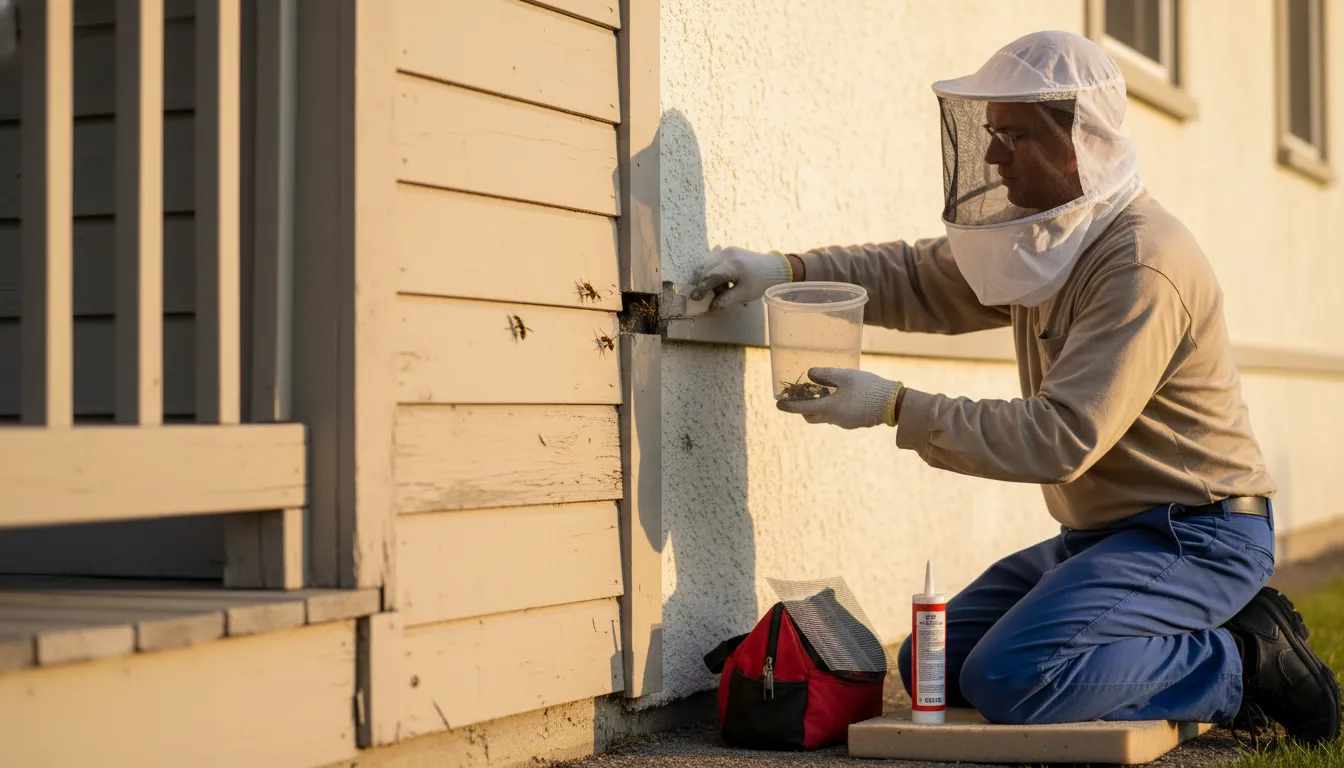
Discovering a buzzing nest of stinging insects on your Bridgeport property can be unsettling. Professional bee and wasp removal is a specialized service that safely addresses these potentially dangerous pests, protecting your family, pets, and property from painful stings and structural damage. This guide will help you understand the local pest landscape, your options for dealing with an infestation, and how to find qualified professionals in the Park City to handle the job effectively.
Supra Exterminator
179 W Hills Rd, Huntington Station, NY 11746
Supra Exterminator is a pest control and wildlife removal company serving New York, NY, and surrounding counties including Nassau, Suffolk, and Queens. They provide residential and commercial pest management services, including ant, rodent, termite, bed bug, cockroach, bee, wasp, and wildlife control. Their approach involves thorough inspections, personalized treatment plans using family-safe, state-approved products, and prevention measures such as exterior proofing and scheduled follow-ups. With over 25 years of experience, Supra Exterminator is licensed, insured, and locally owned. They also offer 24/7 emergency support for urgent pest issues.

Sound Shore Pest Control
Yonkers, NY
Sound Shore Pest Control is a family-owned pest management company serving Yonkers, NY. Established in 1991, they specialize in insect and rodent control, including bee, wasp, and hornet removal. The company offers seasonal routine treatments that focus on inspecting, sealing, and treating entry points to minimize indoor pesticide use. Their expertise includes carpenter ant control using liquid pesticides and baiting methods. Licensed by the New York State Department of Environmental Conservation, Sound Shore Pest Control emphasizes safe, effective pest elimination and ongoing technician training.
Understanding Your Stinging Insect Problem
Not all flying, stinging insects are the same, and proper identification is the first step toward a safe solution. In Bridgeport, you're likely to encounter several common species, each with distinct behaviors and nesting preferences. Knowing what you're dealing with informs the best removal strategy, whether it's extermination for aggressive wasps or possible relocation for beneficial bees.
Common Bees and Wasps in Bridgeport:
- Honeybees: These fuzzy, golden-brown insects are vital pollinators and are generally not aggressive unless their hive is threatened. They often build wax comb hives inside wall voids, chimneys, or tree hollows. Due to their ecological importance, live removal and relocation by a beekeeper is often the preferred method.
- Yellowjackets: Highly aggressive, these wasps have bright yellow and black markings and build paper nests. They often nest underground in old rodent burrows or inside wall cavities, becoming a major nuisance at outdoor gatherings, especially in late summer and fall.
- Paper Wasps: Less aggressive than yellowjackets, they build distinctive, open-celled, umbrella-shaped nests from chewed wood fibers. These nests are commonly found hanging from eaves, porch ceilings, and door frames.
- Bald-Faced Hornets: Actually a type of yellowjacket, these large black and white wasps build large, enclosed football-shaped nests, usually high in trees or on buildings. They are fiercely protective of their nest.
- Carpenter Bees: These large bees resemble bumblebees but have a shiny, hairless abdomen. Males are territorial but cannot sting. The females bore perfectly round holes into untreated wood (like decks, eaves, and fences) to create nesting galleries, which can cause significant structural damage over time1.
Why Professional Removal is Often Necessary
While a small, easily accessible paper wasp nest might be tackled by a cautious homeowner, most situations warrant calling a professional stinging insect control expert. The risks of DIY removal are significant. Disturbing a nest can trigger a mass, defensive attack from hundreds of insects. For individuals with allergies, a single sting can lead to a life-threatening reaction. Professionals have the training, protective equipment, and appropriate insecticides to eliminate the threat safely and completely.
Furthermore, experts can locate and treat the entire nest, not just the visible entrance. Wasps and bees can build extensive colonies inside your walls or underground, and a partial treatment may leave the problem to resurface. Professionals also understand the seasonal behavior of these pests, which peaks in late summer and early fall when colonies are at their largest and food sources become scarce, making them more aggressive.
The Professional Removal Process in Bridgeport
When you contact a local Bridgeport pest management company for stinging insect control, you can expect a systematic approach designed for safety and long-term results.
1. Inspection and Identification: A technician will first conduct a thorough inspection to identify the species, locate the primary nest and any satellite nests, and assess the size of the infestation. They will look for common signs like high insect traffic, audible buzzing within walls, or visible nest structures2.
2. Treatment Plan: Based on the inspection, the expert will recommend a treatment plan. For most wasps and hornets, this involves the application of insecticidal dust or aerosol directly into the nest entrance, often during dusk or dawn when the colony is less active. For honeybees, they may coordinate with a local beekeeper for live removal. For carpenter bees, treatment involves applying insecticide into the bore holes and often sealing them afterward to prevent reuse3 4.
3. Removal and Cleanup: Once the colony is eliminated, the physical nest is often removed. This is important as the pheromones left in an old nest can attract new queens looking for a nesting site. For hives inside structures, removal may involve opening a section of wall to extract honeycomb, which if left behind, can melt, stain walls, and attract other pests.
4. Exclusion and Prevention: A key final step is preventing future problems. The technician will identify and seal potential entry points around your home's exterior, such as gaps in siding, cracks in the foundation, or openings around utility lines. They may also recommend treating wood surfaces to deter carpenter bees5.
Find the perfect wasp & hornet removal companies for your needs
Get personalized recommendations and expert advice
Common Nesting Sites Around Your Home
Bees and wasps are opportunistic when choosing a nesting site, seeking locations that offer shelter, protection, and proximity to resources. Being aware of these hotspots can help with early detection6 7.
- Eaves, Soffits, and Roof Overhangs: These sheltered areas are prime real estate for paper wasps and bald-faced hornets to attach their hanging nests.
- Wall Voids and Siding Gaps: Small cracks or holes where utilities enter the home are perfect entry points for yellowjackets and honeybees to build extensive, hidden nests inside your walls.
- Attics and Crawl Spaces: These quiet, undisturbed areas provide ideal shelter for established colonies of various species.
- Underground: Yellowjackets frequently repurpose abandoned rodent burrows, spaces under concrete slabs, or areas in overgrown landscaping for their nests.
- Wooden Structures: Carpenter bees target unpainted, weathered wood on decks, pergolas, fence posts, and window trim to bore their nesting tunnels.
- Shrubs, Trees, and Dense Vegetation: Branches and thick bushes can conceal aerial nests from hornets and wasps.
The Seasonal Cycle of Stinging Insects in Connecticut
Understanding the annual life cycle of these pests explains why problems seem to explode at certain times of the year and highlights the best time for intervention8 9.
- Spring (April-May): Overwintering queens emerge from hibernation and begin searching for nesting sites. They build small "starter nests" and lay the first eggs. This is the ideal time for prevention and early removal, as the colony is just one queen and a few workers.
- Summer (June-August): The colony expands rapidly. Worker populations grow, and the nest size increases significantly. By mid-summer, natural nectar sources can dry up, driving bees and wasps to seek alternative sugars from your soda can or picnic.
- Late Summer & Fall (September-October): This is peak season. Colonies reach their maximum size, often containing thousands of workers. With food becoming scarce and natural lifecycle ending, these insects are at their most visible, persistent, and aggressive10 11. This is when most emergency removal calls are made.
- Winter (November-March): With the first hard frost, the worker bees and wasps die. Only the newly mated queens survive, finding sheltered spots to hibernate until spring, when the cycle begins anew.
Cost of Bee and Wasp Removal in Bridgeport
The price for professional stinging insect control in Bridgeport varies based on the type of pest, the size and location of the nest, and the complexity of the removal12. Below is a general overview of average cost ranges in the area13 14 15.
| Service Type | Average Cost Range in Bridgeport |
|---|---|
| Wasp or Hornet Nest Removal | $150 - $500+ |
| Beehive Removal (Extermination) | $90 - $400+ |
| Honeybee Live Removal & Relocation | Varies; sometimes free or reduced fee if accessible |
| General One-Time Stinging Insect Treatment | $100 - $300+ |
Factors Influencing Cost:
- Nest Location: A nest high on a second-story eave or deep within a wall void requires more time and specialized equipment to access, increasing the cost.
- Pest Species: Dealing with aggressive yellowjackets or large hornet nests is typically more involved than removing a small paper wasp nest.
- Infestation Size: A large, established colony requires more product and labor to eliminate.
- Emergency Service: Requests for same-day or weekend service often incur an additional fee.
The most accurate way to determine cost is to get a free, in-person estimate from a local provider. They can assess your specific situation and provide a detailed quote16.
Choosing a Local Bridgeport Provider
When selecting a company for bee and wasp extermination, consider the following:
- Licensing and Insurance: Ensure the company is licensed by the Connecticut Department of Energy and Environmental Protection (DEEP) and carries proper liability insurance.
- Experience with Stinging Insects: Ask about their specific experience with the type of pest you have (e.g., ground-nesting yellowjackets, honeybee relocation).
- Methods and Guarantees: Inquire about their treatment methods, safety protocols, and if they offer any service guarantee or follow-up visits.
- Estimates: Reputable companies like those serving the Bridgeport area typically offer free, detailed estimates 17.
Frequently asked questions
Sources
Footnotes
-
Common Places You Find Bee and Wasp Nests - https://abarbpest.com/common-places-you-find-bee-and-wasp-nests/ ↩
-
7 Signs of a Wasp Nest on Your Property | 2025 Guide - https://greenpestmanagementct.com/signs-of-a-wasp-nest/ ↩
-
Bees and Wasps - UConn Home & Garden Education Center - https://homegarden.cahnr.uconn.edu/factsheets/bees-and-wasps/ ↩
-
Wasps Removal in Connecticut & Massachusetts | Richland - https://richlandpestbee.com/stinging-insect-control/wasps/ ↩
-
A Detailed Guide to Pest Control: What Homeowners Should Know - https://www.drakepest.com/a-detailed-guide-to-pest-control-what-homeowners-should-know/ ↩
-
How to Identify Bee & Wasp Nests - Environmental Pest Control - https://www.environmentalpestcontrol.ca/blog/how-to-identify-bee-and-wasp-nests ↩
-
What Hive Is It?: Identifying Bee and Wasp Nests - Groundworks - https://www.groundworks.com/resources/what-hive-is-it/ ↩
-
Identifying Harmful Types of Wasp in Connecticut 2025 - https://greenpestmanagementct.com/types-of-wasp-in-connecticut/ ↩
-
Chronicles from the Hive: The Beekeepers Calendar - https://littlebeeofct.com/blogs/blog/chronicles-from-the-hive-the-beekeepers-calendar-edit ↩
-
Why bees and wasps crash your late summer and fall CT picnics - https://www.courant.com/2025/09/06/why-bees-and-wasps-really-crash-your-late-ct-summer-early-fall-picnic-and-what-you-should-do/ ↩
-
Why Are Bees Suddenly So Aggressive? It's Angry Bee Season! - https://www.afcurgentcare.com/torrington/blog/why-are-bees-suddenly-so-aggressive-its-angry-bee-season/ ↩
-
The 10 Best Bee Removal Services in Bridgeport, CT 2026 - https://www.thumbtack.com/ct/bridgeport/bee-removal ↩
-
How Much Does Bee Removal Cost? (2026 Guide) - This Old House - https://www.thisoldhouse.com/pest-control/bee-removal-cost ↩
-
How Much Does Pest Control Cost in Bridgeport, CT - https://pestextinct.com/bridgeport-ct-pest-control/ ↩
-
ProfExt Pest Control - https://www.google.com/viewer/place?mid=/g/11trgf1n_7 ↩
-
Eliminate 'Em Pest Control Services - https://www.google.com/viewer/place?mid=/g/113gh5th9 ↩
-
Alpha Wildlife and Pest Management - https://www.google.com/viewer/place?mid=/g/11kr8ky10d ↩