Find the Best Wasp & Hornet Removal Companies for Your Business
No obligation • Fast responses • Nationwide coverage

Why you can trust Pest Crews
Pest Crews is a leading U.S. resource for finding and evaluating residential and commercial pest control services. Our team researches providers, reviews treatment approaches, and organizes unbiased information to help you make informed decisions. Companies cannot pay to change our editorial content or influence how they appear.
Search providers near you
Top Wasp & Hornet Removal Companies in Westfield, Indiana Ranked
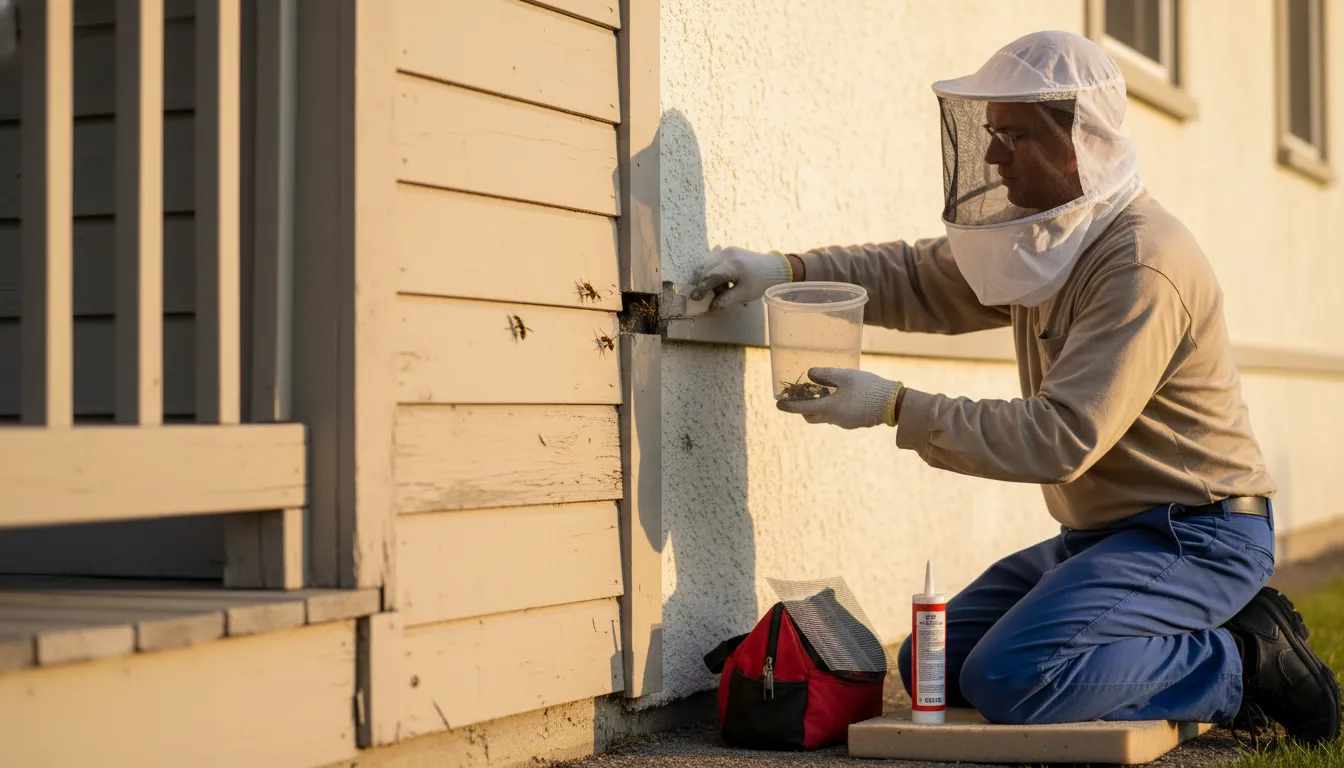
Discovering a buzzing nest of stinging insects on your Westfield property can be unsettling. Professional bee and wasp removal is a specialized service focused on safely eliminating these pests, protecting your family, and preventing future infestations. This guide explains what to expect from stinging insect control in Westfield, from identifying common species and nesting habits to understanding seasonal activity and the professional removal process. You can use the information here to make an informed decision when seeking local, licensed experts for hornet, yellowjacket, or honeybee problems.
Anderson Termite & Pest Solutions..Locally owned in Greenwood.. pest, termite, rodent contol
3115 Meridian Meadows Rd, Greenwood, IN 46142
Anderson Termite & Pest Solutions is a locally owned pest control company based near Indianapolis, IN, offering services for homes and businesses. They provide treatment and extermination for a variety of pests including termites, bed bugs, ants, spiders, fleas, roaches, rodents, bees, and wasps. Their technicians develop termite control plans to eliminate termite activity and address infestations in often overlooked areas like crawlspaces. The company also handles rodent control by distinguishing between mice and rats to effectively manage infestations.
Bee Control
Indianapolis, IN
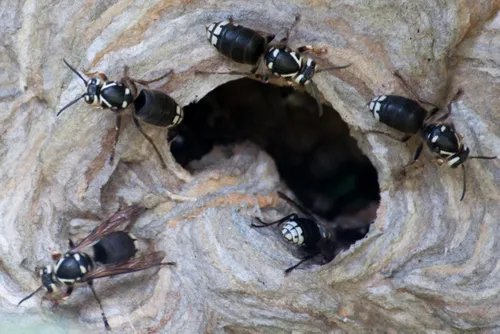
Bee Control provides bee, wasp, and hornet removal services in Indianapolis, IN. They specialize in inspecting, removing, and preventing stinging insect infestations around homes using a long-lasting microencapsulated chemical applied with specialized equipment. Their prevention programs focus on treating common nesting sites such as cracks, crevices, decks, and soffits to reduce the risk of stings and property damage. The company follows all state and federal regulations to ensure safe application methods that protect people and pets.
Kendall Pest Control // Locally Owned // Pest & Rodent Control Services
1924 E Minnesota St, Indianapolis, IN 46203
Kendall Pest Control is a locally owned and operated pest and rodent control company based in Indianapolis, IN. They provide services for both residential and commercial properties, addressing pests such as roaches, ants, fleas, bees, mice, rats, and bedbugs. With over 30 years of experience, Kendall Pest Control uses professional and safely applied products to manage infestations both inside and outside buildings. They serve Indianapolis and the surrounding areas and can respond quickly to pest control needs.
Elite Pest Solutions..Locally Owned..Rodent, Pest, & Termite Services
Indianapolis, IN
Elite Pest Solutions is a locally owned pest control company based in Indianapolis, IN, serving central Indiana and surrounding areas. They provide a range of services including termite inspections, rodent and insect exclusion, bed bug treatment, and removal of bees and wasps. Their capabilities include termite treatments using bait stations or chemical methods, as well as general pest extermination for homes and businesses. The company offers inspections for property transactions and pest control maintenance without requiring contracts.
SWAT Pest Solutions
Indianapolis, IN
SWAT Pest Solutions is a pest control company based in Indianapolis, IN, specializing in the removal and control of various pests including mice, ants, wasps, and mosquitoes. They focus on identifying entry points and creating tailored solutions to prevent infestations and damage to homes. Their services cover ant control, rodent control, bee and wasp removal, and mosquito treatments to help manage and reduce pest problems around residential properties.
Understanding Stinging Insects in Westfield
Not all flying, stinging insects are created equal, and the approach to managing them differs significantly. In Westfield, you'll commonly encounter social wasps (like yellowjackets, paper wasps, and hornets) and bees (primarily honeybees). Wasps and hornets are generally more aggressive, especially in late summer, and their nests are typically targeted for extermination. Honeybees, however, are vital pollinators, and whenever structurally possible, specialized services aim for live removal and relocation 1. Correctly identifying the insect is the first step toward a safe and appropriate solution.
Why Professional Removal is Recommended
Attempting a DIY approach to bee or wasp nest removal is strongly discouraged. Disturbing a nest can trigger a mass, defensive attack from hundreds of insects. Professionals have the training, protective equipment, and EPA-registered products to handle the job safely and effectively 2. They can also assess the situation to determine if the colony is accessible or hidden within a wall void, which requires a different treatment strategy. For the safety of your household and to ensure the colony is fully addressed, enlisting a licensed pest control expert is the wisest course of action.
Common Nesting Sites Around Your Home
Wasps and bees seek out sheltered, dry locations to build their nests. Being aware of these common hotspots around your Westfield home can help with early detection 3.
- High & Sheltered Structures: Look under roof eaves, soffits, overhangs, and inside attic vents or unscreened chimneys.
- Structural Voids: They often enter through tiny cracks to build nests inside wall cavities, behind siding, or within hollow porch columns.
- Outbuildings & Landscaping: Garages, sheds, playhouses, and dense shrubs or bushes are prime real estate. Paper wasps often build their open-comb nests under deck railings or patio furniture.
- Ground Burrows: Yellowjackets frequently establish colonies in abandoned rodent burrows, under landscaping timbers, or in areas with sparse grass 4.
- Trees & Utility Lines: Hollow trees are common, and nests are sometimes found attached to exterior utility boxes or lines.
Regularly inspecting these areas in the spring and early summer can help you spot a new, small nest before it becomes a large, established colony.
The Seasonal Cycle of Activity
Stinging insect activity in Central Indiana follows a predictable pattern driven by temperature and food availability 5. Understanding this cycle helps explain when you're most likely to encounter problems.
- Spring (March-May): Overwintered queens emerge and begin scouting for nesting sites. They start building small, starter nests and lay eggs. Activity is relatively low but increases as the weather warms.
- Summer (June-August): This is the peak growth period. Worker populations explode as the colony expands rapidly to gather food-nectar and insects for wasps, pollen and nectar for bees. Nests can become quite large during this time 6.
- Late Summer/Fall (August-October): This is when human encounters spike. Natural food sources dwindle, driving wasps and hornets to seek out human food, sugary drinks, and garbage. The colony's defensive instinct is at its peak, making them particularly aggressive 7. After the first hard frost, most of the colony dies off, leaving only the new, fertilized queens to find a place to hibernate.
- Winter (November-February): Activity ceases. Surviving queens remain dormant in protected hiding spots until spring.
Find the perfect wasp & hornet removal companies for your needs
Get personalized recommendations and expert advice
The Professional Removal Process
When you contact a Westfield pest control company for stinging insects, they will typically follow a structured process.
- Inspection & Identification: A technician will assess your property to locate all nests and identify the species. This is crucial for determining the treatment method.
- Treatment Plan: Based on the inspection, they will recommend a course of action. For most wasps and hornets, this involves applying a fast-acting insecticidal dust or spray directly into the nest entrance. For honeybees in a removable location, a live relocation may be proposed.
- Safe Execution: Using professional-grade protective gear, the technician will administer the treatment, often during cooler evening or early morning hours when insects are less active and more likely to be inside the nest.
- Nest Removal & Clean-up: Once the colony is eliminated, the physical nest is often removed to prevent other pests from being attracted to it and to allow for any necessary repairs to the structure.
- Prevention Advice: A reputable professional will provide tips on sealing entry points, managing attractants like garbage and outdoor food, and what to watch for in the future.
Cost of Bee and Wasp Removal in Westfield
The price for professional stinging insect control varies based on several factors. In Westfield, typical removal services range from $150 to $600, with more complex scenarios costing $1,300 or more 8 9.
Key factors that influence the final cost include:
- Species: Standard wasp extermination may differ in price from honeybee relocation, which is more labor-intensive.
- Nest Location & Accessibility: A ground nest or one on a first-floor eave is less expensive to treat than one 30 feet high in a tree, inside a wall void requiring repair, or within a chimney flue 10.
- Nest Size: A small, early-season nest requires less material and time than a large, mature colony.
- Number of Nests: Properties with multiple active nests will see higher costs.
- Emergency Service: Requests for immediate, after-hours service often carry a premium.
Most local companies, such as those serving the Westfield area, offer free estimates so you can understand the cost before committing to service.
Choosing a Service Provider
Several licensed pest control companies operate in Westfield with expertise in stinging insects. When evaluating providers, consider the following:
- Licensing & Insurance: Ensure the company is properly licensed by the state of Indiana and carries liability insurance.
- Experience & Specialization: Ask about their specific experience with bee and wasp removal. Some companies have specialists for live honeybee relocation.
- Methods & Guarantees: Inquire about their treatment methods and if they offer any service guarantee or warranty on their work.
- Estimates: Opt for companies that provide clear, detailed, free estimates.
Preventing Future Infestations
After removal, take proactive steps to make your property less inviting:
- Seal Entry Points: In early spring, caulk cracks around windows, doors, siding, and rooflines. Repair damaged screens on vents and chimneys.
- Manage Attractants: Keep garbage cans tightly sealed with lids. Clean up fallen fruit from trees and avoid leaving pet food or sugary drinks outside.
- Reduce Nesting Sites: Fill in abandoned rodent burrows in the yard. Consider painting or varnishing untreated wood surfaces, which can deter paper wasps.
- Regular Inspections: Periodically check the common nesting sites listed earlier, especially from spring through mid-summer.
Frequently asked questions
Sources
Footnotes
-
Westfield, IN - TruNorth Bee Removal - https://www.trunorthbeeremoval.com/bee-removal-westfield-in ↩
-
Stinging Insects | Westfield, IN - Vermission Pest & Wildlife - https://www.vermission.com/stinging-insects ↩
-
Where Do Wasps Nest? Prevention & Removal Tips - Miller Pest Solutions - https://www.millerthekiller.com/blog/where-do-wasps-nest/ ↩
-
Yellow Jackets and Wasps in Westfield Indiana - https://gandgtermiteandpestcontrol.com/yellow-jackets-and-wasps-in-westfield-indiana/ ↩
-
How Weather and Seasons Affect Stinging Insect Activity - https://www.askawayblog.com/2025/10/how-weather-and-seasons-affect-stinging.html ↩
-
Wasp Season in Indianapolis? Stay Protected - https://aaapests.com/when-are-wasps-most-active-in-indianapolis-and-how-can-you-stay-safe/ ↩
-
Why Stinging Insects Are More Active in Late Summer-and ... - https://triopestcontrol.com/why-stinging-insects-are-more-active-in-late-summer-and-what-indianapolis-residents-can-do-about-it/ ↩
-
Bee, Wasp, & Hornet Removal | Indianapolis Pest Services - https://premierpestindy.com/services/bees-wasps-hornets-indianapolis ↩
-
Professional Wasp and Hornet Control - Critter Removal Indy - https://critterremovalindianapolis.com/pest-control/wasp-and-hornet-pest-control-cost/ ↩
-
Bee and Wasp Removal: Top 2025 Effective Solutions - https://bigginsexterminating.com/bee-and-wasp-removal/ ↩