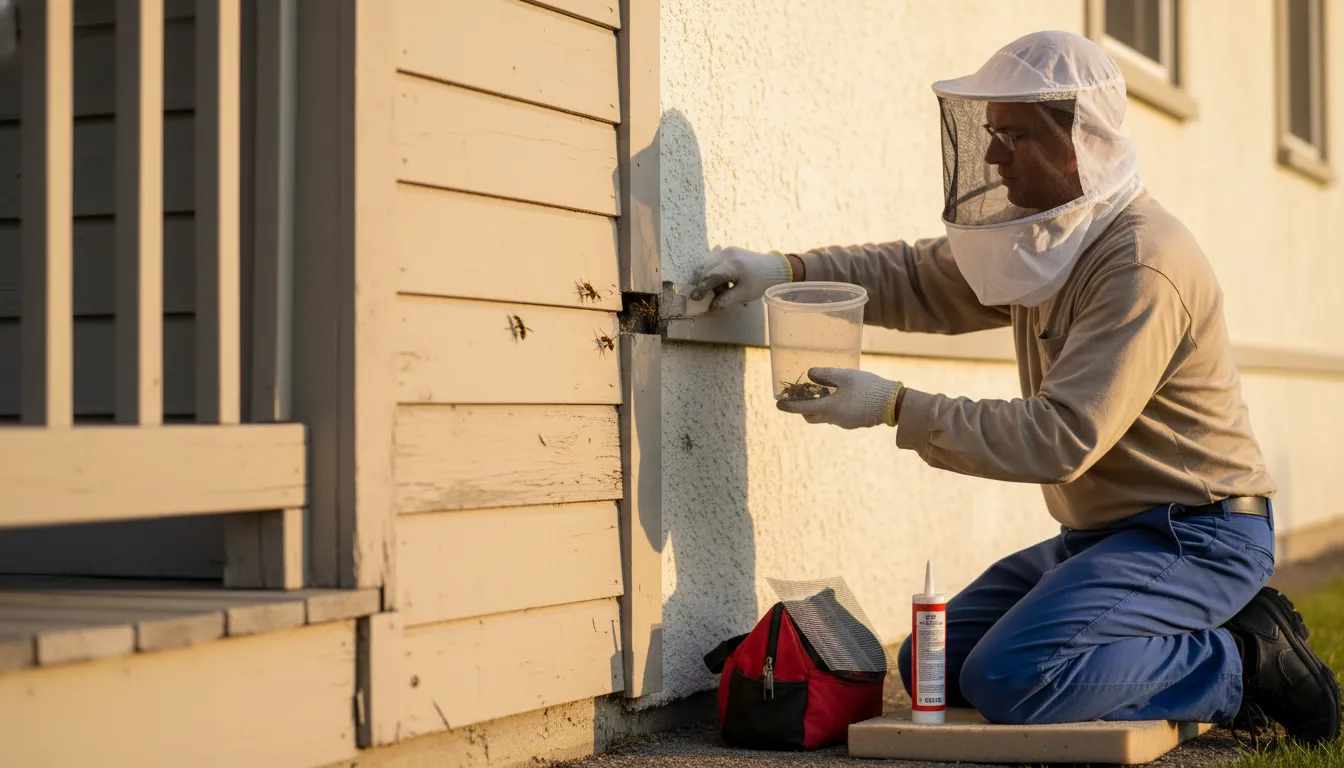
Find the Best Wasp & Hornet Removal Companies for Your Business
No obligation • Fast responses • Nationwide coverage

Why you can trust Pest Crews
Pest Crews is a leading U.S. resource for finding and evaluating residential and commercial pest control services. Our team researches providers, reviews treatment approaches, and organizes unbiased information to help you make informed decisions. Companies cannot pay to change our editorial content or influence how they appear.
Search providers near you
Top Wasp & Hornet Removal Companies in Minnetonka, Minnesota Ranked
Discovering a buzzing nest of stinging insects on your property can be alarming. Professional bee and wasp removal is a specialized service focused on safely eliminating these pests while considering the ecological importance of pollinators like honey bees. For residents in Minnetonka, understanding your local options for hornet control, yellowjacket extermination, and live bee relocation is key to resolving an infestation safely and effectively. This guide will help you identify the problem, know when to call a professional, and understand what to expect from the process.
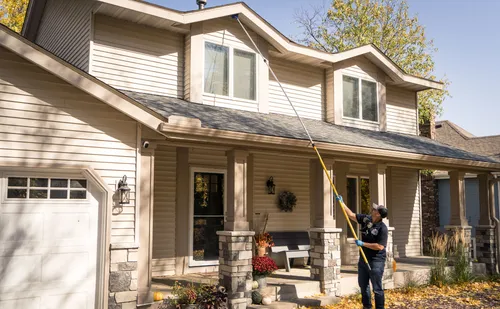
Rainbow Pest Experts
11571 K-Tel Dr, Minnetonka, MN 55343
Rainbow Pest Experts is a pest control company serving Minneapolis, MN, and the surrounding Twin Cities area. They offer a range of pest management services including mouse control, mosquito and tick treatments, ant control, and wasp removal. Their approach includes both elimination of current pests and prevention of future infestations. With over two decades of experience, Rainbow Pest Experts applies science-backed and environmentally responsible methods to protect homes and families. They also provide ongoing pest protection plans for year-round coverage.
Rove Pest Control
275 4th St E b260, St Paul, MN 55101
Rove Pest Control provides residential and commercial pest control services in Minneapolis, MN. They address a wide range of pests including ants, mice, rats, cockroaches, wasps, and bed bugs, using preventive treatments to help keep properties pest-free year-round. Rove offers specialized services such as bed bug heat treatments and mosquito control, and serves various neighborhoods and business types across the Minneapolis-St. Paul metro area. The company has partnered with Greenix Pest Control, which has over a decade of industry experience, enhancing their commitment to effective and sustainable pest management solutions.
Rove Pest Control
301 4th Ave S #272h, Minneapolis, MN 55415
Rove Pest Control provides residential and commercial pest control services in Minneapolis, MN. They handle a variety of pests including ants, rodents, cockroaches, wasps, bed bugs, and mosquitoes. Their services include preventive treatments designed to keep pests from returning. Rove Pest Control offers specialized treatments such as state-of-the-art heat treatment for bed bugs and injection treatments for trees and shrubs. The company has partnered with Greenix Pest Control, which has over a decade of experience, enhancing their expertise and service reach across the Midwest.
Valor Pest Solutions
1406 Thomas Ave W, St Paul, MN 55104
Valor Pest Solutions is a pest control company based in Minneapolis, MN, specializing in customized pest management tailored to the region's extreme seasonal changes. They offer services for a variety of pests including ants, mice, wasps, spiders, mosquitoes, bed bugs, and rodents. Their approach begins with a thorough inspection followed by a tailored treatment plan that considers local conditions and seasonal pest activity. One notable capability is their comprehensive pest control process, which includes interior and exterior treatments, lawn care, and prevention measures such as de-webbing and nesting area elimination. Valor Pest Solutions understands the unique pest challenges in Minnesota and adapts their services accordingly.

Valor Pest Solutions
530 N 3rd St Unit C, Minneapolis, MN 55401
Valor Pest Solutions is a pest control company serving Minneapolis, MN, with over 30 years of local experience. They provide customized pest control services tailored to seasonal pest challenges common in Minnesota homes. Their expertise covers a wide range of pests including ants, mice, wasps, mosquitoes, bed bugs, and rodents. Valor Pest Solutions offers thorough interior and exterior treatments, including home perimeter and full yard services, with a focus on eco-friendly and pet-safe products. They specialize in rodent control by identifying nests and eliminating infestations effectively. Their knowledge of local pests and seasonal patterns supports targeted pest management throughout the year.
Understanding Your Stinging Insect Problem
The first step in addressing an infestation is identifying the insect. In Minnetonka, you may encounter several types of stinging pests, each with distinct behaviors and nesting preferences.
- Paper Wasps: These wasps build open, umbrella-shaped nests, often under eaves, deck railings, or in shrubs. They are generally less aggressive than other species but will defend their nest.
- Yellowjackets: A common and aggressive type of wasp, yellowjackets often build large, enclosed nests in wall voids, attics, or underground. They are attracted to human food and can be a significant nuisance at outdoor gatherings 1.
- Bald-Faced Hornets: These larger wasps construct large, gray, football-shaped nests, typically high in trees or on structures. They are highly protective of their colony.
- Honey Bees: Vital pollinators, honey bees are not native pests. Swarms may temporarily cluster on a tree branch, but established hives inside structures require special attention. Extermination is discouraged; live removal and relocation is the preferred method.
Where to Look for Nests Around Your Home
Wasp and bee nests can be cleverly hidden in various sheltered spots around a residential property. A thorough inspection can help you locate the source of the activity.
Common Exterior Nesting Sites:
- Under roof eaves, overhangs, and ledges.
- Behind shutters, siding, or on second-story decks.
- Within dense shrubs, bushes, or on tree branches.
- Inside sheds, garages, or barns, often attached to rafters or joists.
- Around utility boxes, playground equipment, and outdoor furniture 2 3.
Ground Nests: Yellowjackets frequently build nests underground in abandoned rodent burrows, under landscaping, or within rock walls. These can be particularly dangerous as they are easily disturbed by lawn mowing or foot traffic 4.
Interior/Structural Nests: This is a more serious concern. Wasps and bees can enter wall voids, attics, and chimneys through small cracks or openings in siding. An interior nest often requires professional expertise to safely remove without causing property damage 5.
The Seasonal Cycle of Wasps and Bees in Minnesota
Understanding the insect life cycle is crucial for timing prevention and removal efforts effectively 6.
- Spring (April - May): Fertilized queen wasps emerge from hibernation and begin scouting locations to build new nests and lay eggs. This is the ideal time for preventative measures and early removal, as the colony is still small. Honey bee swarming, when a colony splits and seeks a new home, also typically occurs in late spring and early summer 7.
- Summer (June - July): Colony populations explode. Worker activity is at its peak, gathering food and expanding the nest from the size of a tennis ball to a basketball or larger.
- Late Summer & Early Fall (August - September): This is when wasps and hornets are most aggressive. The colony's life cycle is ending, natural food sources become scarce, and they become highly defensive of their large nests 8 9. Professional removal during this period often deals with the largest, most established colonies.
- Winter (October - March): With the first hard frost, most worker wasps die. Only the new, fertilized queens survive, hibernating in sheltered spots like under bark or inside structures. Wasp nests are not reused and are typically empty by early winter 10 11. Honey bee colonies, however, cluster inside their hives to survive the cold.
Professional Removal: What to Expect
For most infestations, especially those involving aggressive species, large nests, or hard-to-reach locations, hiring a professional pest control company is the safest and most effective course of action. In Minnetonka, licensed and insured companies such as Abra Kadabra Environmental Services, Adam's Pest Control, and Rainbow Pest Experts offer specialized stinging insect removal 12.
The Professional Process:
- Inspection: A technician will identify the insect species, locate all nests, and assess the extent of the infestation.
- Treatment Plan: They will recommend a course of action. For most wasps and hornets, this involves applying insecticidal dust or spray directly into the nest entrance during evening hours when the insects are less active.
- Removal: Once the colony is eliminated, the physical nest is often removed to prevent other pests from using it and to deter future queens from building in the same spot.
- Exclusion: For structural nests, the technician may recommend sealing entry points after treatment to prevent re-infestation.
A Special Note on Honey Bees: If you have a honey bee hive, the approach is different. The University of Minnesota Bee Lab and local professionals emphasize live removal 13. They may contact the Minnesota Hobby Beekeepers Association or a local beekeeper who can carefully extract the colony and re-home it, preserving these essential pollinators 14 13 15.
Find the perfect wasp & hornet removal companies for your needs
Get personalized recommendations and expert advice
Understanding the Cost of Professional Removal
The cost for professional wasp or bee control in Minnetonka varies based on several key factors, with a typical service ranging from $300 to $700 16 17.
Primary Factors Influencing Price:
- Nest Size & Severity: A small, early-season nest is less expensive to treat than a massive, late-season colony with thousands of aggressive insects 18.
- Location: Easily accessible outdoor nests (e.g., under an eave) are on the lower end of the cost spectrum. Nests located in attics, wall voids, or chimneys require more time, specialized equipment, and potentially minor demolition, increasing the price 19 20.
- Insect Type: Standard wasp removal has a typical cost. Live honey bee removal and relocation is a more involved process and may be priced differently.
- Service Type: A one-time treatment for a specific nest is common. Some homeowners opt for a year-round pest service plan, which can include preventative treatments and may offer a lower cost per visit for ongoing issues.
DIY Removal: Proceed with Extreme Caution
Attempting to remove a nest yourself is risky and is only advisable for very small, easily accessible nests early in the season.
If You Choose a DIY Approach:
- Act at night or very early morning when insects are dormant and inside the nest.
- Wear protective clothing - long sleeves, pants, gloves, and a veil or hat with netting.
- Have an escape route planned.
- Use a commercial wasp spray that can project a stream from a safe distance (10+ feet).
- Never seal an entry hole to a nest before the colony is eliminated. Trapped wasps may chew through drywall or find another exit into your living space, creating a more dangerous situation 21 22.
When to Absolutely Call a Professional:
- The nest is large (bigger than a fist).
- It's located in a wall, attic, or underground.
- You or a family member is allergic to stings.
- The nest is in a high-traffic area (near a doorway, playground, or deck).
- You are dealing with aggressive yellowjackets or hornets.
- The infestation involves honey bees.
Preventing Future Infestations
After dealing with a nest, take steps to make your property less attractive to future queens in the spring.
- Seal Entry Points: In early spring, inspect your home's exterior. Seal cracks in siding, around windows, and where utility lines enter with caulk or steel wool.
- Manage Food Sources: Keep trash cans tightly sealed. Clean up fallen fruit from trees and avoid leaving sugary drinks or food uncovered outdoors.
- Reduce Nesting Sites: Regularly inspect common nesting areas like eaves, soffits, and sheds. Consider hanging fake wasp nests (decoy nests) early in the season, as wasps are territorial and may avoid areas they believe are already occupied.
- Landscape Maintenance: Fill in abandoned rodent burrows in your yard and keep shrubbery trimmed away from the house.
Frequently asked questions
Sources
Footnotes
-
Wasps and bees | UMN Extension - https://extension.umn.edu/yard-and-garden-insects/wasps-and-bees ↩
-
Bees And Wasp Extermination Services In Minnetonka - https://www.greenmnpest.com/bees-and-wasp-extermination-services-in-minnetonka/ ↩
-
Bee & Wasp Removal Service - Environmental Pest Management - https://bugtech.com/bee-and-wasp-control/ ↩
-
Common Places You Find Bee and Wasp Nests - Abarb Pest Services - https://abarbpest.com/common-places-you-find-bee-and-wasp-nests/ ↩
-
Expert Bee & Wasp Treatments Minneapolis MN - https://www.be-there4you.com/minneapolis-mn-bees-wasps-control ↩
-
How to Identify Stinging Insect Nests at Your Maryland Home - https://pestczar.com/how-to-identify-stinging-insect-nests-at-your-maryland-home/ ↩
-
Beekeeping Calendar for the Northeast - Cornell CALS - https://cals.cornell.edu/pollinator-network/beekeeping/beekeeping-calendar-northeast ↩
-
Why Bees, Wasps, and Hornets Are So Active in August and ... - https://www.actionpestcontrol.com/2024/08/21/why-bees-wasps-and-hornets-are-so-active-in-august-and-september/ ↩
-
Why Are Bees Suddenly So Aggressive? It's Angry Bee Season! - https://www.afcurgentcare.com/torrington/blog/why-are-bees-suddenly-so-aggressive-its-angry-bee-season/ ↩
-
Wasps - files - https://files.dnr.state.mn.us/mcvmagazine/young_naturalists/young-naturalists-article/wasps/mayjun2017_young_naturalists.pdf ↩
-
How to Identify Bee vs. Wasp Activity in Late Winter - https://www.ochelper.com/how-to-identify-bee-vs-wasp-activity-in-late-winter/ ↩
-
Rainbow Pest Experts - https://www.google.com/viewer/place?mid=/g/1tv24q1k ↩
-
Wasp and Bee Removal - Bee Lab - https://beelab.umn.edu/wasp-and-bee-removal ↩ ↩2
-
TOP 10 BEST Wildlife Control in Minnetonka, MN - Updated 2026 - https://m.yelp.com/search?find_desc=Wildlife+Control&find_loc=Minnetonka%2C+MN ↩
-
Get Rid of Bees Around Your Home Or Business - https://www.wmsmn.com/services/bees/ ↩
-
Yellow jacket exterminator cost 2025: Top 5 Proven Savings - https://bigginsexterminating.com/yellow-jacket-exterminator-cost/ ↩
-
Bee or Wasp Removal Cost - https://usalivebeeremoval.com/bee-or-wasp-removal-cost/ ↩
-
10 Best Pest Control Companies in Minnetonka, MN - https://todayshomeowner.com/near-me/minnesota/minnetonka/pest-control/ ↩
-
How much does Wasp extermination cost? - Yelp - https://www.yelp.com/costs/wasp_extermination ↩
-
How Much Does Terminix Cost? (2026) - HomeGuide - https://homeguide.com/costs/terminix-prices ↩
-
What to Do About Wasps in Minnesota - Rainbow Pest Experts - https://www.rainbowpestexperts.com/what-to-do-about-wasps/ ↩
-
Bee & Wasp Control Near Me In Minnetonka MN - https://abrakadabraenvironmental.com/wasp-control-services/minnetonka/ ↩