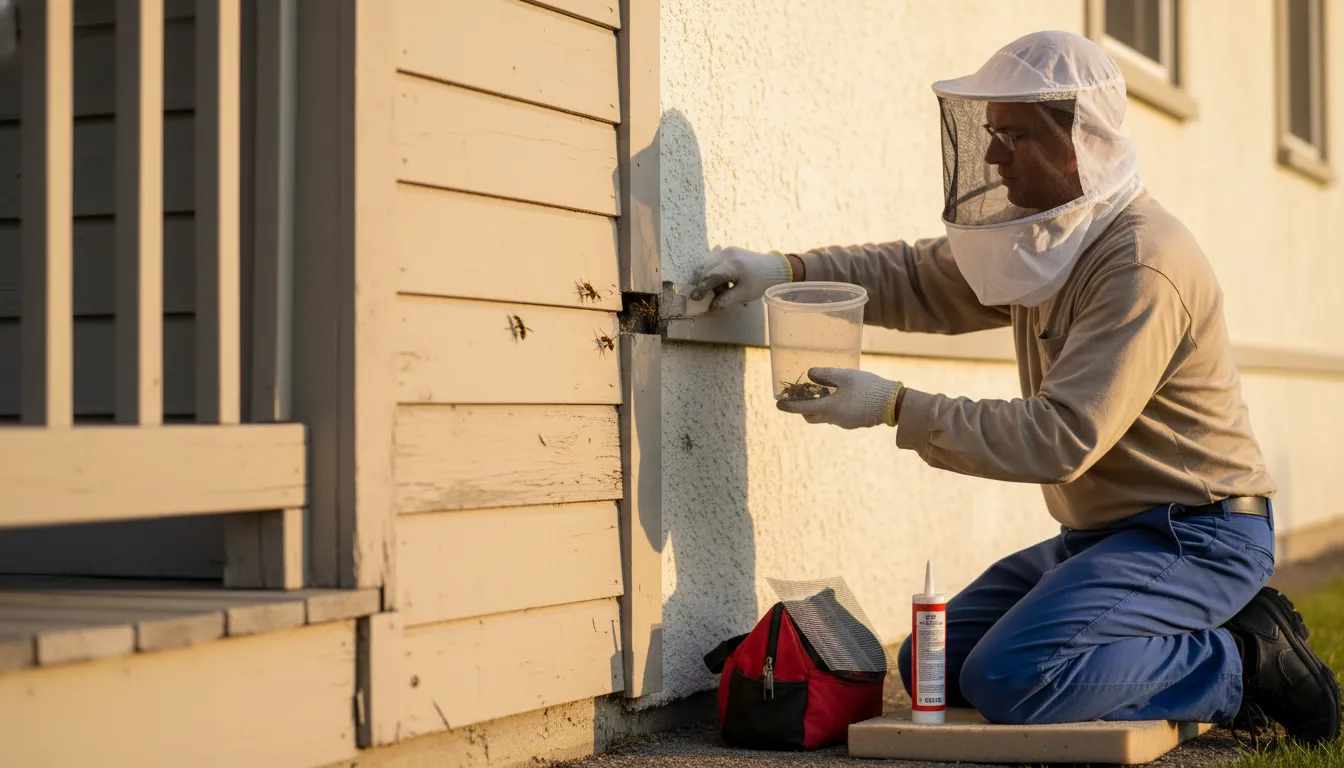
Find the Best Wasp & Hornet Removal Companies for Your Business
No obligation • Fast responses • Nationwide coverage

Why you can trust Pest Crews
Pest Crews is a leading U.S. resource for finding and evaluating residential and commercial pest control services. Our team researches providers, reviews treatment approaches, and organizes unbiased information to help you make informed decisions. Companies cannot pay to change our editorial content or influence how they appear.
Search providers near you
Top Wasp & Hornet Removal Companies in Kansas City, Missouri Ranked
Discovering a buzzing nest on your property can be alarming. In Kansas City, managing stinging insects is a task best left to trained professionals who can safely identify the species, assess the risk, and execute the appropriate removal strategy. Whether you're dealing with aggressive wasps or a beneficial honeybee colony, understanding your local options helps protect your family and property. This guide provides essential information on professional bee and wasp control services in the area, common nesting sites, seasonal activity, and associated costs to help you make an informed decision.

ZipZap Termite & Pest Control
18602 US-69, Lawson, MO 64062
ZipZap Termite & Pest Control is a family-owned pest control company serving Kansas City, MO, and surrounding areas. With over 33 years of experience, they provide comprehensive pest management services for residential and commercial properties. Their offerings include termite inspections and treatments, bed bug fumigation and heat treatments, mosquito control, rodent control, and removal of various insects such as ants, cockroaches, and wasps. The company employs a board-certified entomologist to develop specialized pest control programs and uses advanced products and equipment to ensure effective treatments while prioritizing the safety of families and pets.
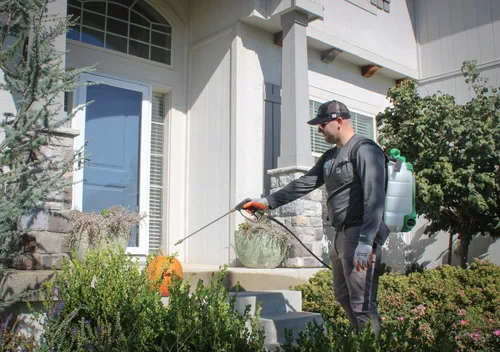
Upfront Pest
1321 Burlington St suite 203, North Kansas City, MO 64116
Upfront Pest is a locally owned pest control company serving Kansas City, MO. They provide environmentally conscious, kid- and pet-friendly solutions for a variety of pests including cockroaches, ants, rodents, mosquitoes, bees, and wasps. Their service includes an exterior-focused treatment protocol designed to create a protective perimeter around homes. Upfront Pest offers three core treatment plans that cover common household pests with options for lawn and mosquito control. The company emphasizes efficiency and transparency in pricing, aiming to reduce costs through streamlined scheduling and service delivery.
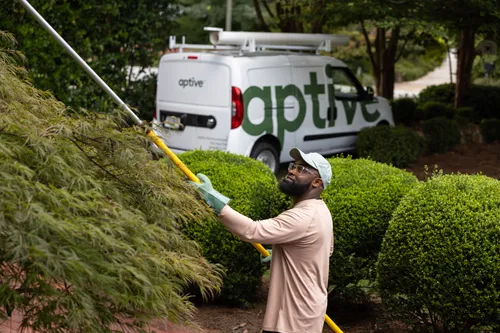
Aptive Pest Control
Overland Park, KS
Aptive Pest Control provides pest management services in Overland Park, KS, and surrounding areas including Raymore, MO. The company handles common pests such as ants, cockroaches, spiders, rodents, bees, and wasps. Aptive offers seasonal treatments and specializes in both indoor and outdoor pest control. Their technicians are experienced in locating and addressing pest issues like wasp nests and rodent infestations. Serving a broad region around Overland Park, Aptive Pest Control supports customers with clear communication and tailored pest plans.
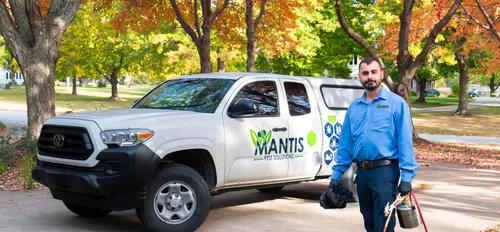
Mantis Pest Solutions
7300 W 110th St #768, Overland Park, KS 66210
Mantis Pest Solutions provides comprehensive pest control services in Kansas City, MO, specializing in both residential and commercial pest management. Their offerings include treatment and prevention for bed bugs, cockroaches, ants, rodents, termites, mosquitoes, bees, wasps, spiders, and other common pests. The company uses eco-friendly products and customizes treatment plans based on thorough inspections to address specific pest issues effectively. They also provide ongoing maintenance plans to help keep properties pest-free over time. Mantis Pest Solutions emphasizes termite inspections and control, using a combination of liquid treatments and baiting to manage infestations. Their services cover interior and exterior pest control needs tailored to the local climate and pest challenges.
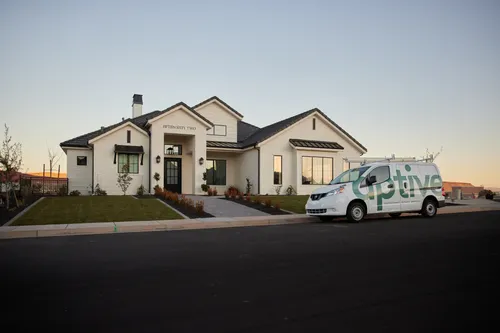
Aptive Pest Control
Overland Park, KS
Aptive Pest Control provides pest management services in Overland Park, KS, and surrounding communities. They address common pests such as ants, spiders, rodents, bees, and wasps with year-round treatments tailored to local seasonal conditions. The company operates out of Lenexa, KS, and serves a wide area including Gardner, Basehor, Kansas City, and more. Aptive Pest Control is known for identifying and managing wasp nests and rodent issues effectively. Their team emphasizes clear communication and reliable service to meet the needs of homeowners in the region.
Understanding Your Stinging Insect Problem
Not all flying, stinging insects are created equal, and the approach to handling them differs significantly. Proper identification is the crucial first step. In Kansas City, you're likely to encounter paper wasps with their distinctive umbrella-shaped nests, aggressive yellowjackets that often nest in the ground, larger bald-faced hornets with their football-sized aerial nests, and, of course, honeybees. Honeybees are vital pollinators and are often candidates for live relocation rather than extermination. Misidentifying a honeybee hive as a wasp nest could lead to the unnecessary loss of these important insects. Professionals are trained to distinguish between species, which dictates whether a nest requires extermination or humane bee removal and relocation.
Why Professional Removal is Essential
Attempting a DIY approach to bee or wasp nest removal is strongly discouraged. These insects can become highly defensive of their colony, and disturbing a nest often triggers a mass, painful stinging response. For individuals with allergies, a single sting can lead to a life-threatening situation. Beyond the immediate danger, professionals have the proper protective equipment and application tools to treat nests in high, hard-to-reach, or enclosed spaces safely. They also understand the behavior of different species, ensuring the entire colony is addressed to prevent survivors from regrouping. Licensed exterminators and bee removal specialists carry insurance, protecting you from liability.
Common Nesting Sites in Kansas City Homes
Bees and wasps seek out sheltered, quiet spots near food and water sources. Knowing where to look can help you spot an issue early before a small nest becomes a large infestation1.
Exterior Nesting Locations:
- Structural Features: Under eaves, roof overhangs, porch ceilings, window frames, and behind siding or shutters.
- Outbuildings & Storage: Inside sheds, garages, children's playhouses, and unused grills or outdoor furniture.
- Landscaping: In dense shrubs, trees, hollow tree trunks, and within rock piles or retaining walls.
- Ground Nests: Many yellowjacket species create extensive subterranean nests in old rodent burrows, under landscaping mulch, or in voids under concrete slabs and decks2 3.
- Utility Areas: Inside electrical meter boxes, HVAC units, and dryer vents.
Interior Nesting Locations:
- Attics and Wall Voids: This is a common issue. Insects gain access through tiny cracks in soffits, gaps around utility lines, or unscreened vents. A nest inside a wall can grow for months before being noticed, sometimes leading to honey seepage from bee hives that damages drywall 4.
Find the perfect wasp & hornet removal companies for your needs
Get personalized recommendations and expert advice
Professional Service Options: Extermination vs. Relocation
Kansas City residents have access to two primary types of professional services, chosen based on the insect species.
Pest Control Extermination: For wasps, hornets, and yellowjackets, extermination is the standard method. Licensed pest control companies like those serving the area use targeted insecticides to eliminate the colony. The treatment is designed to be effective and minimize risk to people, pets, and the environment. After the insects are neutralized, the professional will typically remove the nest to prevent secondary pests from moving in or pheromones from attracting new colonies5 6.
Live Bee Removal and Relocation: When the colony is identified as honeybees, a humane and ecologically responsible option is available. Specialized services such as KC Bee Removal and Midwest Bee Removal focus on live removal7 8. A bee removal expert will carefully extract the comb, bees, and often the queen, relocating them to a local apiary where they can continue their vital pollination work. Some local beekeepers may even offer to remove an easily accessible swarm for free. It's important to note that if honeybees have established a hive deep within a wall, the removal process can be more involved, requiring careful extraction and subsequent repair of the structure.
Seasonal Activity of Bees and Wasps in Kansas City
Insect activity isn't constant throughout the year; it follows a predictable seasonal cycle. Understanding this can help you time inspections and be more vigilant during peak periods.
- Spring (April-May): The activity begins. Overwintered queen wasps and bumblebees emerge to start new colonies. This is also prime swarming season for honeybees, where a large group of bees may cluster on a tree branch or structure while scout bees search for a permanent home. Nests are small and populations are low, making early spring an ideal time for exclusion and preventive measures9 10.
- Summer (June-July): Colonies grow rapidly. Worker numbers increase, and foraging activity is constant. Nests become more obvious and larger. While defensive behavior is present, aggression typically peaks later in the season.
- Late Summer to Fall (August-October): This is the most critical period. Colonies reach their maximum size, food sources may become scarce, and the insects are highly protective of their resources. They are at their most aggressive during these months11. In the fall, new queens and males are produced. After mating, the new queens seek shelter to overwinter, while the rest of the colony dies off with the first hard freeze12 13.
Cost of Bee and Wasp Removal in Kansas City
The price for professional stinging insect removal in Kansas City varies based on the type of insect, the nest's location, its size, and the required treatment method. The following table provides a general overview of typical price ranges in the area, though obtaining a specific quote from a licensed professional after an inspection is always recommended14 15 16.
| Type of Service / Pest | Typical Price Range (Kansas City Area) | Key Considerations |
|---|---|---|
| Wasp, Hornet, or Yellowjacket Extermination | $230 - $540 | Cost increases for nests in hard-to-reach areas (e.g., high roofs, inside walls) due to access challenges and potential repair work. Ground nests may be less expensive to treat. |
| Honeybee Hive Removal & Relocation | $120 - $390 | Easily accessible swarms may be removed for free by a beekeeper. Hives established inside walls or structures cost more due to the labor-intensive extraction and necessary repairs to seal the entry point. |
| General Pest Control Visit | $100 - $500 | Many companies offer one-time services for stinging insects as part of a broader inspection and treatment, sometimes with a service guarantee. |
Preventing Future Infestations
After a nest has been professionally removed, taking preventive steps can help avoid future problems.
- Seal Entry Points: In early spring, carefully inspect your home's exterior. Seal cracks in siding, mortar, and foundation. Install fine mesh screens over vents, chimneys, and gaps under eaves.
- Manage Attractants: Keep trash cans tightly sealed and clean up fallen fruit from trees. Repair leaky outdoor faucets and eliminate standing water. When eating outdoors, keep food covered and clean up spills promptly.
- Landscape Maintenance: Regularly trim back tree branches and shrubs that touch your house. Fill in rodent burrows and ground holes in your yard.
- Regular Inspections: Make it a habit to check common nesting sites (eaves, decks, sheds) periodically throughout the spring and summer.
Frequently asked questions
Sources
Footnotes
-
Common Places You Find Bee and Wasp Nests - Abarb Pest Services - https://abarbpest.com/common-places-you-find-bee-and-wasp-nests/ ↩
-
Wasp Infestation Signs in Kansas City | How to Spot Early - https://www.millerthekiller.com/blog/wasp-infestation-signs-kansas-city/ ↩
-
How to Get Rid of Wasp, Hornet, and Yellow Jackets - Pests In The Home - https://pestsinthehome.extension.org/wasps/how-to-get-rid-of-wasp-hornet-yellow-jackets/ ↩
-
Bees, Wasps, Hornets - Critter Control of Kansas City - https://www.crittercontrolofkansascity.com/residential/home-services/bees-wasps-hornets.html ↩
-
Wasp & Yellowjacket Exterminator - Blue Beetle Pest Control - https://bluebeetlepest.com/pest-control-services/wasp-and-yellowjacket-exterminator/ ↩
-
Bee & Wasp Removal in Kansas City - Augustine Exterminators - https://www.augustineexterminators.com/home-pest-control/bee-wasp-control/ ↩
-
Midwest Bee Removal: Bee Removal Kansas City, MO - https://www.midwestbeeremoval.com/ ↩
-
KC Bee Removal, LLC - https://www.google.com/viewer/place?mid=/g/113gq5gcb ↩
-
Wasp control in Kansas City, MO | Miller Pest Service - https://www.millerthekiller.com/kansas-city-wasp-control/ ↩
-
Honey Bee Identification & Info - American Pest Management - https://americanpestonline.com/pest-info/bees-wasps-and-hornets/honey-bee/ ↩
-
Why Stinging Insects Are More Active in Late Summer-and What Indianapolis Residents Can Do About It - https://triopestcontrol.com/why-stinging-insects-are-more-active-in-late-summer-and-what-indianapolis-residents-can-do-about-it/ ↩
-
Critical Days of Summer: All the buzz about stinging insects - https://www.jbmdl.jb.mil/News/Features/Display/Article/247208/critical-days-of-summer-all-the-buzz-about-stinging-insects/ ↩
-
Paper Wasps - Missouri Department of Conservation - https://mdc.mo.gov/discover-nature/field-guide/paper-wasps ↩
-
How Much Does Pest Control Cost in Kansas City, MO? | Angi - https://www.angi.com/articles/how-much-does-pest-control-service-cost/mo/kansas-city ↩
-
How Much Does Beehive Removal Cost in 2026? - Lawn Love - https://lawnlove.com/blog/beehive-removal-cost/ ↩
-
How Much Does Wasp Nest Removal Cost in 2026? - https://lawnlove.com/blog/wasp-nest-removal-cost/ ↩