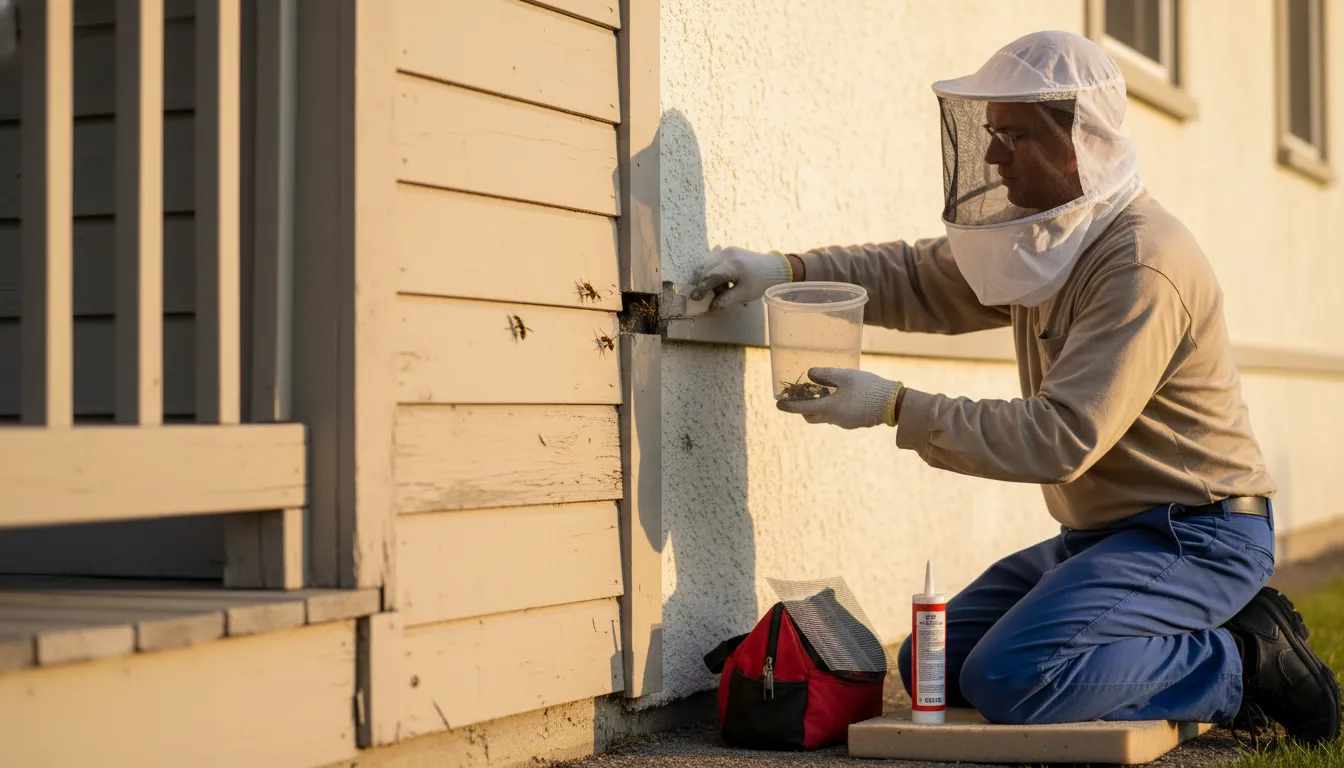
Find the Best Wasp & Hornet Removal Companies for Your Business
No obligation • Fast responses • Nationwide coverage

Why you can trust Pest Crews
Pest Crews is a leading U.S. resource for finding and evaluating residential and commercial pest control services. Our team researches providers, reviews treatment approaches, and organizes unbiased information to help you make informed decisions. Companies cannot pay to change our editorial content or influence how they appear.
Search providers near you
Top Wasp & Hornet Removal Companies in St Peters, Missouri Ranked
Discovering a buzzing nest on your property can be unsettling and potentially dangerous. Professional bee and wasp removal is a specialized service focused on safely identifying, treating, and eliminating stinging insect infestations. For homeowners in St. Peters, understanding the local species, their habits, and the available solutions is key to restoring peace and safety to your yard. This guide provides detailed information to help you navigate the process of finding qualified local experts for stinging insect control.
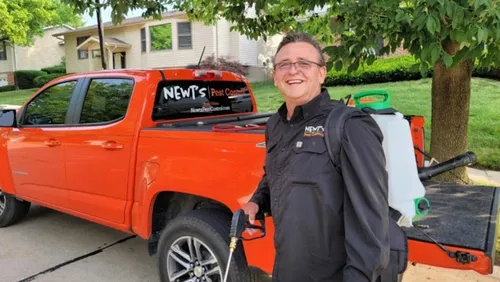
Newt’s Pest Control
St Louis, MO
Newt's Pest Control is a pest control company serving St Louis, MO, and surrounding counties including St. Charles. They offer residential and commercial pest extermination services, including cockroach, ant, rodent, mosquito, bee, wasp, spider, and flying insect control. Their services include one-time treatments, monthly plans, and pest inspections. Newt's Pest Control emphasizes eco-friendly and safe pest management solutions, combining pest and mosquito control under one agreement backed by a full satisfaction guarantee.
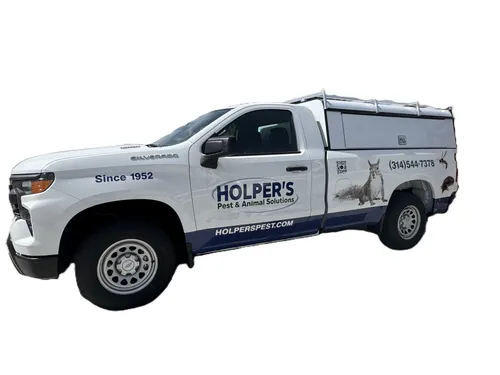
Holper's Pest & Animal Solutions STL
9223 Gravois Rd, St. Louis, MO 63123
Holper's Pest & Animal Solutions STL is a family-owned pest control company serving St. Louis, MO, and surrounding counties including Jefferson, St. Charles, and Franklin, as well as Southwest Missouri and Metro Illinois. They provide pest and wildlife removal services for both residential and commercial properties, focusing on thorough inspections and preventative treatments to eliminate infestations and block entry points. Established in 1952, Holper's has decades of experience and emphasizes personalized service tailored to each customer's needs. They offer same-day service to address urgent pest problems promptly.

Aptive Pest Control
St Louis, MO
Aptive Pest Control offers tailored pest management services in St. Louis, MO, addressing common pests such as ants, spiders, rodents, mosquitoes, and wasps. Their technicians provide specialized treatments including mosquito control, rodent removal, and cockroach extermination, covering a broad range of pests found in the region. Serving St. Louis and surrounding communities, Aptive focuses on creating customized pest control plans to meet local needs.
Mantis Pest Control of St. Louis
8422 Rockhaven Ln, Affton, MO 63123
Mantis Pest Control of St. Louis provides pest control services in St Louis, MO, specializing in bed bug treatment, ant control, and bee and wasp removal. The company focuses on safe and effective pest management solutions, including pet-safe products. Known for addressing hornet nests and ant infestations efficiently, Mantis Pest Control offers knowledgeable and courteous service.
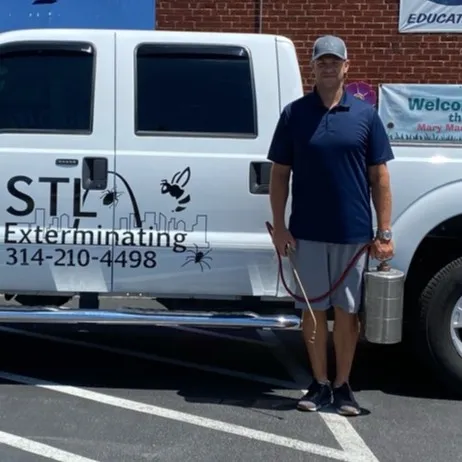
STL Exterminating
St Louis, MO
STL Exterminating is a family-owned pest control company serving St Louis, MO, and surrounding areas including St. Charles County and nearby communities. With over 15 years of experience, they offer pest management services for termites, bed bugs, cockroaches, fleas, spiders, wasps, and other infestations using odorless, non-staining, and safe treatments that allow homeowners to remain in their homes during service. They provide warranties on their treatments, including extended coverage for termite removal.
Common Stinging Insects in St. Peters
The St. Peters area is home to several species of bees and wasps, each with distinct behaviors and nesting preferences. Correct identification is the first step toward effective and appropriate control.
Paper Wasps: These are the familiar wasps with long legs and narrow waists, often seen building open, umbrella-shaped nests under eaves, deck railings, and in shrubs. While less aggressive than some relatives, they will defend their nest if disturbed.
Yellowjackets & Hornets: This group includes both ground-nesting and aerial-nesting species. Eastern yellowjackets often colonize old rodent burrows or holes in the ground, while German yellowjackets may nest inside wall voids or attics 1. They are notably more aggressive, especially in late summer and fall when their colonies are at peak size and they are foraging for food.
Honeybees: As vital pollinators, honeybees are often protected when possible. In residential settings, they may establish hives inside hollow trees, wall voids, chimneys, or under sheds. Live removal and relocation by a beekeeper is the preferred method for these beneficial insects.
Bumblebees & Mud Daubers: Bumblebees are large, fuzzy, and typically nest in the ground or in small cavities. Mud daubers are solitary wasps that build distinctive mud tubes; they are generally non-aggressive and are considered beneficial for controlling spiders.
Where to Look for Nests on Your Property
Stinging insects are adept at finding sheltered spots to build their homes. Regular inspection of these common areas can help you spot a problem early.
- Eaves, Soffits, and Roof Overhangs: This is a prime location for paper wasp nests and, occasionally, hornet nests. Check along the underside of roof edges and in the corners of soffits.
- Structural Voids: Wall cavities, spaces behind siding, attics, and inside chimneys are attractive to honeybees and yellowjackets seeking permanent, protected shelter.
- Underground: Abandoned rodent burrows, holes in garden beds, and gaps along foundations are favored sites for yellowjacket nests.
- Landscaping and Outbuildings: Inspect thick shrubbery, tree branches, wood piles, sheds, and inside unused grills or play structures 2.
- Utility Areas: Don't overlook spots like inside mailboxes, under deck stairs, within gutter downspouts, or around outdoor light fixtures 3.
The Seasonal Cycle of Bees and Wasps
Activity levels and risks change dramatically with the seasons in Missouri's climate.
- Early Spring (April - May): Overwintering queen wasps emerge to start new, small colonies. This is an ideal time for preventative measures, as nests are tiny and populations are low.
- Mid-Summer (June - July): Colonies grow rapidly. Nests become more noticeable and active as worker populations increase.
- Late Summer to Fall (August - October): This is peak season. Nests reach their maximum size, and insect behavior becomes more defensive. Wasps, in particular, are more aggressive as they search for sugars and proteins, often bringing them into conflict with outdoor gatherings 4 5. This is when most removal calls are made.
- Winter: Most wasps and hornets die off, leaving only new queens to hibernate. Honeybee hives remain active but cluster tightly for warmth. Empty, papery nests often remain visible on structures.
Professional Removal: Methods and What to Expect
For any nest that poses a sting risk, especially those that are large, aerial, or inhabited by aggressive species like yellowjackets, professional intervention is strongly recommended.
Inspection and Identification: A reputable pest control specialist will first conduct a thorough inspection to identify the insect species, locate all nests, and assess the scope of the problem. Many local St. Peters companies offer this initial assessment for free.
Treatment Methods:
- For Wasps and Hornets: Exterminators typically use targeted insecticidal dusts or foams applied directly to the nest entrance. For aerial nests, this may require specialized equipment. The nest is often removed after treatment to prevent future queens from using it 6 7.
- For Honeybees: The preferred approach is live relocation. Specialists or local beekeepers will carefully extract the comb and colony to transport them to an apiary. This preserves the vital pollinators while solving the homeowner's issue 8.
- For Nests in Walls: This is a more complex procedure. Professionals may use insecticidal dusts that carriers spread throughout the void, or they may need to create a small access point for treatment and removal, sometimes followed by a repair recommendation.
Preventative Services: To avoid future issues, many companies offer seasonal exterior barrier treatments. These quarterly plans, which typically involve applying a residual insecticide to common nesting sites, can deter queens from establishing new colonies on your property 9.
Find the perfect wasp & hornet removal companies for your needs
Get personalized recommendations and expert advice
Understanding the Cost of Bee and Wasp Removal in St. Peters
The price for professional stinging insect control varies based on the insect type, nest location, size, and accessibility.
- Standard Wasp or Hornet Nest Removal: For a single, accessible nest (e.g., under an eave or in a shrub), homeowners can expect costs to generally range from $150 to $500, with an average often around $385 10.
- Complex or Inaccessible Nests: Treatment for yellowjackets in a ground burrow or, more significantly, for a hive inside a wall void, attic, or roof often costs more due to the additional labor and materials required. These services can range from $300 to $1,000 or more 11 12.
- Honeybee Removal: Live bee removal can be similar in cost to wasp removal, but prices vary widely based on accessibility. Some local beekeepers may remove easily accessible swarms for a low fee or even free, as they value acquiring the colony.
- Preventative Plans: Quarterly pest control services that include coverage for stinging insects typically cost between $125 and $200 per quarter ($30-$50 per month) 13.
It's important to note that these are estimated price ranges. Always obtain a detailed, written quote from a service provider after an inspection.
Choosing a Local St. Peters Service Provider
When selecting a company for stinging insect control, consider the following:
- Licensing and Insurance: Ensure the company is properly licensed by the state of Missouri and carries liability insurance.
- Experience with Stinging Insects: Ask about their specific experience and methods for handling bees versus wasps.
- Safety and Environmental Practices: Inquire about the products they use and their approach to protecting people, pets, and non-target insects like pollinators.
- Guarantees and Follow-up: Understand what guarantees or follow-up visits are included if the problem persists.
- Bee-Friendly Options: If you suspect honeybees, ask if they work with local beekeepers for relocation rather than extermination.
Local companies such as All Solutions Pest Control, Rottler Pest Solutions, and Salvo's Pest & Termite Control are examples of firms serving the St. Peters area with dedicated stinging insect services 14 15.
Frequently asked questions
Sources
Footnotes
-
Yellowjackets (Vespula Wasps) | Missouri Department of ... - https://mdc.mo.gov/discover-nature/field-guide/yellowjackets-vespula-wasps ↩
-
Mud Daubers - Missouri Department of Conservation - https://mdc.mo.gov/discover-nature/field-guide/mud-daubers ↩
-
Hidden Wasp Nest Locations & How To Keep Them Out - https://www.buzzboss.com/learn/hidden-wasp-nest-locations ↩
-
Paper Wasps - Missouri Department of Conservation - https://mdc.mo.gov/discover-nature/field-guide/paper-wasps ↩
-
PEST LIBRARY: Bees and Wasps - https://www.modernpest.com/pests/bees-and-wasps/ ↩
-
Pest Control & Removal| Buckingham Pest Control | STL - https://www.buckinghampestcontrol.com/pest-control ↩
-
Wasp Pest Control in Missouri | Steve's Pest Control - https://stevespestcontrol.com/service/wasp-pest-control/ ↩
-
Bee & Wasp Removal in Kansas City - Augustine Exterminators - https://www.augustineexterminators.com/home-pest-control/bee-wasp-control/ ↩
-
St. Peters Pest Control: Amco Ranger Termite & Pest Solutions - https://amcoranger.com/service-areas/st-peters-pest-control/ ↩
-
How Much Does Beehive Removal Cost in 2026? - Lawn Love - https://lawnlove.com/blog/beehive-removal-cost/ ↩
-
How Much Does Bee Removal Cost? [2026 Data] | Angi - https://www.angi.com/articles/how-much-does-bee-removal-cost.htm ↩
-
How Much Does Wasp Nest Removal Cost in 2026? - Lawn Love - https://lawnlove.com/blog/wasp-nest-removal-cost/ ↩
-
Pest Control in St. Charles, MO | Salvo's Pest & Termite Control - https://www.salvospestcontrol.com/ ↩
-
Pest Control St. Peters MO - https://www.allsolutionspestcontrol.com/st-peters/ ↩
-
THE BEST 10 PEST CONTROL in ST. PETERS, MO - Updated 2026 - https://m.yelp.com/search?cflt=pest_control&find_loc=St.+Peters%2C+MO ↩