Find the Best Wasp & Hornet Removal Companies for Your Business
No obligation • Fast responses • Nationwide coverage

Why you can trust Pest Crews
Pest Crews is a leading U.S. resource for finding and evaluating residential and commercial pest control services. Our team researches providers, reviews treatment approaches, and organizes unbiased information to help you make informed decisions. Companies cannot pay to change our editorial content or influence how they appear.
Search providers near you
Top Wasp & Hornet Removal Companies in Federal Way, Washington Ranked
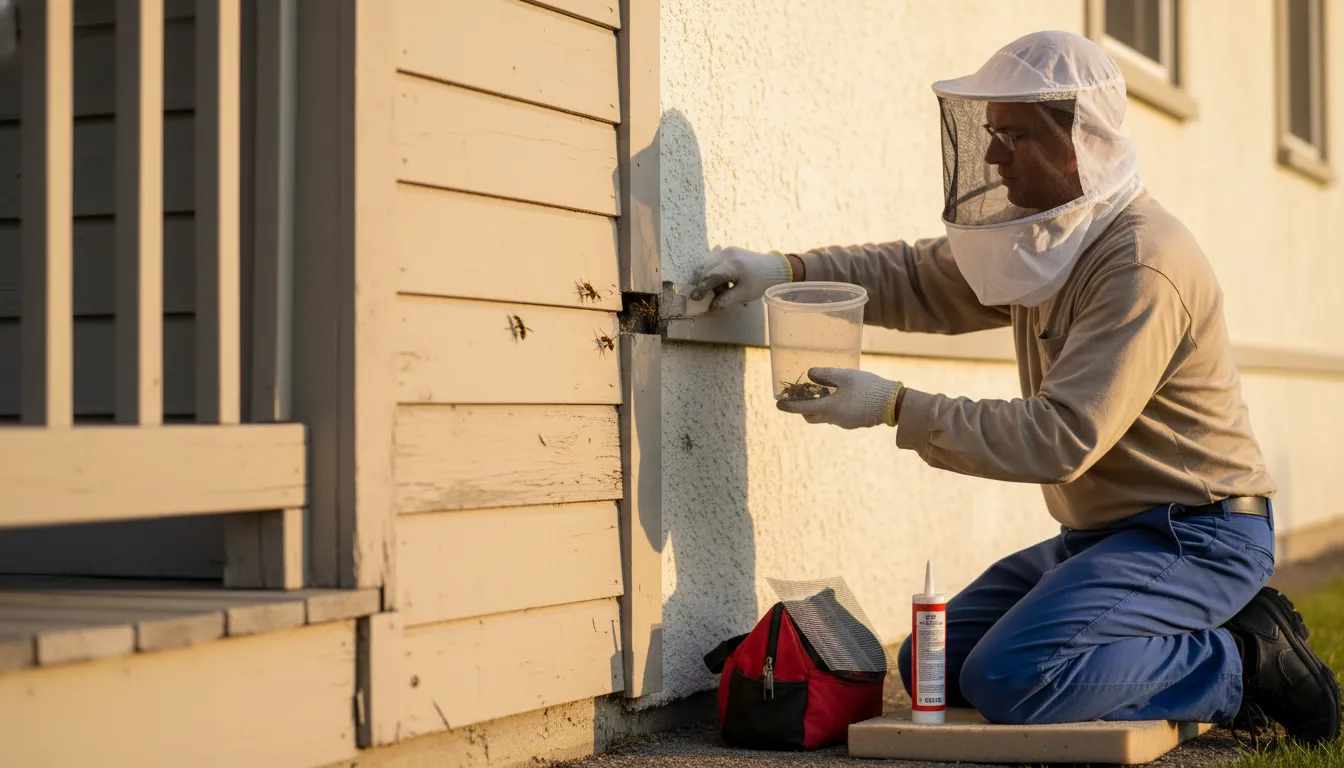
Discovering a buzzing nest on your property can be alarming. Professional bee and wasp removal is a specialized service that safely addresses these stinging insects, protecting your family, pets, and property from potential harm. For Federal Way residents, understanding the local options for stinging insect control, from humane bee relocation to necessary wasp extermination, is the first step toward a peaceful outdoor space. This guide provides the essential information to help you identify your pest problem, understand the process, and connect with qualified local experts for a safe solution.
Cascade Pest Control
1420 5th Ave Suite 2260, Seattle, WA 98101
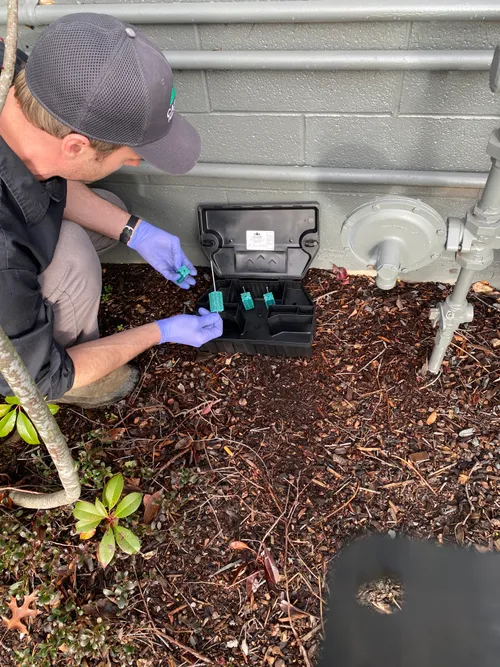
Cascade Pest Control is a family-owned pest control company serving Seattle, WA, and nearby areas. Established in 1979, they specialize in environmentally safe pest and rodent control services tailored to the unique needs of homes and businesses in the region. Their licensed technicians provide comprehensive inspections and treatments for common Seattle pests such as ants, spiders, rodents, termites, and wasps. Cascade Pest Control offers rodent removal and prevention, including damage remediation and exclusion services, along with ongoing pest prevention maintenance programs to protect properties year-round.
Rambo Total Pest Control
401 Olympia Ave NE UNIT 52, Renton, WA 98056
Rambo Total Pest Control is a pest control company serving Seattle, WA, with expertise in managing a wide range of pests including rodents, ants, spiders, stinging insects, and termites. They offer comprehensive pest control services tailored to both residential and commercial properties, focusing on effective inspection, treatment, and follow-up to ensure long-term pest management. Their skilled technicians are trained to handle challenging infestations and provide customized plans based on thorough property assessments. Rambo Total Pest Control emphasizes clear communication and expert service throughout the pest control process.
Rambo Total Pest Control
Tacoma, WA
Rambo Total Pest Control is a pest control company serving Tacoma, WA, and the surrounding Pierce County area. Established in 2007, they offer comprehensive pest management services for both residential and commercial properties, including rodent control, ant control, termite inspections, stinging insect removal, and cockroach control. Their technicians provide thorough inspections and customized treatment plans, focusing on long-term pest prevention and clear communication throughout the process. Rambo Total Pest Control is equipped to handle a wide range of pests common to the Pacific Northwest, such as rodents, ants, spiders, and stinging insects.
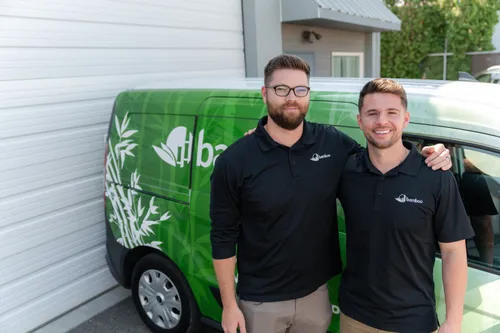
Bamboo Pest Control Auburn
Tacoma, WA
Bamboo Pest Control Auburn is a local pest control company serving Tacoma, WA, specializing in residential and commercial pest management. They offer a range of services including ant, rodent, spider, flea and tick, wasp and hornet, and mosquito control, using eco-friendly and EPA-approved treatments to ensure safety for families and pets. Bamboo Pest Control Auburn emphasizes customized treatment plans and employs trained technicians who focus on effective pest elimination and prevention. They provide next-day service and flexible appointment times, backed by a 100% pest-free guarantee.

Rambo Total Pest Control
Tacoma, WA
Rambo Total Pest Control provides pest management services in Tacoma, WA, addressing common local pests such as rodents, ants, stinging insects, spiders, termites, and wood-boring beetles. The company offers comprehensive pest control solutions for both residential and commercial properties, including thorough inspections and customized treatment plans. Their technicians are trained to handle challenging infestations and provide ongoing follow-up to ensure long-term pest control. Rambo Total Pest Control focuses on clear communication and expert service tailored to the unique pest challenges in Tacoma's environment.
Understanding Your Stinging Insect Problem
The first step in effective pest management is proper identification. Bees and wasps play different ecological roles and require distinct removal approaches. Honey bees and bumble bees are vital pollinators, and their colonies are often candidates for live relocation. Wasps, including yellowjackets, hornets, and paper wasps, are generally more aggressive predators and typically require extermination, as they do not reuse old nests.
Common species in Federal Way include:
- Honey Bees: Often form large, perennial colonies in protected cavities. They are generally less aggressive unless their hive is threatened.
- Bumble Bees: These fuzzy pollinators create smaller, annual colonies, often in the ground or small cavities.
- Yellowjackets: Notoriously aggressive, especially in late summer. They frequently build nests in wall voids, attics, or underground.
- Bald-Faced Hornets: Build large, gray, papery aerial nests, often in trees or under eaves.
- Paper Wasps: Build smaller, open-comb nests that resemble an umbrella, commonly under deck railings, eaves, or inside sheds.
Where to Look for Nests in Federal Way
Bees and wasps seek sheltered, undisturbed areas to build their homes. Knowing their preferred nesting sites can help you perform safe, periodic checks around your property 1.
Aerial Nests: Look under the eaves of your roof, on porch ceilings, attached to the sides of buildings, or hanging from tree branches. These are common for paper wasps and bald-faced hornets 2 3.
Concealed Cavity Nests: Wall voids, attics, crawl spaces, behind siding, inside utility boxes, and hollow playground equipment are prime real estate for yellowjackets and honey bees seeking permanent shelter 4.
Ground Nests: Abandoned rodent burrows, gaps in landscaping, and other ground cavities are favored by yellowjackets and bumble bees.
Natural Sites: Tree hollows, brush piles, and rock crevices can also host colonies.
The Professional Removal Process: What to Expect
Engaging a professional ensures the job is done safely and effectively. Reputable Federal Way providers like Axiom Pest, Bamboo Servicing, and Northwest Bee Removal follow a structured process 5 6 7.
- Inspection & Identification: A technician will assess the property to locate all nests and identify the insect species. This determines the correct treatment method.
- Method Selection:
- Live Bee Removal & Relocation: For honey bees, a beekeeper may be called to carefully extract the colony and relocate it to an apiary. This service is sometimes offered for free or at low cost if the hive is easily accessible.
- Extermination: For wasps, hornets, or inaccessible bee colonies, a professional-grade insecticidal dust or spray is applied to eliminate the colony. This is the standard for aggressive species that pose an immediate threat.
- Nest Removal: After the colony is neutralized (or relocated), the nest is often removed to prevent pheromones from attracting new insects and to allow for any necessary structural repairs.
- Prevention Advice: A good technician will provide recommendations to make your property less attractive to future colonies, such as sealing entry points and managing food sources.
Find the perfect wasp & hornet removal companies for your needs
Get personalized recommendations and expert advice
The Risks of DIY Bee and Wasp Removal
Attempting to handle a nest yourself is strongly discouraged. The risks far outweigh any potential cost savings.
- Severe Stings: Disturbing a nest can trigger a mass attack. Wasps can sting repeatedly, and bees will defend their hive.
- Allergic Reactions: Stings can cause life-threatening anaphylaxis in allergic individuals.
- Incomplete Elimination: Improper treatment may anger the colony without destroying it, making the problem worse and more dangerous.
- Property Damage: DIY methods can drive insects deeper into wall voids, and misapplied chemicals can stain surfaces.
- Lack of Protective Gear: Professionals have specialized suits, respirators, and application equipment that the average homeowner does not 8.
Seasonal Activity in the Pacific Northwest
Bee and wasp activity in Federal Way follows a distinct seasonal pattern, which influences removal strategy and urgency 9 10.
- Spring (March-May): Overwintered queens emerge to start new colonies. Nests are small, and populations are low. This is an optimal time for preventive measures and early removal.
- Summer (June-August): Colonies expand rapidly. Worker populations peak, and foraging activity is high. Nests become more obvious and larger.
- Late Summer & Fall (September-November): This is the most critical period. Wasp colonies, particularly yellowjackets, are at their maximum size and become highly aggressive as they scavenge for food before winter 11 12. Bee colonies are preparing for winter by clustering.
- Winter (December-February): Most wasp colonies die off, leaving only new queens to hibernate. Honey bees cluster in their hives for warmth. Visible activity is minimal 13.
Cost of Bee and Wasp Removal in Federal Way
The price for professional stinging insect control varies widely based on the job's complexity. In Federal Way, costs generally range from $100 to over $1,000 14 15. It's advisable to get quotes from several local companies to compare 14 16.
| Factor | Typical Cost Range | Notes |
|---|---|---|
| Small, Accessible Nest | $100 - $400 | A visible paper wasp nest under an eave often falls in this range. |
| Medium-Sized Nest | $450 - $900 | Larger aerial nests or more difficult-to-reach ground nests. |
| Large/Inaccessible Nest | $700 - $1,300+ | Nests inside walls or attics requiring demolition and repair work 17. |
| Bee Swarm Capture | $0 - $140 | Local beekeepers may relocate an accessible swarm for free or a low fee. |
| Emergency/After-Hours Service | Additional $150 - $350 | Premium for immediate response outside standard business hours. |
Choosing a Federal Way Removal Service
When selecting a provider, look for:
- Licensing & Insurance: Ensure the company is licensed for pest control in Washington State and carries liability insurance.
- Experience & Specialization: Ask about their specific experience with bee relocation (if needed) and wasp extermination.
- Methods & Eco-Friendliness: Inquire about their treatment products and if they offer pollinator-friendly options for bee removal.
- Guarantees: Understand what kind of warranty or follow-up service is offered.
- Detailed Quote: A reputable company will provide a written estimate that outlines the specific service, costs, and any potential additional charges for repairs.
Frequently asked questions
Sources
Footnotes
-
Common Areas for Wasp Nests - Summit Pest Management - https://www.summitpestmanagement.com/bees-wasps-exterminators/common-areas-for-wasp-nests/ ↩
-
Bees and Wasps | Washington State Department of Health - https://doh.wa.gov/community-and-environment/pests/bees-and-wasps ↩
-
Common Places You Find Bee and Wasp Nests - Abarb Pest Services - https://abarbpest.com/common-places-you-find-bee-and-wasp-nests/ ↩
-
8 Common Nesting Spots for Wasps & Hornets In Seattle - https://www.willardspestcontrol.com/common-nesting-spots-for-wasps-hornets-in-seattle/ ↩
-
Pest Control Service Federal Way, WA | Eco-Friendly - Axiom - https://axiompest.com/location/federal-way-wa-pest-control/ ↩
-
Federal Way Pest Control & Extermination by Bamboo - https://www.bambooservicing.com/washington/federal-way ↩
-
Northwest Bee Removal - https://www.google.com/viewer/place?mid=/g/11jgh5sw0h ↩
-
How much does Wasp extermination cost? - Yelp - https://www.yelp.com/costs/wasp_extermination ↩
-
Bees and Wasps | Washington State Department of Health - https://doh.wa.gov/community-and-environment/pests/bees-and-wasps ↩
-
What are Bees Up to Year Round? - https://www.thebeecause.org/wp-content/uploads/2020/09/buzzworthy-bee-activities-by-month-calendar.pdf ↩
-
Yellow jacket exterminator cost 2025: Top 5 Proven Savings - https://bigginsexterminating.com/yellow-jacket-exterminator-cost/ ↩
-
Creating Pollinator Habitats | Washington Department of Fish ... - https://wdfw.wa.gov/species-habitats/living/habitat-at-home/pollinator-habitats ↩
-
Honey Bee Management Throughout the Seasons - https://extension.psu.edu/honey-bee-management-throughout-the-seasons ↩
-
Wasp Nest Removal Cost [2026 Data] | Angi - https://www.angi.com/articles/how-much-does-wasp-removal-cost.htm ↩ ↩2
-
How Much Does Beehive Removal Cost in 2026? - Lawn Love - https://lawnlove.com/blog/beehive-removal-cost/ ↩
-
How Much Does Bee Removal Cost? [2026 Data] | Angi - https://www.angi.com/articles/how-much-does-bee-removal-cost.htm ↩
-
How Much Does Wasp Nest Removal Cost in 2026? - https://lawnlove.com/blog/wasp-nest-removal-cost/ ↩