Find the Best Commercial Pest Control Companies for Your Business
No obligation • Fast responses • Nationwide coverage
Why you can trust Pest Crews
Pest Crews is a leading U.S. resource for finding and evaluating residential and commercial pest control services. Our team researches providers, reviews treatment approaches, and organizes unbiased information to help you make informed decisions. Companies cannot pay to change our editorial content or influence how they appear.
Search providers near you
Top Commercial Pest Control Companies in Anderson, Indiana Ranked
For businesses in Anderson, maintaining a pest-free environment is a non-negotiable aspect of operations, reputation management, and regulatory compliance. Commercial pest control, or business pest management, is a specialized service designed to protect restaurants, offices, warehouses, and retail spaces from infestations that can cause health violations, property damage, and lost revenue. This resource explains the core principles and services available locally, helping you understand your options and connect with professionals who can create a customized protection plan for your specific commercial property.

Green Eagle Environmental
439 Gradle Dr, Carmel, IN 46032
Green Eagle Environmental is a pest control company based in Indianapolis, IN, offering services for both residential and commercial clients. They specialize in rodent control and general pest management, with a focus on non-invasive methods and tailored treatment plans. One notable capability is their mouse exclusion service, which aims to prevent rodent entry effectively. The company emphasizes quality work and customer satisfaction in their approach.
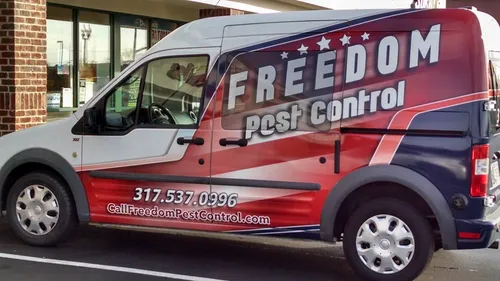
Freedom Pest Control
14074 Trade Center Dr #700, Fishers, IN 46038
Freedom Pest Control is a pest control company based in Indianapolis, IN, specializing in ant and rodent extermination for both residential and commercial properties. They focus on providing safe and effective pest control solutions tailored to each client's needs. The company is known for educating customers about pest issues and offers customized treatment plans. Freedom Pest Control emphasizes integrity and prioritizes the protection of homes and businesses in the Indianapolis area.
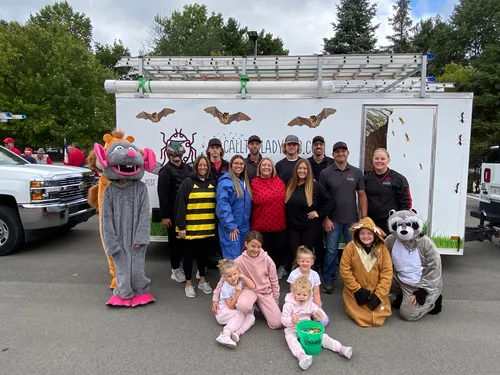
The LadyBug Pest and Wildlife Control
Indianapolis, IN
The LadyBug Pest and Wildlife Control offers pest control, rodent removal, and humane wildlife management services in Indianapolis, IN. They provide tailored solutions for both residential and commercial properties to keep environments safe and pest-free. Their services include pest prevention and wildlife relocation designed to protect homes and businesses while maintaining compliance. The company combines professional expertise with a personalized approach to pest and wildlife issues.
Trapper Joe’s Wildlife Control, LLC
Indianapolis, IN
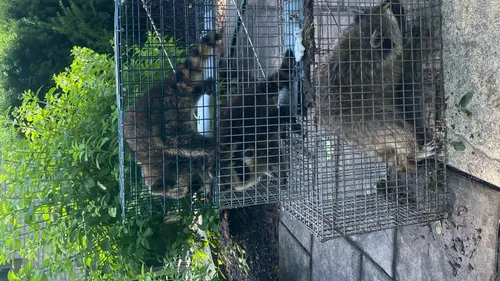
Trapper Joe's Wildlife Control, LLC is a licensed and insured wildlife removal company serving Indianapolis, IN. They provide humane trapping, removal, and exclusion services for nuisance animals such as raccoons, squirrels, bats, and birds. Their offerings include animal damage repair, infestation cleanup, and dead animal removal to restore and protect residential and commercial properties. The company also assists with insurance claims and focuses on long-term prevention by sealing entry points and addressing vulnerabilities. Trapper Joe's serves Indianapolis and surrounding communities with comprehensive wildlife control solutions and prioritizes ethical, effective methods.
Trapper Joe’s Wildlife Control, LLC
1614 Bowman Dr, Greenfield, IN 46140
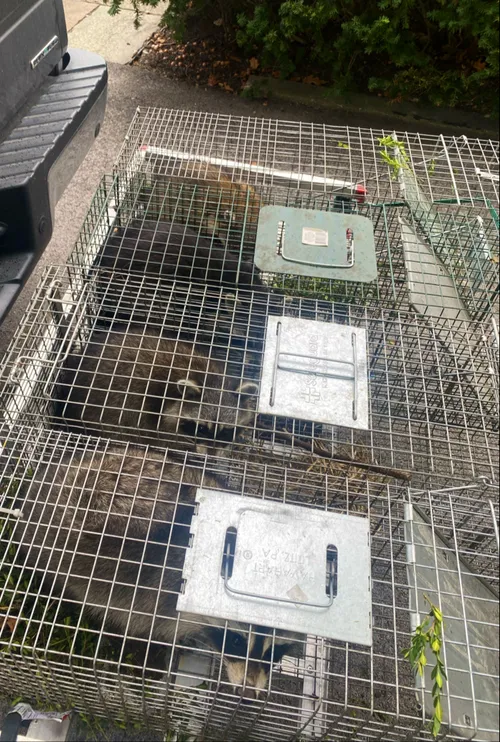
Trapper Joe's Wildlife Control, LLC is a licensed and insured wildlife removal company serving Indianapolis, IN, and surrounding communities. They provide humane trapping and removal of nuisance animals such as raccoons, squirrels, bats, and birds for both residential and commercial properties. Their services include animal damage repair, infestation cleanup, dead animal removal, and wildlife exclusion to prevent future intrusions. The company is experienced in handling a wide range of Indiana wildlife and offers insurance-friendly solutions. Emergency services are available with prioritized 24/7 response during peak seasons.
Understanding the Commercial Pest Management Approach
Unlike one-off residential treatments, commercial pest extermination is an ongoing partnership focused on prevention and strategic intervention. The goal is to create a comprehensive defense system for your business. This involves understanding the unique risks of your industry-whether it's food handling in a restaurant, storage in a warehouse, or high customer traffic in a retail store-and deploying a multi-faceted strategy to address them. The cornerstone of modern commercial pest management is a methodology known as Integrated Pest Management (IPM), which prioritizes long-term prevention through a combination of techniques.
The Integrated Pest Management (IPM) Philosophy
IPM is a sustainable, science-based approach that forms the backbone of professional commercial pest control services in Anderson. It's not just about spraying chemicals; it's a process of managing the ecosystem of your property to make it less inviting to pests. The IPM process follows a tiered strategy, starting with the least risky interventions and moving to more direct methods only as necessary 1.
- Inspection and Monitoring: This is always the first step. A certified technician will conduct a thorough inspection of your facility, inside and out, to identify signs of pest activity, potential entry points, and conditions that attract pests, such as moisture issues or accessible food sources.
- Prevention: Before any treatment occurs, the focus is on cultural and physical controls. This includes advising on sanitation improvements, proper waste management, and sealing cracks, gaps, and other structural entry points to deny pests access.
- Identification: Correctly identifying the pest is crucial, as it determines the most effective and targeted control method. Misidentification can lead to ineffective treatments and recurring problems.
- Control: When action is needed, control methods are chosen from a hierarchy. Physical controls like traps and barriers are used first. Chemical controls, involving targeted pesticide application, are used selectively and precisely as a last resort to minimize risk to people, property, and the environment 2.
The Commercial Service Process: From Inspection to Ongoing Care
Step 1: The Initial Consultation and Detailed Inspection
Every effective commercial pest management plan begins with a detailed assessment. During the initial consultation, you'll discuss your specific concerns, business type, and any past pest issues. The technician will then perform a meticulous inspection, looking for live pests, droppings, nesting materials, damage, and conducive conditions. This assessment determines the scope of any existing infestation and forms the basis for your customized plan.
Step 2: Developing a Customized Treatment Plan
Based on the inspection findings, your provider will develop a plan tailored to your business. There is no one-size-fits-all solution for commercial pest extermination. A plan for a medical office will differ from one for a food processing plant. Common service options available from Anderson providers include:
- PestFree365+ or Annual Maintenance Programs: These provide year-round coverage for common pests like insects and rodents through scheduled quarterly or monthly visits, ensuring consistent monitoring and prevention.
- Targeted Solutions for Specific Pests: Custom plans for severe or specific infestations, such as termite control, bed bug eradication, or wildlife removal, which require specialized techniques and equipment.
- Eco-Friendly and Green Options: Many companies offer natural or reduced-risk treatment options that are safer for employees, customers, and sensitive environments, aligning with sustainability goals 3.
Step 3: Treatment Implementation & Methods
Using the IPM framework, technicians employ a variety of treatment methods. Sanitation recommendations and structural repairs (cultural/physical controls) are foundational. Mechanical controls include installing rodent bait stations in secure lockboxes, fly light traps, and door sweeps. When necessary, chemical treatments are applied with precision-using gels for ants in wall voids, insect growth regulators (IGRs) to break breeding cycles, or targeted perimeter sprays-always prioritizing safety and minimal disruption 4 5.
Find the perfect commercial pest control companies for your needs
Get personalized recommendations and expert advice
Step 4: Ongoing Monitoring, Maintenance, and Documentation
The work doesn't stop after the initial treatment. Ongoing service is what defines commercial pest management. Scheduled follow-up visits allow technicians to monitor for new activity, refresh bait stations, and adjust the strategy as seasons or business operations change. A critical component for many businesses, especially in the food and hospitality industries, is detailed documentation. Your provider should supply service reports detailing what was inspected, what actions were taken, and any recommendations, which are essential for health inspections and audits 6.
Key Considerations for Anderson Businesses
Compliance and Health Code Requirements
Businesses in the food service, healthcare, and hospitality sectors are subject to strict health codes. Regular, documented pest management is often a mandatory requirement to pass inspections and maintain licensure. A professional service ensures you meet these regulatory obligations with proper reporting and effective control measures.
Understanding Service Costs and Pricing Factors
Investing in professional commercial pest control is a critical operational cost. Pricing is highly variable and is not a flat fee. Local providers typically base quotes on several key factors after an inspection 7:
- Type and Size of Facility: A small office will cost less than a large warehouse or a multi-story restaurant.
- Industry and Risk Level: A bakery or restaurant has a higher pest risk due to food products and will often require more frequent service than a corporate office.
- Type and Severity of Pest Problem: A preventative program for common pests is different in scope and cost from eradicating an active termite colony or bed bug infestation.
- Service Frequency: Monthly, quarterly, or one-time services are priced differently.
While general starting points for basic ongoing services for a small business can be in the range of $100-$200 per month, the only way to get an accurate cost is to request a site-specific inspection and quote from a licensed provider 8 9 10.
Choosing a Local Commercial Pest Control Provider
When selecting a partner for your business pest management, look for:
- Proper Licensing and Insurance: Essential for protection and proof of professionalism.
- Experience with Your Business Type: Ask for references from similar local businesses.
- Commitment to IPM: Providers who emphasize inspection, prevention, and documentation are following industry best practices.
- Clear Communication and Detailed Proposals: The plan and associated costs should be transparent and easy to understand.
Frequently asked questions
Sources
Footnotes
-
Integrated Pest Management (IPM): A Sustainable Approach to Pest ... - https://hgic.clemson.edu/factsheet/iintegrated-pest-management-ipm-a-sustainable-approach-to-pest-management/ ↩
-
Integrated Pest Management (IPM) Principles | US EPA - https://www.epa.gov/safepestcontrol/integrated-pest-management-ipm-principles ↩
-
ANDERSON PEST CONTROL - https://beecityusa.org/wp-content/uploads/ultimatemember/242/file_a42d97bb_b1a7077b87390aa558547f7748978248dc27f8c2.pdf ↩
-
Effective Pest Control Methods: Best Practices & Strategies - FieldRoutes - https://www.fieldroutes.com/blog/pest-control-methods ↩
-
Unit 1: Principles of Pest Control - CTAHR.hawaii.edu - https://cms.ctahr.hawaii.edu/epp/Education/Study-Guide-Packets/APC-Core/APC-Unit1 ↩
-
Commercial Pest Control & Extermination | Illinois | Indiana - https://andersonpestsolutions.com/commercial/ ↩
-
Commercial Pest Control in Laurel, MS | Pest Control in Laurel - https://www.holifieldpest.com/pest-control/commercial-services/ ↩
-
Business Pest Control in Anderson, IN - https://commercial-pest-management-anderson-in-872.netlify.app/services/business-pest-control ↩
-
Business Pest Control in Anderson, IN - https://commercial-pest-management-anderson-in.netlify.app/services/business-pest-control ↩
-
A Comprehensive guide to Commercial Pest Control Service - https://www.rentokil.com/au/blog/rentokil-commercial-pest-control/commercial-pest-control-price ↩