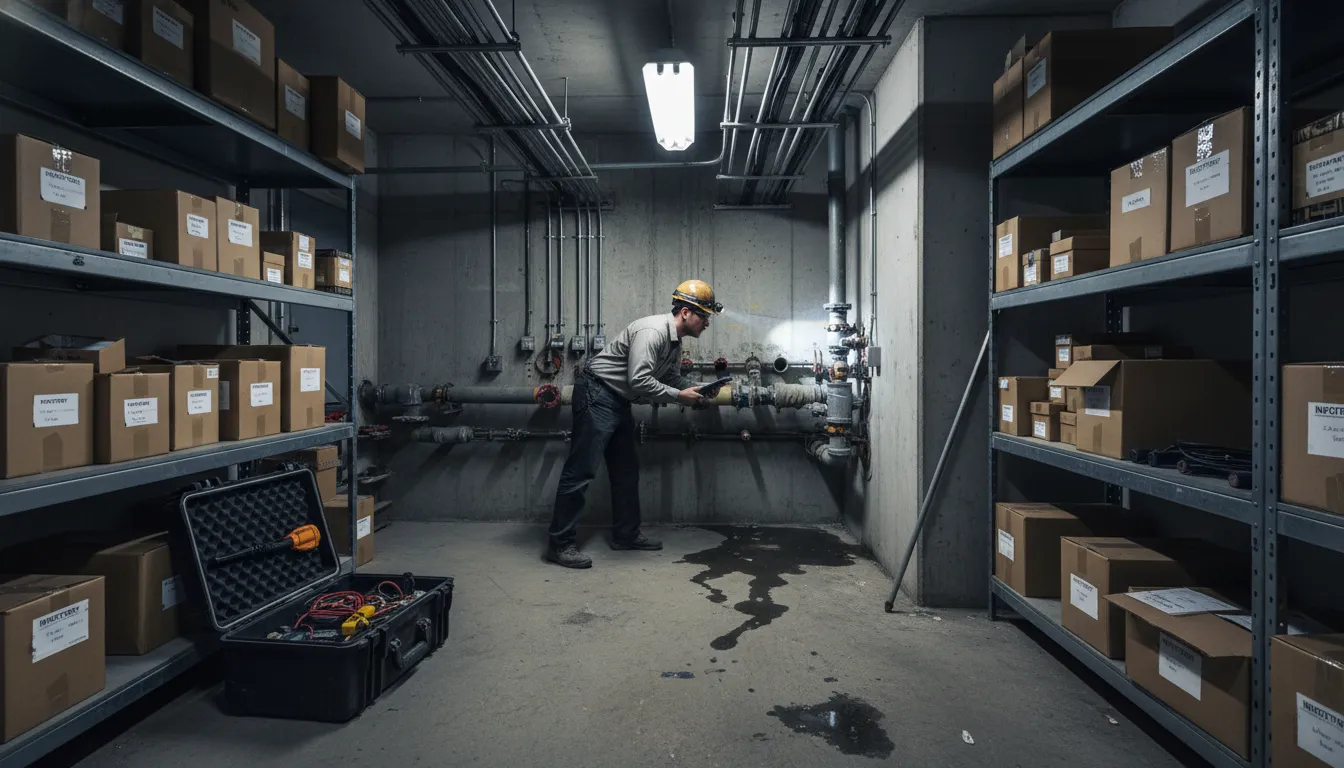
Find the Best Commercial Pest Control Companies for Your Business
No obligation • Fast responses • Nationwide coverage

Why you can trust Pest Crews
Pest Crews is a leading U.S. resource for finding and evaluating residential and commercial pest control services. Our team researches providers, reviews treatment approaches, and organizes unbiased information to help you make informed decisions. Companies cannot pay to change our editorial content or influence how they appear.
Search providers near you
Top Commercial Pest Control Companies in Apple Valley, Minnesota Ranked
For Minnesota businesses, effective pest management is a critical component of operational integrity, regulatory compliance, and brand reputation. Commercial pest control services are specialized programs designed to protect restaurants, offices, warehouses, healthcare facilities, and other commercial properties from insects, rodents, and wildlife. This guide explains the unique aspects of pest management in Minnesota, from state regulations to common pests and service structures, helping you understand what to look for in a professional service plan.
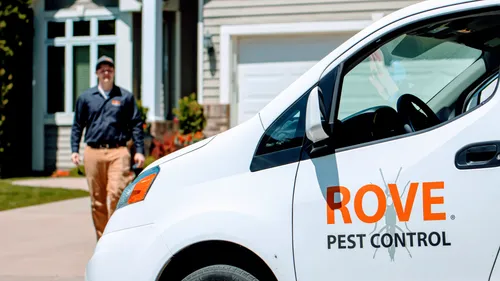
Rove Pest Control
275 4th St E b260, St Paul, MN 55101
Rove Pest Control provides residential and commercial pest control services in Minneapolis, MN. They address a wide range of pests including ants, mice, rats, cockroaches, wasps, and bed bugs, using preventive treatments to help keep properties pest-free year-round. Rove offers specialized services such as bed bug heat treatments and mosquito control, and serves various neighborhoods and business types across the Minneapolis-St. Paul metro area. The company has partnered with Greenix Pest Control, which has over a decade of industry experience, enhancing their commitment to effective and sustainable pest management solutions.
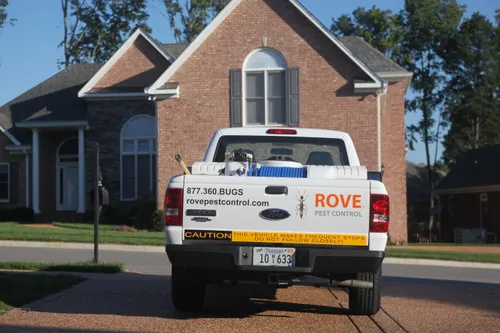
Rove Pest Control
301 4th Ave S #272h, Minneapolis, MN 55415
Rove Pest Control provides residential and commercial pest control services in Minneapolis, MN. They handle a variety of pests including ants, rodents, cockroaches, wasps, bed bugs, and mosquitoes. Their services include preventive treatments designed to keep pests from returning. Rove Pest Control offers specialized treatments such as state-of-the-art heat treatment for bed bugs and injection treatments for trees and shrubs. The company has partnered with Greenix Pest Control, which has over a decade of experience, enhancing their expertise and service reach across the Midwest.
Rove Pest Control
7800 3rd St N # 1000, Oakdale, MN 55128
Rove Pest Control provides pest management services in St Paul, MN, and nearby communities including Oakdale and Woodbury. The company offers a range of pest control solutions such as bed bug extermination, rodent exclusion, wildlife removal, and general pest control for ants, cockroaches, and spiders. Rove Pest Control specializes in both residential and commercial pest control, tailoring treatments to local needs and providing seasonal prevention advice. The company recently partnered with Greenix Pest Control, which has over a decade of industry experience, enhancing their combined expertise and service reach across the Midwest.
Abra Kadabra
1101 Pierce St NE, Minneapolis, MN 55413
Abra Kadabra is a pest and wildlife control company serving Minneapolis, MN. They provide services for residential and commercial properties, including ant, rodent, mosquito, bee and wasp removal, bird and pigeon control, and wildlife removal. The company is licensed in Minnesota and employs NWCOA-certified technicians who use environmentally conscious methods. Abra Kadabra offers inspection, removal, and prevention services, such as rodent-proofing and animal-proofing homes to prevent future infestations. Their team stays current with industry knowledge and provides various service plans tailored to customer needs.
Twin Cities Bug Guy
1798 Selby Ave, St Paul, MN 55104
Twin Cities Bug Guy is a pest control company serving Minneapolis, MN, specializing in both residential and commercial pest management. They handle a variety of pests including ants, bed bugs, cockroaches, rodents, bees, and wasps. Their services range from one-time treatments to regular maintenance plans tailored to customer needs. The company offers commercial pest control for offices, warehouses, hospitality, restaurants, multi-housing, and retail spaces. One clear capability is their effective rodent control, with follow-up visits to ensure problems are resolved.
Understanding Minnesota's Regulatory Landscape
Pest management in commercial settings is heavily regulated in Minnesota to protect public health, safety, and the environment. The Minnesota Department of Agriculture (MDA) oversees the licensing and practices of commercial pesticide applicators. Businesses, especially in sensitive industries like food service, hospitality, and healthcare, must ensure their pest control provider is properly licensed and adheres to strict application protocols. These regulations often mandate detailed record-keeping of all inspections, monitoring, and treatments, which a professional service will maintain for your compliance and review.
The regulatory emphasis strongly supports Integrated Pest Management (IPM) principles. IPM is a sustainable approach that prioritizes prevention, monitoring, and the use of chemical controls only as a targeted last resort 1. This method aligns with state guidelines and is particularly important for businesses concerned with environmental responsibility, employee safety, and long-term pest prevention rather than just reactive extermination.
Common Commercial Pests in Minnesota
The climate and urban environments in Minnesota create ideal conditions for specific pests that threaten commercial properties. A professional service will be well-versed in the biology and behavior of these local nuisances.
- Insects: Cockroaches, particularly German cockroaches, are a major concern in facilities with food and moisture 2. Ants, flies, and pantry pests like moths and weevils can contaminate products in storage areas. Bed bugs pose a significant threat to hotels, healthcare facilities, and multi-tenant offices, requiring specialized treatment protocols 3. Subterranean termites, though less frequently discussed, can cause severe structural damage if left undetected.
- Rodents: Mice and rats seek shelter indoors during Minnesota's cold seasons. They are not just a nuisance; they can spread disease, cause electrical fires by chewing wires, and contaminate inventory with droppings and urine 4.
- Birds: Pigeons and starlings nesting on ledges, signs, or in loading docks create unsanitary conditions with their droppings, which can damage building materials and pose slip-and-fall hazards 5.
The Professional Service Process: Beyond Spraying
A reputable commercial pest control program is a cyclical partnership, not a one-time event. It follows a structured process designed for long-term results.
- Detailed Assessment: The process begins with a thorough inspection of both the interior and exterior of your property. The technician will identify active pest issues, potential entry points, and conditions that attract pests, such as food sources, water leaks, and harborage areas. Monitoring devices like traps may be placed to gauge the level of activity 6.
- Customized IPM Plan: Based on the inspection, a customized plan is developed. This plan considers your specific business type, risk factors, and pest pressure. It details a combination of strategies: prevention (sanitation recommendations, employee training), exclusion (sealing cracks and gaps), and targeted treatment (using baits, traps, or low-impact pesticides only where necessary) 7 8.
- Implementation & Documentation: The plan is put into action. A key differentiator for commercial services is documentation. You should receive detailed reports of all findings, actions taken, and recommendations. Many providers offer an online customer portal for transparent access to this service history, which is vital for audits and compliance 9.
- Ongoing Monitoring & Maintenance: Most commercial relationships operate on a recurring service schedule-monthly, quarterly, or as needed. During these follow-up visits, the technician will monitor traps, assess the effectiveness of the program, and make adjustments to the strategy to prevent new infestations 10.
Find the perfect commercial pest control companies for your needs
Get personalized recommendations and expert advice
Key Factors Influencing Service and Cost
The scope and cost of a commercial pest management program in Minnesota are not one-size-fits-all. They are tailored based on several critical factors:
- Industry Type: Facilities that handle food (restaurants, grocery stores, processing plants) or serve vulnerable populations (hospitals, nursing homes) face higher stakes and stricter standards, often requiring more frequent service and documentation 11.
- Property Size & Complexity: A small office will have different needs and costs than a large warehouse, distribution center, or a multi-building campus.
- Pest Pressure: The type of pest and severity of the infestation significantly impact the approach. A preventative program for common insects costs less than eradicating an established bed bug or termite colony.
- Service Frequency: How often a technician visits-weekly, monthly, or quarterly-will affect the overall investment. More frequent visits allow for closer monitoring and quicker intervention.
Costs for commercial pest control in Minnesota typically follow a contract model. Basic annual contracts for general pest prevention can range from several hundred to over a thousand dollars 12. More comprehensive monthly plans, especially for larger facilities or high-risk industries, can range from $200 to $1,000 or more per month, depending on the factors listed above 13. It's essential to get a detailed, on-site proposal that breaks down the services included.
Choosing a Service Provider: What to Look For
Selecting the right partner is crucial. Look for a provider with:
- Proper Minnesota Licensing: Verify they hold current MDA licensing for commercial pesticide application.
- IPM Expertise: Choose a company that emphasizes IPM strategies and prevention over routine chemical spraying.
- Industry Experience: Ask for references or case studies from businesses similar to yours.
- Transparent Communication & Reporting: Ensure they provide clear, detailed documentation and are responsive to your questions.
- Insurance and Guarantees: Confirm they carry adequate liability insurance and stand behind their work with clear service guarantees.
Frequently asked questions
Sources
Footnotes
-
Pest Control for Office Buildings - https://www.adamspestcontrol.com/commercial/office-buildings-pest-control/ ↩
-
Commercial Pest Control Services and Tips for Businesses - https://pestauthority.com/blog/commercial-pest-control-services-strategies/ ↩
-
Pest Control for Businesses - https://www.clarkpest.com/commercial-services/industries-served/business-facilities-offices ↩
-
Minneapolis Commercial Pest Control Management For ... - https://bugtech.com/commercial-pest-control/ ↩
-
Pest Control For Commercial Properties: Cost Guide For ... - https://markets.businessinsider.com/news/stocks/pest-control-for-commercial-properties-cost-guide-for-business-owners-released-1035689016 ↩
-
Commercial Pest Management Best Practices For Businesses - https://www.greenmachinepest.com/commercial-pest-management/ ↩
-
Comprehensive Guide to Commercial Pest Services - - https://callbama.com/comprehensive-guide-to-commercial-pest-services/ ↩
-
The Ultimate Guide to Commercial Pest Control - AIMVO - https://aimvopestcontrol.com/the-ultimate-guide-to-commercial-pest-control/ ↩
-
The Commercial Property Manager's Guide to Pest Control ... - https://neusetermiteandpest.com/blog/the-commercial-property-managers-guide-to-pest-control-compliance ↩
-
Understanding Pest Control Contracts and Service Plans - https://www.elevatedmagazines.com/single-post/understanding-pest-control-contracts-and-service-plans ↩
-
Integrated Pest Management (IPM) in Food Processing - https://www.orkin.com/commercial/services/integrated-pest-management-ipm-in-food-processing ↩
-
Commercial Pest Control: Types, Cost, & Best Companies - https://connorspestpros.com/commercial-pest-control-types-cost-best-companies/ ↩
-
What is Commercial Pest Control? - https://calpropestcontrol.com/blog/what-is-commercial-pest-control-a-complete-guide-for-business-owners/ ↩