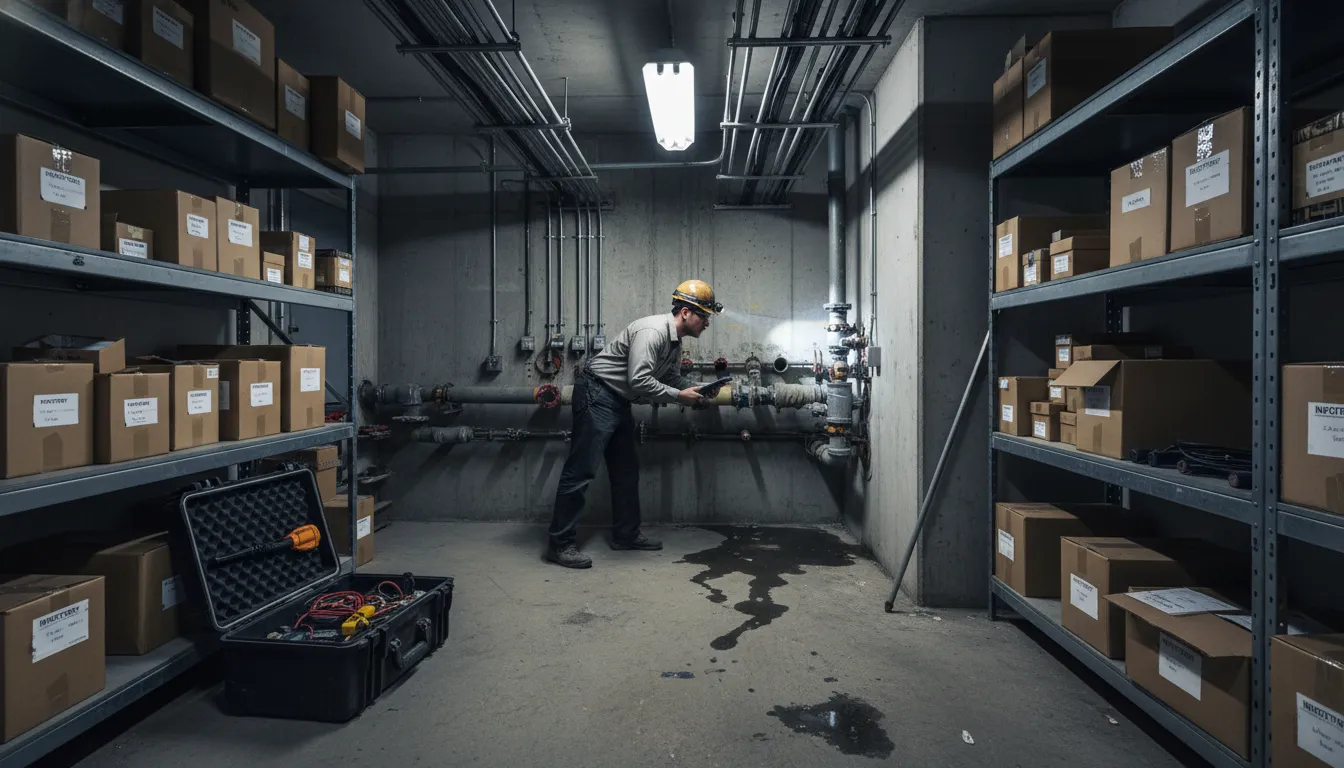
Find the Best Commercial Pest Control Companies for Your Business
No obligation • Fast responses • Nationwide coverage

Why you can trust Pest Crews
Pest Crews is a leading U.S. resource for finding and evaluating residential and commercial pest control services. Our team researches providers, reviews treatment approaches, and organizes unbiased information to help you make informed decisions. Companies cannot pay to change our editorial content or influence how they appear.
Search providers near you
Top Commercial Pest Control Companies in St Paul, Minnesota Ranked
For any business in St. Paul, from a cozy restaurant in Lowertown to a sprawling warehouse in the Energy Park District, a pest-free environment is non-negotiable. Commercial pest management is a specialized service designed to protect your property, inventory, reputation, and compliance with health codes. This resource is designed to help you understand the professional pest control services available in the St. Paul area, the strategies experts use, and how to evaluate what your specific business needs to stay protected year-round.
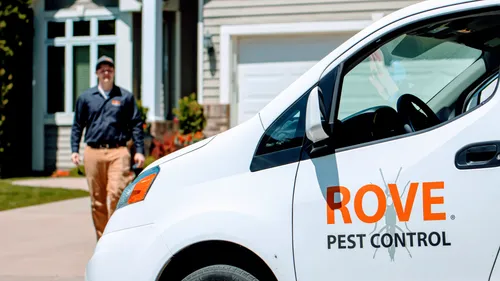
Rove Pest Control
275 4th St E b260, St Paul, MN 55101
Rove Pest Control provides residential and commercial pest control services in Minneapolis, MN. They address a wide range of pests including ants, mice, rats, cockroaches, wasps, and bed bugs, using preventive treatments to help keep properties pest-free year-round. Rove offers specialized services such as bed bug heat treatments and mosquito control, and serves various neighborhoods and business types across the Minneapolis-St. Paul metro area. The company has partnered with Greenix Pest Control, which has over a decade of industry experience, enhancing their commitment to effective and sustainable pest management solutions.
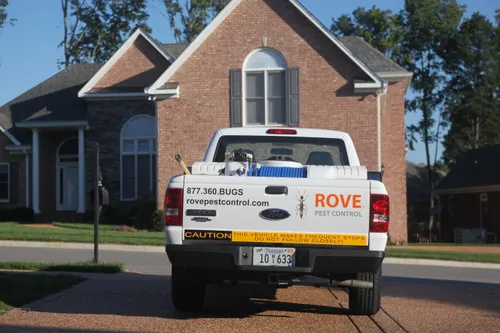
Rove Pest Control
301 4th Ave S #272h, Minneapolis, MN 55415
Rove Pest Control provides residential and commercial pest control services in Minneapolis, MN. They handle a variety of pests including ants, rodents, cockroaches, wasps, bed bugs, and mosquitoes. Their services include preventive treatments designed to keep pests from returning. Rove Pest Control offers specialized treatments such as state-of-the-art heat treatment for bed bugs and injection treatments for trees and shrubs. The company has partnered with Greenix Pest Control, which has over a decade of experience, enhancing their expertise and service reach across the Midwest.
Rove Pest Control
7800 3rd St N # 1000, Oakdale, MN 55128
Rove Pest Control provides pest management services in St Paul, MN, and nearby communities including Oakdale and Woodbury. The company offers a range of pest control solutions such as bed bug extermination, rodent exclusion, wildlife removal, and general pest control for ants, cockroaches, and spiders. Rove Pest Control specializes in both residential and commercial pest control, tailoring treatments to local needs and providing seasonal prevention advice. The company recently partnered with Greenix Pest Control, which has over a decade of industry experience, enhancing their combined expertise and service reach across the Midwest.
Abra Kadabra
1101 Pierce St NE, Minneapolis, MN 55413
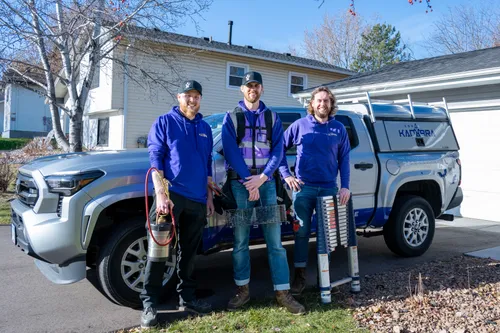
Abra Kadabra is a pest and wildlife control company serving Minneapolis, MN. They provide services for residential and commercial properties, including ant, rodent, mosquito, bee and wasp removal, bird and pigeon control, and wildlife removal. The company is licensed in Minnesota and employs NWCOA-certified technicians who use environmentally conscious methods. Abra Kadabra offers inspection, removal, and prevention services, such as rodent-proofing and animal-proofing homes to prevent future infestations. Their team stays current with industry knowledge and provides various service plans tailored to customer needs.
Twin Cities Bug Guy
1798 Selby Ave, St Paul, MN 55104
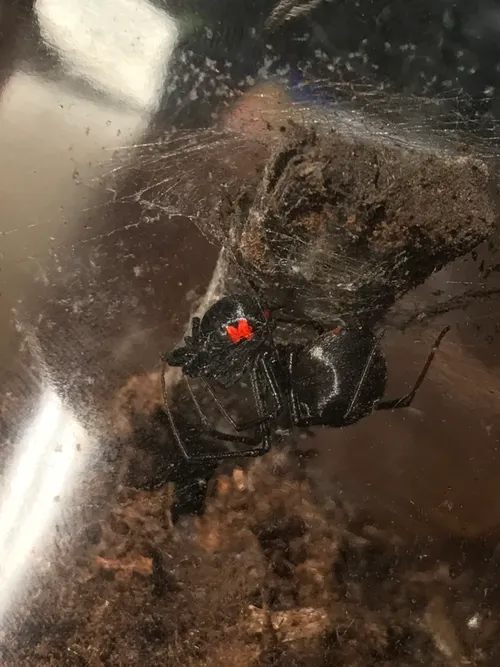
Twin Cities Bug Guy is a pest control company serving Minneapolis, MN, specializing in both residential and commercial pest management. They handle a variety of pests including ants, bed bugs, cockroaches, rodents, bees, and wasps. Their services range from one-time treatments to regular maintenance plans tailored to customer needs. The company offers commercial pest control for offices, warehouses, hospitality, restaurants, multi-housing, and retail spaces. One clear capability is their effective rodent control, with follow-up visits to ensure problems are resolved.
What is Commercial Pest Management?
Unlike one-off residential treatments, commercial pest control is a systematic, ongoing partnership. It's a business-critical service that utilizes Integrated Pest Management (IPM) principles, combining prevention, monitoring, and targeted treatment to solve pest problems with minimal reliance on chemicals. This approach is tailored to the unique risks and regulations of different industries, whether you run a food processing plant, a retail store, an office building, or a healthcare facility. The goal is to provide long-term protection that safeguards your operations and meets strict health inspection standards.
The Core of Professional Service: The IPM Inspection
Every effective commercial pest management program begins with a thorough inspection. This is far more than a quick look-around; it's a diagnostic process conducted by trained technicians. They perform a comprehensive assessment of your entire property, inside and out.
- Thorough Assessment: Technicians review the building's exterior, interior common areas, storage spaces, loading docks, and grounds to identify current activity and potential vulnerabilities 1.
- Risk Evaluation: They analyze factors specific to your business type. A restaurant's risks (attracting cockroaches or rodents) differ vastly from a warehouse's (which may deal with birds or stored product pests) 2.
- Staff Interviews: Gathering firsthand accounts from your employees about pest sightings, times of day, and locations provides crucial context that a visual inspection alone might miss.
This detailed inspection forms the blueprint for your customized IPM plan, ensuring the solution addresses the root causes, not just the visible symptoms.
Customized Treatment Strategies for St. Paul Businesses
Based on the inspection findings, a professional provider will develop a plan specific to your facility. Commercial-grade pest control in St. Paul focuses on effectiveness, safety, and minimal disruption.
- Targeted Treatments: Using EPA-registered, commercial-grade products applied precisely to pest harborage and entry points, prioritizing low-toxicity and eco-friendly options where possible.
- Discreet Service: Scheduling treatments during off-hours or in a way that causes the least interruption to your staff, customers, or daily workflow 3.
- Exclusion Work: A critical component often involves physically sealing the building. Technicians will identify and seal cracks, gaps around pipes, holes, and other structural entry points to block pests from getting inside in the first place.
The Ongoing Partnership: Monitoring & Prevention
A one-time treatment is rarely sufficient for a commercial setting. Ongoing service is about proactive prevention and constant vigilance.
- Regular Monitoring: This involves routine follow-up visits and may include digital monitoring tools that provide real-time alerts for activity, allowing for early intervention before a small issue becomes a full-blown infestation.
- Preventative Advice: Your provider should act as a consultant, offering guidance on best practices for sanitation, waste management, landscaping, and employee protocols to reduce pest-attracting conditions 4.
- Documentation & Compliance: Detailed service reports and activity logs are maintained. This documentation is invaluable for passing health department inspections, third-party audits, and for your own records, demonstrating due diligence in pest management 5 6.
Find the perfect commercial pest control companies for your needs
Get personalized recommendations and expert advice
Understanding Investment: Service Types & Cost Considerations
Commercial pest control services in St. Paul are typically offered through service agreements or contracts, which provide scheduled visits and consistent protection. Common service types include general pest control for ants, spiders, and cockroaches; rodent control and exclusion; and specialized treatments for termites, bed bugs, or birds 7.
Costs are not one-size-fits-all and are influenced by several key factors:
- Property Size & Complexity: A small office will differ in cost from a large multi-building campus.
- Infestation Severity & Pest Type: An active rodent problem requires a different protocol and investment than a preventative ant program.
- Service Frequency: Monthly, quarterly, or bi-annual visits will affect the overall pricing structure.
While basic one-time commercial services can start in the range of $100-$200, most businesses benefit from ongoing contract plans, which often provide more value and comprehensive care over time 8 9. The most accurate way to understand cost is to request a detailed, on-site inspection and a custom quote tailored to your facility's specific needs.
What to Expect from a St. Paul Provider
When you engage a professional commercial pest control company in St. Paul, you should expect a consultative approach. Look for providers who emphasize customized IPM plans, begin with a meticulous inspection, and offer discreet treatment options using low-impact methods 10 11. They should be transparent about their process, provide clear documentation, and focus on educating your staff to be partners in prevention. The right provider acts as an extension of your operational team, dedicated to maintaining a safe, compliant, and pest-free environment.
Frequently asked questions
Sources
Footnotes
-
Commercial Pest Management Best Practices For Businesses - https://www.greenmachinepest.com/commercial-pest-management/ ↩
-
Hiring Professional Pest Exterminators | St. Paul, MN - https://www.paffyspestcontrol.com/blog/why-hire-professional-pest-exterminators-for-your-business ↩
-
Pest Exterminators | St. Paul, MN - https://www.paffyspestcontrol.com/blog/top-reasons-to-hire-commercial-pest-exterminator ↩
-
Commercial Pest Control Made Simple - https://www.pestpatrolpdx.com/blog/mastering-commercial-pest-control-strategies-2/ ↩
-
What is Commercial Pest Control? - https://calpropestcontrol.com/blog/what-is-commercial-pest-control-a-complete-guide-for-business-owners/ ↩
-
Commercial Pest Control Management For Your Business - https://www.jcehrlich.com/for-your-business ↩
-
Commercial Pest Control Solutions | Catseye - https://www.catseyepest.com/services/commercial/pest-control/ ↩
-
Comprehensive Guide to Commercial Pest Services - - https://callbama.com/comprehensive-guide-to-commercial-pest-services/ ↩
-
How Much Does Pest Control Cost in Saint Paul, MN - https://pestextinct.com/saint-paul-mn-pest-control/ ↩
-
Commercial Pest Exterminator | St. Paul, MN - https://www.paffyspestcontrol.com/commercial-pest-exterminator-st-paul-mn ↩
-
Commercial Pest Exterminator for St. Paul, MN: Key Facts - https://www.paffyspestcontrol.com/blog/commercial-pest-exterminator-st-paul-facts ↩