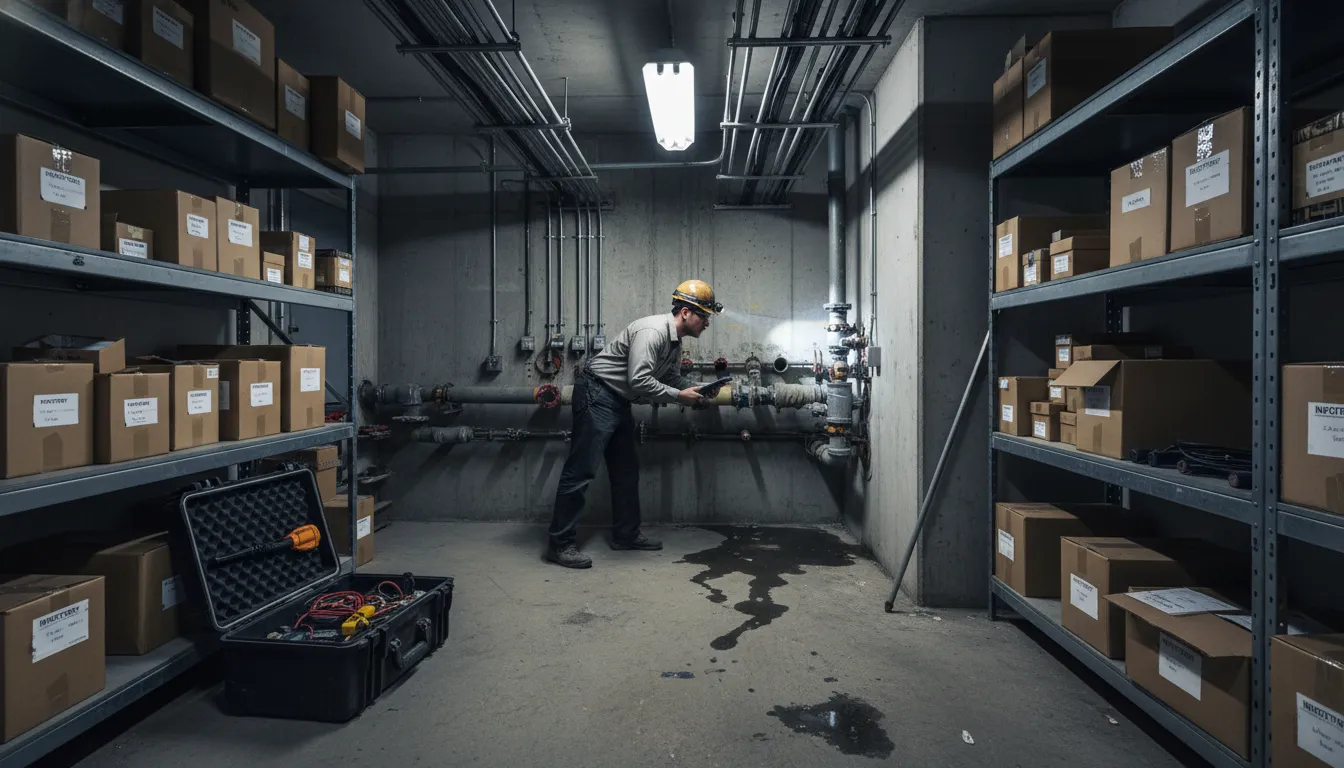
Find the Best Commercial Pest Control Companies for Your Business
No obligation • Fast responses • Nationwide coverage

Why you can trust Pest Crews
Pest Crews is a leading U.S. resource for finding and evaluating residential and commercial pest control services. Our team researches providers, reviews treatment approaches, and organizes unbiased information to help you make informed decisions. Companies cannot pay to change our editorial content or influence how they appear.
Search providers near you
Top Commercial Pest Control Companies in Minneapolis, Minnesota Ranked
For any business in Minneapolis, from a bustling downtown restaurant to a sprawling warehouse in Northeast, effective pest management is a non-negotiable component of daily operations. Commercial pest control is a specialized service designed to protect your property, inventory, reputation, and compliance with health codes from the threats posed by rodents, insects, and other pests. This guide explains the professional pest management process, what to expect from local providers, and how to find a service plan tailored to your specific business needs in the Twin Cities.
Rove Pest Control
275 4th St E b260, St Paul, MN 55101
Rove Pest Control provides residential and commercial pest control services in Minneapolis, MN. They address a wide range of pests including ants, mice, rats, cockroaches, wasps, and bed bugs, using preventive treatments to help keep properties pest-free year-round. Rove offers specialized services such as bed bug heat treatments and mosquito control, and serves various neighborhoods and business types across the Minneapolis-St. Paul metro area. The company has partnered with Greenix Pest Control, which has over a decade of industry experience, enhancing their commitment to effective and sustainable pest management solutions.
Rove Pest Control
301 4th Ave S #272h, Minneapolis, MN 55415
Rove Pest Control provides residential and commercial pest control services in Minneapolis, MN. They handle a variety of pests including ants, rodents, cockroaches, wasps, bed bugs, and mosquitoes. Their services include preventive treatments designed to keep pests from returning. Rove Pest Control offers specialized treatments such as state-of-the-art heat treatment for bed bugs and injection treatments for trees and shrubs. The company has partnered with Greenix Pest Control, which has over a decade of experience, enhancing their expertise and service reach across the Midwest.
Rove Pest Control
7800 3rd St N # 1000, Oakdale, MN 55128
Rove Pest Control provides pest management services in St Paul, MN, and nearby communities including Oakdale and Woodbury. The company offers a range of pest control solutions such as bed bug extermination, rodent exclusion, wildlife removal, and general pest control for ants, cockroaches, and spiders. Rove Pest Control specializes in both residential and commercial pest control, tailoring treatments to local needs and providing seasonal prevention advice. The company recently partnered with Greenix Pest Control, which has over a decade of industry experience, enhancing their combined expertise and service reach across the Midwest.
Abra Kadabra
1101 Pierce St NE, Minneapolis, MN 55413
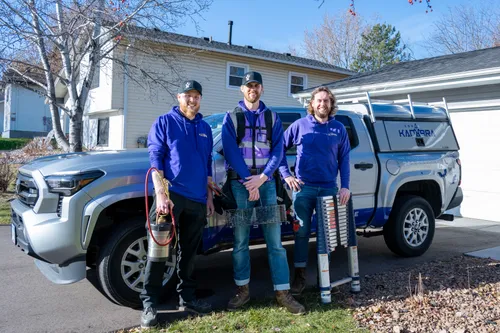
Abra Kadabra is a pest and wildlife control company serving Minneapolis, MN. They provide services for residential and commercial properties, including ant, rodent, mosquito, bee and wasp removal, bird and pigeon control, and wildlife removal. The company is licensed in Minnesota and employs NWCOA-certified technicians who use environmentally conscious methods. Abra Kadabra offers inspection, removal, and prevention services, such as rodent-proofing and animal-proofing homes to prevent future infestations. Their team stays current with industry knowledge and provides various service plans tailored to customer needs.
Twin Cities Bug Guy
1798 Selby Ave, St Paul, MN 55104
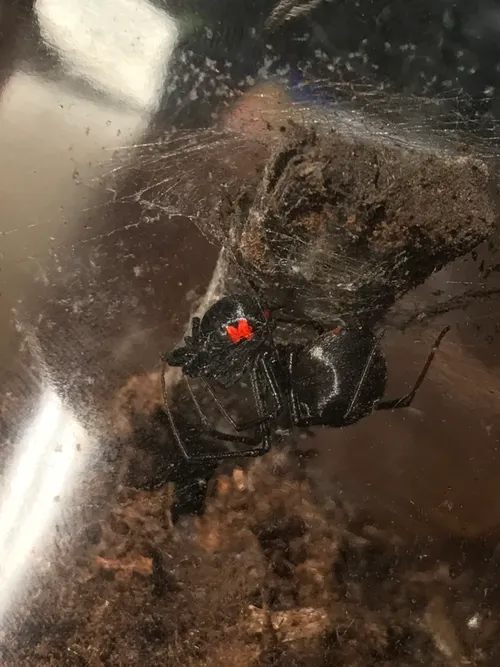
Twin Cities Bug Guy is a pest control company serving Minneapolis, MN, specializing in both residential and commercial pest management. They handle a variety of pests including ants, bed bugs, cockroaches, rodents, bees, and wasps. Their services range from one-time treatments to regular maintenance plans tailored to customer needs. The company offers commercial pest control for offices, warehouses, hospitality, restaurants, multi-housing, and retail spaces. One clear capability is their effective rodent control, with follow-up visits to ensure problems are resolved.
Understanding the Commercial Pest Management Process
Unlike one-time residential treatments, commercial pest extermination is an ongoing partnership. It begins with a comprehensive assessment, where a technician conducts a detailed walk-through of your facility. This critical first step is designed to identify not just active pests, but the conditions that attract them. The professional will look for entry points, potential food and water sources, and harborage areas where pests can hide and breed 1. This thorough inspection allows for precise pest identification-whether it's German cockroaches, rodents, ants, or flies-and a risk evaluation based on your business type and the local pest pressure influenced by Minnesota's seasons.
The Core Strategy: Integrated Pest Management (IPM)
Leading providers in Minneapolis utilize an Integrated Pest Management (IPM) framework. IPM is a sustainable, multi-tactic approach that prioritizes long-term prevention and minimizes reliance on chemical treatments. It's a strategic system built on several key principles:
- Cultural Controls: This involves altering the environment to make it less inviting to pests. Recommendations often focus on improving sanitation protocols, managing waste effectively, reducing clutter that provides shelter, and fixing moisture issues 2.
- Physical & Mechanical Controls: These are direct actions to block or remove pests. Examples include sealing cracks and gaps around doors, windows, and utility lines; installing door sweeps; using traps and monitoring stations; and employing physical barriers 3.
- Chemical Controls: When necessary, pesticides are used as a targeted tool, not a blanket solution. IPM emphasizes the minimal and judicious use of products, often choosing baits, gels, or targeted sprays in specific areas rather than widespread applications, with a strong focus on the safety of occupants and products 4 5.
Types of Commercial Pest Management Services Available
Minneapolis businesses can access a range of service models to fit their situation.
- Proactive Maintenance Plans: The cornerstone of commercial pest management, these involve scheduled visits-monthly, bi-monthly, or quarterly-to monitor, prevent, and address any emerging issues before they become infestations.
- Emergency Pest Services: For sudden, severe infestations that threaten immediate business operations or health code compliance, many local companies offer rapid response services.
- Specialized Extermination Treatments: Certain pests require specific expertise. Providers offer targeted programs for persistent problems like cockroaches, rodents, bed bugs in hospitality, and termite control for property protection 6.
- Eco-Friendly & Green Options: For businesses in sensitive environments like healthcare facilities, schools, or organic food handling, low-impact, environmentally conscious treatment options are available.
Find the perfect commercial pest control companies for your needs
Get personalized recommendations and expert advice
What to Expect from an Ongoing Service Plan
Once a plan is in place, the service relationship is defined by consistent communication and documentation. During regular inspections, technicians will check all placed bait stations, traps, and monitoring devices, looking for signs of activity. You should receive detailed service reports that document what was found, what actions were taken, and any critical recommendations for your staff to implement. This feedback loop is essential, allowing for prompt adjustment to new pest pressures or changes within your facility.
Investment and Pricing Considerations
The cost for commercial pest management in Minneapolis is not one-size-fits-all; it's customized based on a detailed risk assessment. Pricing varies significantly by business type, size, historical pest issues, and the required service frequency.
- Small Businesses: For a small office or retail shop, plans often start in the range of $100 to $300+ per month.
- Medium-Risk Businesses: Facilities like restaurants, larger retail spaces, or warehouses typically see monthly costs ranging from $250 to $800+, reflecting the higher stakes of food safety and larger square footage.
- Large or High-Risk Facilities: Food processing plants, healthcare complexes, or large distribution centers require the most comprehensive coverage, with costs often ranging from $800 to $1,500+ per month or structured as substantial quarterly services 7.
These investments translate into annual costs ranging from the hundreds to several thousand dollars, which should be viewed as essential operational insurance protecting against far costlier damage, contamination, regulatory fines, and reputational harm.
Finding a Provider in Minneapolis
The local market includes a mix of established national brands and dedicated regional companies. National providers like Orkin, Terminix, and Aptive have a strong presence in the area 8. Minneapolis is also home to specialized local firms such as Paffy's Pest Control, which emphasizes tailored, eco-friendly plans, and Bug-Out (BugTech), noted for its focus on Integrated Pest Management for challenging pests like German cockroaches 9 10 8. The key is to seek a provider that offers a detailed initial inspection, clearly explains their IPM-based strategy, and provides transparent, customized service agreements.
Frequently asked questions
Sources
Footnotes
-
Household Pest Control - Oklahoma State University Extension - https://extension.okstate.edu/fact-sheets/household-pest-control.html ↩
-
3 Principles of Integrated Pest Management (IPM) | Aberdeen, NC - https://www.naturesselect.com/blog/3-principles-of-integrated-pest-management-ipm/ ↩
-
Pest Control in Rental Properties: A Comprehensive Guide - Enviro-Care Pest & Termite Control, Inc. - https://envirocarepest.com/pest-control-in-rental-properties-a-comprehensive-guide/ ↩
-
Integrated Pest Management (IPM): A Sustainable Approach to Pest ... - https://hgic.clemson.edu/factsheet/iintegrated-pest-management-ipm-a-sustainable-approach-to-pest-management/ ↩
-
Integrated Pest Management Solutions for Businesses - https://shieldpest.co.uk/integrated-pest-management-solutions-for-businesses/ ↩
-
Professional Lawn Pest Control Options for Commercial Properties - https://mjrlandscape.com/professional-lawn-pest-control-options-for-commercial-properties/ ↩
-
Minneapolis Commercial Pest Control: Essential Guide ... - Shyft - https://www.myshyft.com/blog/commercial-pest-control-service-contracts-minneapolis-minnesota/ ↩
-
3 Best Pest Control Companies in Minneapolis, MN (2026 Guide) - https://www.consumeraffairs.com/pest-control/minnesota/minneapolis/ ↩ ↩2
-
Commercial Pest Extermination in Minneapolis, MN - https://www.paffyspestcontrol.com/commercial ↩
-
Minneapolis Commercial Pest Control Management For ... - https://bugtech.com/commercial-pest-control/ ↩