Find the Best Commercial Pest Control Companies for Your Business
No obligation • Fast responses • Nationwide coverage

Why you can trust Pest Crews
Pest Crews is a leading U.S. resource for finding and evaluating residential and commercial pest control services. Our team researches providers, reviews treatment approaches, and organizes unbiased information to help you make informed decisions. Companies cannot pay to change our editorial content or influence how they appear.
Search providers near you
Top Commercial Pest Control Companies in Florissant, Missouri Ranked
For any business in Florissant, from bustling restaurants to large warehouses, maintaining a pest-free environment is non-negotiable. It's critical for protecting your reputation, ensuring the safety of your products and employees, and complying with strict health and safety regulations. Commercial pest management is a specialized service that goes far beyond simple spraying; it's a strategic partnership focused on long-term prevention and tailored solutions. This guide will help you understand the comprehensive services available locally, the process involved, and what to look for in a professional provider to safeguard your commercial property.

Teacher's Spraying Service
4649 Idecker Dr, St. Louis, MO 63129
Teacher's Spraying Service is a family-owned pest control company serving St Louis, MO. They offer pest management for both residential and commercial properties, including bed bug treatment, ant control, termite inspections, and general pest control. Their services include a thorough inspection and a tailored Integrated Pest Management (IPM) program to address specific pest issues and infestation levels. The company has been operating for many years and focuses on educating clients about pest prevention and treatment options.
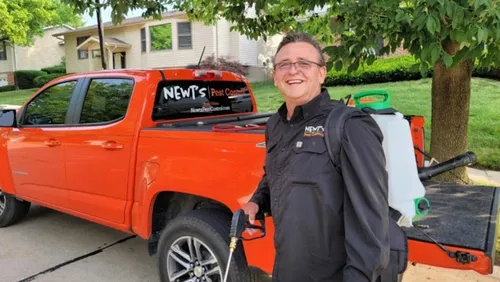
Newt’s Pest Control
St Louis, MO
Newt's Pest Control is a pest control company serving St Louis, MO, and surrounding counties including St. Charles. They offer residential and commercial pest extermination services, including cockroach, ant, rodent, mosquito, bee, wasp, spider, and flying insect control. Their services include one-time treatments, monthly plans, and pest inspections. Newt's Pest Control emphasizes eco-friendly and safe pest management solutions, combining pest and mosquito control under one agreement backed by a full satisfaction guarantee.
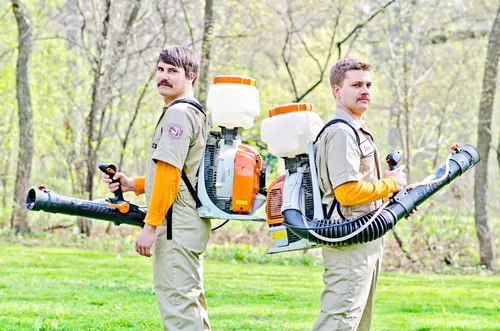
Mosquito Hunters of Kirkwood-Webster Groves
St Louis, MO
Mosquito Hunters of Kirkwood-Webster Groves provides mosquito and tick control services in St Louis, MO. They specialize in customized barrier treatments designed to reduce mosquito populations in residential and commercial outdoor spaces, including golf courses, pools, and event venues. Their approach focuses on targeted application around yards and shaded areas where mosquitoes rest, rather than broad fogging methods. The company uses treatments that include natural essential oils and synthetic options to protect against mosquito-borne illnesses such as West Nile Virus and Zika Virus. Mosquito Hunters also offers services for large groups and special outdoor events.
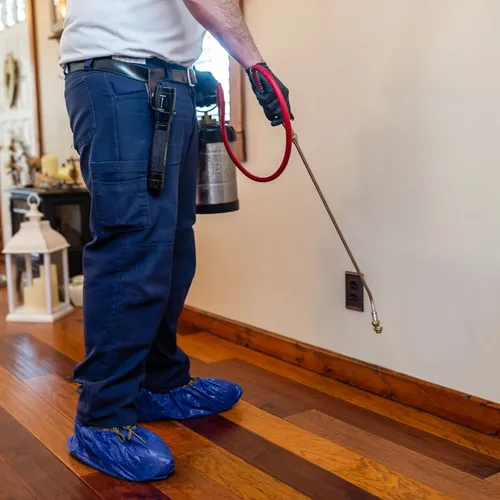
Imel Pest Control Inc
St Louis, MO
Imel Pest Control Inc is a family-owned pest control company serving the St Louis, MO area. They provide residential, commercial, and industrial pest control services, including termite inspections and treatments, rodent extermination, and removal of ants, fleas, bees, wasps, mosquitoes, and other pests. The company has a long history dating back to 1967, with expertise passed down through four generations. Imel Pest Control emphasizes dependable treatments and customer care based on decades of experience.
Healthy Home Pest Control & Services
3680 Lebanon Ave, Belleville, IL 62221
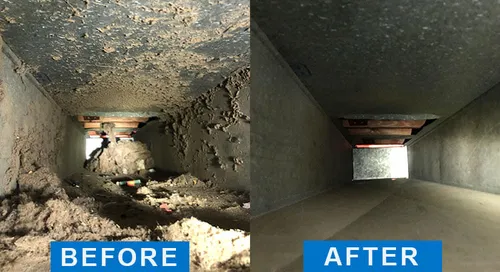
Healthy Home Pest Control & Services is a family-owned pest control company serving St Louis, MO, and surrounding areas since 2017. They provide a wide range of pest management services including bed bug treatment, termite control, rodent removal, and commercial pest control. The company also offers air duct and dryer vent cleaning, TAP insulation, and AeroSeal duct sealing to improve indoor air quality and energy efficiency. With over 30 years of combined experience, they use advanced techniques and environmentally friendly treatments to address pest challenges unique to the region. Healthy Home Pest Control & Services provides 24/7 emergency services and same-day scheduling options.
What is Commercial Pest Management?
Commercial pest control, often referred to as business pest management or corporate pest solutions, is a professional service designed to protect commercial properties from insects, rodents, birds, and wildlife. Unlike residential services, commercial programs are built on the foundation of Integrated Pest Management (IPM), a holistic and sustainable approach endorsed by environmental and agricultural authorities 1. IPM prioritizes long-term prevention by combining multiple strategies: thorough sanitation, mechanical controls like sealing entry points, biological methods, and the careful, targeted use of pesticides only when necessary. For a business, this means developing a customized plan that addresses your specific industry risks, facility layout, and compliance needs, creating a systematic defense rather than a reactive fix.
Core Services for Florissant Businesses
Local commercial exterminators offer a suite of targeted services to address the unique challenges faced by St. Louis area businesses. A comprehensive program typically includes several key components.
Inspection and Risk Assessment
Every effective commercial pest management program begins with a meticulous inspection. A specialist will examine your property to identify current pest types, locate potential entry points, find harborage areas where pests can hide and breed, and assess any sanitation or structural issues that may be attracting pests. This audit is crucial for building a plan that targets the root causes of pest problems, not just the visible symptoms.
Insect and Rodent Control
This is the frontline defense against the most common invaders. Services are tailored for pests like cockroaches, ants, flies, stored product pests, mice, and rats. Treatments utilize a combination of baits, traps, and targeted, low-impact chemical applications placed in strategic locations to minimize exposure while effectively controlling populations.
Wildlife and Bird Management
Pests like squirrels, raccoons, pigeons, and starlings can cause significant property damage and health hazards. Professional services for wildlife and bird control involve humane removal, exclusion techniques to prevent re-entry, and cleaning and sanitizing affected areas.
Specialty and Regulatory Services
Some situations require advanced expertise. This includes fumigation for severe infestations, termite control and prevention, bed bug heat treatments, and services designed specifically to help businesses pass health department audits or meet industry-specific regulatory standards (like those for food processing or healthcare).
The Commercial Service Process: A Step-by-Step Guide
Understanding the process can help you know what to expect when partnering with a pest management professional.
- Comprehensive Inspection & Consultation: A technician conducts a thorough walk-through of your facility, inside and out, to assess pest pressure and risks.
- Customized Plan Development: Based on the inspection, the provider develops a detailed IPM plan tailored to your business type, size, and specific pest challenges. This plan outlines the methods, frequency of service, and communication protocols.
- Initial Treatment & Implementation: The plan is put into action. This may involve installing monitoring devices, sealing entry points, applying targeted treatments, and providing immediate recommendations for sanitation or maintenance improvements.
- Ongoing Monitoring & Maintenance: The cornerstone of commercial IPM is proactive maintenance. Regular service visits include checking monitoring traps, assessing for new activity, and making minor adjustments to the treatment plan to stay ahead of problems.
- Documentation & Reporting: A key benefit for businesses is detailed documentation. You should receive service reports, activity logs, and audit trails that demonstrate due diligence and compliance with health and safety regulations 2.
Find the perfect commercial pest control companies for your needs
Get personalized recommendations and expert advice
The Importance of Proactive Maintenance and Monitoring
A reactive approach to pests can be costly, disruptive, and damaging to your business's reputation. The true value of a commercial pest management partnership lies in its proactive nature. Regular maintenance visits allow technicians to catch potential issues early, often before you ever see a pest 3. These visits typically involve servicing monitoring devices like pheromone traps or insect light traps, which provide valuable data on pest activity trends 4 5. Furthermore, your provider will offer ongoing recommendations for sanitation and cultural controls-practical steps your staff can take, such as improving waste management, storing products properly, and maintaining landscaping, to make your property less attractive to pests 6 5. This collaborative, preventive approach is the most effective way to ensure a consistently pest-free environment.
Understanding Investment and Service Agreements
Pricing for commercial pest management is not one-size-fits-all. There are no fixed rates because the investment is based on a highly customized plan 7. Key factors that influence cost include:
- Facility Size and Type: A large warehouse has different needs and pricing than a small office or a full-service restaurant.
- Pest Pressure and History: A facility with a history of infestations or located in a high-risk area may require a more intensive initial plan.
- Service Frequency: Plans can be monthly, bi-monthly, quarterly, or tailored to seasonal needs.
- Regulatory Requirements: Businesses in highly regulated industries (e.g., food service, pharmaceuticals) may need more extensive documentation and specialized services.
You can expect to receive a tailored quote after the initial inspection. Agreements often include a base service fee for routine maintenance, with clear terms for any additional charges related to unexpected infestations or extra services. The focus is on creating a predictable, budgetable partnership for long-term protection.
Frequently asked questions
Sources
Footnotes
-
What Is Integrated Pest Management (IPM)? / UC Statewide IPM Program ... - https://ipm.ucanr.edu/what-is-ipm/ ↩
-
Integrated Pest Management (IPM) Principles | US EPA - https://www.epa.gov/safepestcontrol/integrated-pest-management-ipm-principles ↩
-
Commercial Pest Control Services in MO - https://stevespestcontrol.com/services/commercial-service/ ↩
-
$35 Off Pest Control Services In Florissant, MO - https://www.rottler.com/service-areas/florissant-mo-pest-control/ ↩
-
Integrated Pest Management (IPM): Methods And Their Uses - https://eos.com/blog/integrated-pest-management/ ↩ ↩2
-
Integrated Pest Management (IPM): A Sustainable Approach to Pest ... - https://hgic.clemson.edu/factsheet/iintegrated-pest-management-ipm-a-sustainable-approach-to-pest-management/ ↩
-
How To Establish Pest Control Prices: A Guide For Businesses - https://www.fieldroutes.com/blog/how-to-establish-pest-control-prices-a-guide-for-businesses ↩