Find the Best Commercial Pest Control Companies for Your Business
No obligation • Fast responses • Nationwide coverage

Why you can trust Pest Crews
Pest Crews is a leading U.S. resource for finding and evaluating residential and commercial pest control services. Our team researches providers, reviews treatment approaches, and organizes unbiased information to help you make informed decisions. Companies cannot pay to change our editorial content or influence how they appear.
Search providers near you
Top Commercial Pest Control Companies in St Louis, Missouri Ranked
For any business in St. Louis, from a bustling downtown restaurant to a sprawling warehouse in the industrial district, maintaining a pest-free environment is non-negotiable. Commercial pest management is a critical service that protects your property, inventory, and reputation while ensuring compliance with strict health and safety regulations. This resource is designed to help you understand the specialized approach required for business pest control, the common services available in the St. Louis area, and how to identify the right pest management strategy for your specific industry and needs.
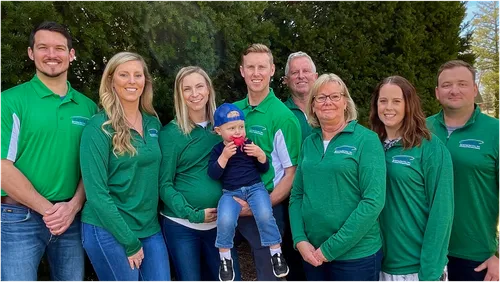
Teacher's Spraying Service
4649 Idecker Dr, St. Louis, MO 63129
Teacher's Spraying Service is a family-owned pest control company serving St Louis, MO. They offer pest management for both residential and commercial properties, including bed bug treatment, ant control, termite inspections, and general pest control. Their services include a thorough inspection and a tailored Integrated Pest Management (IPM) program to address specific pest issues and infestation levels. The company has been operating for many years and focuses on educating clients about pest prevention and treatment options.
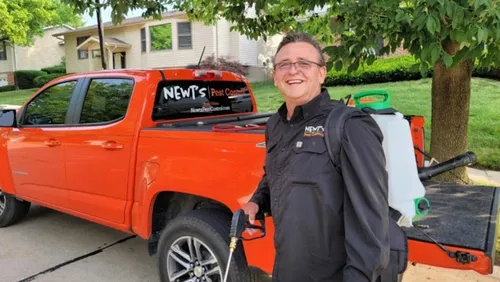
Newt’s Pest Control
St Louis, MO
Newt's Pest Control is a pest control company serving St Louis, MO, and surrounding counties including St. Charles. They offer residential and commercial pest extermination services, including cockroach, ant, rodent, mosquito, bee, wasp, spider, and flying insect control. Their services include one-time treatments, monthly plans, and pest inspections. Newt's Pest Control emphasizes eco-friendly and safe pest management solutions, combining pest and mosquito control under one agreement backed by a full satisfaction guarantee.
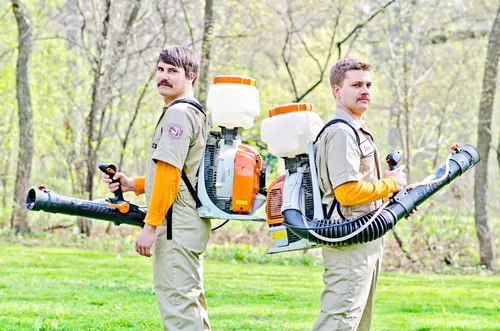
Mosquito Hunters of Kirkwood-Webster Groves
St Louis, MO
Mosquito Hunters of Kirkwood-Webster Groves provides mosquito and tick control services in St Louis, MO. They specialize in customized barrier treatments designed to reduce mosquito populations in residential and commercial outdoor spaces, including golf courses, pools, and event venues. Their approach focuses on targeted application around yards and shaded areas where mosquitoes rest, rather than broad fogging methods. The company uses treatments that include natural essential oils and synthetic options to protect against mosquito-borne illnesses such as West Nile Virus and Zika Virus. Mosquito Hunters also offers services for large groups and special outdoor events.
Imel Pest Control Inc
St Louis, MO
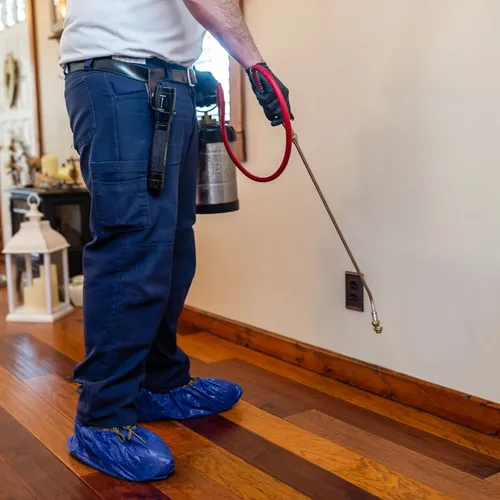
Imel Pest Control Inc is a family-owned pest control company serving the St Louis, MO area. They provide residential, commercial, and industrial pest control services, including termite inspections and treatments, rodent extermination, and removal of ants, fleas, bees, wasps, mosquitoes, and other pests. The company has a long history dating back to 1967, with expertise passed down through four generations. Imel Pest Control emphasizes dependable treatments and customer care based on decades of experience.
Healthy Home Pest Control & Services
3680 Lebanon Ave, Belleville, IL 62221
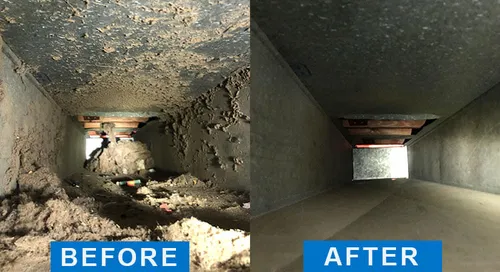
Healthy Home Pest Control & Services is a family-owned pest control company serving St Louis, MO, and surrounding areas since 2017. They provide a wide range of pest management services including bed bug treatment, termite control, rodent removal, and commercial pest control. The company also offers air duct and dryer vent cleaning, TAP insulation, and AeroSeal duct sealing to improve indoor air quality and energy efficiency. With over 30 years of combined experience, they use advanced techniques and environmentally friendly treatments to address pest challenges unique to the region. Healthy Home Pest Control & Services provides 24/7 emergency services and same-day scheduling options.
What is Commercial Pest Control?
Commercial pest control, often referred to as business or industrial pest management, is a professional service tailored to the unique challenges and scale of non-residential properties. Unlike one-time residential treatments, commercial pest solutions are built on ongoing partnerships. Providers develop customized plans that focus on long-term prevention, regulatory compliance, and minimal disruption to daily operations. This proactive approach is essential for safeguarding public health, protecting products from contamination, and preserving the structural integrity of commercial buildings.
Key Industries Served in St. Louis
St. Louis's diverse economy demands equally diverse pest management expertise. Local commercial exterminators are equipped to handle the specific regulatory and operational demands of various sectors:
- Food Service & Hospitality: Restaurants, bars, hotels, and grocery stores face intense scrutiny from health inspectors. Control of cockroaches, rodents, flies, and stored product pests is paramount.
- Healthcare & Education: Hospitals, clinics, nursing homes, and schools require the highest standards of safety. Services must be discreet, use low-impact methods, and prioritize the well-being of vulnerable populations.
- Office & Retail: Maintaining a professional appearance is key. Pest management for offices and retail spaces often focuses on discreet monitoring and prevention for common pests like ants, spiders, and occasional rodents.
- Industrial & Warehousing: Manufacturing plants, distribution centers, and storage facilities deal with large spaces and unique pest pressures like birds or wildlife. Services here emphasize exclusion and large-scale monitoring.
The Commercial Pest Control Process: A Step-by-Step Guide
A professional commercial pest management program is systematic and thorough. Understanding this process can help you evaluate potential service providers.
1. Initial Inspection and Pest Identification
The foundation of any effective program is a comprehensive inspection. A certified technician will examine your property inside and out to identify active infestations, potential entry points, and conditions that attract pests (like moisture or food debris). Correctly identifying the pest species is crucial, as treatment for a mouse differs significantly from treatment for a rat or a flying insect 1 2.
2. Development of an Integrated Pest Management (IPM) Plan
Based on the inspection, your provider will create a written Integrated Pest Management (IPM) plan. IPM is a sustainable, science-based approach that emphasizes prevention and uses a combination of techniques. This plan serves as your roadmap for pest management and is a critical document for regulatory audits. A robust plan typically includes:
- Property Assessment Details: Maps of monitoring stations, noted entry points, and sanitation recommendations.
- Action Thresholds: Defining the level of pest activity that requires intervention.
- Treatment Protocols: Specific methods approved for use in your facility.
- Documentation Procedures: How service visits and findings will be recorded.
3. Implementation of Control Methods
Treatment under an IPM plan is targeted and strategic, prioritizing non-chemical methods whenever possible 3.
- Cultural & Sanitation Controls: This involves altering the environment to make it less inviting to pests. Recommendations may include improving waste management, fixing leaks, sealing cracks in walls or floors, and implementing stricter cleaning protocols 4.
- Physical & Mechanical Controls: These are direct actions to remove or block pests. Examples include installing rodent traps, using insect light traps (ILTs) for flies, applying door sweeps, and sealing gaps around pipes (exclusion) 5.
- Chemical Controls: When pesticides are necessary, they are used as a targeted tool, not a blanket solution. Applications are precise, using products and formulations appropriate for sensitive commercial settings to minimize risk to people, products, and the environment 6 7.
4. Ongoing Monitoring, Maintenance, and Reporting
Commercial pest control is a continuous cycle, not a one-time event. The core of your service agreement will involve:
- Regular Service Visits: Scheduled visits (e.g., monthly, bi-monthly) where a technician will inspect monitoring devices, refresh bait stations if used, and look for new signs of activity 8.
- Detailed Reporting: After each visit, you should receive a service report detailing what was inspected, any findings, and actions taken. This paper trail is essential for demonstrating due diligence to health inspectors or corporate auditors.
- Emergency Response: A reliable provider will offer protocols for urgent situations, such as a pest sighting by a customer or an impending health inspection.
Find the perfect commercial pest control companies for your needs
Get personalized recommendations and expert advice
Common Pest Challenges for St. Louis Businesses
The humid summers and varied urban landscape of St. Louis create ideal conditions for several persistent pests.
- Rodent Control: Mice and rats are a top concern due to their ability to spread disease, contaminate food, and cause electrical fires by gnawing wires. Commercial rodent management focuses on exclusion and tamper-resistant bait stations.
- Cockroach and Ant Control: These insects thrive in environments with food and moisture. German cockroaches are a particular challenge in food service. Treatment involves a combination of sanitation, exclusion, and targeted baits and gels.
- Flying Insect Management: Flies, fruit flies, and mosquitoes can disrupt customers and employees. Solutions range from air curtains on doors to strategically placed light traps and larvicide treatments for outdoor breeding sites.
- Stored Product Pests: Beetles and moths that infest flour, grains, and other dry goods are a serious issue for food processing and storage facilities. Effective control requires meticulous inspection of incoming shipments and proper stock rotation.
- Specialized Services: Many St. Louis providers also offer solutions for more complex issues like termite control (protecting the building's structure), bed bug remediation (critical for hotels and multi-family housing), wildlife removal (for raccoons, squirrels, or bats), and bird deterrent systems.
Understanding Costs for Commercial Pest Management
Pricing for commercial pest solutions in St. Louis is highly variable and custom-quoted. Unlike residential services with set rates, a business's cost depends on multiple factors:
- Square Footage and Layout: The size and complexity of your facility.
- Industry Type: A restaurant will have different requirements and pricing than an office building.
- Pest Pressure: The type and severity of the pest problem (e.g., a rodent issue is typically more involved and costly than a perimeter ant treatment).
- Service Frequency: Monthly, quarterly, or emergency-only plans.
- Compliance Needs: Specific documentation or audit-ready reporting requirements.
While basic recurring services for a small office might start in the range of $75-$200+ per visit, costs rise significantly for large facilities, specialized treatments like fumigation or termite control, or intensive rodent abatement programs 9. The standard practice among reputable St. Louis providers is to offer a free, detailed inspection and a custom quote based on your specific situation 10 11 12.
Choosing a Provider: What to Look For
Selecting the right pest management partner is a key business decision. Look for a company with:
- Proven Experience: Specific expertise in your industry (e.g., food service, healthcare).
- Licensing & Certifications: Proper state licensing for commercial applications and technician certifications (e.g., in IPM principles).
- Insurance: Adequate liability insurance to protect your business.
- IPM Focus: A clear commitment to Integrated Pest Management rather than relying solely on scheduled pesticide applications.
- Transparent Communication: Willingness to explain their process, provide clear documentation, and be available for questions.
Frequently asked questions
Sources
Footnotes
-
Household Pest Control - Oklahoma State University Extension - https://extension.okstate.edu/fact-sheets/household-pest-control.html ↩
-
Important Components of a Successful Pest Management Program | USU - https://extension.usu.edu/planthealth/research/sucessful-pest-managment-program ↩
-
Non-Chemical & Integrated Pest Management - https://ndep.nv.gov/uploads/water-bmp-docs/Non_Chemical_Pest_Management_.pdf ↩
-
Integrated Pest Management (IPM): A Sustainable Approach to Pest ... - https://hgic.clemson.edu/factsheet/iintegrated-pest-management-ipm-a-sustainable-approach-to-pest-management/ ↩
-
How Pest Control Works | All "U" Need Pest Control - https://alluneedpest.com/blog/how-pest-control-works/ ↩
-
Effective Pest Control Methods: Best Practices & Strategies - FieldRoutes - https://www.fieldroutes.com/blog/pest-control-methods ↩
-
Unit 1: Principles of Pest Control - CTAHR.hawaii.edu - https://cms.ctahr.hawaii.edu/epp/Education/Study-Guide-Packets/APC-Core/APC-Unit1 ↩
-
3 Principles of Integrated Pest Management (IPM) | Aberdeen, NC - https://www.naturesselect.com/blog/3-principles-of-integrated-pest-management-ipm/ ↩
-
Hidden Fees in Pest Control 2025: Tips to Save on Your Service - https://www.dadepestsolutions.com/hidden-fees-in-pest-control-what-homeowners-should-know/ ↩
-
Commercial Pest Control Services in MO - https://stevespestcontrol.com/services/commercial-service/ ↩
-
Commercial Services - Pointe Pest Control - https://pointepestcontrol.com/commercial-services/ ↩
-
Commercial Pest Solutions | STL, KC, Mid-MO - https://www.rottler.com/commercial-pest-control/pest-solutions/ ↩