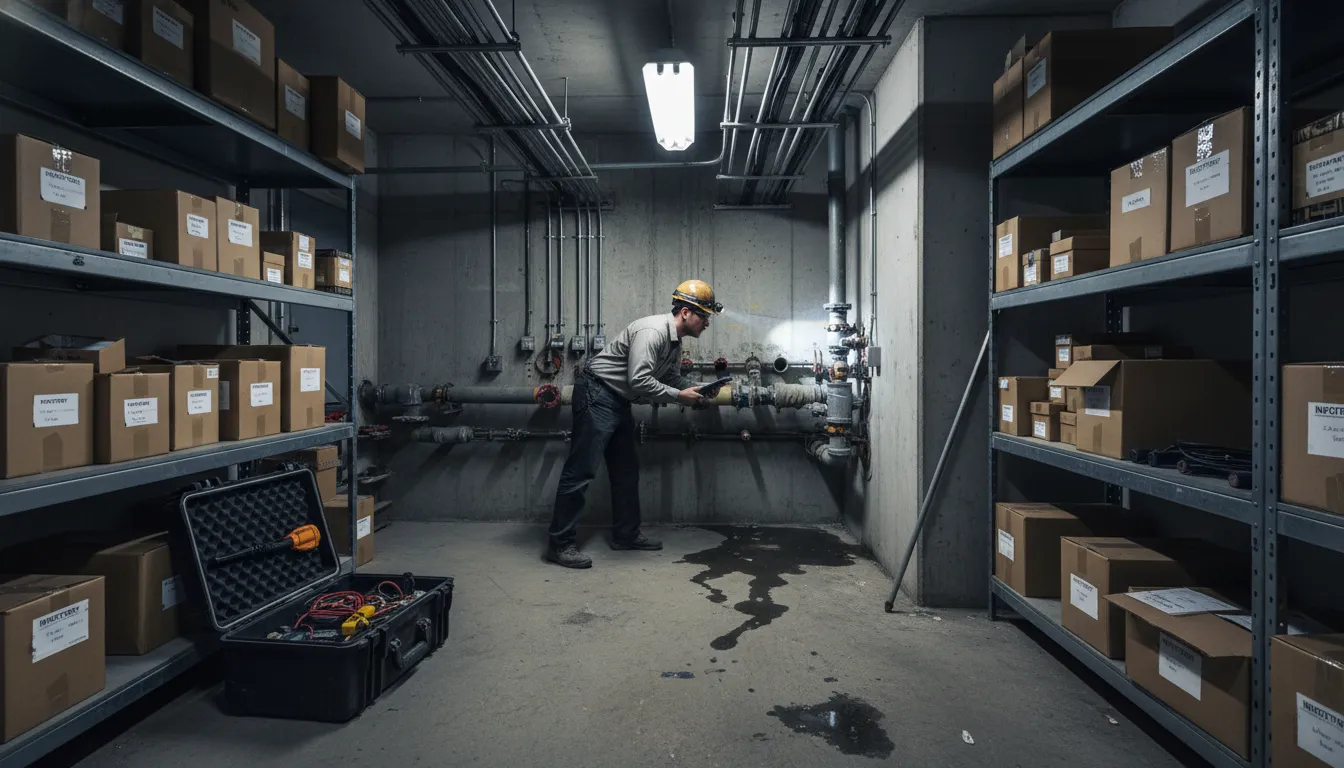
Find the Best Commercial Pest Control Companies for Your Business
No obligation • Fast responses • Nationwide coverage

Why you can trust Pest Crews
Pest Crews is a leading U.S. resource for finding and evaluating residential and commercial pest control services. Our team researches providers, reviews treatment approaches, and organizes unbiased information to help you make informed decisions. Companies cannot pay to change our editorial content or influence how they appear.
Search providers near you
Top Commercial Pest Control Companies in Springfield, Missouri Ranked
For any business in Springfield, maintaining a pest-free environment is a non-negotiable aspect of operations. Commercial pest management is a specialized service designed to protect your property, inventory, reputation, and compliance with health regulations from the threats posed by insects, rodents, and other wildlife. This isn't just about reacting to an infestation; it's about implementing a proactive, strategic plan to prevent problems before they start. This resource is designed to help you understand the services available, the standard approaches used by local professionals, and how to connect with providers who can create a customized protection plan for your specific business needs.
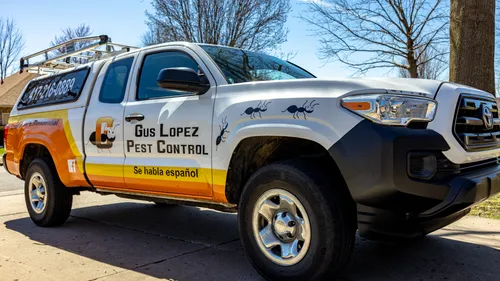
Gus Lopez Pest Control
Springfield, MO
Gus Lopez Pest Control is a family-owned pest control company serving Springfield, MO, and surrounding areas including Nixa, Ozark, Republic, and Willard. They offer a range of pest management services such as ant, bed bug, German cockroach, wasp, rodent, spider, termite, mole, flea, tick, and mosquito control. The company provides ongoing pest management plans tailored to each customer's needs, with targeted treatments and regular inspections to maintain pest-free environments. Founded in 2005, the business continues under the leadership of Gus Lopez, who maintains the commitment to thorough pest elimination and prevention. Their services include specialized capabilities like termite elimination and prevention, as well as mosquito and flea suppression.
Critter Control of Springfield
Springfield, MO
Critter Control of Springfield provides wildlife removal and pest control services in Springfield, MO. They specialize in humane removal and exclusion of animals such as raccoons, squirrels, bats, skunks, mice, and rats. Their services include thorough inspections, live trapping, attic restoration, and repair of damage caused by wildlife. The company has been locally owned and operated since 2009 and offers solutions for both residential and commercial properties. They emphasize a complete process from inspection to removal and exclusion to help prevent future infestations.

Reliable Pest Management
1222 E Division St, Springfield, MO 65803
Reliable Pest Management provides comprehensive pest control services in Springfield, MO. They offer solutions for ants, termites, rodents, mosquitoes, and wildlife removal, including bats, raccoons, squirrels, possums, and snakes. Their process begins with a detailed inspection, followed by a customized treatment plan and ongoing support to maintain a pest-free environment. The company emphasizes year-round protection with seasonal packages tailored to address various pest challenges throughout the year. Their termite control plans help protect home structures, while rodent and ant control services focus on swift and effective removal.
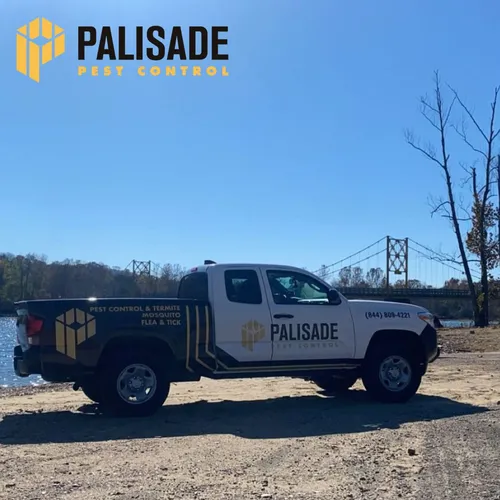
Palisade Pest Control
4270 S Hillcrest Ave Suite 205, Springfield, MO 65810
Palisade Pest Control is a pest control company based in Springfield, MO. They provide comprehensive pest control services for both residential and commercial properties in the Springfield area. Their offerings include complete pest protection tailored to homes and businesses.
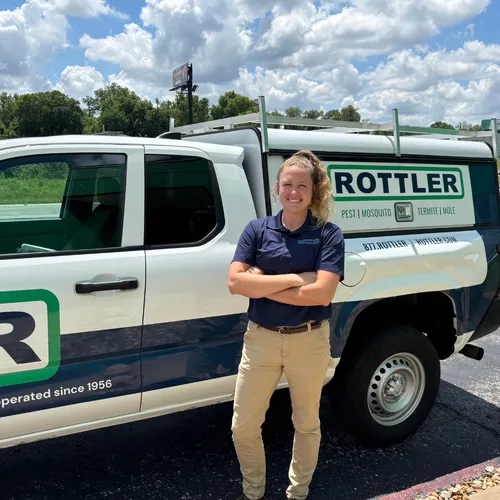
Rottler Pest Solutions
1817 W Sunset St, Springfield, MO 65807
Rottler Pest Solutions is a family-owned pest control company serving Springfield, MO, and the surrounding Midwest region. Established in 1956, they offer residential and commercial pest management services including bed bug treatment, rodent control, termite inspections, and mosquito control. The company uses environmentally friendly products and advanced techniques such as the Sentricon® Termite Colony Elimination System and NESDCA trained K-9 inspections for bed bugs. Rottler Pest Solutions provides 24-hour assistance and same-day services, ensuring flexible scheduling to meet customer needs.
What is Commercial Pest Management?
Commercial pest control, often referred to as business pest management, is a systematic approach to preventing and eliminating pests in non-residential settings. This includes restaurants, warehouses, office buildings, retail stores, manufacturing plants, and healthcare facilities. The stakes are high: a single pest sighting can damage your brand's reputation, lead to failed health inspections, contaminate products, and even cause structural damage. Unlike one-off residential treatments, commercial services are built on ongoing relationships and customized plans that address the unique vulnerabilities of your business.
Common Pest Threats for Springfield Businesses
Every business type attracts different pests. Understanding the common culprits helps in identifying risks and discussing them with a service provider.
- General Pests: This category includes ants, cockroaches, spiders, and silverfish. These pests are often attracted to food residue, moisture, and clutter. In food service or hospitality, they pose a significant health risk 1.
- Rodents: Mice and rats are a major concern, especially in areas with older buildings, warehouses, or near fields. They can chew through wiring (a fire hazard), contaminate vast amounts of food with droppings, and carry diseases.
- Specialty Pests: Some problems require targeted expertise. This includes flying insects like flies, stored product pests in grain or inventory, bed bugs in hotels or multi-tenant offices, and wood-destroying organisms like termites, which often require a separate inspection and treatment program 2.
The Standard Approach: Integrated Pest Management (IPM)
The most effective and responsible commercial pest control strategy used by leading Springfield providers is Integrated Pest Management (IPM). IPM is a sustainable, multi-step process focused on long-term prevention with minimal reliance on chemicals. It's a collaborative effort between the pest management professional and your staff.
Step 1: Inspection and Identification
The foundation of any good program is a thorough inspection. A technician will conduct a detailed assessment of your property to 3:
- Identify the Pest: Correctly determining the species is crucial for effective treatment.
- Assess the Habitat: Locate nesting sites, breeding areas, and food/water sources attracting the pests.
- Analyze Entry Points: Identify cracks in foundations, gaps around utility lines, faulty door sweeps, and other structural vulnerabilities.
- Review Sanitation Practices: Pinpoint conditions within your control that may be contributing to the problem, such as trash management or spill cleanup.
Step 2: Action Thresholds and Tailored Treatment
IPM sets action thresholds-the point at which pest populations or conditions require intervention. Treatment is then tailored and may include a combination of methods 4 5 6:
- Cultural & Sanitation Controls: The first line of defense. This involves advising on improvements like better waste management, reducing clutter, and fixing leaks to remove what attracts pests.
- Physical & Mechanical Controls: This includes sealing the entry points found during inspection, installing door sweeps, using traps and monitoring stations, and applying baits in targeted, tamper-resistant boxes.
- Chemical Controls: When necessary, pesticides are used as a targeted tool, not a blanket solution. Preference is given to low-impact, targeted formulations like gels, baits, or residual sprays applied to specific areas, prioritizing safety for employees and customers 7.
Step 3: Ongoing Monitoring and Prevention
A one-time treatment is rarely sufficient for a business. The final, critical phase of IPM is ongoing vigilance:
- Regular Service Visits: Scheduled follow-ups (monthly, bi-monthly, or quarterly) allow technicians to monitor activity, refresh bait stations, and catch new issues early.
- Detailed Documentation: You should receive service reports detailing what was observed, what actions were taken, and recommendations for your staff. This log is vital for audit trails and continuous improvement.
- Preventative Recommendations: Your provider will offer ongoing advice on exclusion and sanitation to help your team maintain a pest-resistant environment between visits.
Find the perfect commercial pest control companies for your needs
Get personalized recommendations and expert advice
What to Expect from a Service Plan
When you engage a professional for business pest management, you're entering into a service agreement. A typical plan includes:
- Initial Intensive Treatment: To address any existing active infestation.
- Regular Maintenance Visits: The cornerstone of the plan, frequency is determined by your business's risk level and pest pressure.
- Emergency Call-Back Service: Assurance that if a problem arises between scheduled visits, it will be addressed promptly.
- Detailed Reporting: Providing you with a record of service and compliance documentation.
Understanding Investment and Service Frequency
Pricing for commercial pest control in Springfield is not one-size-fits-all. It varies based on several key factors, and reputable companies will provide a custom quote after an inspection.
Primary Cost Factors:
- Square Footage: The size of the facility is a major driver.
- Type of Business & Industry: A restaurant or food processing plant inherently carries higher risk and regulatory scrutiny than a small office.
- Type and Severity of Pest: A routine ant program costs less than eradicating a rodent infestation or treating for termites.
- Service Frequency: More frequent visits (monthly vs. quarterly) increase the cost but provide greater protection.
General Pricing Structure: While exact quotes are essential, you can expect pricing structures to reflect the scope. A small office or retail space (under 2,500 sq ft) may have a lower monthly or per-service cost. For medium to large facilities like warehouses or manufacturing plants, costs are higher and often negotiated into an annual contract. The investment should be viewed as proactive risk management, saving significant costs associated with pest-related damage, product loss, or regulatory fines in the long term 8.
Taking the Next Step: The best action for any Springfield business owner or manager is to contact local commercial pest control specialists for a free site inspection and proposal. Be prepared to discuss your business type, any current concerns, and your goals for a pest-free workplace. Reputable providers will emphasize an IPM-based, customized plan 9 10 11.
Frequently asked questions
Sources
Footnotes
-
Top Cockroach Hotspots in Commercial Buildings: Effective Treatment Strategies - https://safepestcontrol.net.au/top-cockroach-hotspots-in-commercial-buildings-effective-treatment-strategies/ ↩
-
How to start a pest control business - https://gorilladesk.com/learn/how-to-start-a-pest-control-business/ ↩
-
Household Pest Control - Oklahoma State University Extension - https://extension.okstate.edu/fact-sheets/household-pest-control.html ↩
-
Integrated Pest Management (IPM): A Sustainable Approach to Pest ... - https://hgic.clemson.edu/factsheet/iintegrated-pest-management-ipm-a-sustainable-approach-to-pest-management/ ↩
-
Comprehensive Guide to Commercial Pest Services - - https://callbama.com/comprehensive-guide-to-commercial-pest-services/ ↩
-
Which Pest Control Method Is Right for Your Business? - https://www.coastalspray.com/types-of-pest-control-methods/ ↩
-
Pest control - Wikipedia - https://en.wikipedia.org/wiki/Pest_control ↩
-
Pricing Guide for Pest Control Business Owners - PestPac - https://www.pestpac.com/blog/pest-control-pricing-guide ↩
-
3 Principles of Integrated Pest Management (IPM) | Aberdeen, NC - https://www.natureselect.com/blog/3-principles-of-integrated-pest-management-ipm/ ↩
-
Commercial Pest Control Services in Columbus, Ohio - https://www.1stresponse.biz/services/commercial-pest-management/ ↩
-
Your One-Stop Shop for Commercial Pest Management - https://www.orkin.com/commercial/blog/one-stop-pest-management-for-business ↩