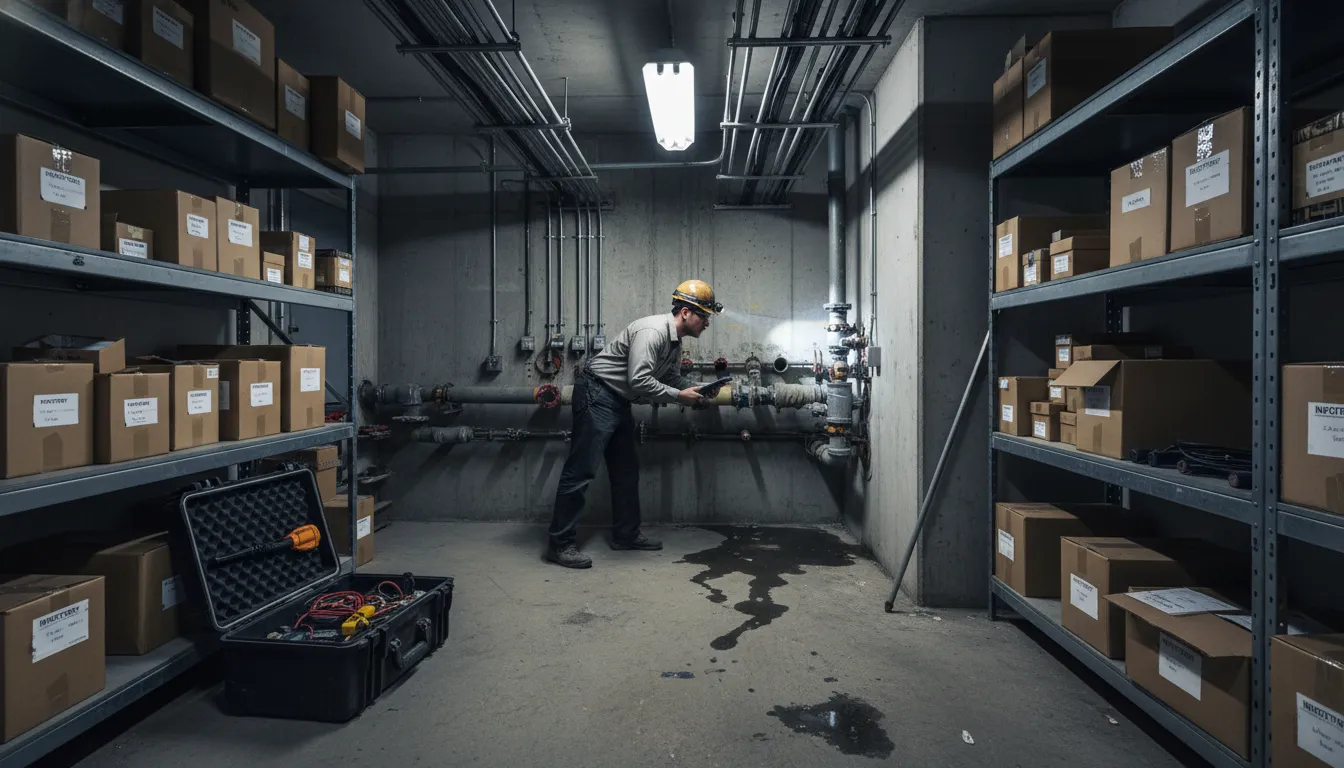
Find the Best Commercial Pest Control Companies for Your Business
No obligation • Fast responses • Nationwide coverage

Why you can trust Pest Crews
Pest Crews is a leading U.S. resource for finding and evaluating residential and commercial pest control services. Our team researches providers, reviews treatment approaches, and organizes unbiased information to help you make informed decisions. Companies cannot pay to change our editorial content or influence how they appear.
Search providers near you
Top Commercial Pest Control Companies in St Peters, Missouri Ranked
For any business in St. Peters, maintaining a pest-free environment is a non-negotiable part of operations. Commercial pest management is a specialized service designed to protect your property, inventory, and reputation from the threats posed by insects, rodents, and wildlife. It matters because a single pest sighting can damage customer trust, violate health codes, and lead to costly structural damage. This resource is designed to help you understand the process and key considerations for finding a qualified local provider who can develop a proactive plan tailored to your specific industry and facility.

Teacher's Spraying Service
4649 Idecker Dr, St. Louis, MO 63129
Teacher's Spraying Service is a family-owned pest control company serving St Louis, MO. They offer pest management for both residential and commercial properties, including bed bug treatment, ant control, termite inspections, and general pest control. Their services include a thorough inspection and a tailored Integrated Pest Management (IPM) program to address specific pest issues and infestation levels. The company has been operating for many years and focuses on educating clients about pest prevention and treatment options.
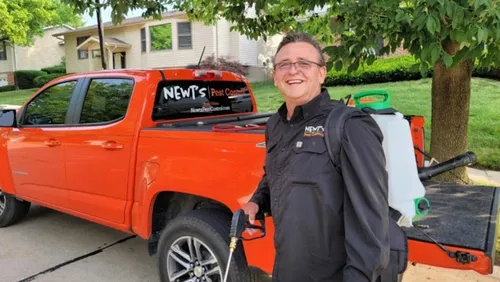
Newt’s Pest Control
St Louis, MO
Newt's Pest Control is a pest control company serving St Louis, MO, and surrounding counties including St. Charles. They offer residential and commercial pest extermination services, including cockroach, ant, rodent, mosquito, bee, wasp, spider, and flying insect control. Their services include one-time treatments, monthly plans, and pest inspections. Newt's Pest Control emphasizes eco-friendly and safe pest management solutions, combining pest and mosquito control under one agreement backed by a full satisfaction guarantee.
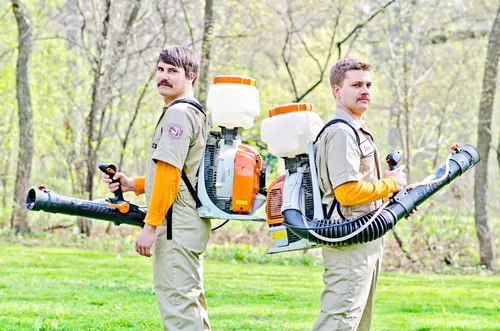
Mosquito Hunters of Kirkwood-Webster Groves
St Louis, MO
Mosquito Hunters of Kirkwood-Webster Groves provides mosquito and tick control services in St Louis, MO. They specialize in customized barrier treatments designed to reduce mosquito populations in residential and commercial outdoor spaces, including golf courses, pools, and event venues. Their approach focuses on targeted application around yards and shaded areas where mosquitoes rest, rather than broad fogging methods. The company uses treatments that include natural essential oils and synthetic options to protect against mosquito-borne illnesses such as West Nile Virus and Zika Virus. Mosquito Hunters also offers services for large groups and special outdoor events.
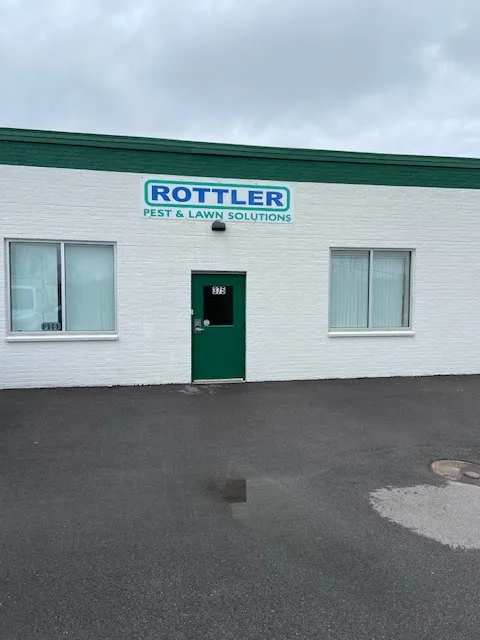
Rottler Pest Solutions
375 S Old Hwy 141, Fenton, MO 63026
Rottler Pest Solutions is a family-owned pest control company serving St Louis, MO, and the surrounding Midwest region since 1956. They provide residential and commercial pest management services, including bed bug treatment, ant control, rodent control, termite inspections, bird and wildlife removal, and commercial pest control. Their termite control offerings include advanced solutions like the Term-Alert™ system and the Sentricon® Termite Colony Elimination System, backed by a termite damage warranty. Rottler Pest Solutions operates 24/7 with same-day service availability and flexible scheduling to accommodate customer needs.
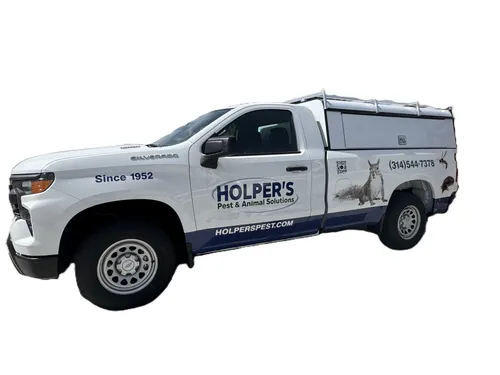
Holper's Pest & Animal Solutions STL
9223 Gravois Rd, St. Louis, MO 63123
Holper's Pest & Animal Solutions STL is a family-owned pest control company serving St. Louis, MO, and surrounding counties including Jefferson, St. Charles, and Franklin, as well as Southwest Missouri and Metro Illinois. They provide pest and wildlife removal services for both residential and commercial properties, focusing on thorough inspections and preventative treatments to eliminate infestations and block entry points. Established in 1952, Holper's has decades of experience and emphasizes personalized service tailored to each customer's needs. They offer same-day service to address urgent pest problems promptly.
Why Proactive Pest Management is Critical for St. Peters Businesses
Operating in Missouri means dealing with a variety of seasonal pests that can infiltrate commercial spaces. From rodents seeking shelter in the winter to ants and flies in the warmer months, pests are constantly looking for food, water, and harborage. For businesses in food service, hospitality, healthcare, or warehousing, the stakes are particularly high. Pest activity can directly lead to health department violations, failed audits, product contamination, and negative online reviews 1. A reactive approach-only calling for service when pests are seen-is often more disruptive and costly than a consistent, preventive program. Professional commercial pest control focuses on stopping infestations before they start, safeguarding your business's most valuable assets.
The Core of Modern Pest Management: The Integrated Approach
Leading providers in the St. Peters area utilize a strategy known as Integrated Pest Management (IPM). IPM is a sustainable, science-based approach that emphasizes long-term prevention through a combination of techniques 2. It moves beyond simply spraying pesticides to address the root causes that attract and sustain pests. An effective IPM program prioritizes human safety and minimal environmental impact while achieving effective pest suppression. This method is not a one-size-fits-all solution; it is a dynamic process customized for each unique business environment, whether it's a restaurant, office building, manufacturing plant, or retail store.
The Four Pillars of an IPM Program
A robust commercial pest management plan is built on four interconnected pillars:
- Inspection and Pest Identification: Every effective program begins with a meticulous inspection by a licensed technician. This step is crucial for correctly identifying the pest species present, as treatment for cockroaches differs vastly from treatment for rodents or birds 3. The technician will also perform a vulnerability assessment, identifying potential entry points (like cracks, gaps around pipes, and faulty door seals), sources of food and water, and areas that provide shelter 4.
- Prevention (Cultural & Mechanical Controls): This is the heart of IPM. Before any chemical is considered, the focus is on making the environment less inviting to pests. This includes advising on sanitation improvements, proper food and waste storage, and eliminating standing water. Physical measures, such as sealing entry points (exclusion), installing door sweeps, repairing screens, and using mechanical traps or insect light traps, are implemented to create a formidable barrier.
- Targeted Treatment: When control actions are necessary, they are chosen to be the most effective with the least risk. Chemical controls, if used, are applied in a targeted and judicious manner-such as in cracks and crevices or within bait stations-rather than as broad, indiscriminate sprays 5 6. All pesticide applications are performed by licensed professionals who are trained in the safe and legal use of these products.
- Monitoring and Documentation: Ongoing vigilance is key. Technicians will place monitoring devices (like non-toxic glue boards) to track pest activity between visits. Regular service visits (e.g., monthly, bi-monthly) ensure the plan remains effective. Comprehensive documentation, including detailed service reports and activity logs, provides a clear record for health inspections and demonstrates your commitment to a pest-free operation.
Common Commercial Pest Control Services in St. Peters
Local providers offer a wide array of services to address the specific challenges faced by St. Peters businesses. A full-service commercial pest management company will typically provide solutions for:
- Insect Control: Management of common pests like cockroaches, ants, flies, stored product pests, and bed bugs. This often involves a combination of exclusion, sanitation guidance, and targeted baiting or insect growth regulators.
- Rodent Management: Controlling mice and rats through thorough inspection, exclusion work to seal entry points, and the strategic placement of tamper-resistant bait stations and traps.
- Termite and Wood-Destroying Organism Inspections & Treatments: Protecting the structural integrity of your building from subterranean termites and other wood-destroying insects.
- Wildlife and Bird Control: Humanely managing birds, bats, raccoons, and other wildlife that can cause property damage, create unsanitary conditions, and pose health risks. Services include exclusion, deterrents, and trapping/relocation where permitted.
- Specialty & Green Solutions: Some companies offer fumigation services for severe infestations or "green" pest control options that utilize organic or reduced-risk products for businesses with specific environmental or health sensitivity requirements 7.
Find the perfect commercial pest control companies for your needs
Get personalized recommendations and expert advice
What to Expect During the Initial Service Process
Understanding the process can help you choose the right provider and set clear expectations. The first interaction typically follows these steps:
- Consultation and Inspection: A representative will visit your facility to discuss your concerns, history of pest issues, and any industry-specific compliance needs (like AIB, SQF, or health department standards). They will then conduct a thorough walk-through inspection of both the interior and exterior.
- Custom Plan Proposal: Based on the inspection findings, the provider will develop a written proposal outlining the specific pests targeted, the recommended IPM strategies (prevention, monitoring, and treatment), the service frequency, and the associated costs. This plan should be clear and tailored to your business 8.
- Implementation: Upon agreement, the initial service will be performed. This often involves setting up monitoring stations, applying preventive treatments, and performing exclusion work. The technician should communicate what was done and provide any immediate recommendations for your staff.
- Ongoing Service and Communication: Subsequent visits will involve checking monitoring devices, performing treatments as needed, and updating the service documentation. A good provider acts as a partner, keeping you informed of findings and adjusting the plan as your business or the seasons change.
Understanding Investment and Service Value
Pricing for commercial pest management in St. Peters is not a flat fee; it is customized based on several key factors 9. These include the square footage and layout of your facility, the type of business (and associated risk level), the specific pests being managed, and the frequency of service required. While costs can vary widely, businesses might expect preventive maintenance plans to start in the range of a few hundred dollars per month, with the price increasing for larger facilities, complex pest problems, or specialized services like bird control or fumigation.
The value of a professional program extends far beyond the monthly fee. It includes the prevention of costly damage to goods and structures, the avoidance of fines or business interruptions from health code violations, the protection of your brand's reputation, and the peace of mind that comes from working with licensed experts. Many reputable companies also stand behind their work with service guarantees, offering unlimited retreatment if pest issues arise between scheduled visits 10.
Key Traits of a Qualified St. Peters Provider
When evaluating local commercial pest control companies, look for these essential qualities:
- Licensing and Insurance: Ensure the company and its technicians are properly licensed by the state of Missouri and carry adequate liability insurance.
- IPM Focus: Choose a provider that emphasizes inspection, prevention, and monitoring, not just chemical application.
- Industry Experience: Ask for references or case studies from businesses similar to yours (e.g., restaurants, warehouses, offices).
- Clear Communication and Documentation: The company should provide easy-to-understand reports and be responsive to your questions.
- Safety Commitment: Technicians should be trained in the safe handling of products and adhere to all label instructions and regulations 11.
Investing in a professional, IPM-based commercial pest management program is a strategic decision for the long-term health and success of your St. Peters business.
Frequently asked questions
Sources
Footnotes
-
How Should a Manager Prevent a Pest Infestation? Top Tips - https://www.pestshare.com/property-manager-prevent-pest-infestation/ ↩
-
What Is Integrated Pest Management (IPM)? / UC Statewide IPM Program ... - https://ipm.ucanr.edu/what-is-ipm/ ↩
-
Household Pest Control - Oklahoma State University Extension - https://extension.okstate.edu/fact-sheets/household-pest-control.html ↩
-
Important Components of a Successful Pest Management Program | USU - https://extension.usu.edu/planthealth/research/sucessful-pest-managment-program ↩
-
Do's and Don'ts of Pest Control | US EPA - https://www.epa.gov/safepestcontrol/dos-and-donts-pest-control ↩
-
Integrated Pest Management (IPM): A Sustainable Approach to Pest ... - https://hgic.clemson.edu/factsheet/iintegrated-pest-management-ipm-a-sustainable-approach-to-pest-management/ ↩
-
Pest Control St. Peters MO - https://www.allsolutionspestcontrol.com/st-peters/ ↩
-
Comprehensive Commercial Pest Control Solutions in Portland - https://www.summitpestmanagement.com/commercial-pest-control/ ↩
-
Local Pest Control in St. Peters, Missouri | Rottler Pest Solutions - https://www.rottler.com/service-areas/st-peters-mo-pest-control/ ↩
-
Commercial Pest Control Services in MO - https://stevespestcontrol.com/services/commercial-service/ ↩
-
July Cartoon: Why You Must Work with a Licensed Pest Control Operator - https://www.statefoodsafety.com/Resources/Resources/july-cartoon-why-you-must-work-with-a-licensed-pest-control-operator ↩