Find the Best Commercial Pest Control Companies for Your Business
No obligation • Fast responses • Nationwide coverage

Why you can trust Pest Crews
Pest Crews is a leading U.S. resource for finding and evaluating residential and commercial pest control services. Our team researches providers, reviews treatment approaches, and organizes unbiased information to help you make informed decisions. Companies cannot pay to change our editorial content or influence how they appear.
Search providers near you
Best Commercial Pest Control Companies in North Carolina Ranked
For businesses in North Carolina, maintaining a pest-free environment is a critical component of operations, impacting everything from health code compliance and inventory protection to customer perception and employee safety. Commercial pest management is a specialized service governed by state regulations and best practices designed for the unique challenges of restaurants, offices, warehouses, and retail spaces. This guide explains the regulatory landscape, common pests, and the standard processes used by professional providers, helping you understand what to look for when securing services for your North Carolina business.
A professional commercial pest control program is more than just reactive treatments; it's a proactive, documented strategy focused on prevention and compliance. In North Carolina, this involves working with licensed professionals who understand state laws and employ Integrated Pest Management (IPM) principles. You can use the information here to identify qualified local experts who can develop a customized plan to protect your property, reputation, and bottom line.
Pest Management Systems, Inc.
424 Prescott St, Greensboro, NC 27401
Pest Management Systems, Inc. provides pest control and extermination services in Winston Salem, NC. They handle a range of pest issues including rodent control and termite inspections, serving both residential and commercial properties. Their services aim to protect homes and workplaces from pest-related damage and health risks.
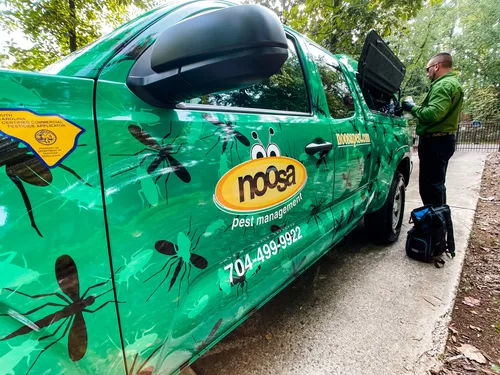
Noosa Pest Management LLC
6916 Rea Croft Dr, Charlotte, NC 28226
Noosa Pest Management LLC is a locally owned pest control company serving Charlotte, NC. They provide a range of residential and commercial pest management services including bed bug treatment, ant and rodent control, termite inspections, mosquito control, bee and wasp removal, bird and wildlife control, and crawl space encapsulation. Their approach emphasizes environmentally friendly and botanical pest control solutions, integrating natural treatments and comprehensive inspections to address pest issues effectively. Noosa Pest Management also offers specialized termite control and uses heat treatment for bed bugs. They participate in the EPA's Pesticide Environmental Stewardship Program and focus on minimizing chemical use. The company is known for its thorough inspections, customized treatment plans, and ongoing maintenance visits. Noosa Pest Management is family-operated and prioritizes eco-conscious methods while covering a wide range of pests common in the Charlotte area.

Kind Pest Control
6516 Old Wake Forest Rd, Raleigh, NC 27616
Kind Pest Control offers environmentally responsible pest control services in Raleigh, NC, and surrounding communities. They handle a variety of pests including cockroaches, ants, rodents, termites, and stinging insects for both residential and commercial properties. Their approach emphasizes eco-friendly methods that are safe for pets and children, using EPA-registered products. Kind Pest Control serves the broader Triangle area, including Durham, Cary, and Wake Forest. They provide a 100% satisfaction guarantee with re-treatment if pests return between visits and offer a two-year price lock guarantee. The company also supports environmental sustainability by planting a tree for every service provided.

Kind Pest Control
205 W Main St #212, Carrboro, NC 27510
Kind Pest Control provides environmentally responsible pest control services in Durham, NC, and the surrounding Triangle area. They handle a variety of pests including ants, cockroaches, rodents, spiders, stinging insects, and termites using EPA-registered products that are safe for pets and children. The company offers both residential and commercial pest control with a focus on eco-friendly solutions. Kind Pest Control also supports reforestation by planting a tree for every service provided. They back their work with a 100% satisfaction guarantee and a 2-year price lock guarantee.
Kil Mor Pest Management
1516 Camden Ave, Durham, NC 27704
Kil Mor Pest Management is a pest control company serving Raleigh, NC, with over 40 years of experience. They provide environmentally responsible pest management solutions for both homes and businesses, focusing on preventing infestations and protecting health from pests that cause allergens, disease, and economic damage.
Understanding North Carolina's Regulatory Framework
All commercial pest control activities in North Carolina are regulated by the North Carolina Department of Agriculture & Consumer Services (NCDA&CS), Structural Pest Control and Pesticides Division. State statutes, including Chapter 106 Article 4C and Chapter 143 Article 52, establish the legal requirements for licensing, pesticide use, and business operations1 2. Compliance with these regulations is non-negotiable for any provider.
- Licensing is Mandatory: Any business or individual applying pesticides for hire must hold the appropriate licenses from the NCDA&CS 3. This ensures applicators have passed exams demonstrating knowledge of safe pesticide handling, laws, and pest biology.
- Emphasis on Integrated Pest Management (IPM): Resources from institutions like North Carolina State University (NCSU) strongly advocate for IPM. This science-based approach prioritizes non-chemical methods and uses pesticides only as a targeted last resort, aligning with both effective pest management and regulatory expectations for reduced risk.
Common Pests in North Carolina Commercial Settings
The warm, humid climate of North Carolina supports a variety of pests that can infiltrate commercial buildings. A professional service will be experienced in managing these specific threats:
- Insects: Cockroaches (a major health code concern), ants (including invasive fire ants), flies, termites (which cause structural damage), and bed bugs are frequent offenders.
- Rodents: Mice and rats seek food and shelter, contaminating products, damaging wiring, and spreading disease.
- Occasional Invaders: This category includes wasps, millipedes, crickets, and other pests that may enter buildings seasonally or under certain conditions4.
Identifying the specific pest is the first step in any effective control program, as treatment strategies differ significantly.
The Professional Inspection & Treatment Process
A reputable commercial pest management provider follows a systematic, documented process. This isn't a one-time spray but an ongoing partnership.
1. Comprehensive Inspection
The process begins with a thorough site assessment. A technician will inspect the interior and exterior to identify active pest issues, potential entry points, harborage areas, and conditions that attract pests, such as moisture problems or sanitation gaps.
2. Monitoring & Identification
Sticky traps, pheromone monitors, and other devices are often placed to track the type and level of pest activity over time, providing data to guide decisions.
3. Non-Chemical Control Measures (The Core of IPM)
Before any chemical application, a professional will recommend and often assist with corrective actions:
- Sanitation: Advising on waste management, spill cleanup, and food storage to remove pest attractants.
- Exclusion: Sealing cracks, crevices, gaps around pipes, and installing door sweeps to physically block pest entry5.
- Habitat Modification: Trimming vegetation away from buildings, fixing leaks, and improving drainage to eliminate conducive conditions.
4. Targeted Treatment
When pest activity exceeds a predetermined threshold, targeted treatments are applied. IPM principles dictate using the least-toxic effective method, such as bait stations, crack-and-crevice applications, or spot treatments, avoiding broad-scale preventative spraying 6.
5. Documentation & Reporting
Maintaining detailed service reports, maps of monitoring devices, and records of any pesticide applications is crucial. This documentation is vital for passing health inspections, demonstrating due diligence, and tracking the program's effectiveness over time.
Find the perfect commercial pest control companies for your needs
Get personalized recommendations and expert advice
Understanding Service Contracts and Pricing
Commercial pest control is typically provided under a recurring service contract. This ensures regular monitoring, preventative maintenance, and rapid response if issues arise.
- Pricing Structure: Costs are not one-size-fits-all. Annual contract prices in North Carolina can range from $300 to over $1,600, depending on several key factors7.
- Service Frequency: Contracts may offer monthly, quarterly, or bi-annual service visits. Higher-frequency plans generally cost more but provide closer oversight.
- Key Cost Factors:
- Size & Type of Facility: A large warehouse or a restaurant has different needs and risks than a small office.
- Pest Pressure: Locations with high existing activity or in areas prone to specific pests (like termites) may require more intensive plans.
- Business Type: Food-handling establishments face stricter standards and often need more comprehensive service.
- Example Plan: Some providers offer plans starting around $42 per month (plus potential initial service fees) for a baseline program involving several treatments per year8.
Always request detailed quotes that outline exactly what services, frequencies, and guarantees are included.
Selecting a Commercial Pest Control Provider in North Carolina
Choosing the right partner is critical. Here are key questions to ask:
- Can you provide your NCDA&CS business and applicator license numbers? Verify their active status with the state9 10.
- What is your experience with my specific type of business (e.g., restaurant, healthcare, manufacturing)?
- Do you follow Integrated Pest Management (IPM) principles? Ask for examples of non-chemical strategies they implement11 12.
- What does your service contract include? Get specifics on inspection frequency, monitoring, reporting, and emergency response policies.
- Can you provide references from similar commercial clients?
- What documentation will I receive after each service visit?
A trustworthy provider will be transparent, emphasize prevention, and tailor their approach to your unique operational needs and compliance requirements.
The Importance of Compliance and a Proactive Approach
For property managers and business owners, a professional pest management program is a key risk mitigation tool. It helps prevent:
- Health Code Violations: Pest sightings can lead to fines, temporary closure, or a failed inspection.
- Property Damage: Termites and rodents can cause significant structural and inventory loss.
- Reputational Harm: A single online review mentioning pests can damage customer trust.
- Legal Liability: Inadequate pest management could potentially lead to liability issues.
Investing in a qualified, licensed professional service is not just an expense; it's an essential part of responsible business management in North Carolina 13.
Frequently asked questions
Sources
Footnotes
-
NC General Statutes - Chapter 106 Article 4C - https://www.ncleg.gov/EnactedLegislation/Statutes/PDF/ByArticle/Chapter_106/Article_4C.pdf ↩
-
NC General Statutes - Chapter 143 Article 52 - https://www.ncleg.gov/EnactedLegislation/Statutes/PDF/ByArticle/Chapter_143/Article_52.pdf ↩
-
Pesticide Applicator Certification and Licensing: Updated with 2025 ... - https://content.ces.ncsu.edu/pesticide-applicator-certification-and-licensing ↩
-
NE North Carolina Commercial Pest Control - https://obxpest.com/services/commerical/ ↩
-
Commercial Pest Control: Insect & Wildlife Management - https://www.a-1pc.com/services/commercial-services ↩
-
Types of Pest Control Services: 5 Key Areas Explained - https://www.fieldroutes.com/blog/types-of-pest-control-services ↩
-
Commercial Pest Control - Raleigh - https://www.pestandtermiteconsultants.com/commercial-pest-control ↩
-
How Much Does Pest Control Cost in North Carolina - https://www.terminix-triad.com/our-blog/how-much-does-pest-control-cost-north-carolina/ ↩
-
Structural Pest Control and Pesticides - NC Department of Agriculture - https://www.ncagr.gov/divisions/structural-pest-control-and-pesticides/structural/licensing-and-certification ↩
-
Tips on Selecting Pest Control Services - https://content.ces.ncsu.edu/tips-on-selecting-pest-control-services ↩
-
Integrated Pest Management for North Carolina Schools and Child ... - https://schoolipm.ncsu.edu/files/2016/05/School-IPM-Manual-2012.pdf ↩
-
integrated pest management - for north carolina schools - Schal Lab - https://schal-lab.cals.ncsu.edu/wp-content/uploads/sites/80/2018/10/2003NalyanyaNCSchools.pdf ↩
-
The Commercial Property Manager's Guide to Pest Control ... - https://neusetermiteandpest.com/blog/the-commercial-property-managers-guide-to-pest-control-compliance ↩