Find the Best Commercial Pest Control Companies for Your Business
No obligation • Fast responses • Nationwide coverage

Why you can trust Pest Crews
Pest Crews is a leading U.S. resource for finding and evaluating residential and commercial pest control services. Our team researches providers, reviews treatment approaches, and organizes unbiased information to help you make informed decisions. Companies cannot pay to change our editorial content or influence how they appear.
Search providers near you
Top Commercial Pest Control Companies in Charlotte, North Carolina Ranked
For businesses in Charlotte, maintaining a pest-free environment is a critical component of operations, customer trust, and regulatory compliance. Commercial pest control is a specialized service designed to protect restaurants, offices, warehouses, and other facilities from infestations that can damage property, contaminate products, and harm your reputation. This resource helps you understand the local approach to commercial pest management, including the methods, common pests, and how to find a provider whose expertise matches your specific business needs.
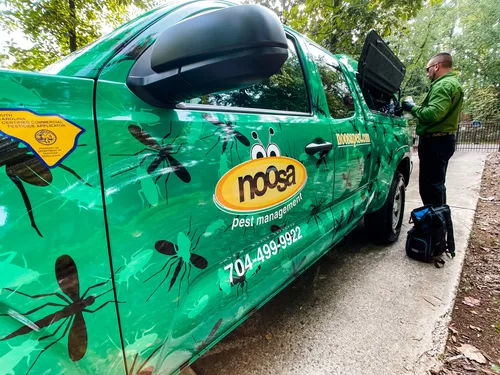
Noosa Pest Management LLC
6916 Rea Croft Dr, Charlotte, NC 28226
Noosa Pest Management LLC is a locally owned pest control company serving Charlotte, NC. They provide a range of residential and commercial pest management services including bed bug treatment, ant and rodent control, termite inspections, mosquito control, bee and wasp removal, bird and wildlife control, and crawl space encapsulation. Their approach emphasizes environmentally friendly and botanical pest control solutions, integrating natural treatments and comprehensive inspections to address pest issues effectively. Noosa Pest Management also offers specialized termite control and uses heat treatment for bed bugs. They participate in the EPA's Pesticide Environmental Stewardship Program and focus on minimizing chemical use. The company is known for its thorough inspections, customized treatment plans, and ongoing maintenance visits. Noosa Pest Management is family-operated and prioritizes eco-conscious methods while covering a wide range of pests common in the Charlotte area.
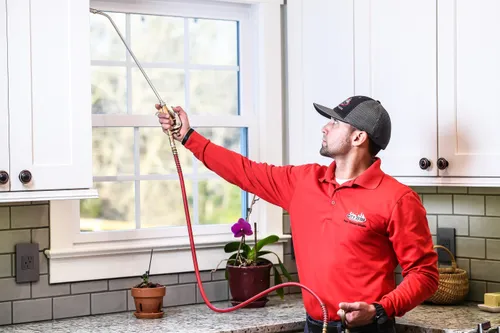
City Wide Exterminating
140 Cabarrus Ave W STE 1, Concord, NC 28025
City Wide Exterminating is a family-owned pest control company serving Charlotte, NC, and surrounding areas. They offer a wide range of pest management services including bed bug treatment, termite inspections, rodent and wildlife removal, mosquito control, and commercial pest control. Founded in 2000, the company emphasizes environmentally responsible and pet-friendly solutions to protect homes and businesses. Their technicians provide tailored pest inspections and treatments, with a focus on long-term prevention. City Wide Exterminating also offers service guarantees and works to accommodate customers' schedules.
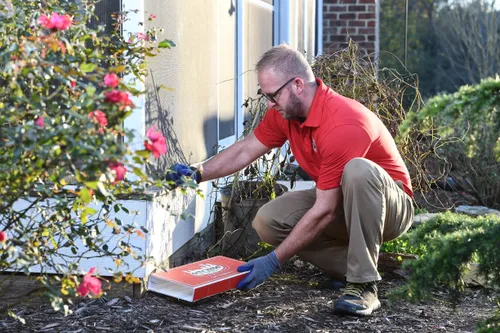
City Wide Exterminating
6025 Blakeney Park Dr #202, Charlotte, NC 28277
City Wide Exterminating is a family-owned pest control company serving Charlotte, NC, and surrounding areas including Concord, Mooresville, and Locust. Established in 2000, they offer comprehensive pest management services for residential and commercial properties. Their services include treatment and removal of bed bugs, ants, cockroaches, rodents, termites, mosquitoes, and wildlife. City Wide Exterminating provides tailored pest inspections and ongoing maintenance plans to help keep properties pest-free. They emphasize environmentally responsible and pet-friendly solutions and offer a service guarantee with additional treatments included on annual plans.
Go-Forth Pest Control
1974 Carolina Pl Ste 120, Fort Mill, SC 29708
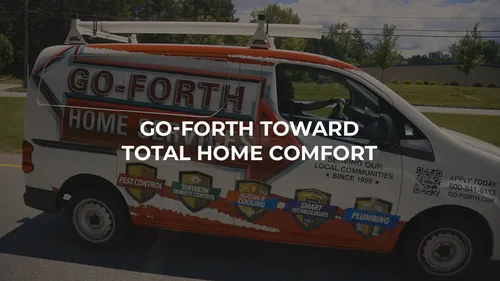
Go-Forth Pest Control is a pest management company based in Charlotte, NC, serving the Fort Mill area and nearby towns. They provide a wide range of pest control services including ant, cockroach, flea, mosquito, rodent, bed bug, termite, bee, wasp, and wildlife removal. The company uses pet- and kid-friendly products and applies the latest pest management technologies to protect homes and businesses. Established in 1959, Go-Forth Pest Control has decades of experience and offers same-day service to address pest issues promptly.
At Ease Pest Solutions, LLC
694 S Main St, Troutman, NC 28166
At Ease Pest Solutions, LLC is a veteran-owned pest control company serving Charlotte, NC. They offer a range of residential and commercial pest control services including bed bug treatment, ant and rodent control, termite inspection and extermination, mosquito control, and bee and wasp removal. Their approach focuses on exterior pest control methods to create a barrier around properties, minimizing the need for interior pesticide use. The company also provides specialized treatments for pests like termites and bed bugs, and offers service plans that cover multiple pest types with satisfaction guarantees.
What is Commercial Pest Management?
Unlike standard residential services, commercial pest control in Charlotte involves comprehensive, customized plans that address the unique vulnerabilities and scale of a business property. The primary goal is proactive prevention and management, not just reactive extermination. This is achieved through a philosophy known as Integrated Pest Management (IPM), which prioritizes long-term solutions by combining multiple strategies. For a Charlotte business, this means a service provider acts as a partner in safeguarding your assets, employees, and customers from the threats posed by common urban pests.
The core of this service is its tailored nature. A plan for a downtown high-rise office will look vastly different from one for a food processing plant in Steele Creek or a retail store in SouthPark. Providers develop these custom IPM plans based on a thorough initial inspection, which identifies risk factors like entry points, sanitation concerns, and signs of existing pest activity.
The Commercial Pest Control Process in Charlotte
Local providers follow a structured, multi-phase process to ensure effective and lasting results. This systematic approach is what distinguishes professional commercial pest management from one-off treatments.
1. Initial Consultation & Inspection
The process begins with a detailed discussion of your concerns and a review of any past pest issues. A certified technician then conducts a thorough inspection of your property, inside and out. They look for evidence of pests, identify potential entry points (cracks, gaps, utility lines), assess sanitation and moisture conditions, and evaluate structural vulnerabilities. This inspection forms the foundation for your entire customized plan.
2. Custom Integrated Pest Management (IPM) Plan Development
Based on the inspection findings, your provider develops a written IPM plan. This plan outlines the specific strategies to be employed, emphasizing prevention first and chemical intervention only as a targeted last resort. The plan will detail the methods, treatment schedules, and monitoring protocols tailored to your facility's specific needs and the pests of concern.
3. Treatment & Implementation Methods
Charlotte commercial exterminators utilize a hierarchy of control methods, often in combination:
- Sanitation & Exclusion: This is the first line of defense. It involves recommending improvements to cleanliness, waste management, and moisture control. Technicians will also seal cracks, install door sweeps, and repair screens to physically block pests from entering.
- Physical & Mechanical Controls: This includes the use of traps, monitors, and bait stations for pests like rodents and insects. These tools are crucial for both control and for monitoring pest population levels 1 2.
- Chemical Controls: When necessary, pesticides are used judiciously and strategically. Instead of broad spraying, treatments are targeted to specific areas where pests are active, minimizing exposure and environmental impact while maximizing effectiveness 3.
4. Ongoing Monitoring & Maintenance
The final, ongoing phase is what makes commercial service a contract-based partnership. Your provider will schedule regular follow-up visits-whether weekly, monthly, or quarterly-to inspect monitors, refresh bait stations, perform preventative treatments, and document activity. This continuous monitoring ensures new issues are caught early and the IPM plan remains effective over time.
Find the perfect commercial pest control companies for your needs
Get personalized recommendations and expert advice
Common Pests in Charlotte Businesses
The humid subtropical climate of Charlotte creates an ideal environment for a variety of pests that can invade commercial spaces. A reputable local pest management company will have specific expertise in dealing with these common threats:
- Cockroaches: A severe health code violation, especially for restaurants and food-handling facilities. They contaminate surfaces and products and are notoriously difficult to eradicate without a professional, sustained plan.
- Rodents (Mice & Rats): These pests gnaw on wires (a fire hazard), contaminate inventory with droppings, and can damage structural elements. They require ongoing exclusion and monitoring efforts.
- Termites: Particularly subterranean termites pose a silent but significant structural threat to commercial properties. Specialized inspections and treatment plans, such as soil treatments or baiting systems, are essential for protection.
- Ants: Including odorous house ants and pavement ants, which can invade offices and kitchens, contaminating food and becoming a persistent nuisance.
- Spiders: While most are harmless, their presence and webs can alarm customers and employees. Control often focuses on eliminating their insect prey sources.
- Stored Product Pests: These insects (e.g., beetles, moths) infest dry goods in warehouses, grocery stores, and food manufacturing plants, leading to significant product loss 4.
Understanding Service Contracts and Pricing
Commercial pest control in Charlotte is typically structured as a service contract, not a one-time fee. This reflects the ongoing, preventative nature of the work. Pricing is highly variable and customized, as it depends on several key factors:
- Business Size & Type: The square footage of your facility and its use (e.g., restaurant, medical office, warehouse) are primary cost drivers.
- Pest Type & Severity: Dealing with a routine ant problem costs less than eradicating a widespread rodent infestation or installing a termite protection system 5.
- Service Frequency: Contracts can range from weekly visits for high-risk environments (like food service) to quarterly visits for low-risk office spaces.
- Contract Length: Providers may offer monthly, quarterly, or annual agreement options.
Given these variables, it's difficult to state fixed rates. Initial setup or heavy corrective treatments can run into the hundreds of dollars. Ongoing monthly contracts for a small office might start in the $100-$300+ range, while comprehensive annual agreements for large facilities are customized and quoted individually 6 7. The most accurate way to understand cost is to request inspections and quotes from several local providers.
Key Benefits for Charlotte Businesses
Investing in a professional commercial pest management program delivers tangible returns that go beyond simply killing bugs:
- Regulatory Compliance: For industries like food service, healthcare, and hospitality, adhering to strict health department codes is non-negotiable. A documented IPM program is often required and helps you pass inspections with confidence.
- Protection of Reputation and Trust: A single sighting of a pest by a customer or client can irreparably damage your brand's image. Proactive control prevents these incidents and protects the trust you've built.
- Focused Prevention: The IPM approach saves money and hassle in the long run by addressing the root causes of infestations-like entry points and attractants-rather than just repeatedly treating the symptoms 8 9.
- Asset Protection: From preventing termite damage to stopping rodents from chewing through electrical systems, professional pest control safeguards your physical property and inventory from costly destruction.
Frequently asked questions
Sources
Footnotes
-
Unit 1: Principles of Pest Control - CTAHR.hawaii.edu - https://cms.ctahr.hawaii.edu/epp/Education/Study-Guide-Packets/APC-Core/APC-Unit1 ↩
-
Pest control - Wikipedia - https://en.wikipedia.org/wiki/Pest_control ↩
-
9211 Integrated Pest Management Policy - Wilkes County Schools - https://www.wilkescountyschools.org/apps/pages/index.jsp?uREC_ID=1030055&type=d&pREC_ID=1333780 ↩
-
Commercial Pest Control Services Charlotte, NC - https://noosapest.com/commercial-pest-control-charlotte/ ↩
-
Termite Control | Termite Inspection & Treatment in Charlotte NC - https://noosapest.com/termite-control-charlotte/ ↩
-
Commercial Pest & Wildlife Control Services in Charlotte, NC - https://www.thepestcontrolauthority.com/commercial-pest-control/ ↩
-
Charlotte Commercial Pest Control: Essential Facilities ... - Shyft - https://www.myshyft.com/blog/commercial-pest-control-service-contracts-charlotte-north-carolina/ ↩
-
Integrated Pest Management (IPM) Principles | US EPA - https://www.epa.gov/safepestcontrol/integrated-pest-management-ipm-principles ↩
-
3 Principles of Integrated Pest Management (IPM) | Aberdeen, NC - https://www.naturesselect.com/blog/3-principles-of-integrated-pest-management-ipm/ ↩