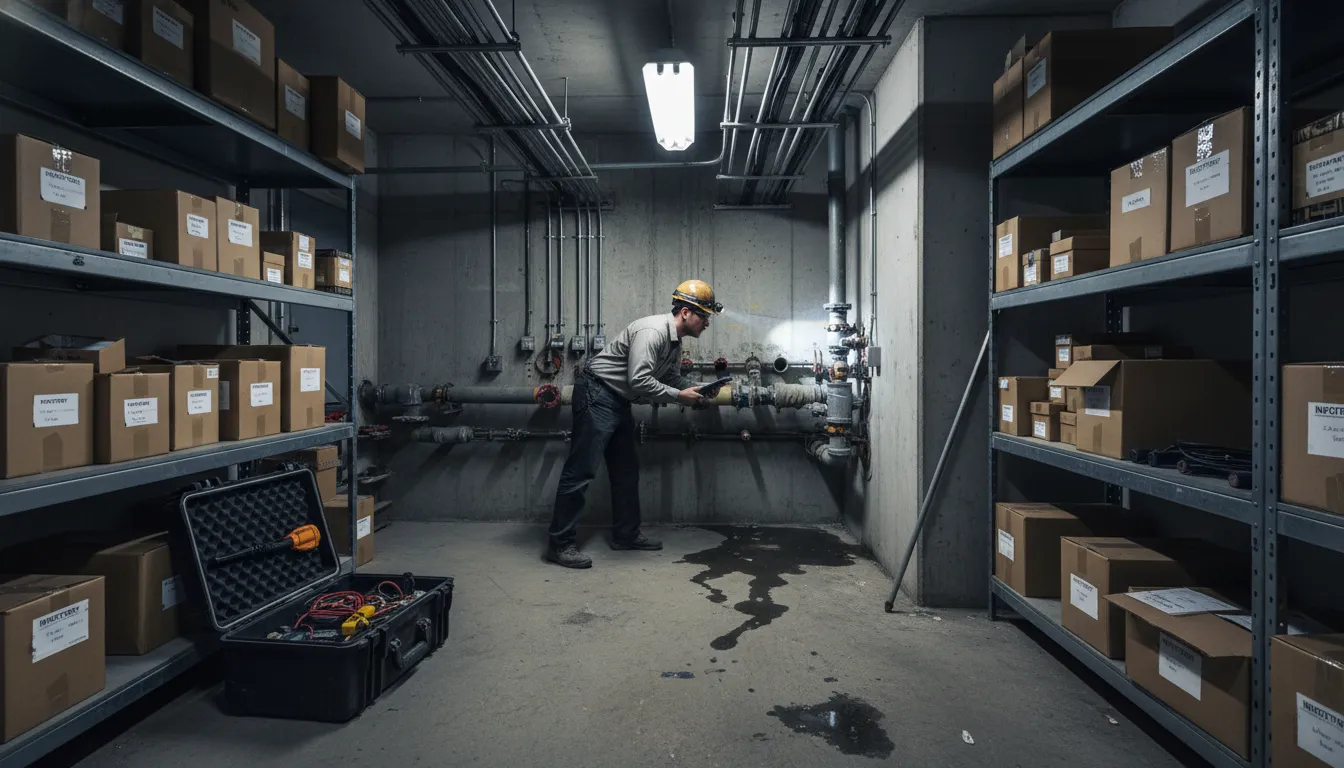
Find the Best Commercial Pest Control Companies for Your Business
No obligation • Fast responses • Nationwide coverage

Why you can trust Pest Crews
Pest Crews is a leading U.S. resource for finding and evaluating residential and commercial pest control services. Our team researches providers, reviews treatment approaches, and organizes unbiased information to help you make informed decisions. Companies cannot pay to change our editorial content or influence how they appear.
Search providers near you
Top Commercial Pest Control Companies in Fayetteville, North Carolina Ranked
For any business in Fayetteville, from bustling restaurants to quiet office parks, maintaining a pest-free environment is non-negotiable. It protects your reputation, ensures compliance with health codes, and safeguards your property and inventory. Commercial pest management is a specialized service designed for the unique challenges and scale of business properties. This guide explains the professional approach used by local experts, helping you understand what to expect and how to find the right service provider for your specific needs.

Go-Forth Pest Control
1722 Gillespie St, Fayetteville, NC 28306
Go-Forth Pest Control has been serving Fayetteville, NC since 1959, offering a range of pest control services for both residential and commercial properties. Their services include ant and rodent control, termite inspections, mosquito treatments, and bee and wasp removal. They use EPA-approved products and provide tailored pest management plans to address specific needs. With over six decades of experience, Go-Forth Pest Control emphasizes innovation and customer satisfaction. They also offer same-day service to address urgent pest issues promptly.

Mosquito Hunters of Fayetteville-Hope Mills-Raeford
Fayetteville, NC
Mosquito Hunters of Fayetteville-Hope Mills-Raeford provides mosquito control and pest management services in Fayetteville, NC. They specialize in barrier treatments that target mosquitoes and ticks, using both synthetic and all-natural products containing essential oils. The company also offers commercial pest control for locations such as golf courses, pools, and outdoor venues. Their approach focuses on treating the specific outdoor areas where mosquitoes rest and breed, aiming to protect yards and outdoor spaces effectively.
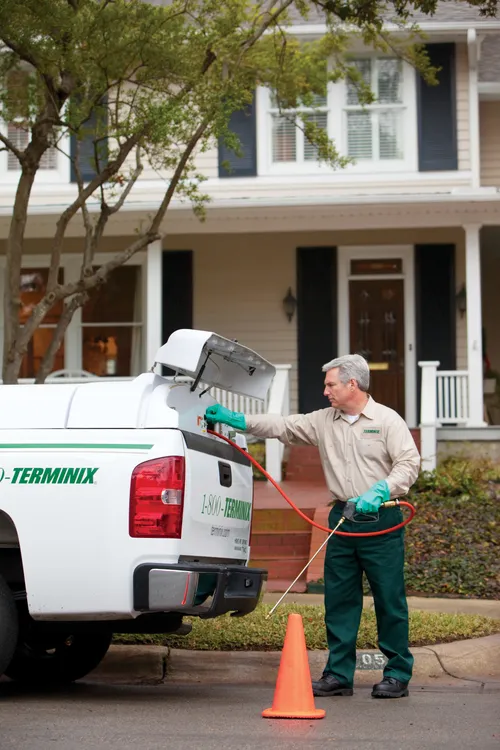
Terminix
509 W Russell St, Fayetteville, NC 28301
Terminix offers pest, termite, wildlife, and moisture control services in Fayetteville, NC. They provide solutions for common pests including bed bugs, cockroaches, ants, rodents, and termites, as well as moisture control to prevent wood decay and insect infestations. Terminix serves both residential and commercial clients and is known for implementing moisture control measures in crawl spaces and other environments in Eastern North Carolina. The company also provides regular service options such as quarterly, bi-monthly, and monthly visits.

Dodson Pest Control
425 Ann St, Fayetteville, NC 28301
Dodson Pest Control is a family-owned pest control company serving Fayetteville, NC, and nearby communities. With over 80 years of experience, they offer services including cockroach, ant, rodent, termite, and mosquito control for both residential and commercial properties. Their certified local technicians address common regional pests such as fire ants, termites, house centipedes, and rodents, providing targeted treatments to protect homes and businesses. Dodson Pest Control covers Fayetteville and surrounding areas like Hope Mills, Rockfish, and Spring Lake, focusing on pest management suited to the local climate and environment.

Clegg’s Termite & Pest Control - Clinton
205 Wall St, Clinton, NC 28328
Clegg's Termite & Pest Control - Clinton provides pest control services in Fayetteville, NC, and surrounding areas. They specialize in termite inspections, rodent control, bed bug treatment, mosquito control, and wildlife removal for both residential and commercial properties. With over 50 years of experience, the company uses advanced detection methods and customized treatment plans to address pest infestations effectively. Their expertise includes fumigation services for severe infestations, and they offer ongoing prevention plans to help maintain pest-free environments.
What is Commercial Pest Management?
Unlike one-off residential treatments, commercial pest control is a proactive, ongoing partnership. It's a systematic approach focused on prevention, monitoring, and long-term solutions tailored to your specific business operations. The goal is to manage pest populations at acceptable levels with minimal risk to people, property, and the environment. This is especially critical in sectors like food service, healthcare, hospitality, and warehousing, where pests can cause immediate health violations and significant financial loss.
In Fayetteville, professional pest management companies utilize a science-based strategy known as Integrated Pest Management (IPM). IPM is not just about spraying chemicals; it's a holistic process that combines multiple methods for effective, sustainable pest suppression.
The Core of Professional Service: Integrated Pest Management (IPM)
IPM is the industry standard for effective commercial pest management. It's a decision-making process that emphasizes pest prevention and uses the most economical and least hazardous methods to keep pest populations below damaging levels 1 2. The process is cyclical and involves several key steps:
- Inspection and Identification: Every effective program begins with a thorough assessment. A specialist will inspect your property inside and out, identifying not only active pests but also potential entry points, food sources, water leaks, and harborage areas that make your business attractive to pests.
- Prevention: This is the first line of defense. The pest management plan will include recommendations for cultural and physical controls, such as improving sanitation protocols, sealing cracks and gaps, installing door sweeps, and ensuring proper waste management.
- Monitoring: Ongoing vigilance is key. Technicians will place monitoring devices (like traps and bait stations) in strategic locations to track pest activity between service visits. This data-driven approach allows for targeted interventions.
- Control: When action is needed, control methods are chosen based on effectiveness and minimal risk. This often means using baits, traps, or targeted insecticide applications in specific areas rather than broad, preventative sprays 3 4. The choice of treatment is always tailored to the specific pest and the environment.
What to Expect from a Custom Commercial Plan
A one-size-fits-all approach doesn't work for businesses. A reputable Fayetteville provider will develop a custom plan based on your unique risk profile.
- For Restaurants & Food Processing: Expect a high-frequency service (often monthly) focusing on sanitation support, fly management, and rodent exclusion to meet stringent health code requirements.
- For Office Buildings & Retail: Plans may be quarterly or bi-monthly, emphasizing perimeter defense against ants and spiders, monitoring for occasional rodent activity, and protecting structural elements from pests like termites.
- For Warehouses & Manufacturing: Services focus on exterior rodent control, bird deterrents, and managing pests that hitchhike in on shipments, with an emphasis on non-chemical methods where possible.
Your plan should be a living document, adaptable based on seasonal changes, monitoring results, or alterations to your facility.
Common Pest Threats for Fayetteville Businesses
Understanding the local pest pressures helps in prevention. Key pests targeted by commercial pest control services in the area include:
- Rodents (Mice & Rats): They damage wiring, insulation, and inventory, and contaminate surfaces with droppings. Exclusion-sealing entry points-is a critical component of control 5.
- Cockroaches: A major health concern in any facility, especially those with food. They thrive in warm, moist environments and require intensive sanitation and targeted baiting programs.
- Ants: From odorous house ants to pavement ants, these insects can invade in large numbers, contaminating products and becoming a nuisance to customers and employees.
- Flies: Fruit flies, drain flies, and house flies are not just a nuisance; they are vectors for disease and a sign of sanitation issues that need addressing.
- Stored Product Pests: These beetles and moths can infest dry goods in pantries, stockrooms, and retail shelves, causing significant product loss.
- Termites: Subterranean termites are a constant threat to the structural wood of buildings in Arkansas. Commercial plans often include termite monitoring and protection services.
Find the perfect commercial pest control companies for your needs
Get personalized recommendations and expert advice
The Service Process: From First Visit to Ongoing Care
Engaging a professional service typically follows a clear process designed for transparency and effectiveness.
Initial Consultation and Inspection: This is a critical first step. A qualified technician will tour your facility, discuss your concerns and past issues, and identify conditions conducive to pests. They should provide a detailed report of their findings.
Proposal and Plan Development: Based on the inspection, the provider will present a written proposal. This should outline the specific pests targeted, the methods to be used (prioritizing IPM principles), the service frequency, and the pricing structure. There are no fixed rates in commercial pest management; the quote is custom 6.
Implementation: The initial service may involve correcting conducive conditions, installing exclusion devices, setting up monitoring stations, and applying any necessary targeted treatments. The technician should explain what they are doing and why.
Ongoing Service and Communication: Regular service visits involve checking monitors, refreshing bait stations, performing exterior treatments, and documenting all activity. You should receive a service report after each visit. Good communication is essential; your provider should be a partner in your pest prevention efforts 7.
Understanding Investment and Service Frequency
Pricing for commercial pest management in Fayetteville is not standardized. It varies based on several key factors 8 9 10:
- Size and Type of Facility: A small office will cost less than a large restaurant or distribution center.
- Level of Risk: A facility with strict health codes (like a restaurant) requires more intensive service.
- Type and Severity of Pests: An active infestation requires more initial work than a preventative program.
- Service Frequency: More frequent visits (monthly) cost more than less frequent ones (quarterly).
Most local companies offer free, detailed estimates 11. When comparing quotes, look beyond the bottom line. Evaluate the depth of the inspection, the clarity of the proposed IPM plan, the qualifications of the technicians, and the company's reputation for responsiveness and documentation.
Building a Pest-Resistant Business
Your partnership with a pest management professional is most effective when combined with good operational practices. Employees play a vital role in prevention.
- Maintain Scrupulous Sanitation: Clean spills immediately, store food in sealed containers, and manage garbage diligently.
- Practice Good Exclusion: Keep doors closed when not in use, repair damaged screens, and seal utility penetrations.
- Manage Landscaping: Keep vegetation trimmed back from the building foundation and ensure proper drainage away from the structure.
- Communicate: Train staff to report signs of pest activity (droppings, insects, gnaw marks) immediately to management.
Frequently asked questions
Sources
Footnotes
-
Integrated Pest Management (IPM) Principles | US EPA - https://www.epa.gov/safepestcontrol/integrated-pest-management-ipm-principles ↩
-
Integrated Pest Management - https://www.invasivespeciesinfo.gov/subject/integrated-pest-management ↩
-
Comprehensive Guide to Commercial Pest Services - - https://callbama.com/comprehensive-guide-to-commercial-pest-services/ ↩
-
Unit 1: Principles of Pest Control - CTAHR.hawaii.edu - https://cms.ctahr.hawaii.edu/epp/Education/Study-Guide-Packets/APC-Core/APC-Unit1 ↩
-
The Commercial Property Manager's Guide To Pest Prevention ... - https://abrakadabraenvironmental.com/commercial-property-managers-guide-pest-prevention-maintenance/ ↩
-
Commercial Pest Control - https://www.altapestcontrol.com/commercial-pest-control ↩
-
3 Principles of Integrated Pest Management (IPM) | Aberdeen, NC - https://www.naturesselect.com/blog/3-principles-of-integrated-pest-management-ipm/ ↩
-
Commercial Pest Control Services | Hopper Termite & Pest - https://hopperenvironmentalservices.com/commercial-pest-control-services/ ↩
-
Fayetteville Commercial Pest Control Services - https://www.naturalstatepestcontrol.com/our-services/commercial-pest-control/ ↩
-
Commercial Pest Control in Phoenix, AZ - https://www.oversonpestcontrol.com/commercial-pest-control/ ↩
-
THE BEST 10 Pest Control Trending in FAYETTEVILLE, AR - https://m.yelp.com/search?cflt=pest_control&find_loc=Fayetteville%2C+AR ↩