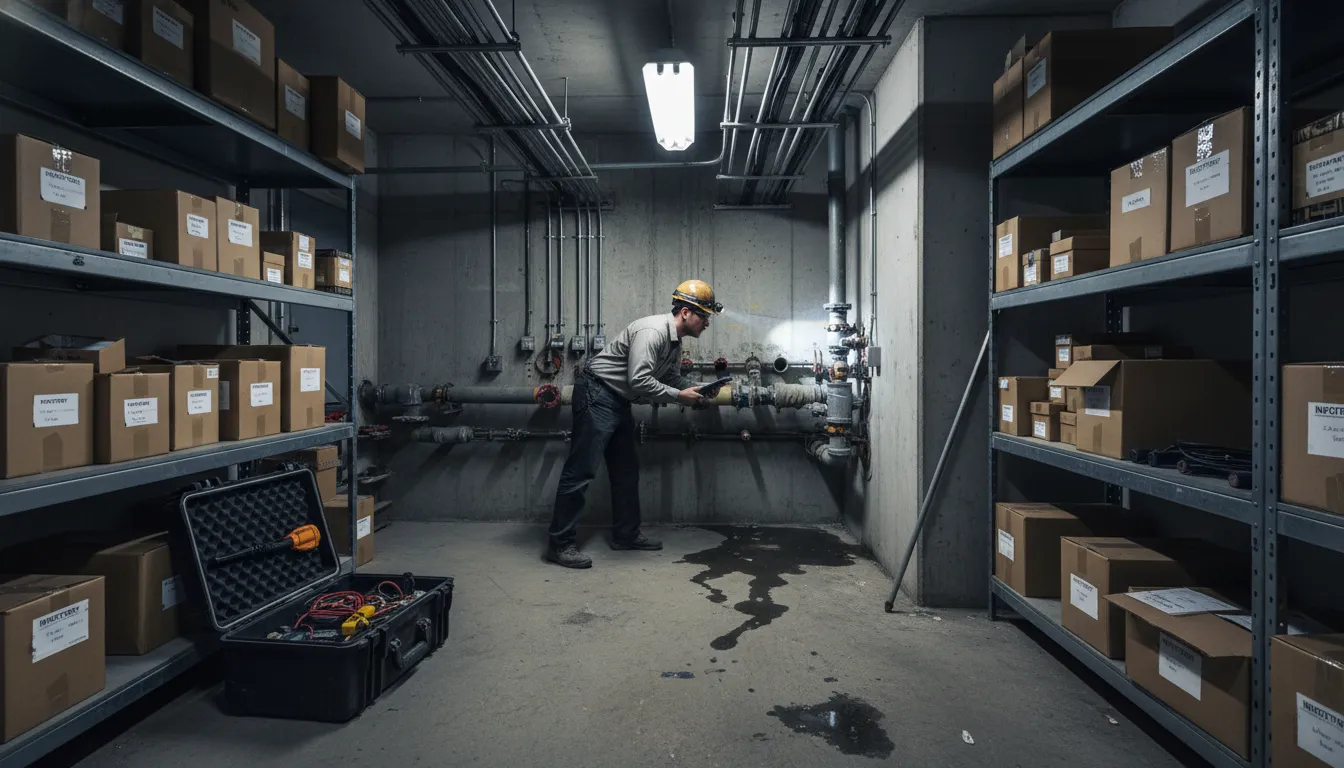
Find the Best Commercial Pest Control Companies for Your Business
No obligation • Fast responses • Nationwide coverage

Why you can trust Pest Crews
Pest Crews is a leading U.S. resource for finding and evaluating residential and commercial pest control services. Our team researches providers, reviews treatment approaches, and organizes unbiased information to help you make informed decisions. Companies cannot pay to change our editorial content or influence how they appear.
Search providers near you
Best Commercial Pest Control Companies in Texas Ranked
Managing pests in a commercial setting is a critical component of facility maintenance, public health, and regulatory compliance. A proactive pest management program protects your property, inventory, and reputation while ensuring you meet the strict standards enforced in Texas. This guide outlines what you need to know about commercial pest management services in the state, from understanding local regulations to implementing an effective control strategy, helping you connect with qualified professionals who can address your specific needs.
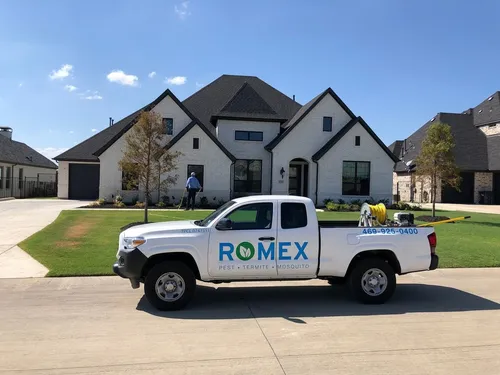
Romex Pest & Termite Control
1606 109th St Suite A, Grand Prairie, TX 75050
Romex Pest & Termite Control provides eco-friendly pest control services in Dallas, TX, serving both homes and businesses. Their offerings include treatment for bed bugs, rodents, termites, mosquitoes, and other common pests, using non-toxic methods that prioritize the safety of families and pets. The company employs advanced detection and treatment tools combined with integrated pest management strategies tailored to local needs. Romex Pest & Termite Control is licensed and insured across Texas and neighboring states, emphasizing environmentally responsible solutions.
Urbanex Pest Control
3450 Alemeda St ste 347, Fort Worth, TX 76126
Urbanex Pest Control is a veteran and family-owned company serving Fort Worth, TX, and several other U.S. cities since 2015. They offer pest and rodent control, termite inspection and treatment, mosquito control, and commercial pest management with family and pet-friendly plans tailored to each customer. Urbanex is known for thorough inspections and detailed treatments designed to keep homes and businesses pest-free.

Integrity Pest and Termite
9929 Montana Ave, El Paso, TX 79925
Integrity Pest and Termite is a licensed pest control company serving El Paso, TX, and surrounding areas including Alamogordo and Las Cruces, NM. They provide pest control services for residential and commercial properties, addressing issues like bed bugs, cockroaches, ants, rodents, termites, mosquitoes, bees, and wasps. The company offers personalized treatments using bait, liquid, and granular products tailored to each infestation. Integrity Pest and Termite is available 24/7 for emergency services and aims to maintain pest-free environments with ongoing maintenance plans.
Bryan & Bryan Inspections
825 Watters Creek Blvd Bldg M Ste 250, Allen, TX 75013
Bryan & Bryan Inspections is a pest control and termite inspection company serving Plano, TX, and surrounding areas. Established in 1994, the company provides comprehensive home and commercial inspection services, including pest and termite evaluations. Their inspectors use thermal imaging and offer detailed, easy-to-read reports with full-color images, delivered within 24 hours. Bryan & Bryan Inspections also provides termite protection plans as part of their service offerings.
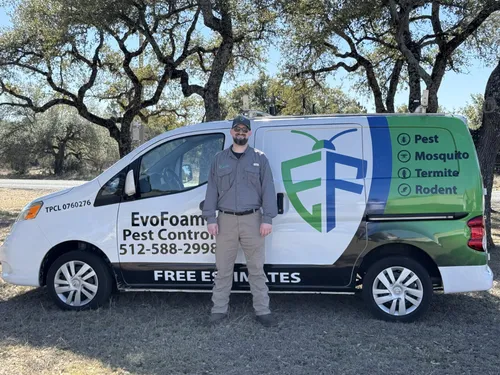
EvoFoam Pest Control
1971 Co Rd 262, Georgetown, TX 78633
EvoFoam Pest Control provides pest control services in Austin, TX, specializing in both residential and commercial pest management. They use patented Dynamic Foam Generation Technology to target pest breeding sites outdoors, offering an eco-friendly and efficient approach to pest elimination. Their treatments are customized to address specific pest problems such as ants and rodents, with a focus on safety for families and pets. The company emphasizes environmentally responsible solutions and ongoing support to prevent future infestations.
Understanding Texas Regulations for Pest Management
Commercial pest control in Texas operates under a well-defined regulatory framework designed to protect public health and ensure professional standards. The primary governing body is the Texas Department of Agriculture (TDA) Structural Pest Control Service (SPCS). This agency administers the Structural Pest Control Act, licensing all pest control businesses and individual applicators. Compliance isn't optional; it's a legal requirement for any provider you hire.
Key regulatory requirements include:
- Business Licensing: Every pest control company must hold a valid license from the TDA SPCS.
- Insurance: Licensed businesses are required to carry specific levels of liability insurance, often in the range of $500,000 to $1 million, to protect clients 1.
- Record-Keeping: Providers must maintain detailed records of all inspections, treatments, and pesticide applications, which you may need to present during health inspections.
- Enforcement: The SPCS conducts both routine and complaint-driven inspections to ensure compliance with state laws 2 3. Non-compliance can result in citations and required remediation for both the pest control company and the property owner or manager.
For businesses in the food service, hospitality, medical, and warehousing sectors, local health departments impose additional, often more stringent, requirements. These agencies demand documented proof of an active, effective pest management plan and can shut down operations for infestations that pose a health risk.
Common Commercial Pests in Texas
Texas's climate supports a wide array of pests that can infest commercial properties. An effective management plan starts with accurate identification.
- Insects: Cockroaches (including aggressive German roaches), ants (both nuisance and carpenter ants), and flies are pervasive. These pests contaminate products, spread pathogens, and damage a business's reputation.
- Rodents: Rats and mice are a top concern due to their ability to cause structural damage by gnawing on wires and insulation, contaminate food supplies, and spread serious diseases like hantavirus and salmonella.
- Wood Destroying Organisms: Subterranean termites pose a significant threat to the structural integrity of buildings, leading to costly repairs if not detected early 4.
- Other Pests: Spiders, birds, and occasional wildlife intrusions can also create problems, from unsightly webs and droppings to more serious health and safety hazards.
The Integrated Pest Management (IPM) Approach
Modern commercial pest control in Texas has moved beyond reactive spraying. The industry standard is Integrated Pest Management (IPM), a holistic, multi-step strategy focused on long-term prevention.
- Comprehensive Inspection: A qualified technician will conduct a thorough inspection of your property, inside and out. The goal is to identify active pest issues, locate potential entry points (cracks, gaps, utility lines), and pinpoint conditions that attract pests, such as moisture, food debris, and clutter.
- Customized IPM Plan: Based on the inspection, the provider develops a written plan tailored to your specific facility, pest pressures, and industry requirements. This plan is your roadmap for pest prevention.
- Sanitation and Exclusion: This is the cornerstone of IPM. The plan will include recommendations for you to implement, such as sealing cracks and crevices, installing door sweeps, improving waste management, and fixing leaks. By removing the food, water, and shelter pests seek, you address the root cause of infestations.
- Targeted Treatments: When necessary, treatments are applied strategically and with minimal environmental impact. This may include low-toxicity insecticidal dusts in wall voids, liquid residual barriers around the building's perimeter, and tamper-resistant bait stations for rodents and insects placed in key locations 5.
- Monitoring and Documentation: The use of monitoring devices like sticky traps and insect monitors allows for early detection of pest activity. Your service provider should supply detailed service reports after each visit, creating an essential paper trail for regulatory compliance.
- Recurring Service & Communication: Most commercial plans involve regular visits (e.g., monthly, bi-monthly) by a consistent technician. This ensures continuity, allows for ongoing monitoring, and fosters a partnership where issues can be addressed quickly.
Find the perfect commercial pest control companies for your needs
Get personalized recommendations and expert advice
Understanding Service Costs and Contracts
Investing in professional commercial pest control is a necessary operational cost. Pricing in Texas is not one-size-fits-all; it is customized based on a detailed assessment of your property and needs.
- Inspection Fees: Many providers offer a free initial inspection, though some may charge a fee typically ranging from $0 to $149, which is often waived if you sign a service contract.
- Recurring Service Plans: Ongoing maintenance is the most common model. For standard office or retail spaces, monthly costs often range from $50 to $200 or more 6. For facilities with higher risk or regulatory scrutiny-such as restaurants, food processing plants, medical facilities, and large warehouses-prices can be significantly higher due to the complexity and frequency of service required 7.
- Key Cost Factors:
- Property Size and Type: A small retail shop will cost less than a multi-building industrial complex.
- Pest Pressure and History: An active German cockroach infestation requires more intensive treatment than a preventative plan for occasional ants.
- Service Frequency: Weekly, bi-weekly, or monthly visits impact the total annual cost.
- Compliance Requirements: Businesses subject to health department audits (like restaurants) may need more extensive documentation and specific protocols.
- Add-on Services: Specialized treatments for termites, birds, or wildlife, or the installation of permanent rodent bait stations, will add to the overall cost.
When reviewing a service proposal, look for clarity on what is included: the number of visits, the scope of each service, response protocols for emergency issues, and the detail of the reporting provided.
Choosing a Service Provider in Texas
Selecting the right pest management partner is crucial. Here are essential criteria to consider:
- Verify TDA Licenses: Always ask for and verify the company's TDA SPCS business license number. Ensure the technicians servicing your account are also properly licensed 8.
- Request Proof of Insurance: Confirm the company carries general liability insurance and ask for a certificate of insurance naming your business as an additional insured, if required.
- Assess IPM Expertise: Choose a provider that emphasizes IPM principles-prevention, monitoring, and targeted intervention-over a calendar-based "spray-only" approach. Ask for a sample service report to see the level of detail they provide 9 10.
- Check Industry Experience: Inquire about their experience with businesses in your specific sector (e.g., healthcare, food service, property management). Familiarity with your industry's unique challenges and audit standards is a major advantage 11 12.
- Review the Contract Thoroughly: Understand the terms, including the duration, cancellation policy, what constitutes an "extra" service, and the provider's guaranteed response time for call-back requests between scheduled visits.
A reputable commercial pest control provider acts as an extension of your operations team, safeguarding your assets and ensuring your business remains compliant and pest-free.
Frequently asked questions
Sources
Footnotes
-
Structural Pest Control Business - https://texasagriculture.gov/Regulatory-Programs/Pesticides/Structural-Pest-Control-Service/Structural-Pest-Control-Business ↩
-
Agriculture and Consumer Protection Division Inspection and ... - https://texasagriculture.gov/Portals/0/Files/ACP/Inspection_and_Enforcement_Strategic_Plan_FY23.pdf?ver=jlxdtVaw2dWws6Qs_OKMwQ%3D%3D&ver=jlxdtVaw2dWws6Qs_OKMwQ%3D%3D ↩
-
Texas Department of Agriculture Agriculture and Consumer ... - https://texasagriculture.gov/Portals/0/Files/ACP/FY2024_Inspection_strategic_plan.pdf?ver=37PfSBqfvozy78zptR7l6w%3D%3D&ver=37PfSBqfvozy78zptR7l6w%3D%3D ↩
-
Effective Commercial Pest Management Strategies in Texas - https://killum.com/effective-commercial-pest-management-strategies-in-texas/ ↩
-
Commercial Pest Control in Dallas - All-Safe Pest & Termite - https://www.all-safe-pest.com/commercial-pest-control/ ↩
-
Commercial Pest Control Cost in Plano, TX - https://preferredpestmanagement.org/pest-control-plano-tx/how-much-does-commercial-pest-control-cost-in-plano-tx/ ↩
-
How to set commercial pest control prices that maximize ROI - https://gorilladesk.com/learn/how-to-set-commercial-pest-control-prices/ ↩
-
Structural Pest Control Licensing - Texas Department of Agriculture - https://texasagriculture.gov/Regulatory-Programs/Pesticides/Structural-Pest-Control-Service/Structural-Pest-Control-Licensing ↩
-
McAllen Commercial Pest Control: Facility Maintenance Essentials - https://www.myshyft.com/blog/commercial-pest-control-service-contracts-mcallen-texas/ ↩
-
Commercial Pest Control Service in Houston, TX - https://www.hartzpestcontrol.com/commercial/ ↩
-
The Commercial Property Manager's Guide to Pest Control ... - https://neusetermiteandpest.com/blog/the-commercial-property-managers-guide-to-pest-control-compliance ↩
-
Choosing the Best Commercial Pest Control Service - https://www.goldenruleptw.com/what-to-consider-when-choosing-a-commercial-pest-control-service ↩