Find the Best Commercial Pest Control Companies for Your Business
No obligation • Fast responses • Nationwide coverage

Why you can trust Pest Crews
Pest Crews is a leading U.S. resource for finding and evaluating residential and commercial pest control services. Our team researches providers, reviews treatment approaches, and organizes unbiased information to help you make informed decisions. Companies cannot pay to change our editorial content or influence how they appear.
Search providers near you
Top Commercial Pest Control Companies in San Antonio, Texas Ranked
For any business in San Antonio, from bustling restaurants to sprawling warehouses, a pest-free environment is non-negotiable. Commercial pest management is a specialized service designed to protect your property, inventory, and reputation from the threats posed by insects, rodents, and wildlife. This guide explains what professional business pest control entails, why a proactive approach is critical in South Texas, and how you can evaluate local service providers to find the right protection plan for your unique needs.

Urban Texas Pest Control
9450 Brushy Point St, San Antonio, TX 78250
Urban Texas Pest Control is a family-owned pest control company serving San Antonio, TX, and surrounding areas. With over 25 years of experience, they provide residential and commercial pest control services targeting a wide range of pests including ants, cockroaches, rodents, termites, bed bugs, and wasps. The company uses eco-friendly and advanced pest control methods to create safe, healthy environments while addressing local pest challenges. Their expertise includes comprehensive pest inspections and tailored treatments designed to prevent future infestations.
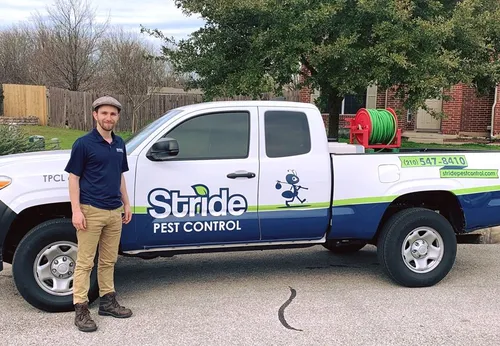
Stride Pest Control
3501 Pin Oak Dr #110, San Antonio, TX 78229
Stride Pest Control offers comprehensive pest control services in San Antonio, TX, addressing common local pests such as termites, bed bugs, fire ants, mosquitoes, scorpions, and ticks. They provide both residential and commercial pest management, including termite inspections and treatments, bed bug eradication, and mosquito control. The company uses EPA-approved pesticides and non-chemical methods like traps and exclusion techniques to ensure safe and effective pest elimination. Stride Pest Control serves San Antonio and surrounding areas, focusing on identifying the pest accurately before treatment to provide targeted solutions.
Anytime Pest Elimination San Antonio
8114 City Base Landing ste 116, San Antonio, TX 78235
Anytime Pest Elimination San Antonio provides comprehensive pest control services in San Antonio, TX. They handle a wide range of pest issues including bed bugs, cockroaches, ants, rodents, termites, mosquitoes, bees, wasps, birds, and wildlife. The company uses advanced pest control techniques and offers flexible one-time treatment options without requiring ongoing contracts. With over 30 years of experience, Anytime Pest Elimination has a strong local presence and deep knowledge of regional pest behavior. They also provide 24/7 availability with a round-the-clock answering service to assist clients day or night.
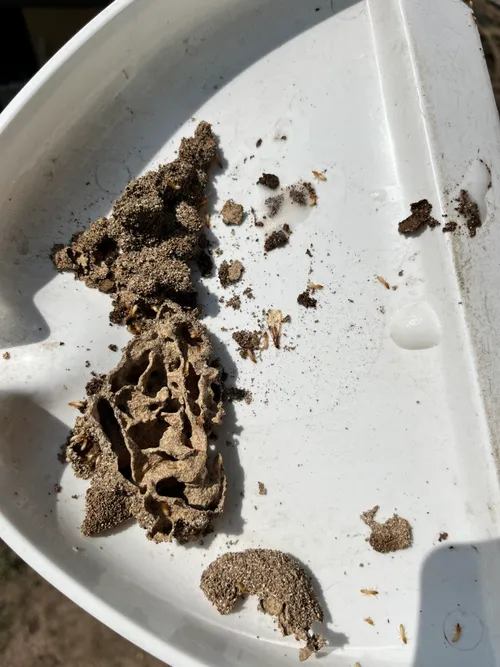
Deep Six Pest Control
1247 Watson Ln E, New Braunfels, TX 78130
Deep Six Pest Control is a family-owned pest control company serving San Antonio, TX, and surrounding areas including New Braunfels, San Marcos, and Austin. With over 20 years of experience, they offer a wide range of pest management services such as termite inspections, mosquito treatments, rodent and wildlife removal, and control of ants, bed bugs, roaches, spiders, bees, and more. They provide commercial and residential pest control solutions and specialize in termite prevention and wood-destroying insect (WDI) reports. Deep Six Pest Control often offers same-day service to address urgent pest issues promptly.
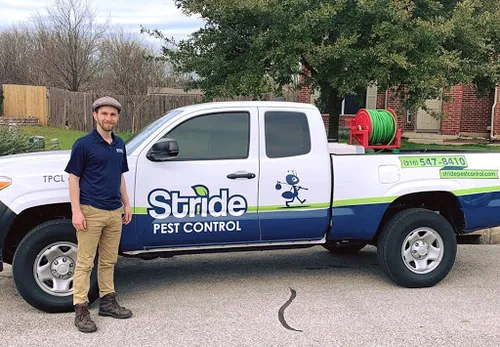
Stride Pest Control
14125 Mulch Ct, San Antonio, TX 78252
Stride Pest Control is a pest control company based in San Antonio, TX, offering comprehensive services to address a variety of pest issues common in the region. Their services include treatment for bed bugs, ants, rodents, termites, mosquitoes, scorpions, and ticks, with a focus on both residential and commercial properties. The company emphasizes safe and effective pest management solutions, including termite control and mosquito management, tailored to the local climate and pest challenges. Stride Pest Control serves San Antonio and surrounding areas such as Schertz, Timberwood Park, and Cibolo. They provide timely service within 24 hours of contact and utilize both chemical and non-chemical treatment methods to eliminate infestations and prevent recurrence.
What is Commercial Pest Control?
Commercial pest control, often called business pest management, is a systematic approach to preventing and eliminating pests in non-residential settings. Unlike one-off residential treatments, it's a sustained partnership focused on long-term prevention, regulatory compliance, and protecting your business assets. In San Antonio, this means dealing with common local invaders like cockroaches, rodents, ants, and scorpions with strategies tailored to specific industries such as food service, healthcare, hospitality, and manufacturing. The goal is to create an Integrated Pest Management (IPM) program that minimizes risks to health, safety, and property.
Core Components of a Professional Service Plan
A reputable commercial pest control provider in San Antonio doesn't just spray and leave. They implement a multi-step process centered on IPM principles 1.
1. Thorough Facility Assessment & Risk Evaluation
The process begins with a detailed inspection by a licensed technician. They will examine the interior and exterior of your property to identify active infestations, potential pest entry points, nesting sites, and conditions that attract pests, such as moisture issues or accessible food sources. This risk assessment is crucial for understanding the specific threats to your sanitation, employee health, and physical property.
2. Development of a Customized IPM Strategy
Based on the inspection findings, the provider will develop a tailored pest management plan. This plan outlines the specific pests targeted, the methods to be used, and the schedule for service. It's a blueprint for ongoing protection, not just a one-time fix.
3. Implementation of Multi-Faceted Control Methods
True IPM relies on a hierarchy of tactics, starting with the least risky interventions 2 3:
- Sanitation & Cultural Controls: Your provider will offer recommendations for improving cleanliness, reducing clutter, and managing waste to remove the food, water, and shelter pests seek.
- Exclusion: This involves physically sealing cracks, gaps around pipes, holes, and other structural entry points to block pests from getting inside in the first place.
- Monitoring: The use of traps, bait stations, and other monitoring devices is essential for tracking pest activity levels and identifying hot spots.
- Targeted Control: When necessary, targeted applications of baits, gels, dusts, or barrier sprays are used. These are applied strategically to minimize environmental impact and focus on specific pest populations.
4. Ongoing Monitoring, Reporting, & Plan Adjustment
A commercial plan is defined by its continuity. Regular scheduled visits allow technicians to check monitoring devices, refresh bait stations, and document activity. This ongoing vigilance allows for adjustments to the treatment plan based on seasonal pest pressure or changes within your facility, ensuring the program remains effective and compliant with any industry regulations.
Find the perfect commercial pest control companies for your needs
Get personalized recommendations and expert advice
Common Service Structures for San Antonio Businesses
Providers typically offer flexible service options to match different business needs and budgets.
- One-Time or Emergency Service: Designed for addressing an immediate, active infestation. This is a reactive solution for a critical problem but does not provide ongoing prevention.
- Recurring Maintenance Plans: The cornerstone of commercial pest management. These plans involve monthly, bi-monthly, or quarterly visits for continuous monitoring and prevention. They are ideal for maintaining compliance, protecting your brand, and ensuring year-round peace of mind 4.
- Specialized Treatments: Many companies offer expertise in handling specific pests prevalent in San Antonio, such as scorpion control, rodent exclusion, or cockroach eradication. They may also have programs designed for the unique demands of industries like food processing or healthcare.
Understanding Investment and Cost Factors
The cost of commercial pest control in San Antonio is not one-size-fits-all. It is personalized based on a detailed assessment of your facility. Key factors that influence pricing include 5 6 7:
- Business Type & Size: A small office has different needs and risks than a large restaurant or a manufacturing plant. Square footage is a major cost driver.
- Level of Pest Pressure: The severity of an existing infestation or the historical pest activity at the location.
- Service Frequency: Monthly plans will have a different cost structure than quarterly visits.
- Scope of Service: A plan that includes exclusion work, wildlife removal, or specialized treatments will differ from a standard general pest program.
A typical pricing structure often involves an initial inspection or setup fee, followed by recurring charges for the maintenance plan. Most reputable companies in San Antonio offer free, detailed estimates to provide clarity on the investment required for your specific situation 8 9.
The Critical Importance for San Antonio Businesses
Neglecting professional pest management carries significant risks. Pests can contaminate products, damage structures and inventory, trigger health code violations, and harm your business's reputation with customers and employees. A proactive commercial pest control program is an operational essential-it safeguards your bottom line, ensures a healthy workplace, and provides the documentation needed for health inspections and audits.
Frequently asked questions
Sources
Footnotes
-
Integrated Pest Management (IPM): A Sustainable Approach to Pest ... - https://hgic.clemson.edu/factsheet/iintegrated-pest-management-ipm-a-sustainable-approach-to-pest-management/ ↩
-
Integrated Pest Management (IPM) Principles | US EPA - https://www.epa.gov/safepestcontrol/integrated-pest-management-ipm-principles ↩
-
Non-Chemical & Integrated Pest Management - https://ndep.nv.gov/uploads/water-bmp-docs/Non_Chemical_Pest_Management_.pdf ↩
-
Commercial Pest Control in San Antonio - https://www.familypestcontrol.com/pest-control/commercial-pest-control/ ↩
-
Commercial Pest Control in San Antonio | LONESTAR - https://lonestarpestsolutions.com/commercial/ ↩
-
San Antonio Commercial Pest Control - https://www.wittenpestcontrol.com/commercial-pest-control/ ↩
-
Ensure A Healthy Workplace With Commercial Pest Control - https://bugandtermitecontrol.com/bug-blog/how-does-commercial-pest-control-maintain-a-healthy-workplace/ ↩
-
How Much Does Pest Control Cost? 2025 Service Price Guide - https://bettertermite.com/how-much-does-pest-control-cost/ ↩
-
Pest Control Price - https://mygreenhousepro.com/pest-control-price/ ↩