Find the Best Commercial Pest Control Companies for Your Business
No obligation • Fast responses • Nationwide coverage
Why you can trust Pest Crews
Pest Crews is a leading U.S. resource for finding and evaluating residential and commercial pest control services. Our team researches providers, reviews treatment approaches, and organizes unbiased information to help you make informed decisions. Companies cannot pay to change our editorial content or influence how they appear.
Search providers near you
Top Commercial Pest Control Companies in Irving, Texas Ranked
For businesses in Irving, a proactive pest management strategy is a critical component of operational integrity, customer safety, and regulatory compliance. Commercial pest control, or business pest management, goes beyond simple extermination to implement a systematic, preventative approach tailored to the unique risks of your industry. This guide explains the process, methods, and considerations for securing professional pest management services in Irving, helping you protect your reputation and bottom line.
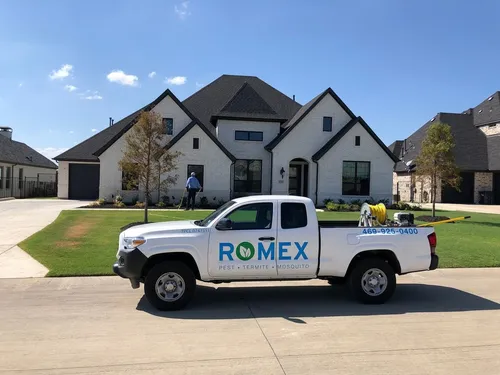
Romex Pest & Termite Control
1606 109th St Suite A, Grand Prairie, TX 75050
Romex Pest & Termite Control provides eco-friendly pest control services in Dallas, TX, serving both homes and businesses. Their offerings include treatment for bed bugs, rodents, termites, mosquitoes, and other common pests, using non-toxic methods that prioritize the safety of families and pets. The company employs advanced detection and treatment tools combined with integrated pest management strategies tailored to local needs. Romex Pest & Termite Control is licensed and insured across Texas and neighboring states, emphasizing environmentally responsible solutions.
Bryan & Bryan Inspections
825 Watters Creek Blvd Bldg M Ste 250, Allen, TX 75013
Bryan & Bryan Inspections is a pest control and termite inspection company serving Plano, TX, and surrounding areas. Established in 1994, the company provides comprehensive home and commercial inspection services, including pest and termite evaluations. Their inspectors use thermal imaging and offer detailed, easy-to-read reports with full-color images, delivered within 24 hours. Bryan & Bryan Inspections also provides termite protection plans as part of their service offerings.
Buzz Kill Pest Control
8200 Northeast Pkwy #116, North Richland Hills, TX 76182
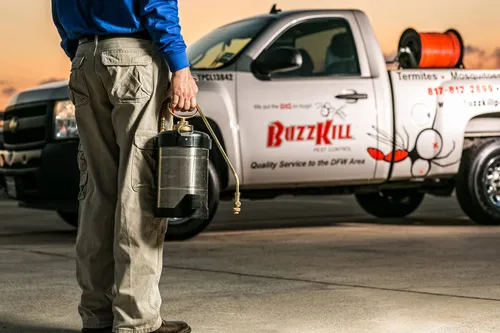
Buzz Kill Pest Control is a locally owned company based in Dallas, TX, specializing in residential and commercial pest control services. They provide comprehensive solutions for a variety of pests including ants, termites, bed bugs, roaches, spiders, rodents, mosquitoes, and wasps. Their termite services include pre-construction soil treatments and in-ground baiting systems to protect new and existing buildings. With over 30 years of experience serving the Dallas-Fort Worth metroplex, Buzz Kill offers tailored integrated pest management plans using low-impact chemicals to ensure safety for families, pets, and workers.
All-Safe Pest & Termite
2301 Ohio Dr #221, Plano, TX 75093
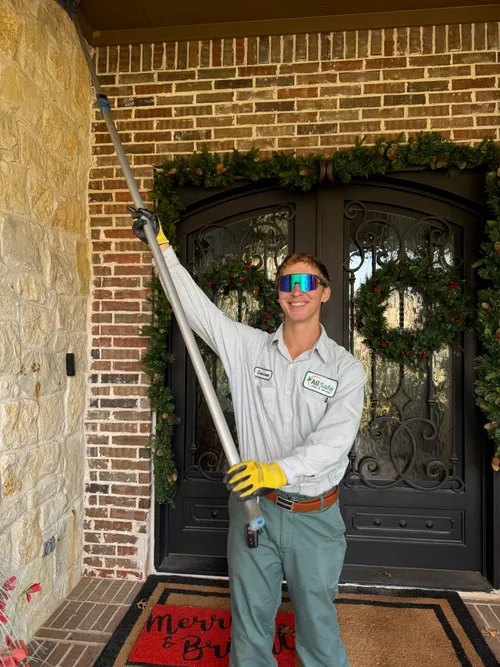
All-Safe Pest & Termite is a locally owned and family-operated pest control company serving Dallas, TX, and surrounding Texas areas. With over 30 years of experience, they provide a wide range of services including residential and commercial pest control, termite inspections, mosquito control, and rodent extermination. The company emphasizes eco-friendly and green pest control options and offers long-term solutions to prevent future infestations. Their team is known for quick response times and a customer-focused approach.
911 Pest Control Services
Arlington, TX
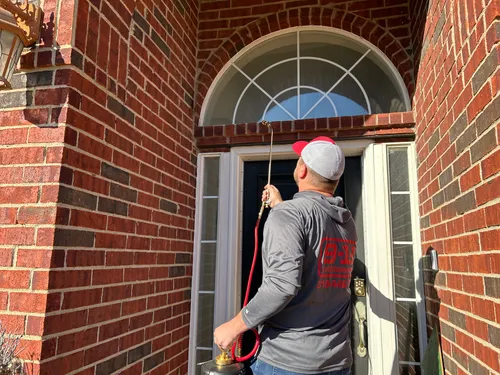
911 Pest Control Services provides pest management solutions for homes and businesses in Arlington, TX. They cover the Dallas-Fort Worth metroplex, including Dallas and Tarrant Counties, offering treatments for wasps, spiders, flies, cockroaches, earwigs, ants, termites, and other common pests. Their licensed technicians use proven methods to address infestations and provide preventative care with same-day service available.
Why Professional Pest Management is Essential for Irving Businesses
Pests pose a direct threat to any commercial operation. In restaurants and food service, a single sighting can trigger health code violations and irreparable damage to your brand. In office buildings and warehouses, rodents can chew through wiring, creating fire hazards, while insects can disrupt employee morale and productivity. For healthcare facilities and hotels, the stakes for sanitation are even higher. A structured commercial pest control program is not an expense but an investment in risk mitigation, ensuring your business operates smoothly and upholds the highest standards of cleanliness and safety.
The Commercial Pest Control Process: Inspection to Ongoing Care
Professional providers in Irving follow a detailed, multi-phase process centered on Integrated Pest Management (IPM) principles. This science-based strategy prioritizes long-term prevention over reactive chemical use.
Step 1: The Comprehensive Inspection
Every effective program begins with a meticulous inspection by a trained technician. This is far more than a cursory look; it's a forensic investigation of your property.
- Pest Identification: The exact species (e.g., German cockroach vs. American cockroach, roof rat vs. Norway rat) must be confirmed, as behavior and treatment methods differ significantly.
- Activity Assessment: Technicians search for telltale signs like droppings, shed insect skins, nesting materials, grease marks from rodents, and structural damage from termites or carpenter ants 1.
- Entry Point & Harborage Audit: They identify how pests are getting in-through cracks in foundations, gaps around utility lines, or under doors-and where they are hiding and breeding inside.
- Environmental Analysis: The inspection evaluates conditions that attract and sustain pests, such as accessible food waste, moisture issues, and cluttered storage areas 2.
Step 2: Developing a Customized Action Plan
Using the inspection findings, your provider will create a tailored plan. For a restaurant, this plan will heavily emphasize sanitation and exclusion, while a warehouse plan might focus on rodent monitoring and bird deterrents. The plan outlines the specific treatment methods, their placement, and the schedule for service.
Step 3: Implementation of IPM Treatment Methods
True commercial extermination uses a toolbox of methods, with chemical applications as a last resort. A robust IPM plan typically includes:
- Sanitation & Habitat Modification: This is often the most critical step, especially for food-borne pests. It involves advising on waste management, storage practices, and eliminating standing water 3.
- Exclusion & Mechanical Controls: Sealing cracks and crevices, installing door sweeps, repairing screens, and using traps or insect light traps (ILTs) provide physical barriers to pest entry and capture.
- Targeted Chemical Controls: When necessary, pesticides are used judiciously and strategically. This includes placing insecticide baits in tamper-resistant stations, applying gel baits in cracks, and using targeted, low-impact sprays in specific areas rather than broad "fogging" 4.
Step 4: Ongoing Monitoring & Prevention
Commercial pest control is a continuous service, not a one-time event. The cornerstone of prevention is ongoing monitoring. Your service plan will include regular scheduled visits (e.g., monthly, quarterly) where the technician will:
- Inspect and refresh bait stations and traps.
- Check monitoring devices for activity.
- Perform exterior treatments to create a protective barrier.
- Provide detailed service reports documenting findings and actions taken, which are crucial for health inspections and audits.
Find the perfect commercial pest control companies for your needs
Get personalized recommendations and expert advice
Common Commercial Pest Control Services in Irving
Irving businesses face a range of pest challenges. Local providers offer specialized solutions for each.
- General Pest Management: This covers common invaders like cockroaches, ants, spiders, and occasional invaders like silverfish and earwigs. Regular service keeps these nuisance pests at bay 5 6.
- Rodent Control (Mice & Rats): Critical for any business, rodent control involves a combination of thorough inspection, exclusion to seal entry points, and a network of tamper-resistant bait stations and traps 7.
- Termite Inspection & Control: Given the potential for severe structural damage, many Irving businesses opt for annual termite inspections and soil pre-treatments or baiting systems for active colonies.
- Bed Bug Services: Particularly vital for hotels, multi-family housing, and offices, bed bug eradication requires intensive heat treatments, targeted insecticides, and detailed follow-up inspections.
- Wildlife & Bird Management: Squirrels, raccoons, pigeons, and other wildlife can cause damage and health concerns. Humane trapping, exclusion, and deterrent systems like netting or spikes are common solutions.
- Industry-Specific Programs: Reputable providers design plans around the unique risks of your sector, whether it's a fly management program for a restaurant, a stored product pest plan for a food distributor, or a discreet service protocol for a client-facing corporate office.
Understanding Service Plans and Investment
Commercial pest management pricing in Irving is highly variable and customized. You should expect to receive a detailed quote only after an on-site inspection. Costs are influenced by:
- Business Type & Size: A small retail shop will have different needs and costs than a large manufacturing plant or a multi-building campus.
- Pest Pressure & History: An active infestation requires more intensive initial treatment than a preventative plan.
- Service Frequency: Monthly service is more intensive (and costly) than quarterly maintenance.
- Scope of Service: A plan covering only general pests will differ in price from one that includes termite monitoring, bird control, and mosquito abatement.
While prices require a custom quote, service plans often fall into general tiers 8:
- Basic/Small Business Plans: For small offices or retail spaces with low pest pressure, starting plans may range from several hundred dollars per year for quarterly service.
- Mid-Range/Standard Commercial Plans: For higher-risk businesses like restaurants, medical clinics, or medium-sized warehouses, comprehensive monthly or bi-monthly service is typical, representing a more significant operational investment for critical protection.
- Large/Complex Facility Management: For large facilities, industrial sites, or properties with active infestations, costs are project-based or involve substantial monthly retainers, reflecting the scale and expertise required.
Choosing a Provider in Irving
When selecting a commercial pest management partner, look for:
- Proper Licensing & Insurance: Ensure the company is licensed by the Texas Department of Agriculture and carries ample liability insurance.
- IPM Philosophy: Choose a provider that emphasizes inspection, prevention, and non-chemical methods first 9 10.
- Industry Experience: Ask for references or case studies from businesses similar to yours.
- Detailed Documentation: The provider should offer clear service agreements, detailed reports after each visit, and labels for any pesticides used.
- Emergency Response: Confirm their policy and availability for urgent pest issues outside of scheduled visits.
Frequently asked questions
Sources
Footnotes
-
Household Pest Control - Oklahoma State University Extension - https://extension.okstate.edu/fact-sheets/household-pest-control.html ↩
-
Important Components of a Successful Pest Management Program | USU - https://extension.usu.edu/planthealth/research/sucessful-pest-managment-program ↩
-
Pest control - Wikipedia - https://en.wikipedia.org/wiki/Pest_control ↩
-
Integrated Pest Management (IPM): A Sustainable Approach to Pest ... - https://hgic.clemson.edu/factsheet/iintegrated-pest-management-ipm-a-sustainable-approach-to-pest-management/ ↩
-
Commercial Pest Control in Irving, TX - Top-Rated Exterminator - https://antsrodentsirving.com/commercial-pest-control/ ↩
-
Pest Control | Irving, TX | ABC Home & Commercial Services - https://www.abchomeandcommercial.com/dallas/pest-control/irving-tx-pest-control ↩
-
Irving, TX Pest Control - Addison Pest Control of Texas - https://www.addisonexterminating.com/irving-tx-pest-control/ ↩
-
Pest Prevention Tailored to your Industry - https://www.abellpestcontrol.com/en-us/my-business/industry ↩
-
Integrated Pest Management (IPM) Principles | US EPA - https://www.epa.gov/safepestcontrol/integrated-pest-management-ipm-principles ↩
-
3 Principles of Integrated Pest Management (IPM) | Aberdeen, NC - https://www.naturesselect.com/blog/3-principles-of-integrated-pest-management-ipm/ ↩