Find the Best Rat & Mice Control Companies for Your Business
No obligation • Fast responses • Nationwide coverage

Why you can trust Pest Crews
Pest Crews is a leading U.S. resource for finding and evaluating residential and commercial pest control services. Our team researches providers, reviews treatment approaches, and organizes unbiased information to help you make informed decisions. Companies cannot pay to change our editorial content or influence how they appear.
Search providers near you
Top Rat & Mice Control Companies in Dallas, Texas Ranked
Discovering signs of rodent activity in your Dallas home or business can be unsettling. Effective rodent control is a critical service that protects your property from damage and safeguards your family's health from the diseases these pests can carry. This guide explains the local process for managing rat and mouse infestations, helping you understand what professional services entail so you can make informed decisions about protecting your Dallas property.
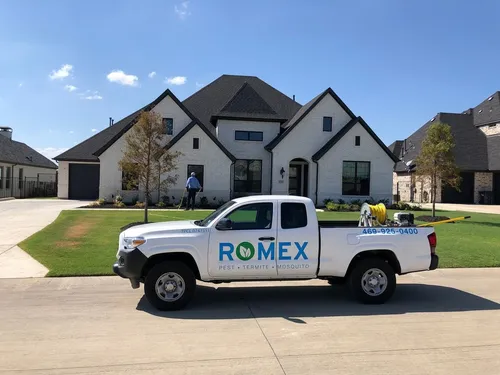
Romex Pest & Termite Control
1606 109th St Suite A, Grand Prairie, TX 75050
Romex Pest & Termite Control provides eco-friendly pest control services in Dallas, TX, serving both homes and businesses. Their offerings include treatment for bed bugs, rodents, termites, mosquitoes, and other common pests, using non-toxic methods that prioritize the safety of families and pets. The company employs advanced detection and treatment tools combined with integrated pest management strategies tailored to local needs. Romex Pest & Termite Control is licensed and insured across Texas and neighboring states, emphasizing environmentally responsible solutions.
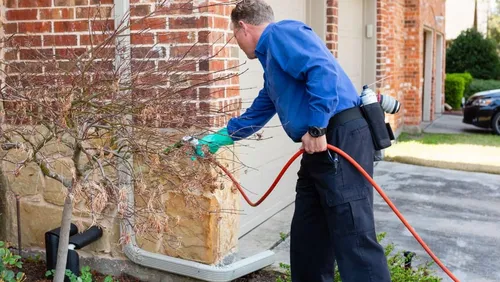
Pest Solutions of North Texas
15222 King Rd Suite 302, Frisco, TX 75036
Pest Solutions of North Texas is a pest control company serving Dallas, TX, and nearby communities including Fort Worth. Established in 2004, they provide services for bed bug treatment, cockroach control, ant control, and rodent control. The company understands the local climate challenges and offers comprehensive pest management solutions with free re-treatments if pests return between visits. They also provide Saturday appointments to accommodate flexible scheduling needs.
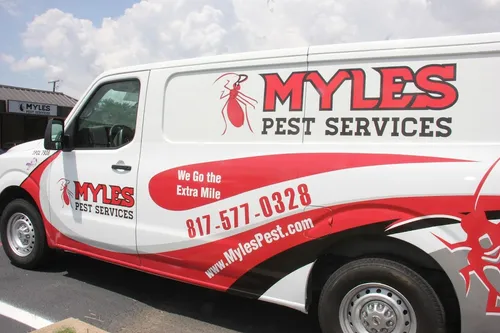
Myles Pest Services
6517 Smithfield Rd c, North Richland Hills, TX 76182
Myles Pest Services is a pest control company serving Dallas, TX, and the Greater Fort Worth area. With over 35 years of experience, they provide tailored pest control solutions including rodent exclusion, termite protection, mosquito treatments, and general pest management. Their services focus on long-term results and customer convenience, offering online scheduling and upfront pricing. The company emphasizes a customer-first approach backed by a satisfaction guarantee.

Haven Pest Solutions
990 Security Row, Richardson, TX 75081
Haven Pest Solutions is a pest control company based in Dallas, TX, offering services that include general pest control, mosquito control, termite inspections, and rodent control. They focus on a holistic approach, starting with whole-home assessments and eco-friendly treatments tailored to each property. Their capabilities include preventative sealing and exclusion work to address the root causes of pest problems. The company emphasizes ongoing service plans that adapt to seasonal and structural changes to maintain protection throughout the year.
T-Rex Pest Control
1074 Sewell Dr, Fate, TX 75189
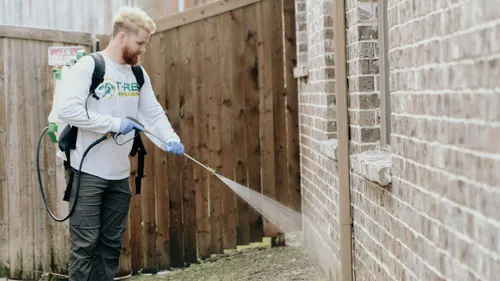
T-Rex Pest Control provides comprehensive pest management services in Dallas, TX, specializing in controlling cockroaches, ants, rodents, mosquitoes, bees, and wasps for both residential and commercial properties. They use integrated pest management principles to deliver lasting results while prioritizing safety for families and pets. The company holds current certifications and licenses, ensuring treatments meet high industry standards. T-Rex Pest Control serves the Dallas area with a focus on effective pest elimination and ongoing protection, offering follow-up visits at no extra charge if pests return between scheduled treatments.
Understanding the Rodent Threat in Dallas
Dallas's climate and urban environment create ideal conditions for rodents like roof rats, Norway rats, and house mice. These pests seek shelter, food, and water, often finding their way into attics, wall voids, and crawl spaces. Beyond the nuisance of noise and droppings, rodents pose serious risks. They can chew through electrical wiring, creating fire hazards, and contaminate food supplies with pathogens that cause illnesses such as hantavirus and salmonella. A proactive approach to rodent management is essential for any property owner.
The Professional Rodent Extermination Process
Local pest management professionals follow a systematic, multi-phase approach to ensure rodents are eliminated and prevented from returning. This methodology is far more comprehensive than simply setting a few traps.
Phase 1: Thorough Inspection and Assessment
The first and most crucial step is a detailed inspection. A technician will examine the interior and exterior of your property, looking for telltale signs like droppings, gnaw marks, grease trails, and nesting materials. The primary goal is to identify all potential entry points-these can be as small as a dime for mice and include gaps around utility lines, vents, roof soffits, and foundation cracks. This assessment determines the severity of the infestation and forms the blueprint for the treatment plan.
Phase 2: Customized Treatment and Exclusion
Based on the inspection, the professional will implement a targeted treatment strategy. This typically involves:
- Trapping: Strategically placing a variety of traps (snap traps, live traps, multi-catch traps) in areas of high activity to reduce the existing population.
- Baiting: Using secured, tamper-resistant bait stations, often placed outdoors or in inaccessible areas, to address the infestation. Professionals are trained in the safe placement of these materials.
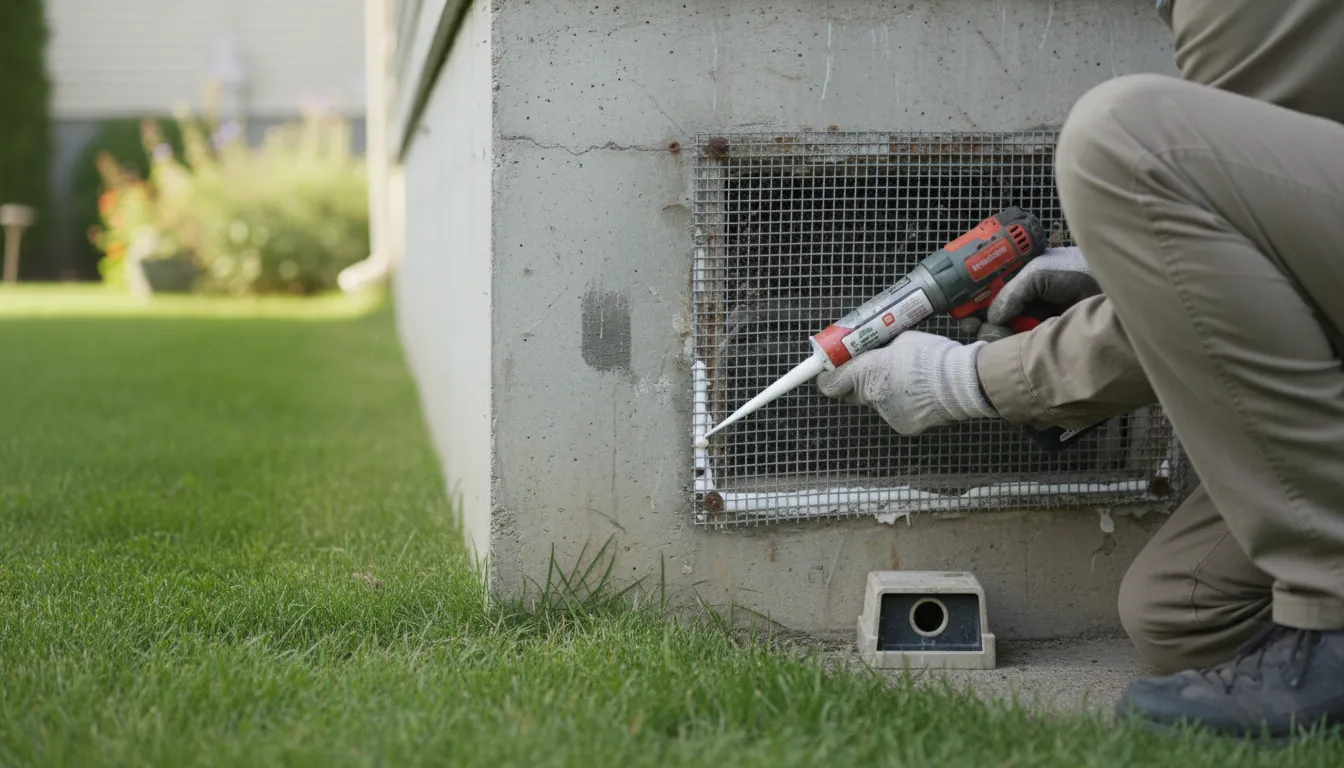
- Exclusion (Sealing Entry Points): This is the cornerstone of long-term control. Technicians will seal the identified gaps and holes using materials rodents cannot chew through, such as steel wool, copper mesh, hardware cloth, and caulk. This physically blocks rodents from re-entering the structure.
Phase 3: Follow-Up Monitoring and Prevention
Rodent control is not a one-time event. A follow-up visit is usually scheduled within 2-4 weeks to monitor traps, replenish bait stations, and verify that the treatment is successful and no new entry points have been exploited 1 2. The service then shifts to a prevention-focused mindset, providing recommendations to make your property less attractive to pests.
What Influences the Cost of Rodent Management in Dallas?
The investment for rodent removal in Dallas varies based on the scope of the problem. Understanding the cost structure can help you evaluate service proposals.
- Initial Inspection: Many companies charge between $75 and $150 for a detailed inspection, though this fee is frequently waived if you proceed with their treatment service.
- One-Time or Initial Treatment: For a standard infestation, a comprehensive initial service that includes inspection, trapping, baiting, and basic exclusion typically ranges from $150 to $400. More severe cases requiring extensive work may cost $300 to $600 or more for the initial resolution.
- Ongoing Maintenance Plans: To maintain a rodent-free property, many homeowners opt for monthly or quarterly maintenance plans. These plans generally cost between $40 and $70 per month or $100 to $300 per quarter and include regular inspections, monitoring, and preventative treatments 3 4.
- Additional Services: Major exclusion work (sealing an entire attic perimeter or foundation) or specialized cleanup services like attic decontamination and insulation replacement are priced separately and can add $200 to $1,000+ to the total cost 5 6 7.
Find the perfect rat & mice control companies for your needs
Get personalized recommendations and expert advice
DIY Prevention Tips for Dallas Homeowners
While professional help is recommended for active infestations, you can take significant steps to deter rodents:
- Seal Exterior Gaps: Conduct your own seasonal inspection. Use steel wool combined with caulk or expanding foam to seal any cracks, holes, or gaps around pipes, cables, and vents.
- Eliminate Food Sources: Store pantry food (including pet food) in sealed glass or metal containers. Keep kitchen surfaces clean, manage compost bins carefully, and use trash cans with tight-fitting lids 8.
- Reduce Shelter and Harborage: Trim tree branches and shrubs back at least 3 feet from your roofline and walls. Store firewood, lumber, and debris away from the home's foundation 9.
Choosing a Rodent Control Provider in Dallas
When selecting a company for rat or mouse control, look for licensed and insured professionals with experience specific to North Texas rodents. Ask about their process: a reputable provider will emphasize inspection and exclusion, not just baiting. Inquire about guarantees or warranties on their work and whether follow-up visits are included in the quoted price. Reading local reviews can provide insight into their reliability and customer service.
The Importance of Integrated Pest Management (IPM)
The most effective long-term strategy for rodent abatement employs Integrated Pest Management (IPM) principles. IPM focuses on solving the root cause of the infestation by making the environment unsuitable for pests through exclusion and sanitation, using chemical controls (like bait) only as a targeted, last resort. This approach is safer for families, pets, and the local ecosystem while providing more durable results 10.
Frequently asked questions
Sources
Footnotes
-
Rodent Control in Dallas - https://www.bugco.org/dallas/rodent-control/ ↩
-
Rodent Control in Dallas, TX - https://www.dynastypest.com/rodent-control/ ↩
-
How Much Does Pest Control Cost in Dallas? - https://forterrapestcontrol.com/blog/how-much-does-pest-control-cost-in-dallas ↩
-
How Much Do Rodent Control Services Cost in Dallas? - https://forterrapestcontrol.com/blog/how-much-do-rodent-control-services-cost-in-dallas ↩
-
Complete 2025 Pricing Guide ... - Rat Control Dallas Cost - https://dallasratcontrol.com/rat-control-dallas-cost-your-complete-2025-guide-to-professional-pest-solutions/ ↩
-
How Much Does Pest Control Cost in Dallas, TX? | Angi - https://www.angi.com/articles/how-much-does-pest-control-service-cost/tx/dallas ↩
-
How Much Does a Rat Exterminator Cost in Dallas, TX? | Angi - https://www.angi.com/articles/how-much-does-rat-exterminator-cost/tx/dallas ↩
-
Rodent Control in Dallas | Rat, Mouse, Gopher & Squirrel ... - https://www.all-safe-pest.com/rodent-control/ ↩
-
Rodent Control | Hanks is DFW's #1 Home Rodent Control Expert - https://callhanks.com/home-pest-control/rodents/ ↩
-
Residential Pest Control Services in Dallas-Fort Worth, TX - https://prizepestcontrol.com/residential-pest-control-dallas-fort-worth-tx.html ↩