Find the Best Rat & Mice Control Companies for Your Business
No obligation • Fast responses • Nationwide coverage

Why you can trust Pest Crews
Pest Crews is a leading U.S. resource for finding and evaluating residential and commercial pest control services. Our team researches providers, reviews treatment approaches, and organizes unbiased information to help you make informed decisions. Companies cannot pay to change our editorial content or influence how they appear.
Search providers near you
Top Rat & Mice Control Companies in Seattle, Washington Ranked
Dealing with mice or rats in your Seattle home or business is more than a nuisance-it's a threat to your property and health. Rodents can cause significant structural damage by gnawing on wires and insulation, contaminate food supplies, and spread diseases. Finding effective, reliable rodent management is crucial for protecting your space. This guide outlines what professional rodent control entails in the Seattle area, from the initial inspection to long-term prevention, helping you understand the process and connect with qualified local experts for your specific situation.
Cascade Pest Control
1420 5th Ave Suite 2260, Seattle, WA 98101
Cascade Pest Control is a family-owned pest control company serving Seattle, WA, and nearby areas. Established in 1979, they specialize in environmentally safe pest and rodent control services tailored to the unique needs of homes and businesses in the region. Their licensed technicians provide comprehensive inspections and treatments for common Seattle pests such as ants, spiders, rodents, termites, and wasps. Cascade Pest Control offers rodent removal and prevention, including damage remediation and exclusion services, along with ongoing pest prevention maintenance programs to protect properties year-round.

Rambo Total Pest Control
401 Olympia Ave NE UNIT 52, Renton, WA 98056
Rambo Total Pest Control is a pest control company serving Seattle, WA, with expertise in managing a wide range of pests including rodents, ants, spiders, stinging insects, and termites. They offer comprehensive pest control services tailored to both residential and commercial properties, focusing on effective inspection, treatment, and follow-up to ensure long-term pest management. Their skilled technicians are trained to handle challenging infestations and provide customized plans based on thorough property assessments. Rambo Total Pest Control emphasizes clear communication and expert service throughout the pest control process.
Frontier Pest Control
17318 432nd Ave SE, North Bend, WA 98045
Frontier Pest Control is a pest control company based in Seattle, WA, specializing in the treatment and elimination of bed bugs, cockroaches, ants, rodents, and other common pests. They focus on identifying the source of infestations, even in hidden areas like walls, to effectively reduce damage to homes and protect the health of residents and pets. Their use of professional-grade pest control products offers swift and lasting pest elimination while prioritizing safe chemical handling to minimize risks to people and property.
Rambo Total Pest Control
Tacoma, WA
Rambo Total Pest Control is a pest control company serving Tacoma, WA, and the surrounding Pierce County area. Established in 2007, they offer comprehensive pest management services for both residential and commercial properties, including rodent control, ant control, termite inspections, stinging insect removal, and cockroach control. Their technicians provide thorough inspections and customized treatment plans, focusing on long-term pest prevention and clear communication throughout the process. Rambo Total Pest Control is equipped to handle a wide range of pests common to the Pacific Northwest, such as rodents, ants, spiders, and stinging insects.
Bamboo Pest Control Auburn
Tacoma, WA
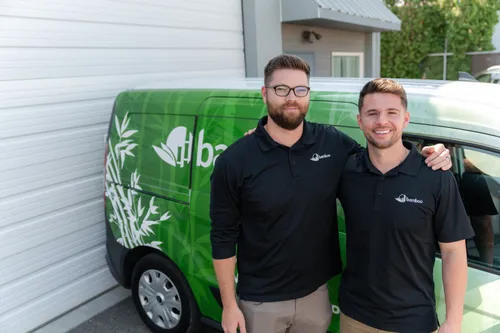
Bamboo Pest Control Auburn is a local pest control company serving Tacoma, WA, specializing in residential and commercial pest management. They offer a range of services including ant, rodent, spider, flea and tick, wasp and hornet, and mosquito control, using eco-friendly and EPA-approved treatments to ensure safety for families and pets. Bamboo Pest Control Auburn emphasizes customized treatment plans and employs trained technicians who focus on effective pest elimination and prevention. They provide next-day service and flexible appointment times, backed by a 100% pest-free guarantee.
Understanding the Rodent Threat in Seattle
Seattle's unique environment, with its mix of dense urban neighborhoods, green spaces, and waterfront areas, creates ideal habitats for rodents like Norway rats, roof rats, and house mice. These pests are adept at finding shelter, especially as the weather cools, leading them into attics, crawl spaces, and wall voids of homes and commercial buildings. Effective rodent extermination and removal starts with recognizing the signs of an infestation: scratching noises in walls or ceilings, droppings (small, dark pellets), gnaw marks on wood or wiring, and evidence of nesting materials like shredded insulation or paper.
The Professional Rodent Control Process
Local pest management companies typically follow a structured, multi-phase approach to ensure rodents are eliminated and prevented from returning.
1. Comprehensive Inspection
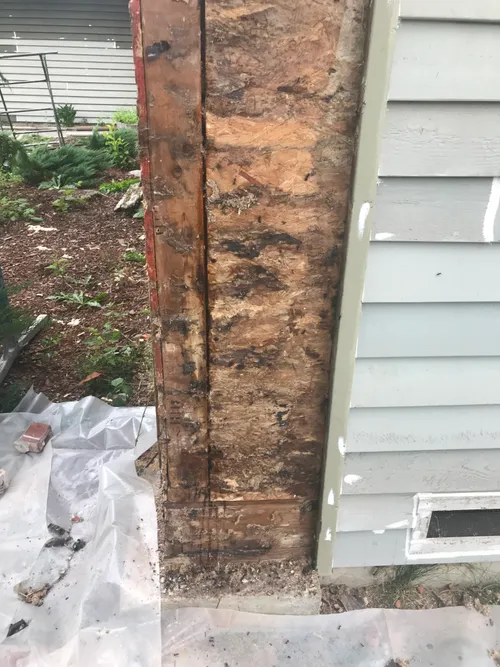
The first and most critical step is a thorough inspection. A trained technician will examine your property's interior and exterior, focusing on the attic, crawlspace, foundation, and perimeter. They look for active signs like droppings, grease marks (from rodent fur), and damage, but more importantly, they identify potential entry points. These can be gaps as small as a dime for mice or a quarter for rats, often found around utility lines, vents, damaged siding, or where the foundation meets the siding.
2. Initial Treatment & Trapping
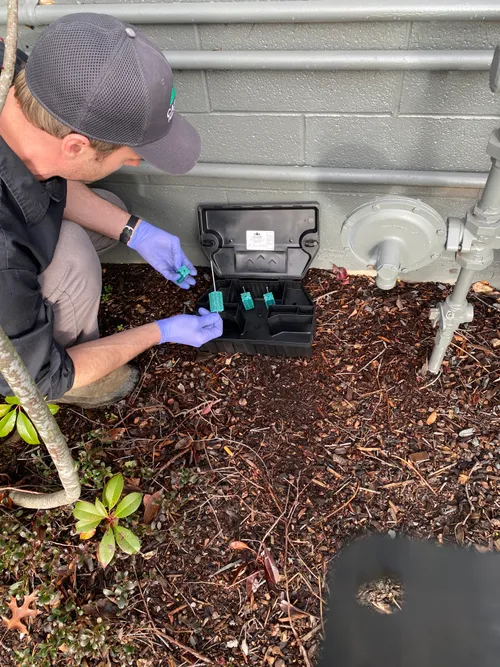
Based on the inspection, a customized treatment plan is implemented. This almost always involves the strategic placement of traps and bait stations. Trapping is a common method, using snap traps, live traps, or glue boards placed along active runways. For larger or persistent infestations, tamper-resistant bait stations containing rodenticide may be placed in secure outdoor locations to reduce the population 1. The goal of this phase is to quickly reduce the active rodent population.
3. Exclusion Work (Critical for Long-Term Success)
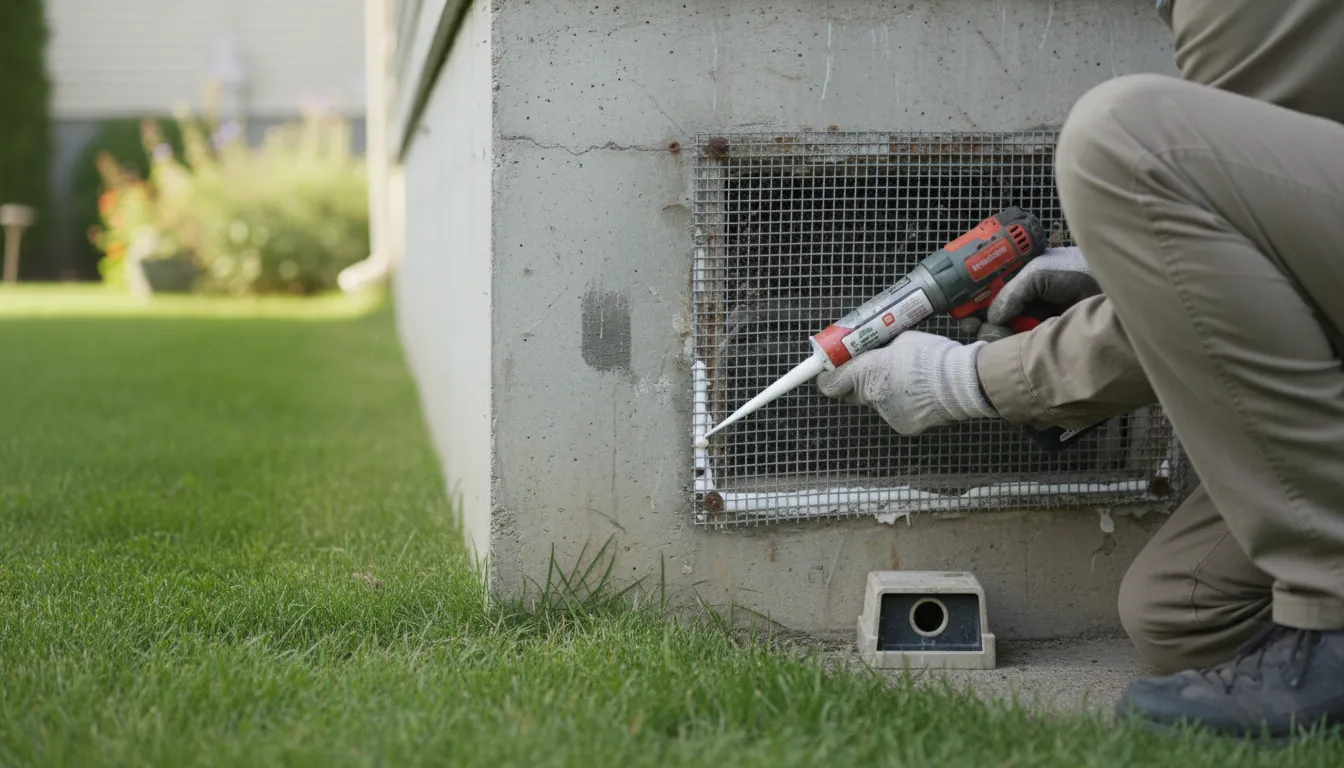
Trapping alone is a temporary fix. The cornerstone of permanent rodent management is exclusion-sealing up every possible entry point identified during the inspection. Technicians use materials like copper mesh, hardware cloth, and sealants to close gaps in the foundation, around pipes, and in rooflines. This work physically blocks rodents from re-entering the structure and is often what differentiates a one-time service from a lasting solution.
4. Follow-Up and Monitoring
About one to two weeks after the initial treatment, a technician will return for a follow-up visit. They check all traps and bait stations, remove any captured rodents, and reset the system. This visit also assesses the effectiveness of the exclusion work. After the active infestation is cleared, the service often transitions into a monitoring phase with monthly or quarterly visits to ensure the property remains rodent-free and to address any new potential entry points 2.
Find the perfect rat & mice control companies for your needs
Get personalized recommendations and expert advice
What Influences the Cost of Rodent Control in Seattle?
Pricing for rodent removal services in Seattle is not one-size-fits-all; it depends on the severity of the infestation, the size of your property, and the extent of exclusion work needed. Here's a general breakdown based on local service data:
- Initial Inspection/Service: Many companies charge between $100 and $300+ for the first visit, which includes the inspection and setting up the initial treatment protocol 3 4.
- Ongoing Service Plans: For continued monitoring and prevention, plans are typically offered:
- Monthly: Ranging from $40 to $80 per visit.
- Exclusion (Sealing) Services: This is highly variable and requires a custom quote. Costs can range from a minimal fee for sealing a few holes to several hundred dollars for extensive repairs to siding, vents, or foundations.
It's important to get detailed quotes that specify what is included, particularly regarding exclusion work, as this is essential for preventing recurrence.
Proactive Prevention: How to Rodent-Proof Your Seattle Property
While professional help is key for active infestations, homeowners can take significant steps to make their property less attractive to rodents:
- Clear the Perimeter: Maintain a one-foot clearance between any vegetation (shrubs, ivy, tree branches) and your home's exterior. This removes shelter and pathways for rodents.
- Eliminate Food and Water Sources: Store pet food, bird seed, and garbage in sealed, rodent-proof containers. Fix leaky faucets and eliminate standing water in yards.
- Secure the Structure: Regularly inspect and repair damaged siding, roof vents, and foundation cracks. Ensure door sweeps are tight and attic vents are covered with proper screening 9 10.
Choosing a Rodent Management Provider
When evaluating local rodent control companies, look for those that emphasize inspection and exclusion as much as trapping. Ask about their process, the materials they use for sealing, and what their service guarantees cover. A reputable provider will be transparent about their pricing, offer a clear plan for both elimination and prevention, and have knowledge of local rodent behaviors specific to the Puget Sound region 11 12 13.
Frequently asked questions
Sources
Footnotes
-
Rodent Control in Seattle, WA - Alta Pest Control - https://www.altapestcontrol.com/city-services/rodent-control-seattle-wa ↩
-
Residential Rodent Control - United Pest Solutions - https://unitedpestsolutions.com/pest-control/residential-pest-control/residential-rodent-control/ ↩
-
Natural Rodent Control in Seattle - https://www.parkerecopestcontrol.com/rats-mice/ ↩
-
Seattle Pest Control - Eco-Friendly Exterminators - https://www.eaglepesteliminators.com/pest-control/seattle/ ↩
-
How Much Does Pest Control Cost in Seattle? [2025 Data] - Angie's List - https://www.angi.com/articles/how-much-does-pest-control-service-cost/wa/seattle ↩
-
How Much Does Rodent Control Cost in Olympia, WA - https://www.pci-pest-control.com/blog/how-much-does-rodent-control-cost-olympia-wa/ ↩
-
Seattle Pest Control & Rodent Control - https://www.parkerecopestcontrol.com/ ↩
-
How Much Does Pest Control Cost in Seattle, WA - https://pestextinct.com/seattle-wa-pest-control/ ↩
-
Rodent Control in Seattle | Rat Exterminator & Rodent Removal - https://eastsideexterminators.com/rodent-control/ ↩
-
Seattle, WA Pest Control: Rats, Spiders, Ants, Wasps | Croach - https://croach.com/service-locations/seattle-wa-pest-control/ ↩
-
Rodent Management & Control | Sentinel Pest Control - https://sentinelpest.com/rodent-management-control/ ↩
-
Rodent Control and Prevention Services - https://rambopest.com/rodent-control-and-prevention/ ↩
-
Learn Rodent Control - Inspection, Treatment, Protection - https://www.cascadepest.com/rodent-inspection-and-rodent-control/ ↩