Find the Best Termite Inspection Companies for Your Business
No obligation • Fast responses • Nationwide coverage

Why you can trust Pest Crews
Pest Crews is a leading U.S. resource for finding and evaluating residential and commercial pest control services. Our team researches providers, reviews treatment approaches, and organizes unbiased information to help you make informed decisions. Companies cannot pay to change our editorial content or influence how they appear.
Search providers near you
Best Termite Inspection Companies in Arizona Ranked
A termite inspection in Arizona is a specialized evaluation of a property for evidence of wood-destroying insects, most notably subterranean termites. This process is critical because termites cause significant structural damage that can compromise a home's integrity and lead to costly repairs. For most real estate transactions, a formal Wood-Destroying Insect Inspection Report (WDIIR) is required by lenders, making it a standard step in buying or selling a home. This guide explains the Arizona-specific process, standards, and costs to help you navigate finding a qualified professional and understanding the report.
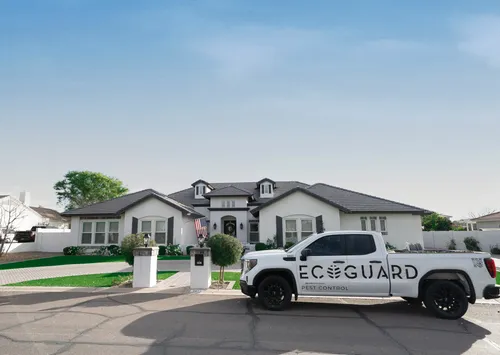
EcoGuard Pest Control
4838 E Baseline Rd STE 128, Mesa, AZ 85206
EcoGuard Pest Control provides comprehensive pest control services in Gilbert, AZ, addressing common local pests such as cockroaches, ants, rodents, termites, and mosquitoes. The company focuses on protecting homes from structural damage and health risks associated with these pests by using eco-friendly and safe methods. Their expertise helps homeowners maintain a pest-free environment efficiently, avoiding the challenges of DIY treatments.

Orange Pest Control
1061 E University Dr, Mesa, AZ 85203
Orange Pest Control is a pest and termite inspection company based in Phoenix, AZ. They specialize in controlling Arizona pests such as termites, spiders, and bark scorpions, using effective treatment products backed by decades of combined experience. Their technicians are background checked and knowledgeable about local pest issues, providing thorough services to keep homes pest-free.

Urban Desert Pest Control
2501 W Behrend Dr Ste C-37, Phoenix, AZ 85027
Urban Desert Pest Control is a family-owned pest control company based in Phoenix, AZ, with over 21 years of experience. They specialize in controlling a variety of pests including cockroaches, rodents, termites, and scorpions, offering services for both residential and commercial properties. Their licensed technicians use targeted, family- and pet-friendly treatments suited to the unique desert environment. Urban Desert Pest Control provides next-day service for urgent infestations and offers both one-time clean-outs and ongoing maintenance plans.
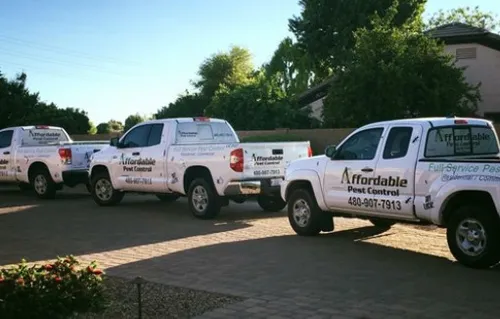
Affordable Pest Control
2769 Combs Rd, San Tan Valley, AZ 85140
Affordable Pest Control is a pest control company based in San Tan Valley, serving Chandler, AZ, and the East Valley area. They specialize in pest control, termite treatments, and weed management for both residential and commercial properties. With over 10 years of experience since 2013, they offer various service plans including one-time treatments and recurring pest control programs. Their expertise includes comprehensive termite inspections and treatments to protect properties from common Arizona pests.

Firehouse Pest Control Services
1090 S Gilbert Rd, Gilbert, AZ 85296
Firehouse Pest Control Services is a pest control company based in Phoenix, AZ, offering treatments for termites, scorpions, bed bugs, ants, cockroaches, and other pests. They serve residential and commercial clients across the Greater Phoenix area, including Scottsdale, Mesa, and Gilbert. The company provides both internal and external pest treatments, including perimeter sprays and dust applications to prevent pest entry. Firehouse Pest Control has been operating for over five years and uses natural-based, child- and pet-friendly products. They also offer termite inspections and have become a trusted subcontractor for termite services among other pest control companies.
The Arizona Wood-Destroying Insect Inspection Report (WDIIR)
In Arizona, the standard termite inspection is formalized into a Wood-Destroying Insect Inspection Report (WDIIR). This is not a casual check; it is a legal document governed by state law (A.R.S. § 3-3633) and administered by the Arizona Department of Agriculture's Pest Management Division (PMD). The WDIIR is the cornerstone of most real estate transactions involving mortgage financing.
The primary purpose of the WDIIR is to provide an objective assessment of a property's condition regarding active or previous infestations of termites and other wood-destroying organisms. Its accuracy is paramount, as the licensed professional who completes it is legally responsible for the findings stated within.
Who Can Perform a WDIIR?
Only licensed pest control applicators certified by the Arizona PMD are authorized to conduct official WDIIRs. It is essential to verify a provider's license is current and in good standing. Homeowners can use the PMD's online resources to confirm a company's credentials before hiring them.
What Does a Termite Inspection Cover?
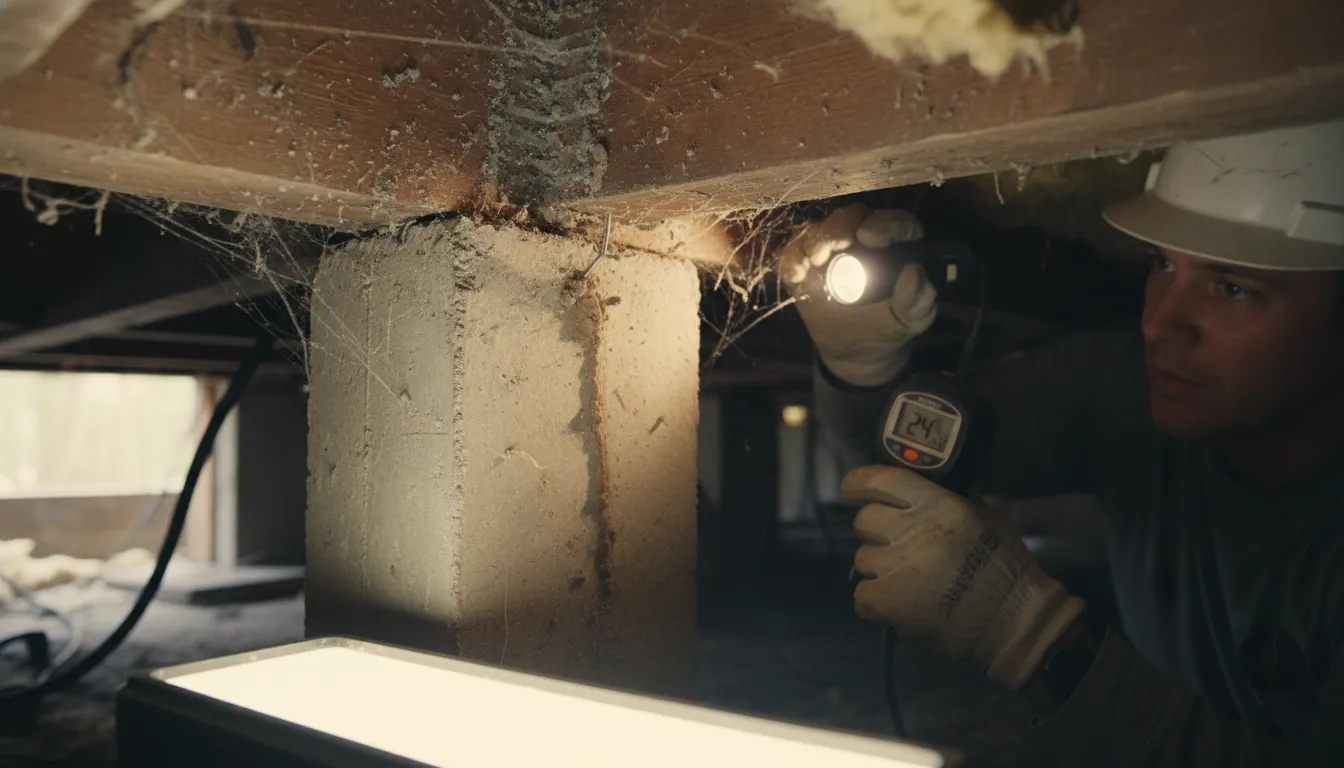
A licensed inspector will conduct a thorough visual examination of both the interior and exterior of the structure. The goal is to inspect all accessible areas for signs of infestation or damage. Key elements of the inspection include:
- Visual Inspection: Checking baseboards, window sills, door frames, crawl spaces, attics, and garages.
- Probing and Sounding: Using tools to probe wood members that sound hollow or show surface irregularities to check for internal damage.
- Exterior Examination: Inspecting the foundation, siding, eaves, and any wood-to-ground contact points for mud tubes (shelter tubes built by subterranean termites), frass (termite droppings), or visible damage.
- Outbuildings: Examining detached structures like sheds, gazebos, and fences.
- Diagramming: The inspector will note the location of any findings on a diagram of the property included in the final report.
What is NOT Covered?
It's crucial to understand the limits of a standard WDIIR 1:
- Inaccessible Areas: The inspection is limited to areas that are readily accessible without moving furniture, lifting carpets, or dismantling structures. Damage behind walls or under fixed flooring may not be detected.
- Structural Assessment: The WDIIR is not a structural engineering report. It identifies pest-related damage but does not evaluate the overall structural integrity of the home.
- Fungi or Mold: The inspection is for wood-destroying insects, not decay caused by fungi or mold.
- Warranty: The report explicitly states it is not a warranty or guarantee against future infestation.
The Role of the WDIIR in Real Estate Transactions
The WDIIR is typically a lender requirement for mortgage approval, not a state-mandated requirement for all home sales. However, because nearly all buyers use financing, it has become a universal step in the closing process.
- For Sellers: Obtaining a WDIIR before listing a property is often recommended. A "clean" report (showing no active infestation or damage) can be a powerful marketing tool and prevent surprises during the buyer's inspection period. If the report reveals issues, the seller can address treatment and repairs upfront.
- For Buyers: The buyer's lender will almost certainly require a WDIIR. The buyer should review the report carefully, understand any findings, and negotiate with the seller regarding required treatments or repairs, which the seller typically pays for 2.
The report includes a "Purchaser Acknowledgment" section where the buyer signs, confirming they have received the report and understand its scope and limitations.
Find the perfect termite inspection companies for your needs
Get personalized recommendations and expert advice
Understanding Inspection and Treatment Costs in Arizona
Costs for termite services in Arizona are separated into distinct phases: the inspection/report and any subsequent treatment or repair.
- WDIIR Inspection Fee: The cost for the inspection and official report typically ranges from $75 to $150 3 4. This fee can be higher for very large homes (e.g., over 3,000 square feet) or properties with multiple structures.
- Treatment Proposal (TTP): If the WDIIR finds evidence of active infestation, the inspector will provide a separate Treatment Proposal (TTP). This is a detailed plan outlining the recommended treatment methods, pesticides to be used, and the associated cost 5. Treatment prices are highly variable, depending on the home's size, construction, severity of infestation, and method used (e.g., liquid soil treatment, bait systems). Initial treatments can range from several hundred to several thousand dollars 6 7.
- Repair Costs: If the inspection reveals structural damage caused by termites, repair costs are negotiated separately. These costs vary widely based on the extent of the damage. It is common for the seller to cover the cost of repairs necessitated by wood-destroying insect damage.
- Ongoing Protection: After treatment, homeowners often opt for an annual monitoring and maintenance plan to prevent future infestations, which involves an additional recurring fee.
Arizona Regulations and Consumer Protections
Arizona has established clear rules to protect consumers and ensure report integrity 8 9:
- No Conflict of Interest: The inspector must certify on the WDIIR form that they have no financial or beneficial interest in the property or the real estate transaction.
- Timely Submission: The completed WDIIR must be delivered to the requester (e.g., the lender, real estate agent, or homeowner) within 7 days of the inspection.
- Standardized Form: All official WDIIRs must be completed on the state-approved form, which includes licensee information, detailed findings, diagrams, and the required legal acknowledgments 10.
- Enforcement: The Arizona Department of Agriculture's PMD oversees the licensing and regulation of inspectors. Consumers can file complaints with the PMD if they believe an inspection was performed improperly or a report is inaccurate 11.
Choosing a Qualified Inspector in Arizona
When selecting a professional for your termite inspection, consider the following:
- Verify PMD License: Confirm the company and individual inspector are currently licensed with the Arizona PMD.
- Experience and Reputation: Look for established companies with positive reviews and a strong local reputation.
- Detailed Explanation: A good inspector will clearly explain their process, what they are looking for, and will take time to review the report findings with you.
- Comprehensive Service: Some companies specialize only in inspections, while others also provide treatment. Consider whether you prefer an inspector with no potential incentive to recommend treatment.
A thorough termite inspection is a small investment that provides immense peace of mind and financial protection, whether you are selling your home, making one of life's largest purchases, or simply safeguarding your property.
Frequently asked questions
Sources
Footnotes
-
Arizona Department of Agriculture Office of Pest Management - https://agriculture.az.gov/sites/default/files/documents/Wood%20Destroying%20Insect%20Inspection%20Suggestions%20-%20AZ%20Dept%20of%20Ag.pdf ↩
-
Understanding Termite Inspections in Arizona: What Buyers ... - https://www.bluecanyoninspections.com/homeowner-resources/understanding-termite-inspections-in-arizona-what-buyers-need-to-know ↩
-
Wood-Destroying Insect Inspection Reports - https://www.rigopest.com/wood-destroying-insect-inspection-reports/ ↩
-
Termite Inspections - AZ Property Inspections - https://inspectionsaz.com/services/termite-inspections/ ↩
-
Things Anyone New (or old) to the Termite Industry Must Know - https://opm.azda.gov/Assets/PDFDocuments/Termite_Industry.pdf ↩
-
Are Termite Inspections Recommended for Home Sellers in Arizona? - https://tucsonpest.com/are-termite-inspections-recommended-for-home-sellers-in-arizona/ ↩
-
Termite Inspection Goodyear Az by Expert Technicians - https://billstermiteco.com/goodyear-termite-inspection/ ↩
-
Wood Destroying Insect Inspection Reports - https://agriculture.az.gov/pestspest-control/termites/wood-destroying-insect-inspection-reports ↩
-
3-3633 - Wood-destroying insect inspection reports - https://www.azleg.gov/ars/3/03633.htm ↩
-
WDIIR.pdf - Pest Management Division (OPM) - https://opm.azda.gov/Assets/PDFDocuments/WDIIR.pdf ↩
-
Realtor Termite Guidance - Arizona Department of Agriculture - https://agriculture.az.gov/pests-pest-control/termites/realtor-termite-guidance ↩