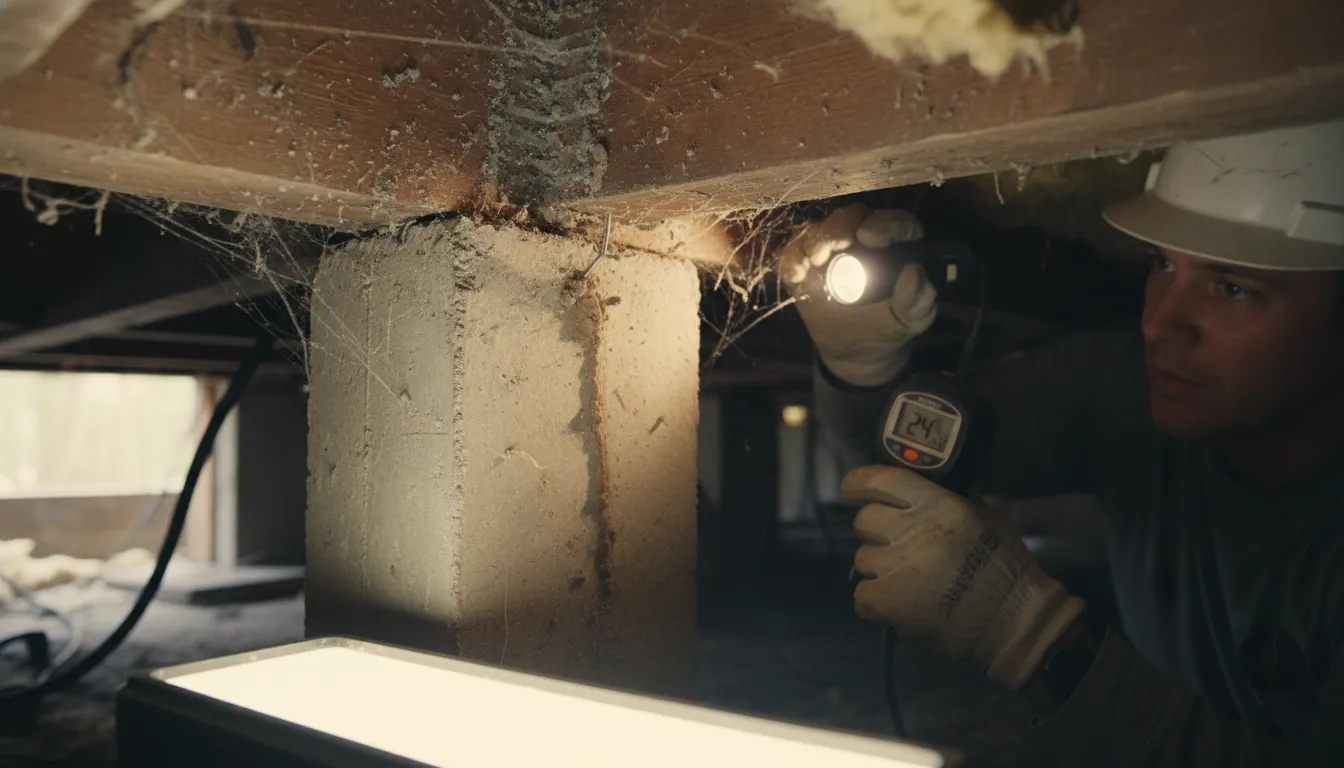
Find the Best Termite Inspection Companies for Your Business
No obligation • Fast responses • Nationwide coverage

Why you can trust Pest Crews
Pest Crews is a leading U.S. resource for finding and evaluating residential and commercial pest control services. Our team researches providers, reviews treatment approaches, and organizes unbiased information to help you make informed decisions. Companies cannot pay to change our editorial content or influence how they appear.
Search providers near you
Top Termite Inspection Companies in Gilbert, Arizona Ranked
A termite inspection is a critical evaluation of your property to detect the presence of destructive wood-destroying organisms and the conditions that attract them. In Gilbert, where subterranean and drywood termites are active, these assessments are essential for protecting your home's structural integrity and value. This guide explains what a termite inspection entails, the specific threats in our area, and how you can use this information to connect with qualified local professionals who can conduct a thorough examination.
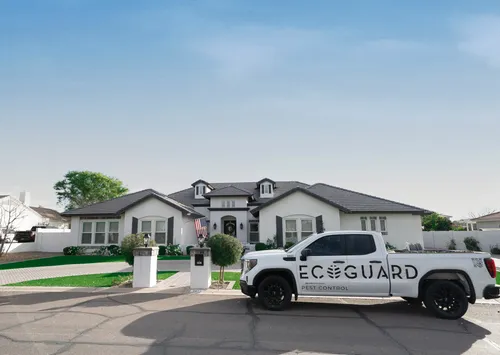
EcoGuard Pest Control
4838 E Baseline Rd STE 128, Mesa, AZ 85206
EcoGuard Pest Control provides comprehensive pest control services in Gilbert, AZ, addressing common local pests such as cockroaches, ants, rodents, termites, and mosquitoes. The company focuses on protecting homes from structural damage and health risks associated with these pests by using eco-friendly and safe methods. Their expertise helps homeowners maintain a pest-free environment efficiently, avoiding the challenges of DIY treatments.

Orange Pest Control
1061 E University Dr, Mesa, AZ 85203
Orange Pest Control is a pest and termite inspection company based in Phoenix, AZ. They specialize in controlling Arizona pests such as termites, spiders, and bark scorpions, using effective treatment products backed by decades of combined experience. Their technicians are background checked and knowledgeable about local pest issues, providing thorough services to keep homes pest-free.

Urban Desert Pest Control
2501 W Behrend Dr Ste C-37, Phoenix, AZ 85027
Urban Desert Pest Control is a family-owned pest control company based in Phoenix, AZ, with over 21 years of experience. They specialize in controlling a variety of pests including cockroaches, rodents, termites, and scorpions, offering services for both residential and commercial properties. Their licensed technicians use targeted, family- and pet-friendly treatments suited to the unique desert environment. Urban Desert Pest Control provides next-day service for urgent infestations and offers both one-time clean-outs and ongoing maintenance plans.
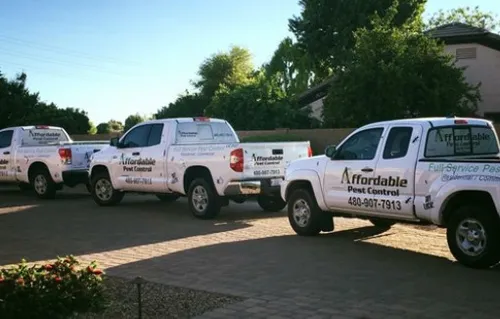
Affordable Pest Control
2769 Combs Rd, San Tan Valley, AZ 85140
Affordable Pest Control is a pest control company based in San Tan Valley, serving Chandler, AZ, and the East Valley area. They specialize in pest control, termite treatments, and weed management for both residential and commercial properties. With over 10 years of experience since 2013, they offer various service plans including one-time treatments and recurring pest control programs. Their expertise includes comprehensive termite inspections and treatments to protect properties from common Arizona pests.

Firehouse Pest Control Services
1090 S Gilbert Rd, Gilbert, AZ 85296
Firehouse Pest Control Services is a pest control company based in Phoenix, AZ, offering treatments for termites, scorpions, bed bugs, ants, cockroaches, and other pests. They serve residential and commercial clients across the Greater Phoenix area, including Scottsdale, Mesa, and Gilbert. The company provides both internal and external pest treatments, including perimeter sprays and dust applications to prevent pest entry. Firehouse Pest Control has been operating for over five years and uses natural-based, child- and pet-friendly products. They also offer termite inspections and have become a trusted subcontractor for termite services among other pest control companies.
Why Termite Inspections Are Essential in Gilbert
Gilbert's warm, arid climate is surprisingly hospitable to termites, particularly subterranean species like desert termites and drywood termites 1 2. These pests can cause significant, costly damage that often goes unnoticed until it's severe. A professional termite inspection is your first line of defense, designed to identify not only active infestations but also the "conducive conditions" that could lead to future problems 3 4. Regular inspections are a cornerstone of responsible homeownership, providing peace of mind and potentially saving thousands of dollars in repair costs.
Common Termite Species in Gilbert
Understanding your enemy is key. Gilbert homes face threats from two primary types of termites:
- Subterranean Termites: These are the most common and destructive group. They live in colonies underground and build distinctive mud tubes to travel between their nest and food source (the wood in your home) while protecting themselves from dry air 5. The desert termite, a type of subterranean termite prevalent in Arizona, often targets wood in contact with soil, like fence posts and crawlspace joists.
- Drywood Termites: Unlike their subterranean cousins, drywood termites infest wood directly and do not require contact with soil. They live inside the wood they consume, making them harder to detect until damage is advanced. A key sign of their activity is the presence of frass-small, pellet-like droppings they push out of their galleries 6.
What Inspectors Look For: Key Signs of Termites
During a termite examination, a certified inspector conducts a meticulous visual search for evidence of activity and vulnerability. Key indicators include:
- Mud Tubes: These pencil-sized tunnels made of soil and saliva are the hallmark of subterranean termites. Inspectors look for them on foundation walls, in crawlspaces, and along piers.
- Wood Damage: Termites consume wood from the inside out, leaving a thin veneer of wood or paint. Tapping on wood that sounds hollow or finding wood that crumbles easily are red flags.
- Frass: The presence of drywood termite fecal pellets, which resemble coarse coffee grounds or sawdust, is a clear sign of an infestation.
- Swarmers & Discarded Wings: Reproductive termites (swarmers) emerge to start new colonies. Finding their discarded wings on windowsills, in spider webs, or near light sources often signals a nearby colony.
- Conducive Conditions: A thorough inspection report will note factors that attract termites, such as excessive soil moisture from poor drainage or leaks, wood-to-soil contact (e.g., deck posts, siding), and cellulose debris (like stacked firewood) near the home's foundation.
The Termite Inspection Process: What to Expect
A comprehensive termite evaluation follows a systematic approach to ensure no area is overlooked.
1. Exterior Inspection
The inspector begins outside, examining the perimeter of your home. This includes checking the foundation for cracks and mud tubes, inspecting soil grades and drainage, and looking at all wood elements like fences, decks, and exterior trim for signs of damage or activity 7. They will also note vegetation and mulch that is too close to the structure.
2. Interior Inspection
Inside the home, the inspector will examine accessible areas where termites are likely to thrive. This involves checking baseboards, window and door frames, and areas under sinks or around plumbing fixtures for moisture issues. Attics, crawlspaces, and garages are also critical inspection points, as they often contain exposed wood and can harbor moisture.
3. The Inspection Report
Following the assessment, you should receive a detailed written report. This document is crucial. It will outline any evidence of active or previous termite activity, list all observed conducive conditions, and provide recommendations for treatment and/or corrective actions to make your home less inviting to pests. It's important to note that a termite inspection is not a home valuation or a structural engineering report; its scope is specifically focused on wood-destroying organisms 8.
Find the perfect termite inspection companies for your needs
Get personalized recommendations and expert advice
Understanding Costs for Inspection and Treatment in Gilbert
The investment in a termite inspection is minor compared to the cost of repairing structural damage. In Gilbert, a standard professional termite inspection typically costs between $75 and $150. This fee covers the technician's time, expertise, and the detailed report.
If the inspection reveals an active infestation, treatment costs will vary greatly depending on the termite species, the extent of the infestation, the size of your home, and the treatment method required. Treatment can range from a few hundred dollars for a localized drywood termite spot treatment to over $2,000 or more for a full-scale subterranean termite treatment involving soil barriers or baiting systems 9 10 11. Your inspection report will form the basis for any treatment quotes provided by pest management professionals.
How to Prepare for a Termite Inspection
To ensure the inspection is as thorough and efficient as possible, homeowners can take a few simple steps:
- Clear Access: Move boxes, stored items, and furniture away from perimeter walls, especially in basements, garages, and closets. Ensure the inspector has clear access to the attic hatch and crawlspace entrance 12.
- Trim Vegetation: Cut back shrubs, vines, and tree branches that are touching the house.
- Address Moisture: Fix any leaking faucets or downspouts before the inspection.
- Move Firewood: Relocate any firewood or lumber piles at least 20 feet away from the home's foundation.
Taking these steps helps the inspector see potential problem areas without obstruction, leading to a more accurate assessment.
Beyond the Inspection: Proactive Termite Prevention
After your inspection, whether treatment is needed or not, adopting preventive measures is wise. Based on common conducive conditions noted in reports, focus on:
- Eliminating Moisture: Ensure your yard drains away from the foundation. Repair leaky pipes and faucets promptly. Use dehumidifiers in damp crawlspaces.
- Creating a Barrier: Maintain an 18-inch gap between any wood portions of your home (siding, trim) and the soil. Use concrete, metal, or treated wood barriers where possible.
- Removing Food Sources: Store firewood, lumber, and paper products off the ground and away from your home's exterior walls.
- Sealing Entry Points: Fill cracks in the foundation and around utility lines where termites could enter.
Regular monitoring and maintenance, coupled with periodic professional inspections, form the best strategy for long-term termite control in Gilbert.
Frequently asked questions
Sources
Footnotes
-
Quality Termite Control Guide - Firehouse Pest Control Service - https://firehousepest.com/termite-control-identifying-common-species/ ↩
-
Termites in Arizona - https://billstermiteco.com/termites-in-arizona-6/ ↩
-
What Does A Termite Inspector Look For? - AG Pest Control - https://www.agpest.com/what-does-a-termite-inspector-look-for/ ↩
-
The Importance Of Termite Inspections in Gilbert, Arizona - https://www.magicpest.com/the-importance-of-termite-inspections-in-gilbert-arizona/ ↩
-
How Do Termites Get Into Your House? - Orkin - https://www.orkin.com/pests/termites/how-do-termites-get-into-your-house ↩
-
TERMITE MANAGEMENT FOR HOMEOWNERS - https://repository.arizona.edu/bitstream/handle/10150/146732/az1356-2005.pdf?sequence=1&isAllowed=y ↩
-
Full Guide to Professional Termite Inspections for Home Inspectors - https://www.homegauge.com/learning/home-inspectors-termites/ ↩
-
Termite Inspections: What to Expect and How to Prepare - https://www.petrispestcontrol.com/termite-control/termite-inspections-what-to-expect/ ↩
-
Understanding the Cost of Termite Control in Gilbert, AZ - https://www.greenmachinepest.com/understanding-the-cost-of-termite-control-in-gilbert-az-how-to-budget-for-a-pest-free-home/ ↩
-
How Much Does Termite Treatment Cost in Arizona? - https://atomicpestcontrol.com/blog/how-much-does-termite-treatment-cost-in-arizona ↩
-
Are Termite Inspections Recommended for Home Sellers in ... - https://tucsonpest.com/are-termite-inspections-recommended-for-home-sellers-in-arizona/ ↩
-
How to Prepare Your House for a Termite Inspection? - https://www.hitechtermite.com/articles/how-to-prepare-your-house-for-a-termite-inspection ↩