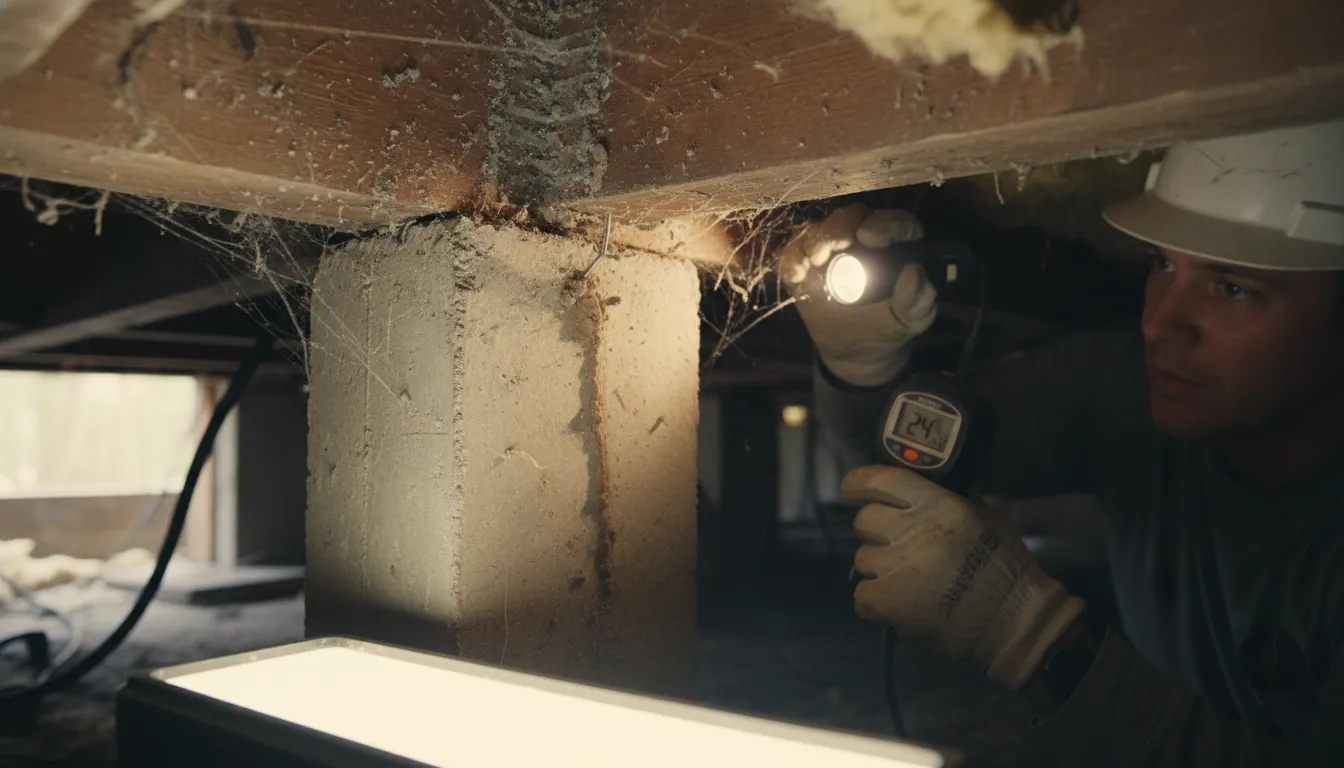
Find the Best Termite Inspection Companies for Your Business
No obligation • Fast responses • Nationwide coverage

Why you can trust Pest Crews
Pest Crews is a leading U.S. resource for finding and evaluating residential and commercial pest control services. Our team researches providers, reviews treatment approaches, and organizes unbiased information to help you make informed decisions. Companies cannot pay to change our editorial content or influence how they appear.
Search providers near you
Top Termite Inspection Companies in Boulder, Colorado Ranked
A termite inspection is a specialized assessment of your property to detect the presence of wood-destroying organisms like termites and the conditions that attract them. This service is critical in Boulder, where specific pests thrive, as it can identify hidden damage that threatens your home's structural integrity and value. By understanding what a professional looks for and the local risks, you can make an informed decision about protecting your investment.
Side by Side Pest Control, LLC
Denver, CO
Side by Side Pest Control, LLC is a pest control company based in Denver, CO, specializing in the removal and management of rodents, ants, cockroaches, and termites for both residential and commercial properties. They provide thorough inspections to identify infestations and develop customized treatment plans using safe and environmentally friendly methods. Their termite control service includes detailed property assessments to target and prevent damage effectively.

Pest Arrest Pest Control - Boulder
1495 Canyon Blvd Suite 301, Boulder, CO 80302
Pest Arrest Pest Control - Boulder is a veteran and family-owned pest control company serving Denver, CO. They provide residential and commercial pest control solutions using eco-friendly Integrated Pest Management methods to protect homes and businesses from a wide range of pests including ants, cockroaches, rodents, termites, bees, wasps, and more. Known for their ARREST System® plans, they offer targeted treatments that often resolve infestations in one visit and specialize in rodent control through their Mice Masters™ service. Pest Arrest has been serving the Denver Metro Area since 2019 with a focus on sustainable pest management and customer care.

Pest Arrest Pest Control - Denver
1630 Welton St, Denver, CO 80202
Pest Arrest Pest Control - Denver is a veteran and family-owned pest control company serving Denver, CO, and surrounding areas since 2019. They provide residential and commercial pest control solutions using eco-friendly Integrated Pest Management (IPM) methods to protect homes and businesses from a wide range of pests including ants, cockroaches, rodents, wasps, and more. The company is known for its proven treatments that often resolve infestations within one or two visits, with specialized expertise in rodent control through their Mice Masters™ program. Pest Arrest emphasizes customer care and sustainable pest management without contracts or pressure.
Environmental Pest Control Inc.
304 W Colfax Ave, Denver, CO 80204
Environmental Pest Control Inc. is a pest control company based in Denver, CO, offering services for both residential and commercial properties. They specialize in treatments for a wide range of pests including bed bugs, ants, cockroaches, rodents, termites, mosquitoes, bees, wasps, birds, and wildlife. Their approach includes targeted pest management based on thorough inspections and eco-friendly methods to ensure safety for clients and the environment. The company also provides humane bird control and wildlife removal services through trusted partners. Environmental Pest Control Inc. has been serving the Denver area for several years and offers 24/7 availability for urgent pest issues.

Presto-X Pest Control
445 Bryant St Suite 2, Denver, CO 80204
Presto-X Pest Control provides tailored pest management services for both residential and commercial clients in Denver, CO. They offer solutions for common pests including termites, ants, wasps, bees, rodents, cockroaches, and earwigs. Their commercial services cover industries such as food processing, industrial facilities, restaurants, retail, schools, and offices, with plans designed to meet specific operational and compliance needs. Presto-X has decades of experience serving the Denver area, applying local knowledge to adjust treatments seasonally and protect properties year-round.
Understanding Boulder's Primary Termite Threat
In Boulder, the most common and destructive termite is the eastern subterranean termite1. Unlike drywood termites that infest dry wood, subterranean termites live in the soil and require constant contact with moisture to survive. They construct distinctive mud tubes-pencil-sized tunnels made of soil, saliva, and feces-to travel from their underground colonies to the wood in your home without being exposed to air1. This behavior makes certain areas of a home, particularly damp basements, crawlspaces, and spots with soil-to-wood contact, prime targets for infestation.
What a Professional Inspector Looks For
A thorough termite or Wood-Destroying Organism (WDO) inspection follows industry guidelines and involves a meticulous examination of both the interior and exterior of a property. The goal is to find evidence of active infestation, past damage, and conditions conducive to future problems.
Exterior Inspection Points
Inspectors start outside, surveying the perimeter of your home and any outbuildings. Key areas of focus include:
- Foundation Walls: Searching for the tell-tale mud tubes, which may be found on foundation surfaces, in cracks, or where utilities enter the home.
- Wood-to-Soil Contact: Checking for structural wood, like porch posts or deck ledgers, that directly touches the soil, providing termites with a direct highway into your home.
- Landscaping and Debris: Examining mulch beds, wood piles, stumps, and fallen branches near the house, as these can harbor termites and serve as a bridge to the structure.
- Moisture Sources: Noting poor drainage, faulty gutters, or improper grading that leads to standing water or damp soil around the foundation.
Interior Inspection Points
Inside, the inspector will examine accessible areas where termites are likely to feed or where moisture accumulates.
- Basements and Crawlspaces: These are critical inspection zones. Inspectors look for mud tubes on piers, joists, and foundation walls, as well as for damaged wood that sounds hollow when tapped.
- Attics: While less common for subterranean termites, attics are checked for proper ventilation and signs of other wood-destroying pests.
- Windows, Doors, and Cabinets: Frames and sills are examined for blistering or darkened wood, tiny exit holes, and a substance called frass-a fine, sawdust-like droppings that some wood-boring insects leave behind 2.
- General Signs: Inspectors also look for less obvious evidence, such as discarded wings from swarmers (reproductive termites) near windowsills or in spider webs3.
Find the perfect termite inspection companies for your needs
Get personalized recommendations and expert advice
The Inspection Process and Report
A dedicated termite inspection is typically a separate service from a standard home inspection, though some companies offer bundled services. The process usually takes one to two hours for an average-sized home. Upon completion, you should receive a detailed written report. This document is essential, as it outlines all findings, identifies the type of threat (e.g., subterranean termites, carpenter ants, wood-boring beetles), assesses the level of risk, and provides clear recommendations for treatment or preventive measures 4. This report can be crucial for real estate transactions, insurance purposes, and planning any necessary corrective actions.
When and How Often to Schedule an Inspection
While termites are active year-round, spring is an especially important time for an inspection5 6. This is when termite colonies often release swarmers to start new colonies, making their presence more noticeable. However, given the persistent threat, many experts recommend an annual inspection, especially for older homes or properties with known moisture issues6. It's also a critical step during the home buying process to avoid unexpected and costly repairs after purchase.
Understanding Inspection Costs in Boulder
The cost for a professional termite inspection in Boulder generally ranges from $100 to $3257 8 9. Several factors influence the final price:
- Size and Type of Property: Larger homes or those with complex foundations (like extensive crawlspaces) take more time to inspect.
- Scope of Inspection: A basic WDO inspection differs from a more comprehensive evaluation that includes moisture probing or infrared technology.
- Company and Location: Rates can vary between providers. It's important to clarify what is included in the quoted price and to ensure the inspector is properly licensed and insured.
Beyond Termites: Other Local Wood-Destroying Pests
A comprehensive WDO inspection in Boulder doesn't stop at termites. Inspectors are also trained to identify signs of other local threats, such as:
- Carpenter Ants: These large ants excavate wood to create nests, causing structural damage. They prefer moist, decaying wood but will tunnel into sound wood.
- Wood-Boring Beetles: Various beetles, like powderpost beetles, lay eggs in wood. Their larvae tunnel through it, leaving behind frass and a network of small holes10 11. A good inspector will note any evidence of these pests in their report, providing a full picture of your home's vulnerability.
Preparing for Your Inspection
To ensure the inspection is as thorough as possible, you can take a few simple steps:
- Clear Access: Move boxes, stored items, and furniture away from basement walls, crawlspace access points, and attic entries.
- Trim Landscaping: Cut back shrubs, vines, and tree branches that are touching the house to allow clear visibility of the foundation.
- Address Moisture: If possible, fix minor leaks and ensure downspouts direct water away from the foundation.
Taking these proactive measures helps the inspector do their job effectively and ensures no potential problem area is missed.
Frequently asked questions
Sources
Footnotes
-
Termite Treatment in Boulder, CO - Boulder Pest Pros - https://boulderpestpros.com/termite-treatment/ ↩ ↩2
-
What Does A Termite Inspector Look For? - AG Pest Control - https://www.agpest.com/what-does-a-termite-inspector-look-for/ ↩
-
What Does a Termite Inspector Look For? - Orkin - https://www.orkin.com/pests/termites/what-a-termite-inspector-does ↩
-
Termite Inspections - Home Inspection Boulder CO By A-Pro - https://homeinspectionboulder.com/termite-inspections/ ↩
-
Why Spring is the Perfect Time for Termite Inspections - https://hopperenvironmentalservices.com/why-spring-is-the-perfect-time-for-termite-inspections/ ↩
-
How Often Termite Inspections Should Occur - Arizona Termite Specialists - https://www.arizonatermitespecialists.com/blog/2023/february/how-often-termite-inspections-should-occur/ ↩ ↩2
-
Termite Inspections in Boulder, CO - https://homeinspectionsovercoffee.com/colorado/boulder/home-inspection/termite-inspections/ ↩
-
Termite Inspections: Cost and What to Expect - U.S. News Real Estate - https://realestate.usnews.com/real-estate/articles/termite-inspections-cost-and-what-to-expect ↩
-
How Much Does a Termite Inspection Cost? - https://www.maxrealestateexposure.com/termite-inspection/ ↩
-
Termites - Agricultural Biology - CSU College of Ag Sciences - https://agsci.colostate.edu/agbio/ipm-pests/termites/ ↩
-
Pest Inspection | Colorado Denver Boulder - https://scotthomeinspection.com/pest-inspection/ ↩