Find the Best Termite Inspection Companies for Your Business
No obligation • Fast responses • Nationwide coverage

Why you can trust Pest Crews
Pest Crews is a leading U.S. resource for finding and evaluating residential and commercial pest control services. Our team researches providers, reviews treatment approaches, and organizes unbiased information to help you make informed decisions. Companies cannot pay to change our editorial content or influence how they appear.
Search providers near you
Top Termite Inspection Companies in Denver, Colorado Ranked
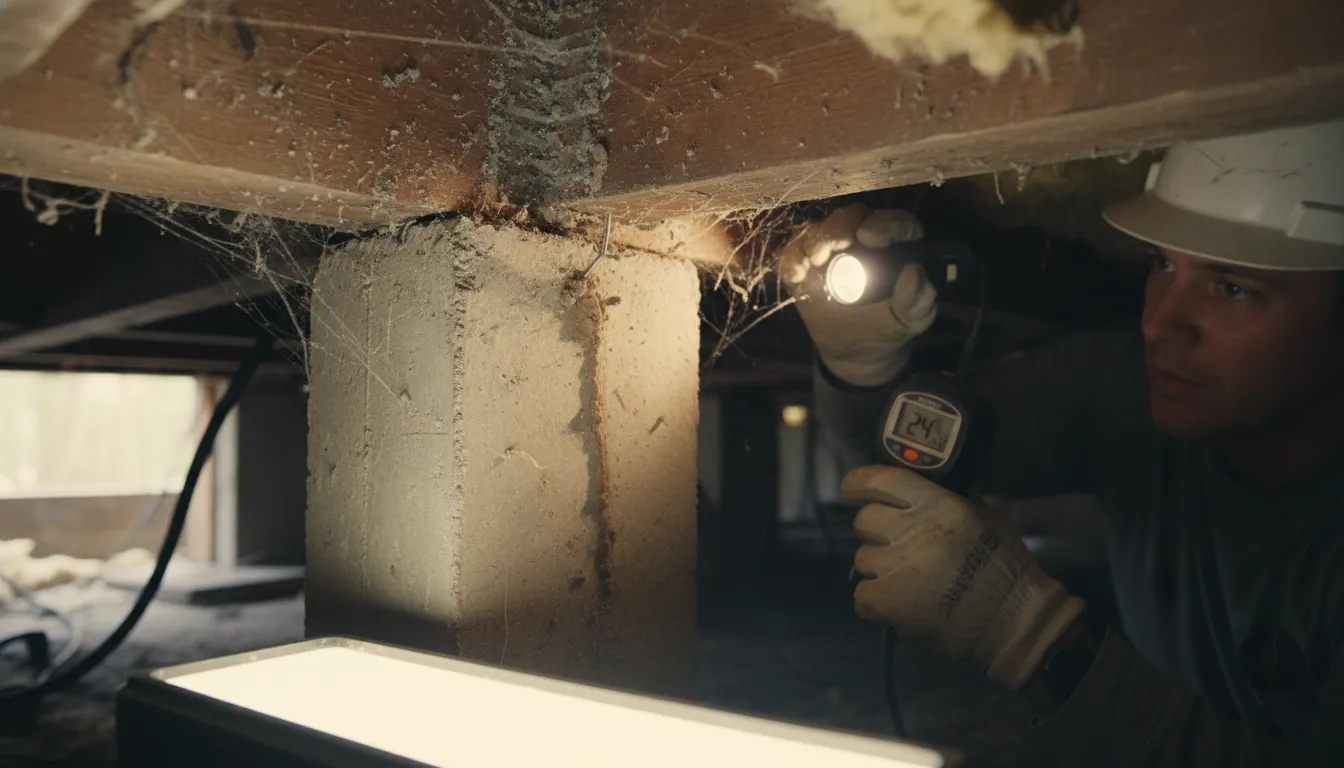
A professional termite inspection is a critical evaluation of your property to detect the presence of destructive wood-destroying organisms and the conditions that attract them. In Denver, where the climate can be deceptive, these assessments are essential for protecting your largest investment from costly, hidden damage. This guide will help you understand the local inspection process, what inspectors look for, and how to connect with qualified professionals in the Denver area to safeguard your home.
Side by Side Pest Control, LLC
Denver, CO
Side by Side Pest Control, LLC is a pest control company based in Denver, CO, specializing in the removal and management of rodents, ants, cockroaches, and termites for both residential and commercial properties. They provide thorough inspections to identify infestations and develop customized treatment plans using safe and environmentally friendly methods. Their termite control service includes detailed property assessments to target and prevent damage effectively.

Pest Arrest Pest Control - Boulder
1495 Canyon Blvd Suite 301, Boulder, CO 80302
Pest Arrest Pest Control - Boulder is a veteran and family-owned pest control company serving Denver, CO. They provide residential and commercial pest control solutions using eco-friendly Integrated Pest Management methods to protect homes and businesses from a wide range of pests including ants, cockroaches, rodents, termites, bees, wasps, and more. Known for their ARREST System® plans, they offer targeted treatments that often resolve infestations in one visit and specialize in rodent control through their Mice Masters™ service. Pest Arrest has been serving the Denver Metro Area since 2019 with a focus on sustainable pest management and customer care.

Pest Arrest Pest Control - Denver
1630 Welton St, Denver, CO 80202
Pest Arrest Pest Control - Denver is a veteran and family-owned pest control company serving Denver, CO, and surrounding areas since 2019. They provide residential and commercial pest control solutions using eco-friendly Integrated Pest Management (IPM) methods to protect homes and businesses from a wide range of pests including ants, cockroaches, rodents, wasps, and more. The company is known for its proven treatments that often resolve infestations within one or two visits, with specialized expertise in rodent control through their Mice Masters™ program. Pest Arrest emphasizes customer care and sustainable pest management without contracts or pressure.
Environmental Pest Control Inc.
304 W Colfax Ave, Denver, CO 80204
Environmental Pest Control Inc. is a pest control company based in Denver, CO, offering services for both residential and commercial properties. They specialize in treatments for a wide range of pests including bed bugs, ants, cockroaches, rodents, termites, mosquitoes, bees, wasps, birds, and wildlife. Their approach includes targeted pest management based on thorough inspections and eco-friendly methods to ensure safety for clients and the environment. The company also provides humane bird control and wildlife removal services through trusted partners. Environmental Pest Control Inc. has been serving the Denver area for several years and offers 24/7 availability for urgent pest issues.
Presto-X Pest Control
445 Bryant St Suite 2, Denver, CO 80204
Presto-X Pest Control provides tailored pest management services for both residential and commercial clients in Denver, CO. They offer solutions for common pests including termites, ants, wasps, bees, rodents, cockroaches, and earwigs. Their commercial services cover industries such as food processing, industrial facilities, restaurants, retail, schools, and offices, with plans designed to meet specific operational and compliance needs. Presto-X has decades of experience serving the Denver area, applying local knowledge to adjust treatments seasonally and protect properties year-round.
Why Termite Inspections Matter in Denver
Many homeowners assume Colorado's dry climate makes termites a non-issue, but this is a dangerous misconception. Subterranean termites, the most common type found along the Front Range, thrive in areas with moisture1 2. Urban environments like Denver provide ample moisture sources through irrigation, plumbing leaks, and air conditioning condensation, creating ideal habitats for these pests3 2. Furthermore, heated buildings can support less common drywood termite colonies4 5. An inspection acts as an early detection system, identifying not just active infestations but also "conducive conditions"-the vulnerabilities in and around your home that could lead to a future problem. Catching issues early through a routine inspection, which typically costs between $100 and $200, can prevent structural repairs that run into the thousands 6.
What a Professional Inspector Looks For
A thorough termite evaluation is a detailed investigation, with the inspector acting as a detective searching for subtle clues. The process is systematic, examining both the exterior and interior of the property for signs of activity and risk factors.
Exterior Inspection Points
The inspection begins outside, where inspectors identify entry points and attractive environments for termites:
- Foundation and Soil Contact: Checking for cracks in the foundation and, crucially, any wood (like siding, decks, or porch steps) making direct contact with the soil, which provides a bridge for subterranean termites.
- Moisture Sources: Identifying poor drainage, overgrown vegetation, excessive mulch against the house, and malfunctioning sprinkler systems that keep the soil damp.
- Harborage Sites: Looking at wood piles, stored lumber, or debris near the home's foundation that could harbor termites.
- Vents and Openings: Ensuring crawl space and attic vents are properly screened and that there are no other unsecured openings.
Interior Inspection Points
Inside, the inspector will meticulously examine areas prone to moisture and containing wood:
- Basements, Crawl Spaces, and Attics: These are primary focus areas. Inspectors look for mud tubes (pencil-sized tunnels of soil and saliva), damaged wood, and termite droppings called "frass".
- Kitchens and Bathrooms: Areas around sinks, dishwashers, tubs, and toilets are checked for leaks and soft, damaged wood.
- Windows, Doors, and Trim: Inspectors tap on baseboards, window frames, and door jambs, listening for a hollow sound that indicates internal damage.
- Utility Rooms and Closets: Often overlooked spaces where moisture or clutter can hide early signs of an issue7.
Key Signs of Termite Activity
During the inspection, professionals are trained to identify clear evidence of an infestation:
- Mud Tubes: The hallmark sign of subterranean termites. These shelter tubes are often found on foundation walls, in crawl spaces, or running along floor joists.
- Frass: Drywood termites produce wood-colored, pellet-like droppings that often accumulate in small piles below "kick-out" holes in infested wood.
- Damaged Wood: Wood that sounds hollow when tapped, appears blistered or dark, or has maze-like patterns just beneath the surface 8.
- Discarded Wings: Swarmer termites (reproductives) shed their wings after finding a mate. Piles of tiny, identical wings near windowsills or light sources are a common sign9.
Find the perfect termite inspection companies for your needs
Get personalized recommendations and expert advice
Understanding Termite Species in Denver
Knowing which type of termite you're dealing with influences the inspection focus and any subsequent treatment plan.
- Subterranean Termites: This is the most common and destructive species in Denver. They live in colonies in the soil and build the characteristic mud tubes to access food sources (the wood in your home) while protecting themselves from dry air. Their need for constant soil contact and moisture makes areas with water leaks or poor drainage prime targets.
- Drywood Termites: While less prevalent in Colorado's natural climate, they can be found, particularly in heated structures. Unlike subterranean termites, drywood termites infest dry wood directly (like attic framing, furniture, or siding) and do not require contact with soil. Their presence is often given away by piles of frass.
The Inspection Report and Next Steps
A quality termite inspection concludes with a detailed written report. This document should include:
- Findings: A clear statement on whether evidence of active or previous termite activity was found.
- Photographs: Visual evidence of any damage, signs, or conducive conditions noted during the inspection.
- Recommendations: Specific advice for correcting moisture issues, removing wood-to-soil contact, or sealing entry points. If activity is found, the report will outline treatment options, ranging from localized spot treatments to comprehensive baiting systems or liquid soil barriers 10.
Treatment costs in Denver can vary widely based on the infestation's severity and the home's size. Minor, localized issues may be addressed for $300-$900, while standard whole-house liquid or bait treatments typically range from $1,000 to $2,500. For severe drywood infestations requiring fumigation, costs can reach $2,000 to $5,000 or more11 12 13. Many homeowners opt for annual maintenance plans, costing between $200 and $400, which include periodic re-inspections and coverage for any new activity14 13.
Frequently asked questions
Sources
Footnotes
-
Pest Inspection | Colorado Denver Boulder - https://scotthomeinspection.com/pest-inspection/ ↩
-
Denver's Complete Commercial Termite Treatment Guide For ... - https://www.myshyft.com/blog/commercial-termite-treatment-denver-colorado/ ↩ ↩2
-
What to Expect During a Termite Inspection - Massey Services - https://www.masseyservices.com/termite-control/what-to-expect-free-termite-inspection/ ↩
-
7 Signs of Termites in the Home - https://prospecthomeinspections.us/signs-of-termites/ ↩
-
Pest Control - https://www.calassoc-hoa.com/homeowners-association/general-information/pest-control/ ↩
-
How Much Does a Termite Inspection Cost? - https://patriotinspect.com/how-much-does-a-termite-inspection-cost/ ↩
-
Full Guide to Professional Termite Inspections for Home Inspectors - https://www.homegauge.com/learning/home-inspectors-termites/ ↩
-
Denver, Colorado Termite Issues, & Problems to Inspect - https://chiphomeinspection.com/denver-colorado-termite-issues-problems-to-inspect/ ↩
-
What Happens During a Termite Inspection - Terminix - https://www.terminix.com/termite-control/inspection/ ↩
-
Termite inspection: How it works - Western Exterminator - https://www.westernexterminator.com/termite-control/termite-inspection ↩
-
Termite Inspections for Homebuyers: Requirements & Costs - https://www.freedommortgage.com/learning-center/articles/termite-inspection-home-purchase ↩
-
Termite Inspection Cost [2026 Data] - Angie's List - https://www.angi.com/articles/how-much-does-termite-inspection-cost.htm ↩
-
VA Termite and Pest Inspections: List of Requirements By State - https://www.veteransunited.com/valoans/va-termite-pest-inspections/ ↩ ↩2
-
Termite Control In The Denver, Colorado Area - enviropest.com - https://www.enviropest.com/blog/post/termite-control-in-the-denver-metro ↩