Find the Best Termite Inspection Companies for Your Business
No obligation • Fast responses • Nationwide coverage

Why you can trust Pest Crews
Pest Crews is a leading U.S. resource for finding and evaluating residential and commercial pest control services. Our team researches providers, reviews treatment approaches, and organizes unbiased information to help you make informed decisions. Companies cannot pay to change our editorial content or influence how they appear.
Search providers near you
Top Termite Inspection Companies in Loveland, Colorado Ranked
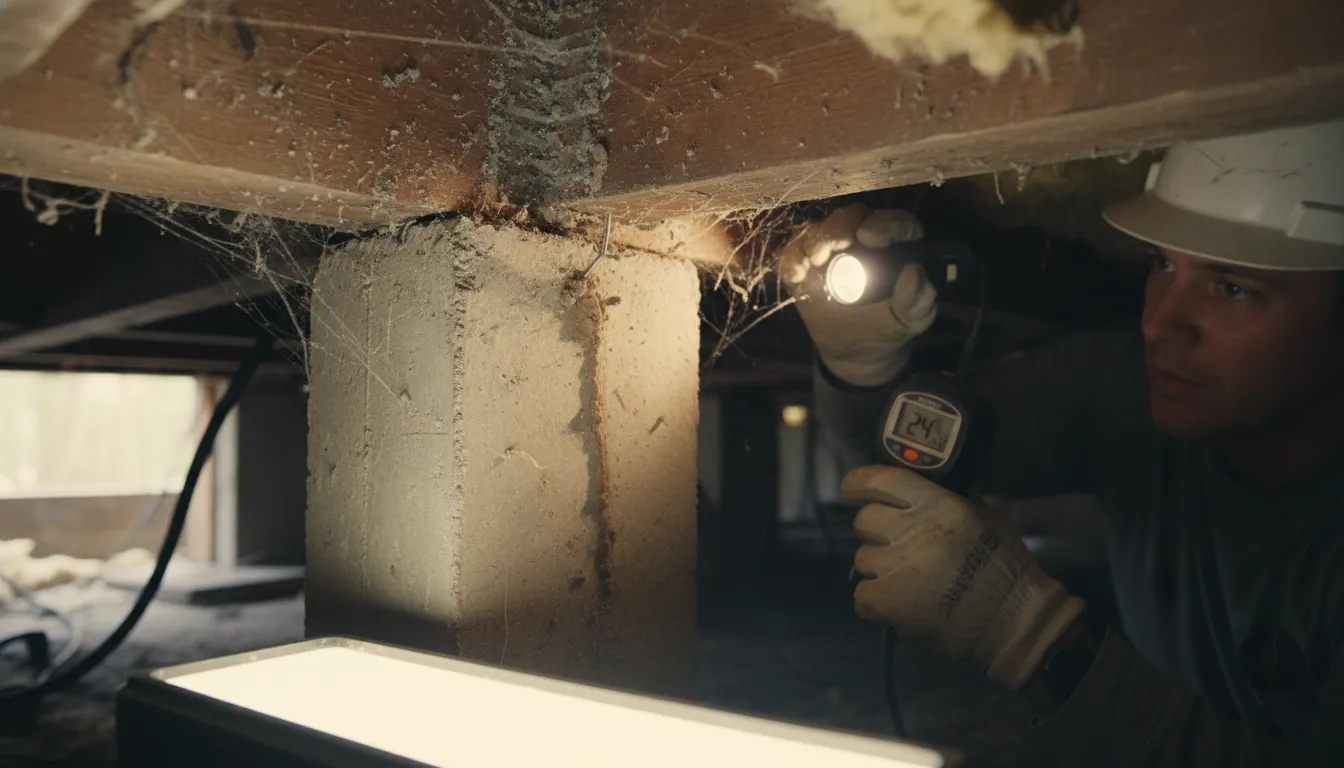
A termite inspection is a specialized evaluation of your home to detect the presence of destructive wood-destroying insects and the conditions that attract them. For Loveland homeowners, this service is critical because termites can cause extensive, costly structural damage that is often hidden from plain sight. This guide will help you understand the process, what local inspectors look for, and how to find qualified professionals to protect your investment.

Pest Arrest Pest Control - Boulder
1495 Canyon Blvd Suite 301, Boulder, CO 80302
Pest Arrest Pest Control - Boulder is a veteran and family-owned pest control company serving Denver, CO. They provide residential and commercial pest control solutions using eco-friendly Integrated Pest Management methods to protect homes and businesses from a wide range of pests including ants, cockroaches, rodents, termites, bees, wasps, and more. Known for their ARREST System® plans, they offer targeted treatments that often resolve infestations in one visit and specialize in rodent control through their Mice Masters™ service. Pest Arrest has been serving the Denver Metro Area since 2019 with a focus on sustainable pest management and customer care.
EnviroPest
1200 Pearl St Suite 314, Boulder, CO 80302
EnviroPest is a Colorado-based pest control company serving Denver, CO, and the surrounding Northern Colorado area. Established in 1965, the company offers comprehensive pest management services for homes and businesses, including treatment for ants, roaches, rodents, termites, mosquitoes, bees, and wasps. EnviroPest uses specialized methods such as the Trelona ATBS System for termite baiting and provides 24/7 digital rodent monitoring to quickly detect and address rodent activity. Their services include seasonal treatments and pest exclusion to protect properties year-round.

Orkin
2415 E Mulberry St Ste 9, Fort Collins, CO 80524
Orkin provides residential and commercial pest control services in Fort Collins, CO. With over 120 years of experience, they handle a wide range of pests including bed bugs, cockroaches, ants, rodents, termites, mosquitoes, and stinging insects. Orkin offers customized pest management plans tailored to local pest behavior and seasonal changes. Their termite control includes inspections and treatments such as Sentricon bait and liquid barriers. The company operates 24/7, providing flexible scheduling and next-day service to address pest issues promptly.
Iconic Pest Solutions
Fort Collins, CO
Iconic Pest Solutions is a locally owned pest control company serving Fort Collins, CO, and the broader Northern Colorado region. They offer a range of services including pest control for ants, cockroaches, rodents, termites, wasps, hornets, and wildlife such as birds and bats. Their expertise includes humane wildlife removal and termite treatments designed to protect properties from damage. The company is owner-operated, providing personalized service without long-term contracts, and serves both residential and commercial clients across Northern Colorado.

Terminix
318 N Garfield Ave, Loveland, CO 80537
Terminix provides pest control services in Fort Collins, CO, addressing a wide range of pests including bed bugs, cockroaches, ants, rodents, termites, mosquitoes, bees, wasps, and wildlife. The company offers both interior and exterior treatments tailored to local pest challenges and includes specialized termite inspections and control. Terminix also provides ongoing prevention plans such as the PestFree365 program, which covers numerous common household pests. Their Loveland branch technicians are familiar with the area's pest issues and supported by a nationwide network. The company emphasizes thorough inspections and targeted treatments to manage infestations effectively.
Understanding Termite Threats in Northern Colorado
While Colorado's climate can be harsh, several termite species are well-adapted and active in the state. The most common threat in Loveland is the Eastern Subterranean termite1. These insects live in underground colonies and require contact with soil moisture to survive. They construct distinctive mud tubes to travel between their nest and food sources-your home's wooden structures. Other species, like the Arid-land Subterranean and the Western Drywood termite, are also present and can infest drier wood without needing soil contact1 2.
The primary reason termite inspections are so vital here is the potential for severe structural compromise. Termites consume wood from the inside out, leaving a thin veneer that can collapse under pressure. An inspection is a proactive measure to identify an infestation early, often before visible damage occurs, saving you from exorbitant repair bills.
Key Signs Inspectors Look For in Loveland Homes
Professional termite inspectors are trained to identify both active infestations and "conducive conditions" that make your property vulnerable. During a termite check, they conduct a meticulous search for specific evidence.
Visible Evidence of Activity:
- Mud Tubes: These are pencil-thin, brown tunnels made of soil and saliva, often found on foundation walls, in crawl spaces, or on piers. They are a telltale sign of subterranean termites.
- Frass: This is termite droppings. Drywood termites push out small, wood-colored, pellet-like frass from their kick-out holes, which can accumulate on windowsills or floors below infested wood.
- Damaged Wood: Inspectors will tap on wood surfaces. Wood that sounds hollow or papery when tapped likely has internal galleries eaten away by termites. They also look for wood that appears blistered, darkened, or has maze-like patterns beneath the surface.
Conducive Conditions (Risk Factors):
- Excess Moisture: This is the biggest attractant. Inspectors use moisture meters to find areas with high humidity, such as around leaky pipes, faulty gutters, poor drainage, or condensation in crawl spaces.
- Wood-to-Soil Contact: Any structural wood-like siding, door frames, or deck posts-touching the soil provides a direct highway for termites.
- Cracks and Entry Points: Tiny cracks in the home's concrete foundation or gaps around utility lines and pipes are potential entry points that inspectors will note 3.
The Professional Termite Inspection Process: Step-by-Step
A comprehensive termite evaluation is both an art and a science. Here's what you can expect when a professional inspects your Loveland home.
1. Exterior Inspection: The inspector starts outside, walking the entire perimeter of your home. They examine the foundation for mud tubes and cracks, check soil grading for proper drainage away from the house, and inspect any wood-to-soil contact points. They'll also look at fences, decks, mulch beds, and nearby trees, as these can harbor termites that may eventually migrate to your home 4 5.
2. Interior Inspection: Inside, the inspector will access all accessible areas. This includes:
- Basements and Crawl Spaces: These are high-priority areas due to their proximity to soil and potential for moisture.
- Attics: To check for drywood termite activity, frass, or damaged roof sheathing.
- Living Areas: Inspecting along baseboards, window and door frames, under sinks, and in closets for any signs of damage or moisture 6.
3. Use of Specialized Tools: Beyond a flashlight and probing tool, inspectors often use advanced equipment:
- Moisture Meters: To pinpoint areas of elevated moisture within walls and structural wood.
- Infrared Cameras (Thermal Imaging): These tools can detect temperature differences behind walls, potentially revealing hidden moisture or termite nests, which generate heat 7 8.
4. The Inspection Report: After the assessment, you will receive a detailed report. A quality report doesn't just state "termites" or "no termites." It should document all findings, including locations of any active infestations, evidence of past treatment, damage, and a list of all conducive conditions observed (e.g., "earth-to-wood contact at the west deck post," "moisture accumulation in the north crawl space")9 10. This report is your roadmap for any necessary treatment and corrective actions.
Find the perfect termite inspection companies for your needs
Get personalized recommendations and expert advice
When is the Best Time for a Termite Inspection in Loveland?
While you can and should schedule a termite assessment any time you have concerns, spring is considered the ideal season11. As temperatures warm, termite colonies become more active, and reproductive "swarmers" may emerge inside homes, providing a clear visual sign of a problem. Swarming season makes it an excellent time for a proactive inspection.
Beyond seasonal timing, consider an inspection in these situations:
- Before Purchasing a Home: A termite inspection is a non-negotiable part of the due diligence process in Loveland.
- After Noticing Signs: If you see mud tubes, frass, or damaged wood, schedule an inspection immediately.
- As Part of Regular Maintenance: Even without signs, an annual or bi-annual inspection is a wise preventative measure, especially for older homes or those with known moisture issues.
- Before and After Major Renovations: Ensure you're not building onto an existing problem or creating new entry points.
Understanding the Value and Cost of an Inspection
The cost of a termite inspection in Loveland is an investment in your home's structural integrity. While prices can vary based on the home's size, foundation type, and the inspector's expertise, the fee is generally modest, especially when weighed against the potential cost of repairing termite damage, which can run into the tens of thousands of dollars12 13.
Many local pest control companies may offer a free or reduced-cost inspection if you proceed with a treatment plan with them. It's important to clarify pricing upfront. Remember, you are paying for the inspector's trained eye, experience, and time. A thorough inspection can take one to two hours or more for an average-sized home.
Preparing Your Home for an Inspection
To ensure the inspector can do a thorough job, a little preparation helps:
- Clear Access: Move stored items away from basement walls, crawl space access doors, and attic hatches. Clear clutter from garage and closet perimeters.
- Trim Vegetation: Trim back shrubs, vines, or tree branches that are touching the house to allow clear visibility of the foundation.
- Move Mulch: Temporarily pull back mulch from the foundation line if possible.
- Note Your Concerns: Write down any areas where you've seen suspicious signs (e.g., "soft wood near the laundry room sink") to point out to the inspector.
By choosing a qualified professional and understanding the process, you gain peace of mind and take a powerful step in protecting your Loveland home from hidden threats.
Frequently asked questions
Sources
Footnotes
-
Termites - Agricultural Biology - CSU College of Ag Sciences - https://agsci.colostate.edu/agbio/ipm-pests/termites/ ↩ ↩2
-
Tucson Termite Control - https://www.azpest.com/tucson-termite-control/ ↩
-
Full Guide to Professional Termite Inspections for Home Inspectors - https://www.homegauge.com/learning/home-inspectors-termites/ ↩
-
The Colorado Home Inspector - Foothills Home Inspections - https://foothillshomeinspections.com/colorado-home-inspector/ ↩
-
How to Prepare Your House for a Termite Inspection? - https://www.hitechtermite.com/articles/how-to-prepare-your-house-for-a-termite-inspection ↩
-
What Does A Termite Inspector Look For? - AG Pest Control - https://www.agpest.com/what-does-a-termite-inspector-look-for/ ↩
-
What to Expect from a Professional Termite Inspection & Treatment - https://pinellastermite.com/professional-termite-inspection-and-treatment-what-to-expect/ ↩
-
What Does a Termite Inspector Look For? - Orkin - https://www.orkin.com/pests/termites/what-a-termite-inspector-does ↩
-
Fort Collins Termite Inspections - https://npiweb.com/noco/services/termite-inspections/ ↩
-
What Happens During a Termite Inspection: What You Need to Know - https://ecolatermite.com/what-happens-during-a-termite-inspection-what-you-need-to-know/ ↩
-
Why Spring is the Perfect Time for Termite Inspections - https://hopperenvironmentalservices.com/why-spring-is-the-perfect-time-for-termite-inspections/ ↩
-
Termite Inspection in Loveland, CO - Costs 11 / 2025 - Homeyou - https://www.homeyou.com/co/termite-inspection-loveland-costs ↩
-
How Much Is a Termite Inspection? Complete Cost Overview - HomeLight - https://www.homelight.com/blog/how-much-is-a-termite-inspection/ ↩