Find the Best Termite Inspection Companies for Your Business
No obligation • Fast responses • Nationwide coverage

Why you can trust Pest Crews
Pest Crews is a leading U.S. resource for finding and evaluating residential and commercial pest control services. Our team researches providers, reviews treatment approaches, and organizes unbiased information to help you make informed decisions. Companies cannot pay to change our editorial content or influence how they appear.
Search providers near you
Top Termite Inspection Companies in Dunwoody, Georgia Ranked
A termite inspection is a critical evaluation of your property to detect the presence or potential for wood-destroying insects, primarily termites. In Dunwoody, where subterranean termites are a constant threat, this service is essential for protecting your home's structural integrity and value. This guide explains what a termite inspection entails, what inspectors look for, and how you can connect with qualified local professionals to schedule an assessment for your property.
Arrow Exterminators
5591 Chamblee Dunwoody Rd Bldg 1300, Ste 20, Dunwoody, GA 30338
Arrow Exterminators is a pest control company serving Atlanta, GA, specializing in the management of various pests including ants, termites, mosquitoes, rodents, and wildlife. They provide inspection and removal services for stinging insects like wasps and hornets, as well as control for fleas, ticks, and fire ants. Their expertise includes handling subterranean termite colonies and addressing rodent infestations that pose health and structural risks. The company also manages wildlife intrusions from animals such as squirrels and raccoons, which can cause damage and contamination in homes.

Anthem Pest Control
1710 Cumberland Point Dr Suite 8, Marietta, GA 30067
Anthem Pest Control offers pest control services in Atlanta, GA, focusing on safe and eco-friendly treatments for a variety of pests including cockroaches, rodents, termites, mosquitoes, and more. They emphasize family-safe methods and target pests at their source to protect homes effectively. Anthem Pest Control is recognized for its extensive experience and has received numerous positive reviews for its pest, termite, and mosquito control services. Their approach includes a satisfaction guarantee with free re-services to ensure lasting pest-free results.
EcoShield Pest Solutions
3916 Tradeport Blvd #1003, Atlanta, GA 30354
EcoShield Pest Solutions is a pest control company based in Atlanta, GA, offering a wide range of services including bed bug treatment, cockroach and ant control, rodent and wildlife exclusion, termite inspection and prevention, and mosquito control. They provide specialized services such as attic and crawl space insulation to help keep pests out while improving energy efficiency. EcoShield emphasizes environmentally conscious pest management using EPA-regulated materials applied by state-licensed technicians. The company serves both residential and commercial clients and supports community initiatives like hunger relief. Their service coverage extends beyond Atlanta to multiple states across the U.S.
Procare Pest Services
585 Old Norcross Rd Suite J, Lawrenceville, GA 30046
Procare Pest Services is a pest control company serving the Greater Atlanta area, including Atlanta, GA. Since 2014, they have provided residential and commercial pest control solutions, including termite inspections, mosquito control, and wildlife removal. Procare offers eco-friendly pest treatments and customized plans to address various pest issues. Their services focus on protecting homes and businesses with effective treatments developed to meet individual needs.
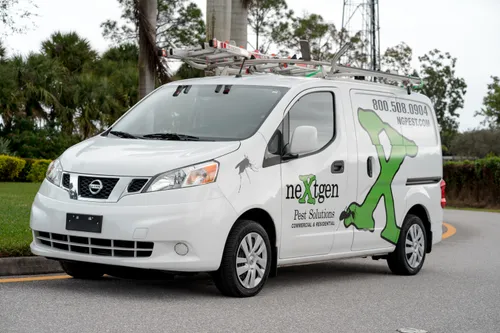
Nextgen Pest Solutions
56 Perimeter Center E Suite 150, Dunwoody, GA 30346
Nextgen Pest Solutions is a veteran-led pest control and wildlife removal company serving the Atlanta, GA area. They provide comprehensive pest management services for both residential and commercial properties, including ant, bed bug, termite, mosquito, rodent, and bird control. Their approach uses eco-conscious methods tailored to local conditions, emphasizing inspection, prevention, and minimal product use. Nextgen Pest Solutions is QualityPro-accredited and offers 24-hour emergency support to address urgent pest issues. Their wildlife removal services include humane capture and relocation of animals such as raccoons, snakes, and squirrels.
Why Termite Inspections Are Crucial in Dunwoody
Georgia's warm, humid climate creates an ideal environment for termites, making them a year-round threat to homes. In Dunwoody, the most common and destructive species are Eastern Subterranean termites, which live underground and build mud tubes to access the wood in your home 1 2. A second, highly aggressive species, the Formosan termite, is also prevalent in the region and known for forming massive colonies that can cause severe damage rapidly 3 4. Without regular inspections, an infestation can go unnoticed for years, leading to costly structural repairs. A professional termite evaluation provides peace of mind and is often a mandatory step in real estate transactions, requiring a formal Wood-Destroying Insect (WDI) report.
What a Professional Inspector Looks For
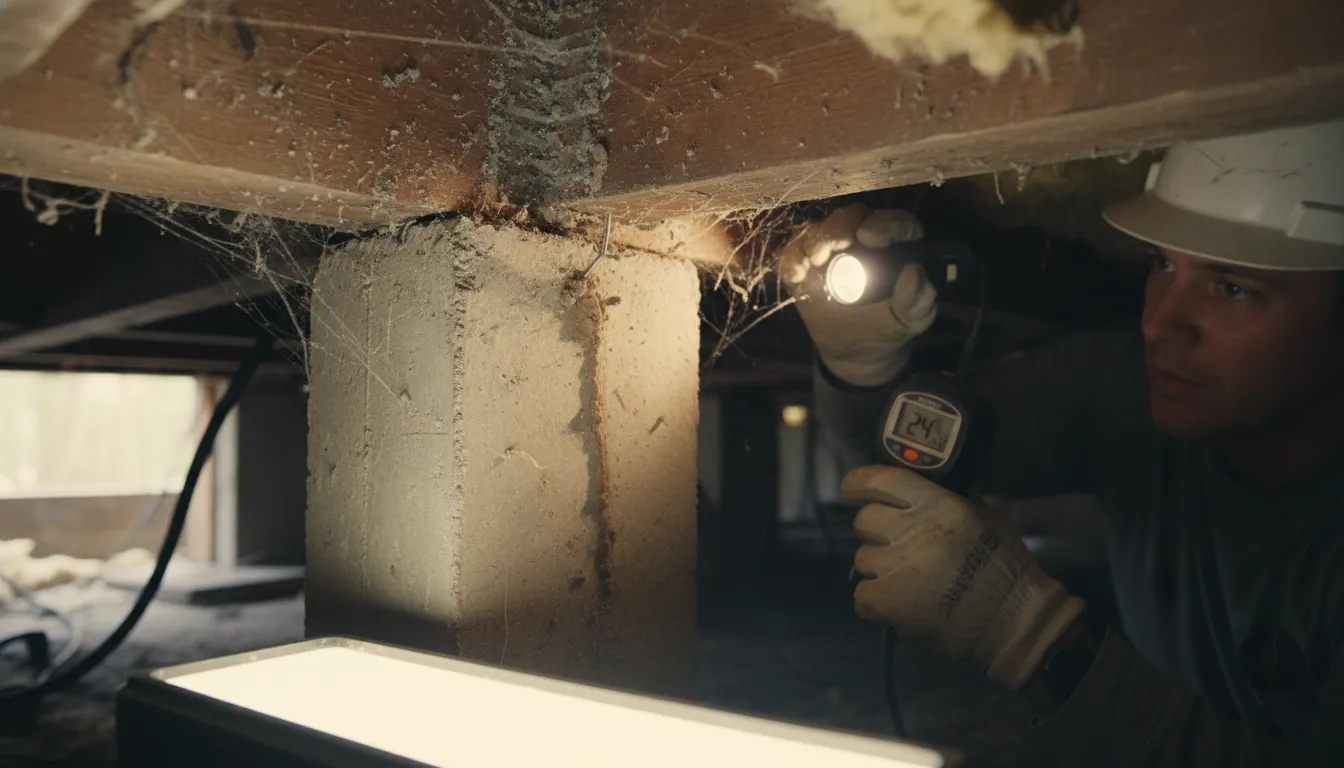
During a termite assessment, a certified inspector conducts a thorough visual examination of both the interior and exterior of your home. Their goal is to identify active infestations, past damage, and conditions that could attract termites. Here are the key signs and areas they focus on:
- Mud Tubes: These are pencil-sized tunnels made of soil and saliva that subterranean termites build to travel between their colony and food source. Inspectors meticulously check foundations, crawlspace walls, piers, and slab cracks for these telltale signs.
- Wood Damage: Inspectors will probe accessible wood elements with a tool. Damaged wood sounds hollow when tapped and may be soft or crumbly. They also look for termite frass (droppings), which resembles sawdust or coffee grounds, and discarded wings from swarmers.
- Conducive Conditions: A major part of the inspection is identifying factors that invite termites. This includes excessive moisture from leaks or poor drainage, wood-to-soil contact (like deck posts or fence rails touching dirt), and dense vegetation or stored items (firewood, cardboard) against the home's exterior 5.
- Key Inspection Areas: The inspection is comprehensive, covering:
- Foundation: Both interior and exterior perimeter.
- Crawlspaces & Basements: Prime locations for mud tubes and moisture.
- Attics: To check for drywood termite droppings or damage from the top down.
- Interior: Door and window frames, baseboards, and areas around plumbing penetrations.
- Exterior: Landscaping, siding, and any outbuildings or wooden structures 6.
The Termite Inspection Process: What to Expect
Understanding the process can help you prepare and know what to expect when the inspector arrives.
- Scheduling & Preparation: When you contact a professional, they will schedule a time for the inspection. To help the process go smoothly, ensure the inspector has clear access to your attic, crawlspace, basement, and garage. Moving stored items away from walls and trimming back shrubs from the foundation can be helpful 7.
- The On-Site Evaluation: The inspector will perform a detailed, visual inspection of all accessible areas of your home. They will use tools like a flashlight, mirror, and probing instrument to examine wood. The inspection is non-invasive and does not involve tearing into walls 8 9.
- Findings & Report: After the evaluation, the inspector will discuss their immediate findings with you. If no activity is found, they may note any conducive conditions that should be corrected. For real estate transactions, a formal WDI report will be prepared, documenting the inspection's scope and any evidence of active or past infestation.
- Next Steps & Recommendations: If termites are found, the inspector will outline treatment options. If the inspection is clear, they will recommend a schedule for future preventative inspections, which are typically advised annually in high-risk areas like Dunwoody.
Understanding Costs for Termite Evaluations
The cost of a termite inspection in Dunwoody can vary based on several factors. For a standard inspection of a typical single-family home, homeowners can expect to pay between $100 and $200. The final price is often influenced by the size and age of the home, the complexity of the construction (e.g., multiple crawlspaces, extensive decks), and the inspection's purpose.
A significant factor is whether you need a formal WDI report for a real estate sale or purchase. This official document, often required by lenders, may add an additional $50 to $100 to the base inspection cost 10 11. It's also common for pest management companies to offer a basic inspection for free or at a deeply discounted rate if you are also obtaining a quote for termite treatment or a preventative service plan 12 13.
Find the perfect termite inspection companies for your needs
Get personalized recommendations and expert advice
Types of Termites Found in Dunwoody
Knowing your enemy is key to prevention. Dunwoody homeowners should be aware of these two primary threats:
- Eastern Subterranean Termites (Reticulitermes flavipes): This is the most common termite in Georgia. They live in underground colonies and are responsible for the vast majority of structural damage. They construct the characteristic mud tubes to reach above-ground wood and can even damage non-cellulose materials like electrical wiring insulation in their search for moisture 14.
- Formosan Subterranean Termites (Coptotermes formosanus): Often called "super termites," Formosans are an invasive species established in Georgia. They form enormous colonies that can contain millions of termites, leading to faster and more extensive damage than native species. Their presence makes proactive inspections and robust treatment plans even more critical.
How to Prepare for Your Termite Inspection
A little preparation can make the inspector's job more efficient and ensure a more thorough evaluation.
- Clear Access: Ensure the inspector can easily get to your attic hatch, crawlspace entrance, basement, and garage interior. Move any boxes, stored items, or furniture that blocks access to perimeter walls in these areas.
- Exterior Maintenance: Trim back shrubs, tree branches, and ivy at least 12 inches from your home's siding and foundation. Move firewood, lumber, or compost piles away from the structure.
- Address Moisture: Note any areas of standing water, leaking downspouts, or poor drainage around the foundation. Fixing these issues not only aids the inspection but also removes a key attractant for termites.
- Have Questions Ready: Prepare a list of any concerns you have, such as specific areas where you've seen suspicious signs or questions about the age and type of construction in certain parts of your home.
The Importance of the WDI Report in Real Estate
If you are buying or selling a home in Dunwoody, a termite inspection takes on added legal and financial significance. Most mortgage lenders will require a current Wood-Destroying Insect Report as a condition of the loan. This report is a standardized document that states whether there is visible evidence of active or past infestation from termites or other wood-destroying organisms.
A "clear" report (showing no active infestation) facilitates a smooth transaction. If the report indicates active termites, the sale is often contingent on the seller arranging and paying for a professional treatment, followed by a re-inspection to provide a clear report to the buyer. Understanding this process is vital for navigating the local real estate market.
Frequently asked questions
Sources
Footnotes
-
Termites in Georgia | Arete Pest Control - https://aretepestcontrol.com/pest-library/termites-in-georgia/ ↩
-
Types of Termites in Georgia | Hawx Pest Control - https://hawxpestcontrol.com/types-of-termites-in-georgia/ ↩
-
Termite Protection | Signs You Could Be Facing a Termite Problem - https://dixonpest.com/termite/ ↩
-
Common Types of Termites and How To Identify Them - https://www.frontlinepestcontrol.com/blog/common-termites-how-to-identify ↩
-
Termite Inspections: What to Expect and How to Prepare - https://www.petrispestcontrol.com/termite-control/termite-inspections-what-to-expect/ ↩
-
What Does A Termite Inspector Look For? - AG Pest Control - https://www.agpest.com/what-does-a-termite-inspector-look-for/ ↩
-
How to Prepare Your House for a Termite Inspection? - https://www.hitechtermite.com/articles/how-to-prepare-your-house-for-a-termite-inspection ↩
-
Atlanta - Termite Inspection - Residential Inspector Of America - https://www.atlanta.residentialinspector.com/termite-inspections/ ↩
-
What Does a Termite Inspector Look For? - Orkin - https://www.orkin.com/pests/termites/what-a-termite-inspector-does ↩
-
How Much Does a Termite Inspection Cost? - https://patriotinspect.com/how-much-does-a-termite-inspection-cost/ ↩
-
Termite Inspections - https://www.georgia.brickkicker.com/termite-inspections/ ↩
-
Termite Inspection Alpharetta | Costs, Timing & Pro Tips - https://anthempest.com/termite-inspection-alpharetta-ga/ ↩
-
How Much Does a Termite Inspection Cost? - Turin Pest Control - https://turinpest.com/how-much-is-a-termite-inspection/ ↩
-
Subterranean Termites- - Southern Research Station - USDA - https://www.srs.fs.usda.gov/pubs/misc/misc_hg064.pdf ↩