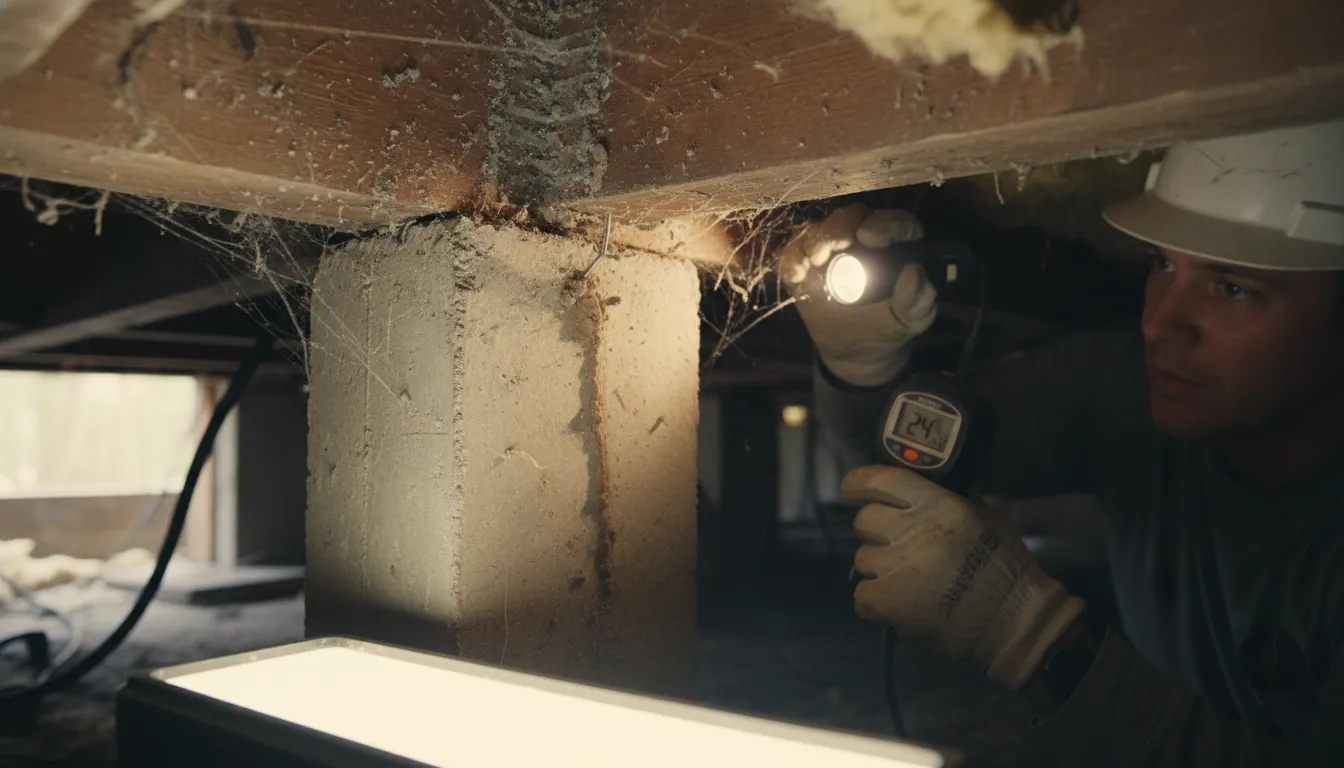
Find the Best Termite Inspection Companies for Your Business
No obligation • Fast responses • Nationwide coverage
Why you can trust Pest Crews
Pest Crews is a leading U.S. resource for finding and evaluating residential and commercial pest control services. Our team researches providers, reviews treatment approaches, and organizes unbiased information to help you make informed decisions. Companies cannot pay to change our editorial content or influence how they appear.
Search providers near you
Best Termite Inspection Companies in Hawaii Ranked
A professional termite inspection is a critical step for any homeowner or prospective buyer in Hawaii. Given the state's warm, humid climate and prevalence of destructive termite species, these evaluations are essential for protecting your property's structural integrity and value. This process involves a licensed specialist conducting a thorough visual examination of your home to identify evidence of active infestations, past damage, and conditions that could attract future problems. Understanding the local standards, costs, and what to expect from a report can help you make informed decisions, especially during real estate transactions.
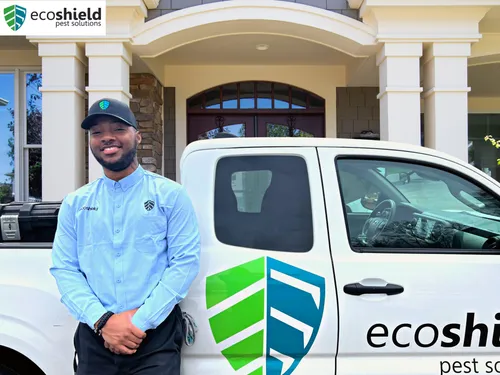
EcoShield Pest Solutions
46-217 Kahuhipa St, Kaneohe, HI 96744
EcoShield Pest Solutions is a pest control company based in Honolulu, HI, offering comprehensive services for residential and commercial properties. They handle a wide range of pests including ants, termites, bed bugs, mosquitoes, rodents, cockroaches, stinging insects, spiders, and ticks. Their expertise includes termite inspections and environmentally friendly mosquito control. EcoShield uses professional products and methods that are safe for people and pets, and they provide guaranteed pest elimination services.
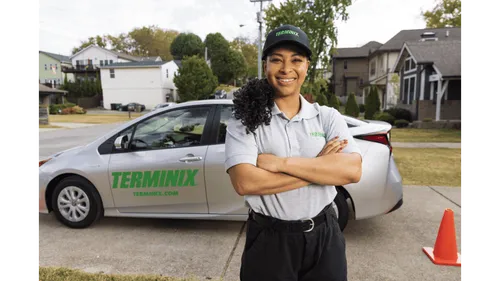
Terminix
99-1410B Koaha Pl, Aiea, HI 96701
Terminix provides pest control and termite inspection services in Honolulu, HI, including Aiea and surrounding areas. The company offers treatments for a wide range of pests such as bed bugs, termites, rodents, mosquitoes, wasps, ants, and cockroaches. Terminix uses Integrated Pest Management strategies to reduce pests while minimizing environmental impact. They provide comprehensive termite inspections and targeted treatments to protect homes from damage. With nearly 100 years of experience, Terminix combines local expertise with support from entomologists and a network of technicians to address seasonal pest challenges effectively.
Orkin
1906 Kahai St, Honolulu, HI 96819
Orkin provides pest control services in Honolulu, HI, addressing a wide range of pests including bed bugs, cockroaches, ants, rodents, termites, mosquitoes, and stinging insects like hornets and wasps. They offer both residential and commercial pest management, creating customized treatment plans tailored to specific pest problems. With over 120 years of experience, Orkin uses scientifically proven methods such as dry foam, liquid applications, and Sentricon® bait for termite control. Their team is available 24/7 to assist with pest issues in the Honolulu area.
Able Pest Management
94-810 Moloalo St #140, Waipahu, HI 96797
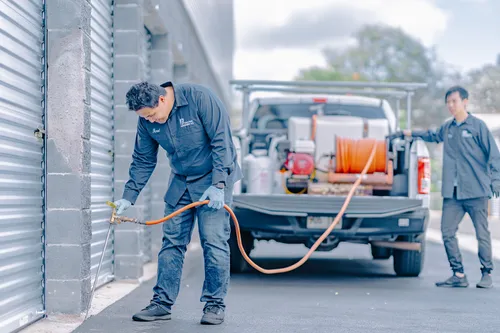
Able Pest Management provides residential and commercial pest control services in Honolulu, HI, and surrounding areas. Since 2000, they have addressed a wide range of pests including termites, rodents, ants, bed bugs, mosquitoes, and stinging insects. Their process begins with a detailed inspection to identify pest types and infestation levels, followed by tailored treatment plans that include interior and exterior services. They emphasize compliance with local regulations and use eco-friendly methods to ensure safety for families and pets. With over 20 years of experience, Able Pest Management offers ongoing follow-up treatments to maintain pest-free properties year-round.
Aloha Termite & Pest Control
4236 Bougainville Ave, Kapolei, HI 96707
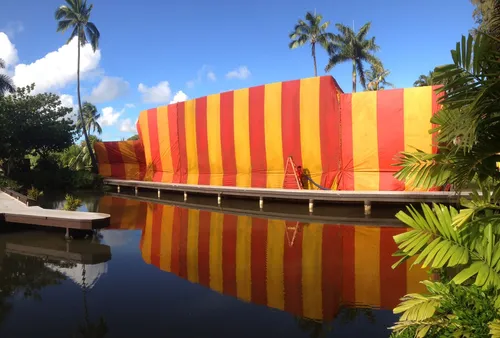
Aloha Termite & Pest Control is a pest control company serving Honolulu, HI, specializing in termite inspections and treatments, as well as controlling bed bugs, rodents, ants, cockroaches, and birds. Since 1999, they have provided pest management solutions for both residential and commercial clients across Hawaii. Their trained and licensed staff focus on accurate pest identification and tailored treatment plans, including termite ground and drywood treatments. The company emphasizes customer satisfaction and offers free estimates.
Why Termite Inspections Are Essential in Hawaii
Hawaii's tropical environment is ideal for termites, making them a persistent and costly threat to homes. Two primary species are of concern: the invasive Formosan subterranean termite and the drywood termite. These pests can cause extensive, hidden damage to wooden structures, often going unnoticed until significant harm has occurred. For anyone purchasing a home, a termite inspection is a standard and non-negotiable part of the due diligence process. It provides a clear snapshot of the property's condition regarding wood-destroying organisms. Furthermore, since standard homeowners' insurance policies almost universally exclude coverage for termite damage, the financial responsibility for repairs falls entirely on the property owner, making prevention and early detection through inspections a wise investment 1.
The Hawaii Termite Inspection Process: Step-by-Step
A termite inspection in Hawaii is a regulated procedure conducted by a licensed Pest Control Operator (PCO). It is far more than a casual look around; it's a systematic evaluation governed by state standards.
1. Hiring a Licensed Professional: The first and most crucial step is to verify the inspector holds a current PCO license from the Hawaii Department of Commerce and Consumer Affairs. This ensures they have the training and authority to perform the inspection and complete the official state-mandated report.
2. Information Gathering: Before the physical inspection begins, a qualified PCO will gather historical data. They will request any prior termite inspection reports or treatment records from the homeowner and review the Seller's Disclosure Statement (often the PC-9 form in real estate transactions).
3. The Visual Examination: The inspector will conduct a meticulous visual check of all accessible areas of the property, both inside and out. The goal is to locate direct evidence of termites and identify "conducive conditions" that could lead to future infestations 2.
- Exterior: The inspector examines the foundation, siding, eaves, and any wood in contact with soil. They look for mud tubes (shelter tubes built by subterranean termites), damaged or hollow-sounding wood, discarded wings from swarmers, and entry points like cracks in the foundation.
- Crawlspace & Substructure: If accessible, these areas are checked for mud tubes, moisture issues, wood debris, and signs of past or present activity.
- Interior: Inside the home, the PCO inspects baseboards, window and door frames, wooden beams, attics, and other structural wood. They tap on wood to listen for a hollow sound and use tools to probe for weakened areas.
4. Diagramming and Documentation: As they inspect, the PCO creates a detailed diagram of the property. This diagram marks the locations of any evidence found (like live termites, damage, or mud tubes), areas that were inaccessible for inspection, and spots with conducive conditions (e.g., earth-to-wood contact, excessive moisture).
Understanding the Official Hawaii Termite Inspection Report (PC-9 Form)
The culmination of the inspection is the formal report, which in Hawaii must be completed on the official "Termite Inspection Report," known as the PC-9 form 3. This standardized document ensures consistency and clarity.
What the Report Includes:
- Property Diagram: A clear sketch noting inspected areas, findings, and inaccessible sections.
- Detailed Findings: A written summary of evidence of active or past infestation, visible damage, and all noted conducive conditions.
- Recommendations: The PCO will recommend specific actions, which may include localized or whole-structure treatment, repairs to damaged wood, or corrections to conducive conditions (like removing wood-to-soil contact or improving ventilation).
- Scope and Limitations: The report explicitly states that the inspection is limited to visible and accessible areas. Hawaii law (HRS § 460J-19(b)) clarifies that the PCO is not liable for damage or infestations in areas that were not accessible or visible during the inspection 4.
How to Use the Report: For buyers, this report is a powerful negotiation tool. It can be used to request that the seller complete recommended treatments or repairs before closing, or to adjust the sale price accordingly. For current homeowners, it serves as a baseline assessment and a guide for necessary protective measures.
Find the perfect termite inspection companies for your needs
Get personalized recommendations and expert advice
What Does a Termite Inspection Cost in Hawaii?
The cost of a termite inspection in Hawaii varies based on the size of the home, its location (e.g., Oahu, Maui, Big Island), and the property's complexity (e.g., single-story vs. multi-level, accessibility of crawlspaces). Generally, homeowners can expect to pay between $100 and $300 or more for a standard inspection 5 6. This fee typically covers the visual inspection and the completed PC-9 report. It is important to note that this cost is for the inspection only and does not include any subsequent treatment or repair work that may be recommended. While this may seem like an added expense, it is minor compared to the potential cost of repairing extensive, undiscovered termite damage.
Treatment Options Following an Inspection
If an inspection reveals an active infestation or high risk, your PCO will discuss treatment options. Common methods in Hawaii include:
- Soil Treatments: Creating a chemical barrier in the soil around the home's foundation to prevent subterranean termites from entering.
- Bait Systems: Installing monitoring and bait stations around the perimeter of the property. Termites consume the bait and share it with the colony, leading to its elimination.
- Direct Wood Treatments: For localized drywood termite infestations, spot treatments may involve injecting insecticide directly into galleries or using targeted methods like microwave or electrocution.
Choosing a treatment plan should involve a detailed discussion with your PCO about the specific termite species, the extent of the problem, and the pros and cons of each method for your property.
The Critical Role of Local Expertise
Hawaii's pest dynamics are unique. An inspector familiar with mainland termite species may not be as effective at identifying the specific signs and behaviors of Formosan or drywood termites prevalent in the islands. Local, licensed PCOs understand the regional patterns, common construction styles in Hawaii, and the environmental factors that contribute to infestations. Their localized knowledge is invaluable in providing an accurate assessment and effective, tailored recommendations for protection.
Frequently asked questions
Sources
Footnotes
-
Does Home Insurance Cover Termite Damage? - Progressive - https://www.progressive.com/answers/are-termites-covered-by-home-insurance/ ↩
-
What Does a Termite Inspector Look For? - Orkin - https://www.orkin.com/pests/termites/what-a-termite-inspector-does ↩
-
TERMITE INSPECTION REPORT - https://cca.hawaii.gov/pvl/files/2013/06/Termite-Inspect-Report-PC-09_08.15R.pdf ↩
-
Haw. Code R. § 16-94-73 - Termite inspection standards - https://www.law.cornell.edu/regulations/hawaii/Haw-Code-R-SS-16-94-73 ↩
-
Hawaii Real Estate: What you need to know about termite ... - https://iharateam.com/hawaii-real-estate-what-you-need-to-know-about-termite-inspections-in-honolulu/ ↩
-
How Much are Termite Inspections on Oahu: Understanding the Costs - https://mauipestcontrol.com/oahu-pest-control/how-much-are-termite-inspections-on-oahu-understanding-the-costs/ ↩