Find the Best Termite Inspection Companies for Your Business
No obligation • Fast responses • Nationwide coverage

Why you can trust Pest Crews
Pest Crews is a leading U.S. resource for finding and evaluating residential and commercial pest control services. Our team researches providers, reviews treatment approaches, and organizes unbiased information to help you make informed decisions. Companies cannot pay to change our editorial content or influence how they appear.
Search providers near you
Top Termite Inspection Companies in Honolulu, Hawaii Ranked
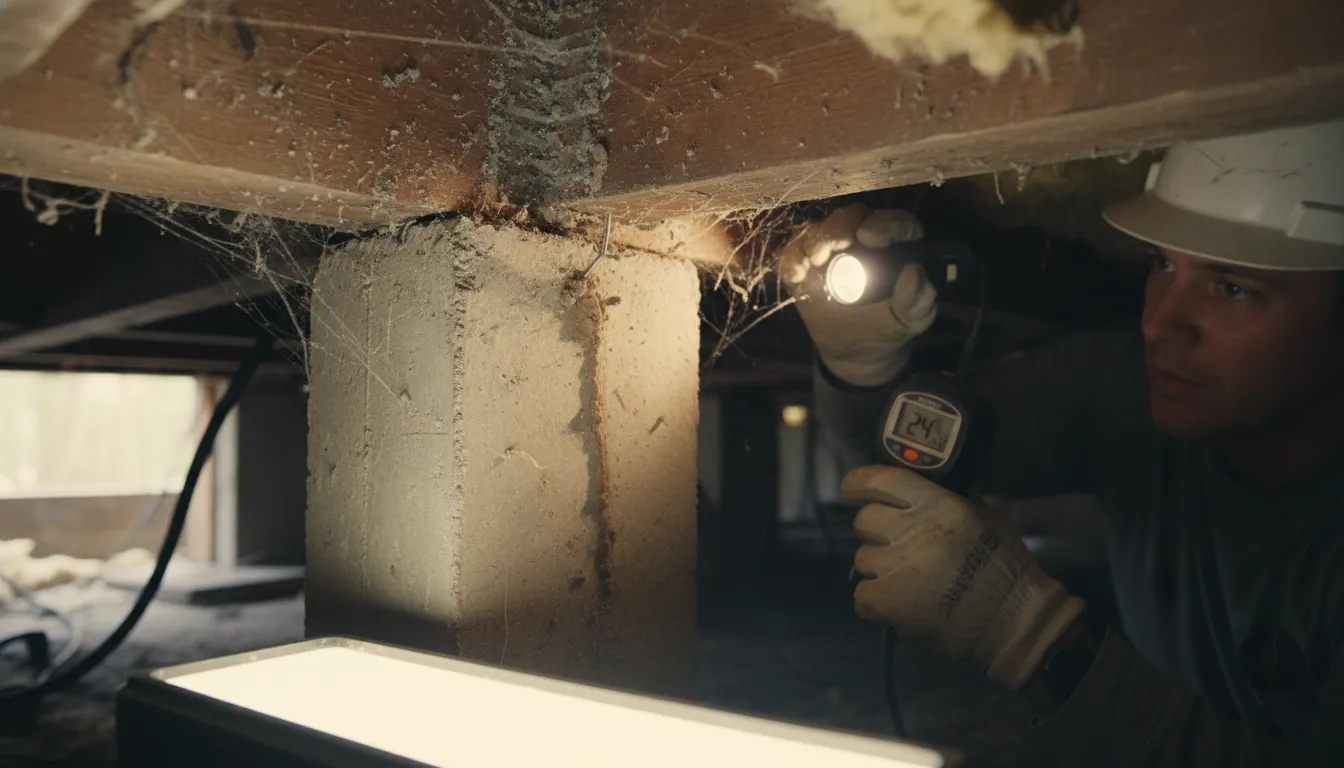
A termite inspection is a critical evaluation of your property to detect the presence, damage, or risk of wood-destroying insects. In Honolulu, where termites are a persistent and costly threat, these assessments are essential for protecting your investment and ensuring structural integrity. This guide explains what a termite inspection entails, what inspectors look for in our unique environment, and how you can use this information to connect with qualified local professionals for your home or business.
EcoShield Pest Solutions
46-217 Kahuhipa St, Kaneohe, HI 96744
EcoShield Pest Solutions is a pest control company based in Honolulu, HI, offering comprehensive services for residential and commercial properties. They handle a wide range of pests including ants, termites, bed bugs, mosquitoes, rodents, cockroaches, stinging insects, spiders, and ticks. Their expertise includes termite inspections and environmentally friendly mosquito control. EcoShield uses professional products and methods that are safe for people and pets, and they provide guaranteed pest elimination services.
Terminix
99-1410B Koaha Pl, Aiea, HI 96701
Terminix provides pest control and termite inspection services in Honolulu, HI, including Aiea and surrounding areas. The company offers treatments for a wide range of pests such as bed bugs, termites, rodents, mosquitoes, wasps, ants, and cockroaches. Terminix uses Integrated Pest Management strategies to reduce pests while minimizing environmental impact. They provide comprehensive termite inspections and targeted treatments to protect homes from damage. With nearly 100 years of experience, Terminix combines local expertise with support from entomologists and a network of technicians to address seasonal pest challenges effectively.
Orkin
1906 Kahai St, Honolulu, HI 96819
Orkin provides pest control services in Honolulu, HI, addressing a wide range of pests including bed bugs, cockroaches, ants, rodents, termites, mosquitoes, and stinging insects like hornets and wasps. They offer both residential and commercial pest management, creating customized treatment plans tailored to specific pest problems. With over 120 years of experience, Orkin uses scientifically proven methods such as dry foam, liquid applications, and Sentricon® bait for termite control. Their team is available 24/7 to assist with pest issues in the Honolulu area.
Able Pest Management
94-810 Moloalo St #140, Waipahu, HI 96797
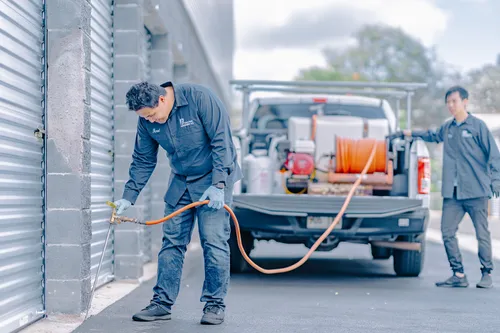
Able Pest Management provides residential and commercial pest control services in Honolulu, HI, and surrounding areas. Since 2000, they have addressed a wide range of pests including termites, rodents, ants, bed bugs, mosquitoes, and stinging insects. Their process begins with a detailed inspection to identify pest types and infestation levels, followed by tailored treatment plans that include interior and exterior services. They emphasize compliance with local regulations and use eco-friendly methods to ensure safety for families and pets. With over 20 years of experience, Able Pest Management offers ongoing follow-up treatments to maintain pest-free properties year-round.

Aloha Termite & Pest Control
4236 Bougainville Ave, Kapolei, HI 96707
Aloha Termite & Pest Control is a pest control company serving Honolulu, HI, specializing in termite inspections and treatments, as well as controlling bed bugs, rodents, ants, cockroaches, and birds. Since 1999, they have provided pest management solutions for both residential and commercial clients across Hawaii. Their trained and licensed staff focus on accurate pest identification and tailored treatment plans, including termite ground and drywood treatments. The company emphasizes customer satisfaction and offers free estimates.
Why Termite Inspections Are Crucial in Honolulu
The warm, humid climate of Oahu creates an ideal environment for several destructive termite species to thrive. Unlike in many mainland states, termite activity here is a year-round concern, and infestations can cause significant structural damage in a relatively short time. A professional termite inspection is your first line of defense, identifying not only active infestations but also conditions that could attract future colonies. For homeowners, this is a key part of routine maintenance. For buyers and sellers, it's often a non-negotiable step in the real estate transaction process, required by lenders to secure a mortgage.
Common Termite Species in Honolulu
Understanding the local termite population helps clarify what inspectors are targeting. Honolulu properties are primarily at risk from three types:
- Subterranean Termites: This group includes the highly destructive Formosan termite, often called "super termites" due to their large colony size and aggressive wood consumption. They live in the soil and build distinctive mud tubes to access wood in structures.
- Drywood Termites: These termites infest dry, sound wood and do not require contact with soil. A key sign of their presence is the accumulation of small, hard, pellet-like droppings known as frass.
- Dampwood Termites: While generally less damaging than the other two, dampwood termites are common in Hawaii. They are attracted to wood with high moisture content, often indicating an underlying water leak or drainage issue 1.
What a Termite Inspector Looks For
A thorough inspector conducts a meticulous search for both direct evidence of termites and conditions that invite them. The inspection is a detailed forensic examination of your property's vulnerabilities.
Visual Signs of Infestation
Inspectors are trained to spot the subtle clues of termite activity:
- Mud Tubes: Pencil-sized tunnels made of soil and saliva on foundation walls, piers, sill plates, or in crawlspaces. These are the highways of subterranean termites.
- Wood Damage: Wood that sounds hollow when tapped, appears blistered or dark, or has maze-like patterns (galleries) beneath the surface. Damage may be hidden behind walls or under finishes.
- Termite Droppings (Frass): Drywood termites push out their fecal pellets from kick-out holes in infested wood, creating small piles that resemble sawdust or coffee grounds 2.
- Discarded Wings: Reproductive termites (swarmers) shed their wings after finding a mate. Piles of tiny, identical wings near windowsills, doors, or in spider webs are a common indicator of a nearby colony 3.
Conducive Conditions for Infestation
Even without active termites, certain conditions make a property a high-risk target. Inspectors will note:
- Excessive Moisture: Leaky pipes, poor drainage, faulty gutters, and insufficient ventilation in crawlspaces or attics.
- Wood-to-Soil Contact: Any structural wood, such as siding, door frames, or deck posts, making direct contact with the soil.
- Cellulose Debris: Wood piles, stored lumber, tree stumps, or excessive mulch in direct contact with the home's foundation.
- Cracks in the Foundation: Even hairline cracks can provide entry points for subterranean termites 4.
Key Areas Examined
No accessible area is overlooked during a comprehensive inspection. Key focus areas include:
- Exterior: Foundation perimeter, siding, window and door frames, eaves, decks, patios, and fences.
- Interior: Attics, crawlspaces, basements, along baseboards, inside closets, and around plumbing penetrations under sinks and tubs.
- Structures: Detached garages, sheds, and carports.
The Termite Inspection Process: Step-by-Step
Knowing what to expect can help you prepare for an inspection and understand the value of the service.
- Initial Consultation & Exterior Walkthrough: The inspector will discuss any concerns you have and then begin with a visual scan of the property's exterior, looking for mud tubes, wood damage, and conducive conditions.
- Detailed Interior Examination: Moving inside, the inspector will examine all accessible areas. They use tools like moisture meters to detect hidden dampness in walls and probing instruments to test wood for hollow spots 5.
- Report Generation: After the assessment, the inspector compiles a detailed written report. This document is crucial-it outlines all findings, identifies the type of termite (if any), notes the extent of damage, and maps out areas of concern.
- Review & Recommendations: A reputable inspector will review the report with you. If termites or damage are found, they will explain the findings and discuss potential treatment options, such as soil treatments, bait systems, or wood treatments and repairs. It's important to note that while an inspector can identify a problem, actual treatment is typically performed by a licensed pest control applicator 6 7.
Find the perfect termite inspection companies for your needs
Get personalized recommendations and expert advice
Termite Inspections in Honolulu Real Estate Transactions
In Honolulu's real estate market, a termite inspection is more than just due diligence-it's often a contractual requirement. The standard Purchase Contract used by the Hawaii Association of Realtors typically includes a termite inspection clause. Here's how it usually works:
- Who Pays: While the buyer usually selects the inspection company, the seller is customarily responsible for paying for the inspection report and for any required treatment or repairs to address active infestation or damage noted in the report.
- The Purpose: The inspection for a real estate transaction must meet specific standards for the lender. It assures all parties of the property's condition and clarifies financial responsibilities for any necessary corrective work before the sale closes.
Understanding Inspection Costs in Honolulu
The cost for a professional termite inspection in Honolulu can vary based on the size of the property, its construction, and the company you select. Generally, homeowners and buyers can expect pricing to range from $100 to $300 or more 8 9. While cost is a factor, the inspector's expertise, thoroughness, and reputation are far more important considerations. A cheaper, less detailed inspection could miss critical issues, leading to vastly more expensive repairs down the line.
How to Prepare for a Termite Inspection
To ensure the inspection is as thorough and efficient as possible:
- Clear Access: Move boxes, stored items, and furniture away from walls in basements, garages, and closets. Ensure the inspector can access the attic and crawlspace entry points.
- Trim Vegetation: Cut back plants, shrubs, and tree branches at least two feet from the house's exterior walls.
- Address Moisture: Fix any known leaks and ensure downspouts direct water away from the foundation.
- Move Wood: Relocate firewood, lumber, or cardboard boxes stored against the house or in crawlspaces 10.
In summary, a termite inspection in Honolulu is a specialized, essential service focused on the unique threats posed by local subterranean, drywood, and dampwood termites. It provides a detailed assessment of active infestation, existing damage, and future risks, culminating in a report that forms the basis for protecting your property. In real estate transactions, this process is a standardized, often seller-paid step critical for closing a deal 11 12 13.
Frequently asked questions
Sources
Footnotes
-
Common Termite Species in Louisiana - https://www.jjext.com/common-termite-species-in-louisiana ↩
-
Termite Inspections: What to Expect and How to Prepare - https://www.petrispestcontrol.com/termite-control/termite-inspections-what-to-expect/ ↩
-
Signs Of Termites | Termite Infestation - Orkin - https://www.orkin.com/pests/termites/how-to-identify-termite-activity ↩
-
What Does A Termite Inspector Look For? - AG Pest Control - https://www.agpest.com/what-does-a-termite-inspector-look-for/ ↩
-
Full Guide to Professional Termite Inspections for Home Inspectors - https://www.homegauge.com/learning/home-inspectors-termites/ ↩
-
What Does a Termite Inspector Look For? - Orkin - https://www.orkin.com/pests/termites/what-a-termite-inspector-does ↩
-
Step 24: Termite Inspection - https://www.hawaiistartshere.com/termite-inspection/ ↩
-
Termites in Hawaii | What Homebuyers Need to Know - https://www.hawaiilife.com/blog/termites-in-hawaii-what-homebuyers-need-to-know/ ↩
-
How Much are Termite Inspections on Oahu - https://mauipestcontrol.com/oahu-pest-control/how-much-are-termite-inspections-on-oahu-understanding-the-costs/ ↩
-
How to Prepare Your House for a Termite Inspection? - https://www.hitechtermite.com/articles/how-to-prepare-your-house-for-a-termite-inspection ↩
-
Hawaii Real Estate: What you need to know about termite ... - https://iharateam.com/hawaii-real-estate-what-you-need-to-know-about-termite-inspections-in-honolulu/ ↩
-
Hawaii Termite Treatment - Inspection & Control Services - Orkin - https://www.orkin.com/locations/hawaii-hi/termites ↩
-
Termite Identification & Prevention | Able Pest Management LLC - https://www.ablepesthawaii.com/termites/ ↩