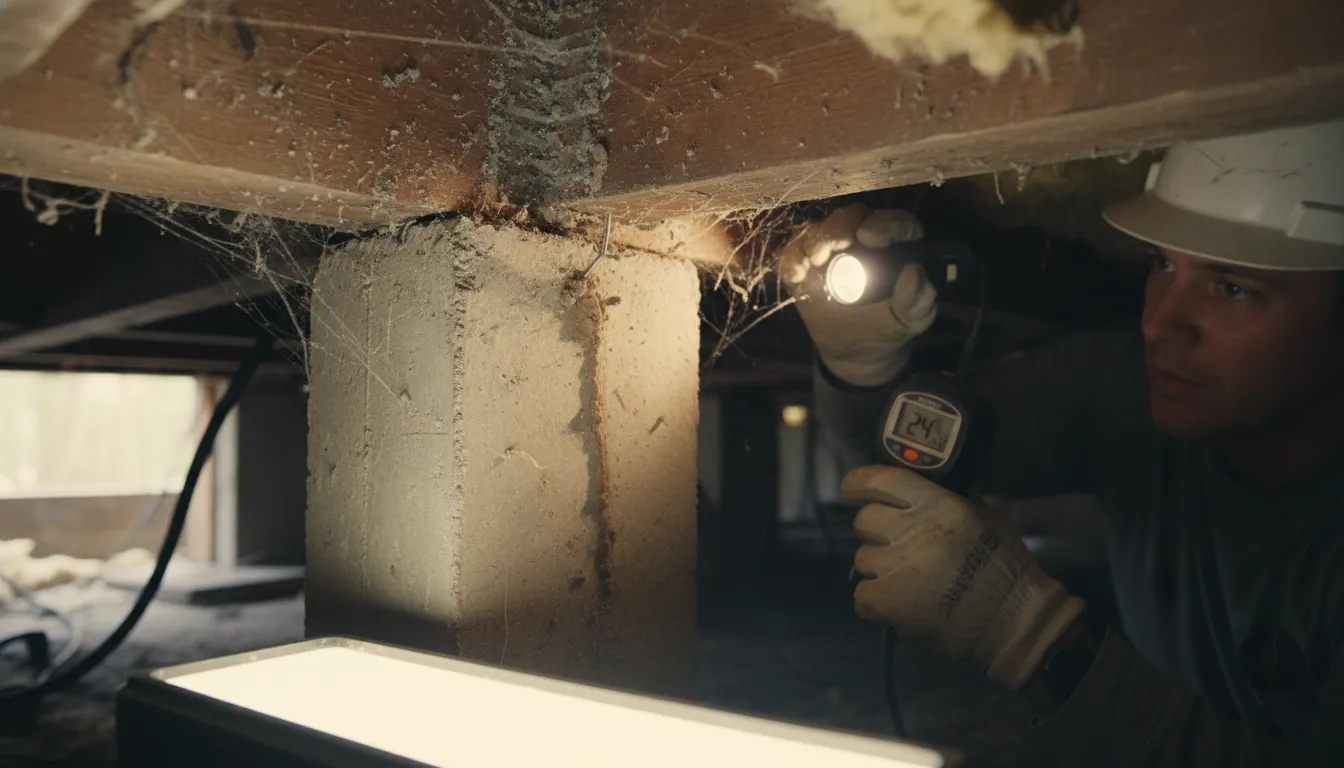
Find the Best Termite Inspection Companies for Your Business
No obligation • Fast responses • Nationwide coverage

Why you can trust Pest Crews
Pest Crews is a leading U.S. resource for finding and evaluating residential and commercial pest control services. Our team researches providers, reviews treatment approaches, and organizes unbiased information to help you make informed decisions. Companies cannot pay to change our editorial content or influence how they appear.
Search providers near you
Top Termite Inspection Companies in Shreveport, Louisiana Ranked
A termite inspection is a critical evaluation of your property to detect the presence or evidence of wood-destroying insects. In Shreveport, where termite pressure is high, these assessments are essential for protecting your home's structural integrity and value. This guide explains what a termite inspection entails, what inspectors look for in our local environment, and how you can connect with qualified professionals to safeguard your investment.
Anti-Pest
1658 Benton Rd Suite 500, Bossier City, LA 71111
Anti-Pest is a family-operated pest control company serving Shreveport, LA, and the surrounding area since 1950. They provide a wide range of pest management services including bed bug treatment, cockroach and ant control, rodent removal, termite inspections and treatments, mosquito control, wildlife removal, and commercial pest control. One notable capability is their use of the Sentricon® Termite Colony Elimination System, an eco-friendly termite baiting solution that targets entire termite colonies. Anti-Pest offers customized pest management plans designed to address specific infestations and includes ongoing treatments to prevent pest return.
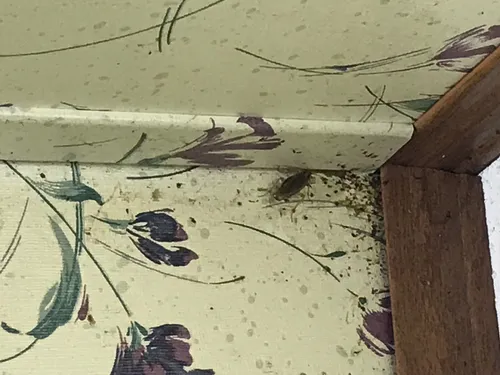
McDermott Pest Services, LLC
Shreveport, LA
McDermott Pest Services, LLC provides comprehensive pest control solutions in Shreveport, LA. They offer treatments for roaches, ants, rodents, termites, mosquitoes, and wildlife such as possums, raccoons, and skunks. Their termite control combines the Trelona always active termite baiting system by BASF with liquid termiticide treatments. The company is NWCO licensed for wildlife control and delivers regular residential pest control services every other month. McDermott Pest Services also develops monthly mosquito control plans to manage local mosquito populations. They serve a wide area including Shreveport and surrounding communities.

Arrow Termite & Pest Control - Shreveport
9809 E Homewood Cir, Shreveport, LA 71118
Arrow Termite & Pest Control - Shreveport offers pest control services in Shreveport, LA. They handle common household pests including cockroaches, rodents, termites, and mosquitoes. The company uses modern insecticides and technology to provide treatments such as roach control, rodent management, termite inspections, and mosquito misting. Their approach focuses on effective pest management solutions tailored to residential needs.
J&J Exterminating Shreveport
9458 Paxton Rd, Shreveport, LA 71106
J&J Exterminating Shreveport offers comprehensive pest control services in Shreveport, LA, and surrounding areas including Caddo Parish and nearby communities. The company provides treatment and prevention for a wide range of pests such as bed bugs, termites, rodents, cockroaches, ants, mosquitoes, and more. Their certified technicians use effective methods like termite inspections and bed bug eradication technologies to protect homes and businesses from pest damage and health risks. J&J Exterminating is known for its Gold Shield 365 program, which guarantees year-round protection against various common pests.

Redd Pest Control of Shreveport, Inc
5914 Fairfield Ave, Shreveport, LA 71106
Redd Pest Control of Shreveport, Inc has been serving Shreveport, LA since 1990, providing comprehensive pest control services for homes and businesses. They handle a wide range of pests including bed bugs, termites, rodents, mosquitoes, ants, and cockroaches, using safe and humane methods. Their services cover both interior and exterior pest control, with a focus on preventing recurring infestations by sealing entry points and applying integrated pest management techniques. The company offers a worry-free guarantee, returning at no extra cost if the pest problem is not resolved on the first visit.
Understanding the Termite Threat in Shreveport
Shreveport's warm, humid climate creates an ideal environment for several destructive termite species. A professional termite evaluation is your first line of defense against these silent destroyers. Knowing which types are common helps inspectors know where to look and what signs to prioritize during a wood-destroying insect inspection.
Common Termite Species in the Area
The primary threats to Shreveport homes come from subterranean and drywood termites.
- Eastern Subterranean Termites: This is the most common species in the region. They live in underground colonies and build distinctive mud tubes to travel from the soil to the wood in your home without being exposed to air.
- Formosan Subterranean Termites: Often called "super termites" due to their aggressive nature and large colony sizes, Formosans are also present in Louisiana. They can cause severe damage more rapidly than native species and are known for building extensive mud tube networks 1 2.
- Drywood Termites: Unlike subterranean types, drywood termites infest dry wood and do not require contact with soil. They live inside the wood they consume, making them harder to detect until significant damage has occurred. Their presence is often indicated by small, pellet-like droppings called frass 3.
Key Signs of Termite Activity
Before or during an inspection, being aware of these warning signs can alert you to a potential problem. A termite assessor is trained to identify these indicators, some of which are subtle and easy for a homeowner to miss.
- Mud Tubes: These are pencil-sized tunnels made of soil and termite saliva, typically found on foundation walls, piers, sill plates, or in crawl spaces. They are a definitive sign of active subterranean termites.
- Hollow-Sounding Wood: Termites consume wood from the inside out, leaving a thin veneer of wood or paint. Tapping on an area with a screwdriver may produce a hollow sound or the tool may easily break through compromised wood.
- Bubbling or Peeling Paint: This can resemble water damage and is caused by moisture from termite activity or the tunnels they create just beneath the surface.
- Discarded Wings: During swarming season (often spring), reproductive termites (swarmers) shed their wings after finding a mate. Small, pale piles of wings near windowsills, doors, or foundation cracks are a common sign of a nearby colony.
- Frass: Drywood termites push their fecal pellets out of tiny "kick-out" holes in the wood. These pellets are small, hard, and often a wood-colored brown, accumulating in small piles below infested wood.
The Professional Termite Inspection Process
A thorough termite check is a systematic examination of your property, both inside and out. Understanding the process can help you prepare your home and know what to expect when the inspector arrives.
Exterior Inspection
The inspector begins outside, examining the perimeter of your home for conditions that attract termites and for direct evidence of infestation.
- Foundation and Slab: A close look for mud tubes, cracks, or gaps where termites could enter.
- Wood-to-Soil Contact: Checking for fence posts, deck supports, stair stringers, or siding that touches the soil, providing direct access for termites.
- Moisture Sources: Identifying poor drainage, leaky faucets, malfunctioning gutters, and downspouts that create the damp soil termites need.
- Landscaping and Debris: Inspecting mulch beds, wood piles, and tree stumps near the house, which can harbor termites.
Interior Inspection
Inside, the inspector examines vulnerable areas where termites are likely to forage or where evidence becomes visible.
- Basements and Crawl Spaces: These are critical areas, especially for subterranean termites. Inspectors look for mud tubes on piers, joists, and foundation walls.
- Attics and Roof Sheathing: Drywood termites can infest roof framing, especially in older homes. Inspectors look for frass, damaged wood, and swarmers.
- Windows, Door Frames, and Baseboards: Probing these areas with a tool to check for softness or hollow spots.
- Walls and Floors: Looking for visible signs like bubbling paint, tiny holes, or frass. They may also listen for clicking sounds (soldier termites banging their heads) in quiet settings.
Find the perfect termite inspection companies for your needs
Get personalized recommendations and expert advice
What a Termite Inspector is Trained to Find
Beyond the obvious signs, a certified termite evaluator is trained to identify conducive conditions and subtle clues.
- Live Insects: Finding live worker termites or swarmers is a clear confirmation of an active infestation 4.
- Structural Damage: Assessing the extent of damage, which often appears as a honeycomb pattern within wood 5 6.
- Potential Entry Points: Documenting cracks in mortar, expansion joints, and gaps around utility lines where termites could gain entry.
- Moisture Levels: Using moisture meters to detect elevated moisture content in wood, which attracts termites and accelerates damage 7.
Termite Inspection Costs in Shreveport
The cost for a termite examination in Shreveport can vary based on several factors. Generally, homeowners can expect a range of $75 to $325, with many standard inspections for an average-sized home falling in the $100 to $150 range 8 9 10.
Factors influencing price include:
- Home Size and Construction: Larger homes or those with complex foundations (like pier and beam) require more time to inspect.
- Purpose of Inspection: A standard annual inspection may cost less than a more comprehensive Wood Destroying Insect Report (WDIR) required for a real estate transaction, which includes a detailed report for lenders 11.
- Infestation Severity: If signs of an active infestation are found, the inspection may take longer to determine the scope.
- Company Policies: Some local companies offer free inspections, particularly if they anticipate providing a treatment proposal afterward.
Preparing for Your Inspection
To ensure a smooth and effective termite assessment, you can take a few simple steps:
- Clear Access: Move boxes, stored items, and furniture away from basement walls, crawl space access doors, and garage perimeters.
- Trim Vegetation: Cut back shrubs, vines, and tree branches that touch the house to allow clear visibility of the foundation 12.
- Address Moisture: Fix any leaky faucets or irrigation systems that are spraying onto the house before the inspector arrives 13.
Frequently asked questions
Sources
Footnotes
-
Where Do Termites Live? | Termites Common in Louisiana - https://ja-roy.com/termites/identification/where-do-termites-live/ ↩
-
Termites in Louisiana - New Orleans, Baton Rouge, LA | Orkin - https://www.orkin.com/locations/louisiana-la/termites ↩
-
Do I Need Termite Prevention When Buying a House? - https://bogpestcontrol.com/pest-control/bugs-insects/termites/do-i-need-termite-prevention-when-buying-a-house/ ↩
-
What Does a Termite Inspector Look For? - Orkin - https://www.orkin.com/pests/termites/what-a-termite-inspector-does ↩
-
Termite Control - Shreveport - anti-pest.com - https://www.anti-pest.com/termite-control-shreveport-la ↩
-
What Does A Termite Inspector Look For? - AG Pest Control - https://www.agpest.com/what-does-a-termite-inspector-look-for/ ↩
-
Full Guide to Professional Termite Inspections for Home Inspectors - https://www.homegauge.com/learning/home-inspectors-termites/ ↩
-
Termite Inspection Cost [2026 Data] | Angi - https://www.angi.com/articles/how-much-does-termite-inspection-cost.htm ↩
-
How Much Does a Termite Inspection Cost? - https://patriotinspect.com/how-much-does-a-termite-inspection-cost/ ↩
-
Termite Inspection in Shreveport, LA - Costs 10 / 2025 - https://www.homeyou.com/la/termite-inspection-shreveport-costs ↩
-
Navigating Termite Inspections: Essential Knowledge for Realtors - https://www.homeinspectioncarolina.com/termite-inspections-essential-knowledge-for-realtors/ ↩
-
How to Prepare Your House for a Termite Inspection? - https://www.hitechtermite.com/articles/how-to-prepare-your-house-for-a-termite-inspection ↩
-
Termite Inspections: What to Expect and How to Prepare - https://www.petrispestcontrol.com/termite-control/termite-inspections-what-to-expect/ ↩