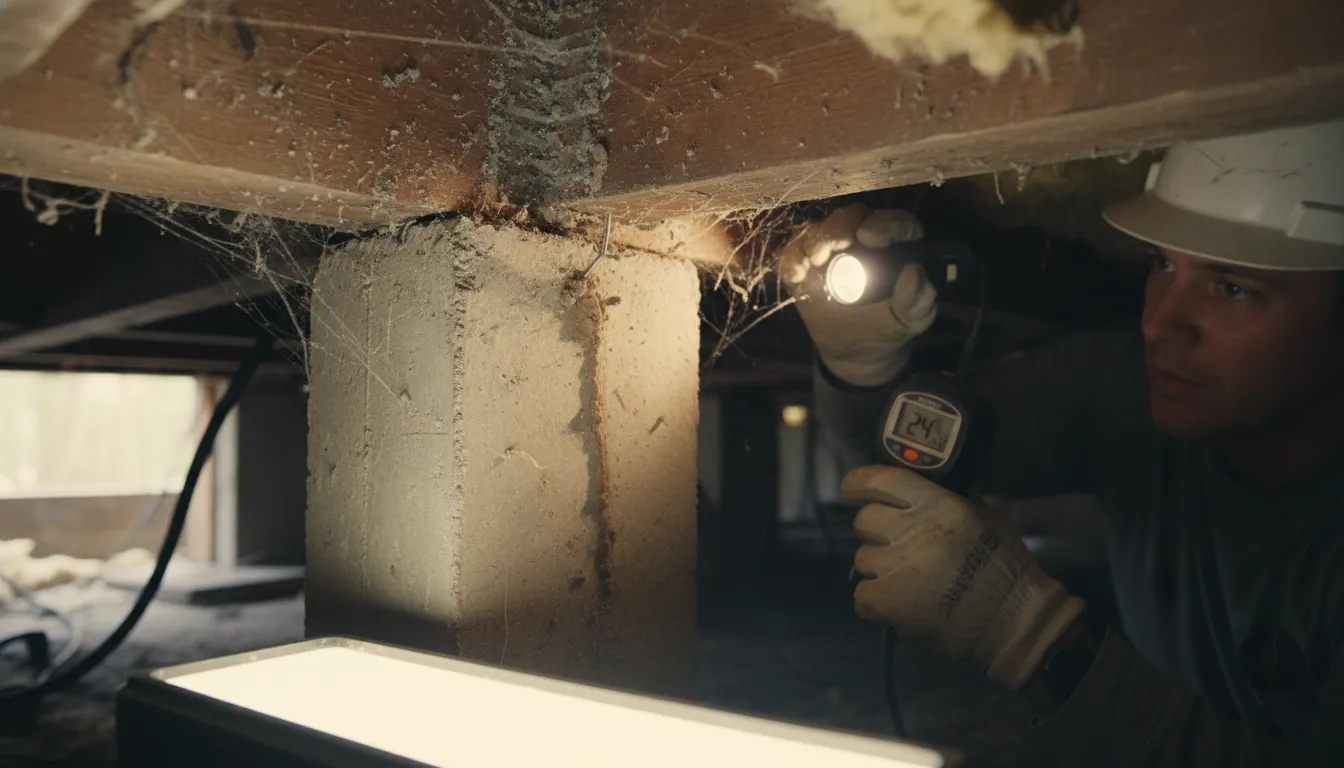
Find the Best Termite Inspection Companies for Your Business
No obligation • Fast responses • Nationwide coverage

Why you can trust Pest Crews
Pest Crews is a leading U.S. resource for finding and evaluating residential and commercial pest control services. Our team researches providers, reviews treatment approaches, and organizes unbiased information to help you make informed decisions. Companies cannot pay to change our editorial content or influence how they appear.
Search providers near you
Top Termite Inspection Companies in Minneapolis, Minnesota Ranked
A termite inspection is a specialized assessment of your property to detect signs of destructive wood-destroying insects. While termites are less common in Minnesota than in southern states, the subterranean species present a real risk, especially in areas with moisture issues. This evaluation matters because it can identify hidden damage that threatens your home's structural integrity and value. You can use this guide to understand the process, know what to look for, and find qualified local professionals to conduct a thorough examination.
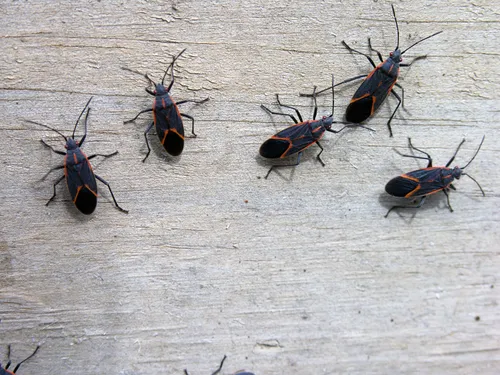
Capital City Pest Solutions
1749 Sheridan Ave W, St Paul, MN 55116
Capital City Pest Solutions is a pest control company based in Minneapolis, MN. They provide a range of extermination and pest management services including bed bug treatment, cockroach and ant control, rodent removal, termite inspections, mosquito control, bee and wasp removal, bird and pigeon control, and wildlife removal. Their services cover both residential and commercial properties, offering comprehensive pest solutions to address various infestations.

EcoShield Pest Solutions
7800 3rd St N #300, Oakdale, MN 55128
EcoShield Pest Solutions is a pest control company based in St Paul, MN, offering services for a wide range of pests including ants, termites, bed bugs, mosquitoes, rodents, cockroaches, and stinging insects. They provide both residential and commercial pest management, focusing on environmentally friendly and effective treatments. Their capabilities include termite inspection and treatment, bed bug elimination, mosquito control, and removal of stinging insect nests. EcoShield emphasizes safe application methods that are pet and people friendly.
Greenix Pest Control
4940 US-169, New Hope, MN 55428
Greenix Pest Control offers comprehensive pest management services in Minneapolis, MN, addressing over 50 common household pests including ants, cockroaches, rodents, termites, mosquitoes, bees, and wasps. Their service includes a detailed 20-point inspection and a multi-step treatment plan that targets pests from the foundation to the eaves of homes. Greenix also provides specialized plans for termite prevention and mosquito control, focusing on reducing ticks, fleas, and mosquitoes effectively. Based in New Hope, MN, they emphasize eco-friendly and season-specific treatments tailored to each customer's needs.

Orkin
1861 Buerkle Rd, White Bear Lake, MN 55110
Orkin provides pest control services in Minneapolis, MN, specializing in residential and commercial pest management. Their expertise covers a wide range of pests including bed bugs, cockroaches, ants, rodents, termites, mosquitoes, bees, wasps, and wildlife. Orkin uses industry-leading technology and methods such as Sentricon® bait for termite control to protect properties from infestations. With over 120 years of experience, Orkin offers a year-round, seasonal pest control approach tailored to the specific pest challenges in the Midwest. They also provide 24/7 customer care and flexible scheduling to address urgent pest issues promptly.

Greenix Pest Control
275 4th St E Suite 486, St Paul, MN 55101
Greenix Pest Control is a pest control company serving Minneapolis, MN, specializing in managing over 50 types of pests including bed bugs, rodents, ants, termites, mosquitoes, and wasps. They provide tailored pest control plans using a science-based approach that includes thorough inspections and targeted treatments such as exterior perimeter sprays and granular pest barriers. Greenix also offers specific services like termite prevention and mosquito control, focusing on long-term pest management and environmental safety. Their team is experienced in handling both visible pests and hidden infestations to protect homes effectively.
Understanding the Termite Threat in Minneapolis
Many homeowners assume termites are only a problem in warmer climates, but that's a dangerous misconception. Subterranean termites are active in Minnesota and pose a significant threat to properties, particularly those with moisture vulnerabilities 1. These insects live in colonies in the soil and build mud tubes to travel to and from their food source-the wood in your home. An inspection is your first and best defense, designed to find evidence of these pests or the conditions that could attract them before major damage occurs.
What a Professional Termite Evaluation Covers
A comprehensive termite inspection, often called a wood-destroying insect inspection (WDI), is a meticulous visual examination of both the interior and exterior of a structure. A trained inspector knows exactly where to look for the subtle signs of termite activity and the conducive conditions that support an infestation.
Exterior Inspection: The inspector will walk the entire perimeter of your home, examining the foundation for the pencil-thin mud tubes that subterranean termites use as highways. They will check for wood-to-soil contact, such as fence posts, deck supports, or siding too close to the ground, which provides a direct bridge for termites. The assessment also includes looking at grading, drainage, and downspouts to identify areas where excess moisture accumulates near the foundation.
Interior Inspection: Inside your Minneapolis home, the inspector will examine key areas. This includes checking baseboards, door and window frames, and walls-especially in closets, kitchens, and bathrooms where plumbing runs 2. They will tap on wood surfaces, listening for a hollow sound that indicates internal damage, and look for visual clues like blistering paint, pinholes, or swollen wood.
Attic, Crawl Space, and Yard: No area is overlooked. The attic and any crawl spaces are checked for moisture, leaks, and structural damage. Outside, the inspection extends to landscaping, trees, stumps, and woodpiles, which can harbor termite colonies that may eventually target your house.
Key Signs of Termites and Conducive Conditions
Knowing what inspectors are looking for can help you be a more informed homeowner. The primary evidence of a subterranean termite problem includes:
- Mud Tubes: These are the most definitive sign. Look for thin, brown tunnels on foundation walls, in crawl spaces, or running along pipes.
- Discarded Wings: Reproductive "swarmers" shed their wings after finding a mate. Piles of tiny, identical wings near windowsills or doors are a red flag.
- Wood Damage: Termites eat wood from the inside out, leaving a thin veneer. Damaged wood may sound hollow when tapped, show maze-like patterns (galleries), or cause paint to blister or bubble 3.
- Difficult Doors/Windows: As termites consume wood, they produce moisture that can cause wood to warp, making doors and windows hard to open 4.
Equally important are conducive conditions that invite an infestation:
- Moisture Issues: Plumbing leaks, poor ventilation, clogged gutters, and improper grading that leads to standing water 5.
- Wood-to-Soil Contact: Any untreated wood touching the soil is an open invitation.
- Cellulose Debris: Old lumber, tree stumps, or excessive mulch piled against the foundation 6.
Find the perfect termite inspection companies for your needs
Get personalized recommendations and expert advice
The Cost of a Termite Inspection in Minneapolis
The price for a professional termite inspection in Minneapolis is typically straightforward. For a standard single-family home, you can expect costs to range from $75 to $3007 8. This fee generally covers the visual inspection, a detailed written report of the findings, and often a consultation on the inspector's recommendations. The final price can vary based on the size of your home, its age and construction, and the complexity of the inspection (e.g., if it includes a detached garage or outbuildings) 9. Some companies may offer a free or low-cost initial inspection, but a comprehensive, report-driven evaluation usually falls within this standard range.
The Inspection Report and Next Steps
After the evaluation, you should receive a detailed written report. This document is crucial. It will outline exactly what was inspected, any signs of termite activity or damage that were found, and a list of conducive conditions noted on the property 10 11. A clear report will also provide recommendations for treatment (if necessary) and corrective actions for moisture or wood-soil contact issues. If you are in the process of buying a home, this report (or a formal "clearance letter") is often a required document for mortgage lenders.
Why Regular Checks Are Wise for Minneapolis Homes
Given the persistent moisture from snowmelt, spring rains, and our humid summers, Minneapolis homes are at risk for the damp conditions termites seek. While an inspection is commonly part of a real estate transaction, scheduling a periodic check-such as an annual inspection-is a smart preventative measure for any homeowner 12. Catching a problem early can save tens of thousands of dollars in repair costs and protect your largest investment.
Frequently asked questions
Sources
Footnotes
-
Termites in Minnesota: Signs, Risks & Prevention Tips - https://www.adamspestcontrol.com/blog/termites-in-minnesota/ ↩
-
Full Guide to Professional Termite Inspections for Home Inspectors - https://www.homegauge.com/learning/home-inspectors-termites/ ↩
-
Termite Inspection Checklist: A Comprehensive Guide for ... - https://www.unitedtermitecontrol.net/termite-inspection-checklist-a-comprehensive-guide-for-homeowners/ ↩
-
What to Expect During a Termite Inspection - Massey Services - https://www.masseyservices.com/termite-control/what-to-expect-free-termite-inspection/ ↩
-
Termite Inspections: What to Expect and How to Prepare - https://www.actionpestcontrol.com/2025/01/15/termite-inspections-what-to-expect-and-how-to-prepare/ ↩
-
5 Things Exterminators Check During Termite Inspections - https://home.howstuffworks.com/home-improvement/household-hints-tips/insect-control/5-things-exterminators-check-during-termite-inspections.htm ↩
-
How Much Is a Termite Inspection? Complete Cost Overview - https://www.homelight.com/blog/how-much-is-a-termite-inspection/ ↩
-
How Much Does a Termite Inspection Cost? - https://www.rottler.com/residential-pest-control/termite-solutions/how-much-does-a-termite-inspection-cost/ ↩
-
Termite Inspections: Cost and What to Expect | Real Estate - https://realestate.usnews.com/real-estate/articles/termite-inspections-cost-and-what-to-expect ↩
-
What Happens During a Termite Inspection - Terminix - https://www.terminix.com/termite-control/inspection/ ↩
-
Termite inspection: How it works - Western Exterminator - https://www.westernexterminator.com/termite-control/termite-inspection ↩
-
annual termite inspection Archives | Page 2 of 3 - https://www.callnorthwest.com/tag/annual-termite-inspection/page/2/ ↩