Find the Best Termite Inspection Companies for Your Business
No obligation • Fast responses • Nationwide coverage

Why you can trust Pest Crews
Pest Crews is a leading U.S. resource for finding and evaluating residential and commercial pest control services. Our team researches providers, reviews treatment approaches, and organizes unbiased information to help you make informed decisions. Companies cannot pay to change our editorial content or influence how they appear.
Search providers near you
Top Termite Inspection Companies in Shakopee, Minnesota Ranked
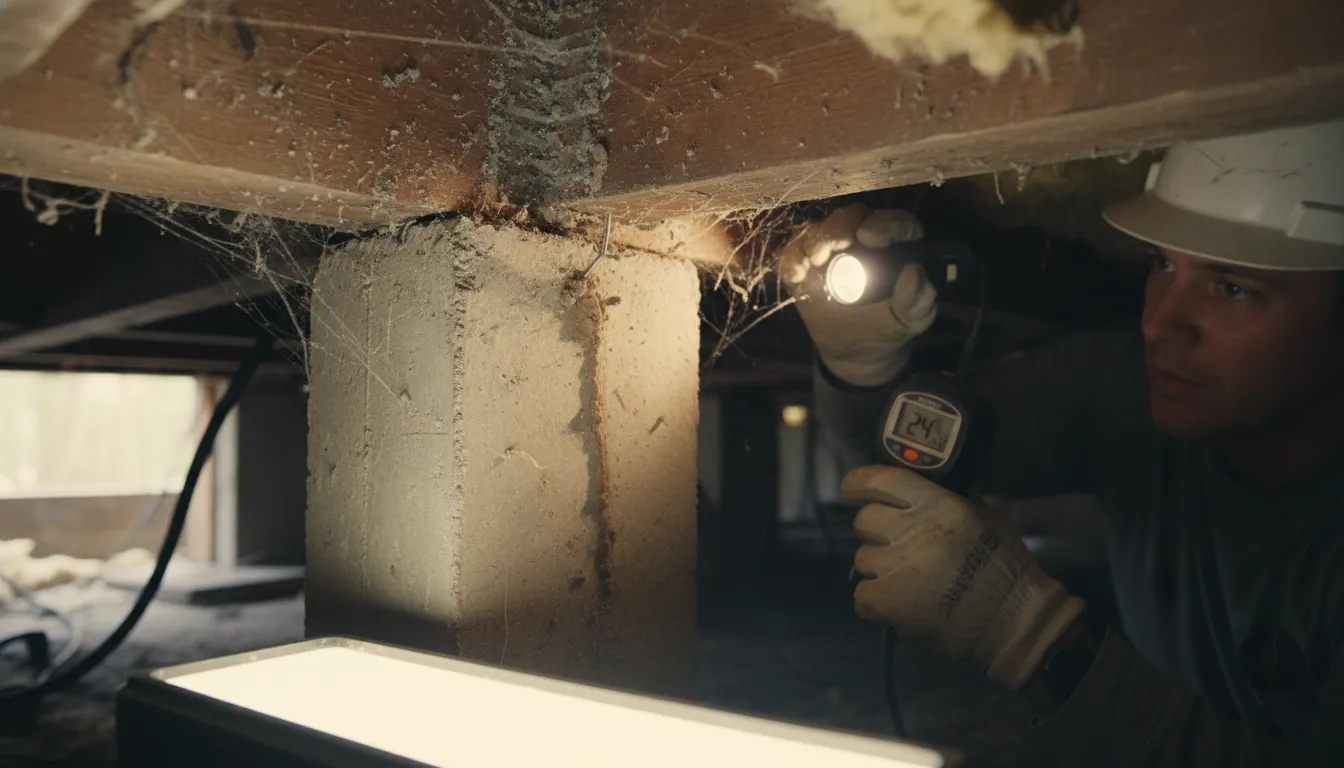
A termite inspection is a critical service for protecting your home from costly structural damage. In Shakopee, where subterranean termites are the primary threat, a professional inspection involves a thorough search for signs of infestation and conditions that attract these pests. This guide will help you understand what a termite inspection entails, what inspectors look for, and how you can use this information to find qualified local professionals to safeguard your investment.
Capital City Pest Solutions
1749 Sheridan Ave W, St Paul, MN 55116
Capital City Pest Solutions is a pest control company based in Minneapolis, MN. They provide a range of extermination and pest management services including bed bug treatment, cockroach and ant control, rodent removal, termite inspections, mosquito control, bee and wasp removal, bird and pigeon control, and wildlife removal. Their services cover both residential and commercial properties, offering comprehensive pest solutions to address various infestations.
Greenix Pest Control
4940 US-169, New Hope, MN 55428
Greenix Pest Control offers comprehensive pest management services in Minneapolis, MN, addressing over 50 common household pests including ants, cockroaches, rodents, termites, mosquitoes, bees, and wasps. Their service includes a detailed 20-point inspection and a multi-step treatment plan that targets pests from the foundation to the eaves of homes. Greenix also provides specialized plans for termite prevention and mosquito control, focusing on reducing ticks, fleas, and mosquitoes effectively. Based in New Hope, MN, they emphasize eco-friendly and season-specific treatments tailored to each customer's needs.

Orkin
1861 Buerkle Rd, White Bear Lake, MN 55110
Orkin provides pest control services in Minneapolis, MN, specializing in residential and commercial pest management. Their expertise covers a wide range of pests including bed bugs, cockroaches, ants, rodents, termites, mosquitoes, bees, wasps, and wildlife. Orkin uses industry-leading technology and methods such as Sentricon® bait for termite control to protect properties from infestations. With over 120 years of experience, Orkin offers a year-round, seasonal pest control approach tailored to the specific pest challenges in the Midwest. They also provide 24/7 customer care and flexible scheduling to address urgent pest issues promptly.

Greenix Pest Control
275 4th St E Suite 486, St Paul, MN 55101
Greenix Pest Control is a pest control company serving Minneapolis, MN, specializing in managing over 50 types of pests including bed bugs, rodents, ants, termites, mosquitoes, and wasps. They provide tailored pest control plans using a science-based approach that includes thorough inspections and targeted treatments such as exterior perimeter sprays and granular pest barriers. Greenix also offers specific services like termite prevention and mosquito control, focusing on long-term pest management and environmental safety. Their team is experienced in handling both visible pests and hidden infestations to protect homes effectively.
Roseville Home Inspection Pro
St Paul, MN
Roseville Home Inspection Pro is a certified termite inspection company based in St Paul, MN. The company offers thorough inspections for various property types including single family homes, commercial buildings, condos, and townhomes. They use advanced technology such as thermal imaging and aerial drones to provide detailed digital reports quickly, often within the same day. Their services include termite inspections alongside mold testing, sewer scopes, and home energy audits, making them a comprehensive choice for home inspection needs.
Why Termite Inspections Are Essential in Shakopee
Termites are silent destroyers, often causing significant damage before homeowners even notice a problem. In Minnesota, subterranean termites are the main species of concern. These pests live in the soil and build mud tubes to travel to their food source-the wood in your home. A professional termite inspection is your first and best defense, identifying active infestations, past damage, and conditions that could lead to future problems. Regular inspections are a key part of preventative home maintenance, especially in areas with older homes or properties with wood-to-soil contact.
What a Professional Inspector Looks For
A comprehensive termite check in Shakopee involves a meticulous examination of both the interior and exterior of your property. Inspectors are trained to spot subtle signs that untrained eyes might miss.
Exterior Inspection Points
The inspection begins outside, where termites often first make contact with a structure. Key areas include:
- Foundation: A close look for mud tubes, which are pencil-sized tunnels made of soil and saliva that termites use for travel.
- Soil-to-Wood Contact: Any place where wood siding, door frames, or deck posts touch the soil provides a direct pathway for termites.
- Mulch and Landscaping: Excessive mulch against the foundation and untreated wood debris like tree stumps can create ideal, moist habitats for termites.
- Attached Structures: Decks, porches, and fences are inspected for damage and their connection points to the main house.
Interior Inspection Points
Inside your home, the inspector will examine areas prone to moisture and hidden wood.
- Basements and Crawl Spaces: These are prime locations for termite activity due to their proximity to soil and often higher humidity levels.
- Attics: Inspectors check for damaged wood, shed wings from swarmers, and proper ventilation.
- Moisture-Prone Areas: Kitchens, bathrooms, and laundry rooms are carefully examined around plumbing penetrations for leaks and water damage that attract termites.
- Windows, Doors, and Baseboards: These wooden components are probed and tapped to check for hollow sounds or softness indicative of internal damage.
Common Signs of a Termite Problem
Knowing what warning signs to look for between professional inspections can help you catch an issue early. Be on the lookout for:
- Mud Tubes: The most definitive sign of subterranean termites, these earthen tunnels are often found on foundation walls, in crawl spaces, or running along pipes.
- Damaged Wood: Wood that sounds hollow when tapped, appears crushed, or has a honeycomb pattern inside is a strong indicator. You might also see bubbling or peeling paint that mimics water damage.
- Termite Droppings (Frass): Drywood termites (less common in MN) leave behind small, pellet-like droppings. Subterranean termites use their frass in tunnel construction, so it's less commonly seen.
- Shed Wings: During swarming season (often spring), reproductive termites (swarmers) shed their wings after finding a mate. Piles of small, identical wings near windowsills or light sources are a telltale sign 1.
- Excessive Moisture: Persistent leaks, condensation, or poor drainage around your foundation creates the damp environment termites need to thrive 2.
The Inspection Process: What to Expect
When you schedule a termite inspection in Shakopee, here is a typical process:
- Visual Examination: The inspector conducts a detailed visual assessment of all accessible areas inside and outside your home, following a standard checklist 3.
- Use of Tools: Professionals use tools like moisture meters to detect hidden dampness, probes to test wood integrity, and sometimes thermal imaging cameras to identify temperature anomalies behind walls that may indicate moisture or nesting sites.
- Identification of Conducive Conditions: Beyond active termites, the inspector will note issues that raise your risk, such as earth-to-wood contact, cellulose debris near the foundation, or faulty gutter systems 4.
- Report and Consultation: After the inspection, you should receive a detailed written report outlining all findings, including diagrams or photos. A reputable inspector will review this report with you, explaining any evidence of activity or damage and discussing potential next steps, which may include treatment options like liquid termiticides or baiting systems 5 6 7.
Find the perfect termite inspection companies for your needs
Get personalized recommendations and expert advice
Understanding Inspection Costs in Shakopee
The cost of a termite inspection in Shakopee is an investment in your home's longevity. On average, homeowners can expect to pay between $75 and $300 for a standard visual inspection 8 9 10. Several factors influence the final price:
- Home Size and Complexity: Larger homes, those with multiple stories, or properties with extensive crawl spaces or outbuildings require more time to inspect thoroughly.
- Property Age and Condition: Older homes or those with known moisture issues may necessitate a more involved inspection.
- Inspection Type: A basic inspection for a real estate transaction may differ in cost from a more comprehensive annual inspection for an existing homeowner.
- Additional Services: Some companies offer bundled services or use more advanced diagnostic tools, which can affect pricing.
It's wise to get estimates from a few local providers. Remember, the lowest price doesn't always equate to the most thorough inspection. Focus on the inspector's experience, credentials, and the comprehensiveness of their report.
Preparing for Your Termite Inspection
To ensure the inspection is as efficient and effective as possible, you can take a few simple steps:
- Clear Access: Move boxes, stored items, and furniture away from basement walls, attic entries, and crawl space access points. Ensure the inspector can reach your home's perimeter by trimming back shrubs or plants touching the foundation.
- Address Moisture: Note any known leaky faucets, condensation issues, or areas of poor drainage to point out to the inspector.
- List Your Concerns: Write down any specific areas where you've seen suspicious signs, such as mud tubes, damaged wood, or swarmers.
- Ask Questions: Be prepared to ask about the inspector's licensing, experience with Minnesota termites, what their report includes, and their recommendations for treatment or prevention if issues are found.
Frequently asked questions
Sources
Footnotes
-
What to Expect from a Termite Inspection - https://www.proventermitesolutions.com/post/what-to-expect-from-a-termite-inspection ↩
-
Termite Inspections: What to Expect and How to Prepare - https://www.actionpestcontrol.com/2025/01/15/termite-inspections-what-to-expect-and-how-to-prepare/ ↩
-
Termite Inspection Checklist: A Comprehensive Guide for ... - https://www.unitedtermitecontrol.net/termite-inspection-checklist-a-comprehensive-guide-for-homeowners/ ↩
-
What to Expect During a Termite Inspection - Massey Services - https://www.masseyservices.com/termite-control/what-to-expect-free-termite-inspection/ ↩
-
What to Expect from a Professional Termite Inspection ... - https://pinellastermite.com/professional-termite-inspection-and-treatment-what-to-expect/ ↩
-
Who Pays for the Termite Inspection, the Buyer or the Seller? - Dial - https://www.dialenvironmental.com/blog/who-pays-for-the-termite-inspection-the-buyer-or-the-seller ↩
-
What Happens During a Termite Inspection - Terminix - https://www.terminix.com/termite-control/inspection/ ↩
-
How Much Does a Termite Inspection Cost? - https://www.rottler.com/residential-pest-control/termite-solutions/how-much-does-a-termite-inspection-cost/ ↩
-
Termite Inspection Cost [2026 Data] | Angi - https://www.angi.com/articles/how-much-does-termite-inspection-cost.htm ↩
-
How Much Does a Termite Inspection Cost? - https://patriotinspect.com/how-much-does-a-termite-inspection-cost/ ↩